


Round Oak Clock
These round oak clock pieces combine sturdy nineteenth and twentieth century construction with dependable timekeeping, bringing practical utility and traditional character to any wall.
Round Oak Clock
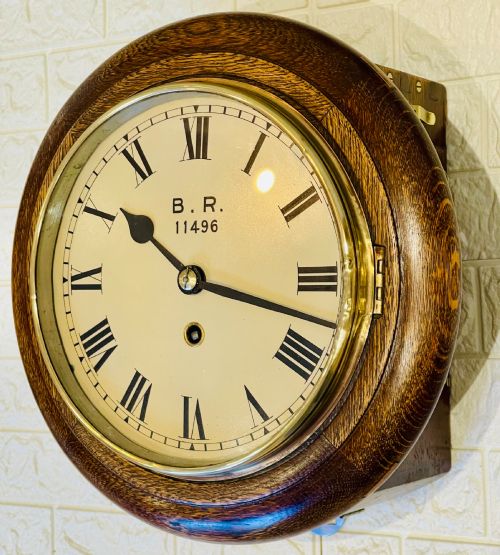
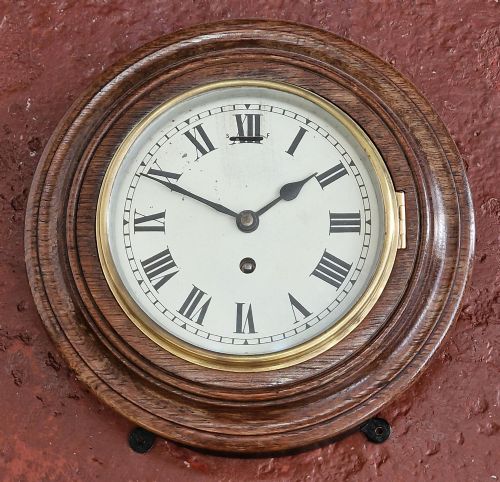
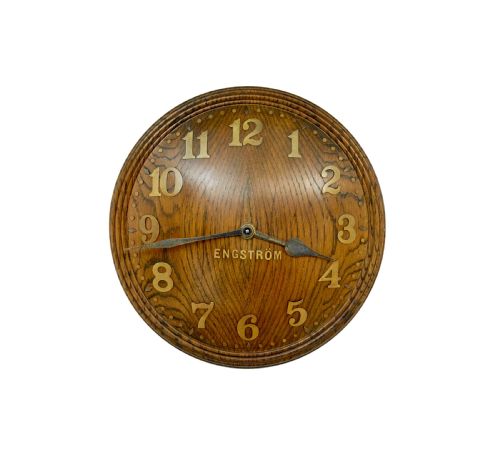
A round oak clock typically manifests as a wall-mounted timepiece, housing a circular dial behind a glass cover within a solid timber surround. These items serve both functional and decorative purposes, originating from various eras spanning the late nineteenth century through the mid twentieth century.
Visitors browsing this selection most frequently encounter Victorian and Art Deco variants, alongside pieces bearing George V or mid-century markers. Origins range from domestic English retailers to railway operations, showcasing the widespread utility of these circular timepieces.
The dominant material across these listings is oak, occasionally paired with brass bezels and enamel dials. Forms vary from simple dial clocks to railway fusee clocks and bell-striking designs suited for everyday interior placement.
Distinctions in quality
Superior examples display crisp dial typography, unblemished enamel faces, and well-preserved timber cases with clean grain patterns. The integration of high-grade fusee movements elevates a piece above standard timepieces.
Lesser items may show heavy wear to the wooden surrounds, discoloured enamel faces, or replacement internal components. The presence of original retailer signatures or specific institutional provenance further separates standard domestic clocks from distinguished specimens.
Listings feature oak timepieces spanning from the Victorian era and 1870 up to the 1950s, incorporating brass and enamel elements.
Zenith·Gustav Becker·Harrods
The Round Oak Clock Glossary
- Fusee
- A conical pulley connected to the mainspring by a cord or chain, designed to equalize the driving force as the spring unwinds. This mechanism improves timekeeping accuracy in traditional wall clocks.
- Dial
- The visible face of the clock bearing the numerals and marking the hours and minutes. Enamel and metal are common materials for this component.
- Bezel
- The ring of brass or other metal that holds the glass door in place over the dial. It often hinges open to allow hand adjustment.
- Mantel clock
- A portable clock designed to sit on a shelf or fireplace mantel rather than hang upon a wall. They share similar circular dial formats in certain historical styles.
Round Oak Clock: Frequently Asked Questions
How do I wind a fusee wall clock?
Wind the clock using the appropriate key inserted into the dial aperture, turning it gently until resistance is felt. Avoid overwinding to prevent damage to the internal spring.
Ensure you support the pendulum or movement correctly if relocating the clock after the winding process is complete.
Where should I hang a heavy oak clock?
Mount the clock directly into wall studs or utilise appropriate heavy-duty wall anchors suitable for timber and plaster construction. The weight of the oak case requires secure anchorage.
Position the timepiece at eye level in a stable environment away from excessive moisture or direct temperature fluctuations.
How do I identify a railway wall clock?
Railway clocks often feature specific company lettering on the dial and robust fusee movements designed for strict punctuality. Their plain oak surrounds prioritise legibility and durability.
Examine the back box and dial face for operational markings or service numbers associated with transport networks.
What maintenance do these antique clocks require?
Professional servicing every few years ensures the mechanical gears remain clean and properly lubricated. Dust the glass and timber case regularly with a dry cloth.
Keep the clock level on the wall to maintain an even beat from the pendulum or internal escapement.