


Oak Station Clock
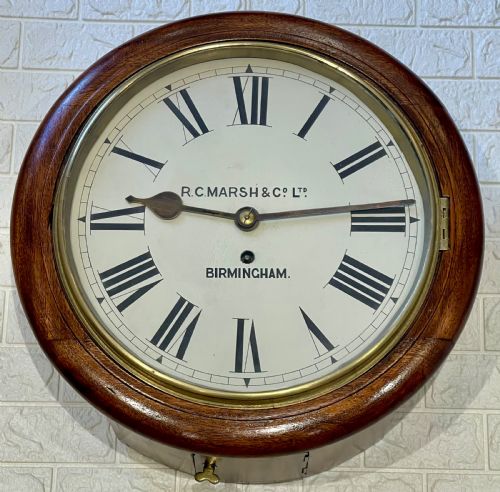
An oak station clock brings robust utility and utilitarian charm into a room, offering a dependable timepiece rooted in the functional design of transport and public networks.
Oak Station Clock
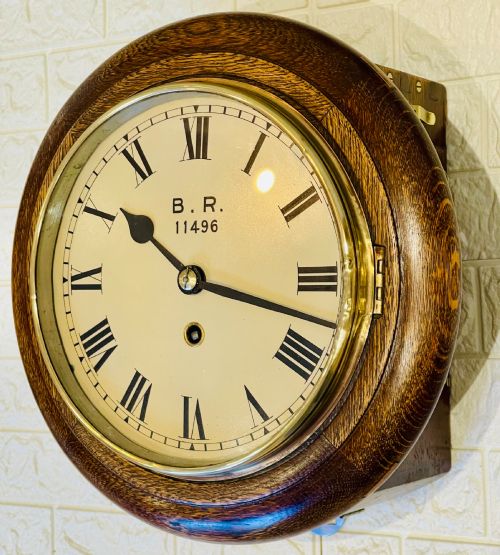
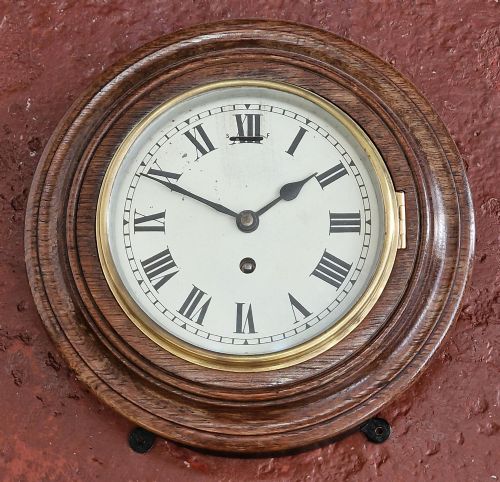
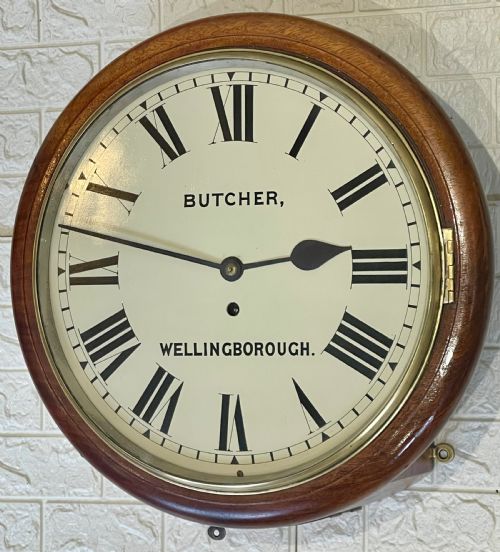
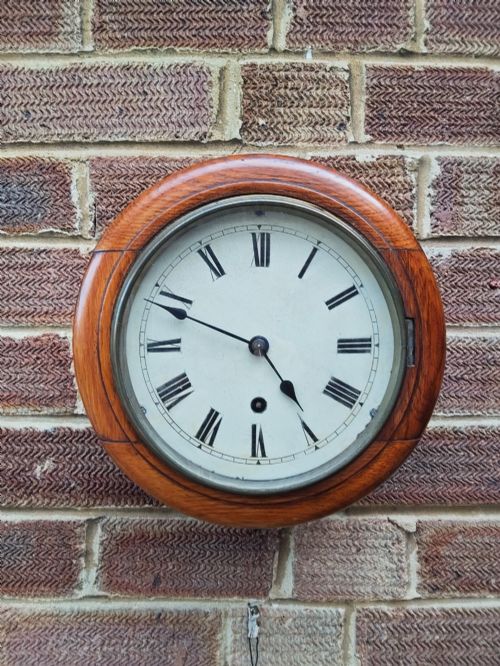
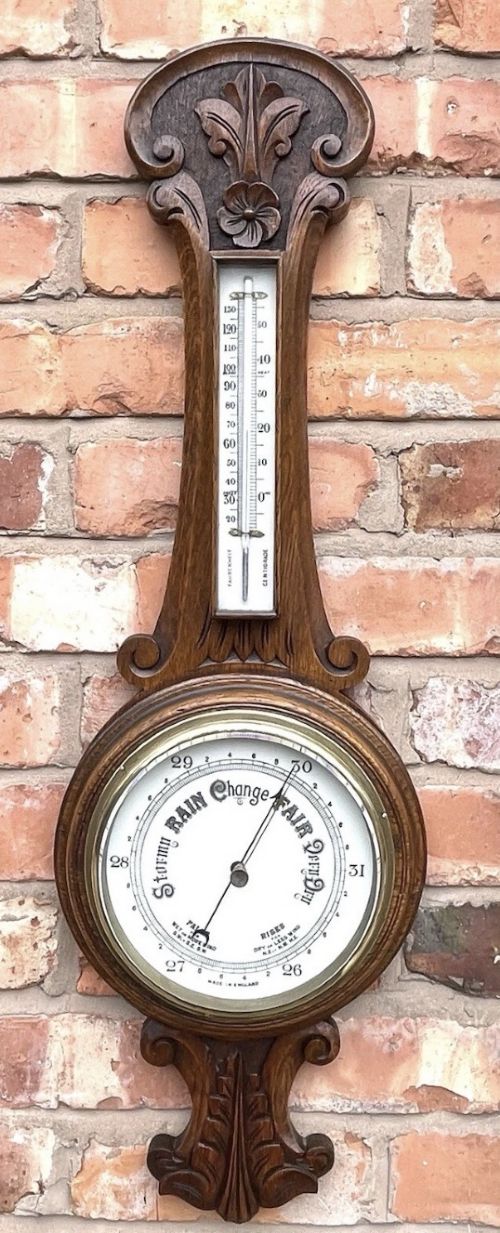
An oak station clock is a utilitarian timepiece designed for public buildings, railway platforms, and offices, where legibility and durability matter above all else. When you search for this phrase, you encounter wall-mounted dial clocks, drop-dial timepieces, and combined weather instruments enclosed in sturdy timber frames. The pieces listed on this page span the Victorian era, the Edwardian period, and the twentieth century, reflecting the steady demand for reliable public timekeeping.
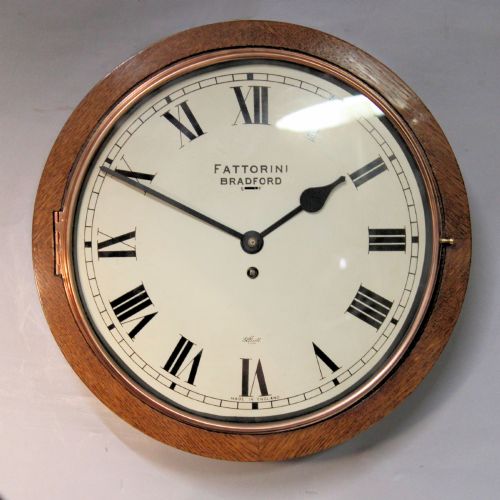
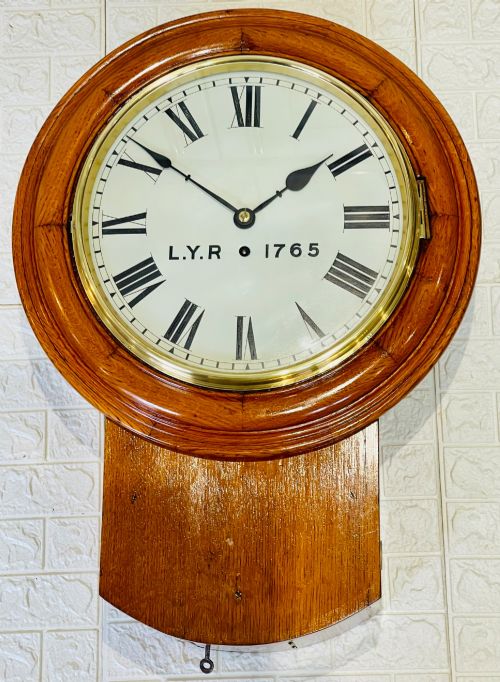
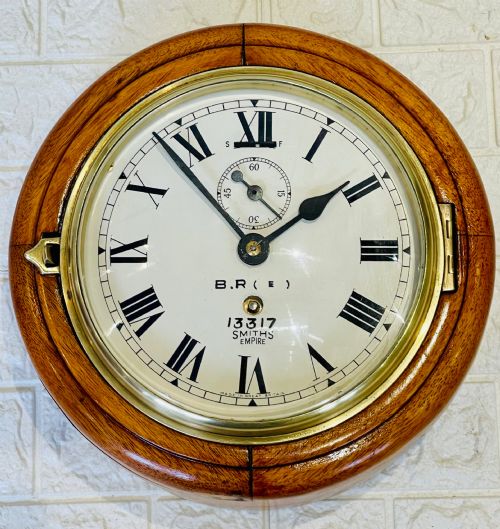
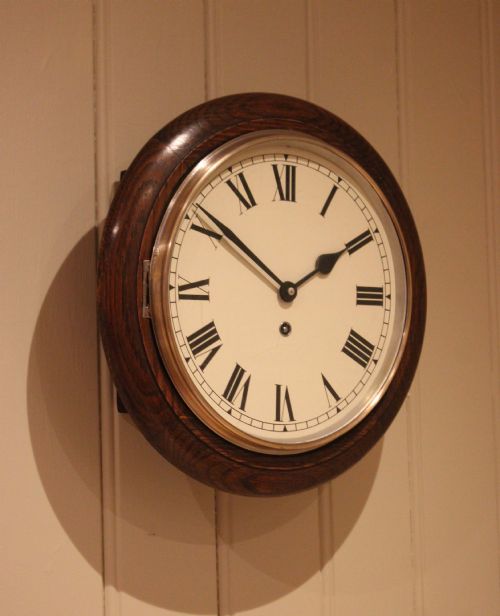
The most common version you meet is the wall-mounted dial clock featuring a clear enamel or painted face protected by glass and a brass bezel. These examples often originate from railway companies, postal services, or municipal buildings, bringing a distinct institutional provenance into a domestic interior. Alongside simple timepieces, the category also embraces carved oak banjo barometers, weather stations, and architectural desk clocks from the late nineteenth and early twentieth centuries.
Materials and construction
The construction of an oak station clock relies on solid timber cases designed to withstand vibration, atmospheric changes, and daily handling in busy environments. Cabinetmakers utilised sturdy oak, sometimes complemented by mahogany or carved wood details, housing precise mechanical movements such as chain-driven or fusee escapements. These movements regulate the time through sustained tension, ensuring consistent accuracy over an eight-day period between winds.
The dial face typically employs crisp enamel or painted metal with bold numerals for distant readability, framed by brass bezels and heavy protective glass doors. Inside the case, iron and brass components form the gear trains, lever escapements, and striking mechanisms that drive the clock. This combination of dense timber, protective glass, and reliable metal engineering accounts for the survival of these pieces through decades of continuous service.
Some station clocks retain faint scratch marks inside their cases where hurried Victorian stationmasters notched down maintenance notes.
Indicators of quality
Quality in an oak station clock rests on the sophistication of the movement and the integrity of the original casing rather than mere age. Pieces featuring a chain fusee movement demonstrate superior clockmaking craft compared to simpler spring-driven alternatives, as the fusee cone maintains even power delivery as the mainspring unwinds. The crispness of the dial lettering, the weight and thickness of the cast brass bezel, and the clean fit of the oak case doors further distinguish a standard utility clock from a superior example.
Provenance and original institutional markings also elevate a piece, particularly when associated with recognised railway networks, postal services, or retail establishments. A well-proportioned case with uncompromised timber grain and minimal modern replacement parts retains its historical character much better than a heavily restored or altered body. Ultimately, the harmony between a robust oak housing and a fine mechanical movement defines the upper tier of the range.
Elliott·W&H Sch·Dent of London·Harrods·Winterhalder and Hofmeier
The Oak Station Clock Glossary
- Fusee
- A conical pulley used in better-quality clocks to maintain equal power as the mainspring runs down. This device ensures consistent timekeeping across the entire duration of the winding cycle.
- Dial clock
- A wall clock featuring a prominent circular face designed for clear visibility in public spaces. These clocks usually have a short wooden trunk or drop case to house the pendulum.
- Lever escapement
- A mechanical linkage that controls the release of power from the gear train to the pendulum or balance wheel. It provides reliable timekeeping even in environments subject to minor vibrations.
- Aneroid barometer
- A meteorological instrument that measures atmospheric pressure without using liquid mercury. It operates by utilising a small, flexible metal box that expands or contracts with pressure changes.
Oak Station Clock: Frequently Asked Questions
Where were these clocks originally used?
These clocks served in railway stations, waiting rooms, post offices, and municipal offices where accurate timekeeping was essential for public operations.
Their robust construction allowed them to withstand the vibration of passing trains and the bustle of daily passenger traffic.
How do I wind an oak station clock?
Most mechanical versions require a specialised winding key inserted into the dial face to tension the movement every eight days.
Care must be taken not to overwind the mechanism, stopping as soon as firm resistance is felt.
How do I tell a Victorian station clock from a later one?
Victorian examples often feature fusee movements housed in heavy oak cases with hand-painted dials and cast brass bezels. Later twentieth-century versions frequently adopt simpler movements and cleaner, more utilitarian lettering on the face.
Examining the interior construction and the style of the timber framing usually reveals the period of manufacture.
Can I hang a heavy oak station clock on a standard wall?
Because these clocks feature solid oak cases and heavy glass bezels, they require secure mounting directly into wall studs or masonry using appropriate fixings.
Their substantial weight means standard picture hooks are unsuitable for safe support.