
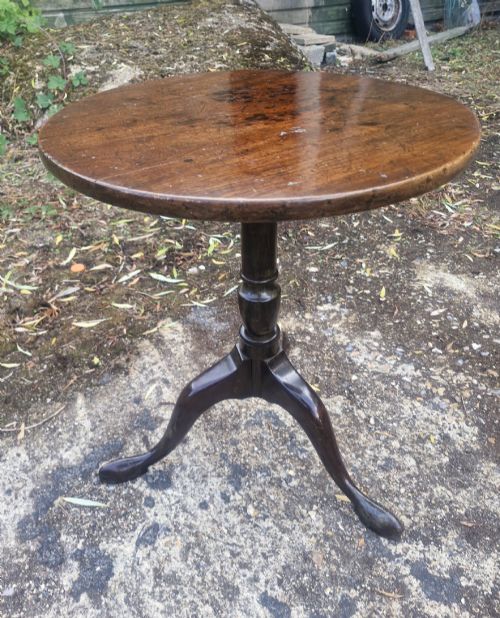
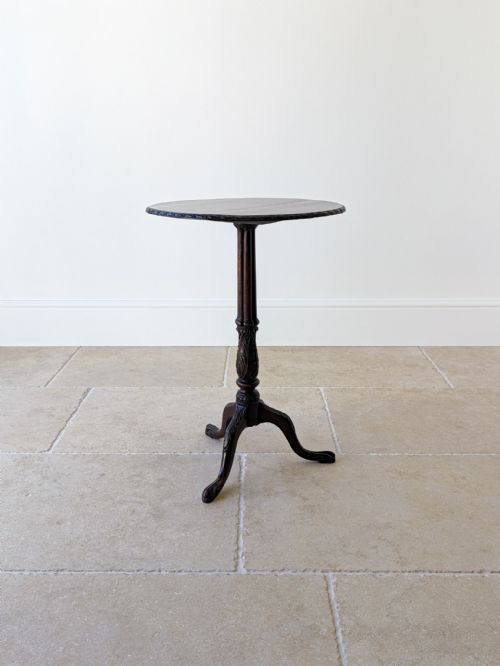
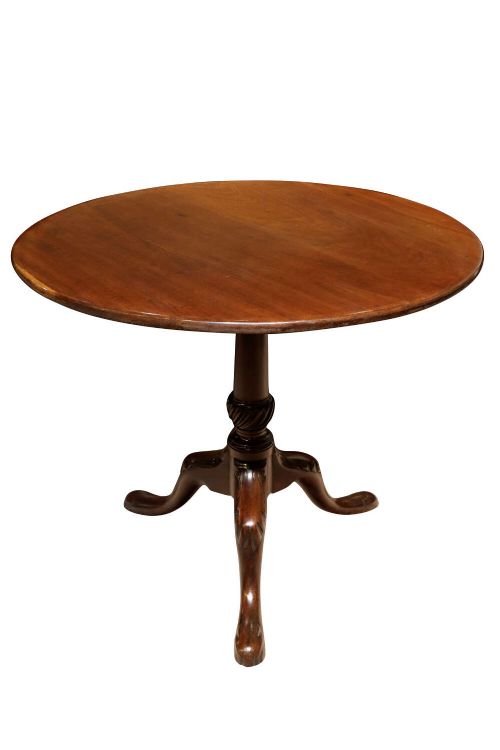
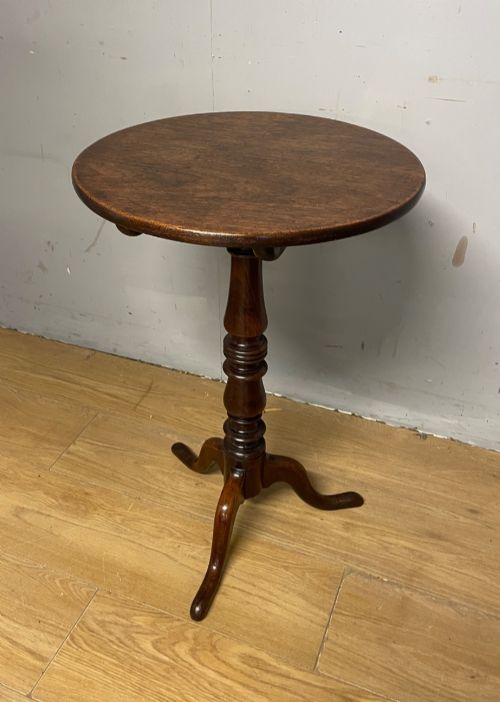
Round Mahogany Wine Table
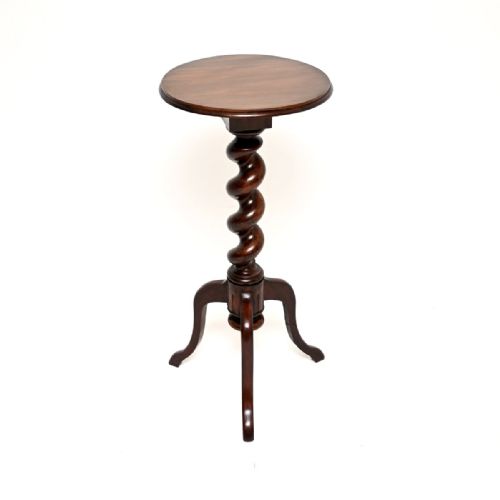
A round mahogany wine table is a compact pedestal piece designed to hold a glass or lamp, prized for its versatile proportions and rich timber figure.
Round Mahogany Wine Table
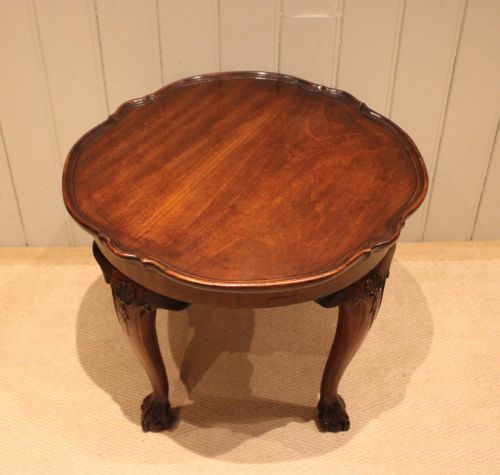
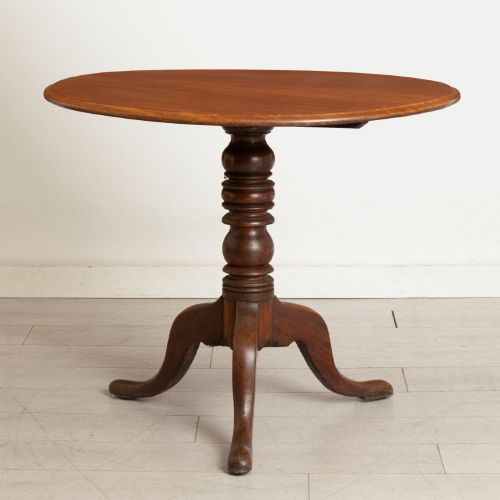
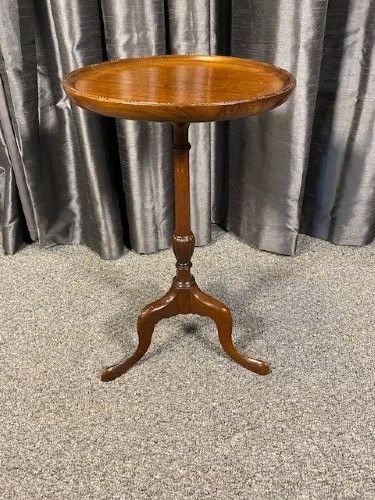
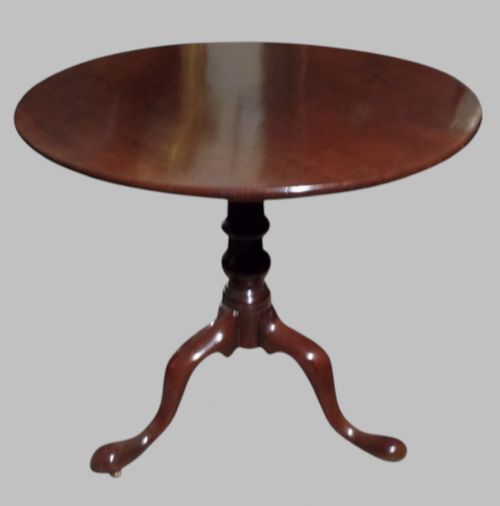
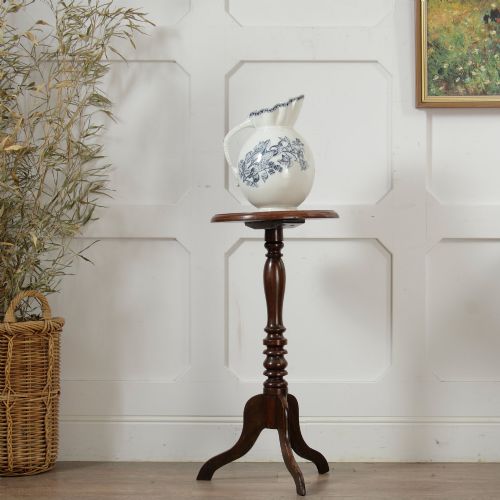
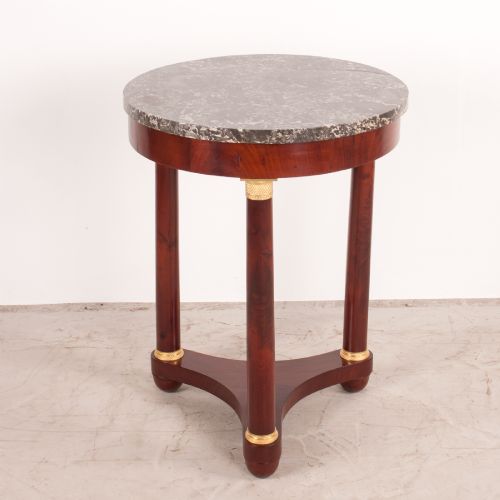
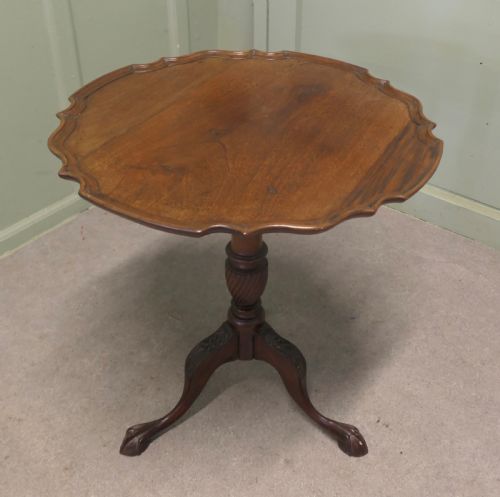
A round mahogany wine table is a small pedestal form traditionally used for serving drinks or holding lighting. The pieces on this page span several eras including Georgian, Victorian, Regency, and Edwardian periods.
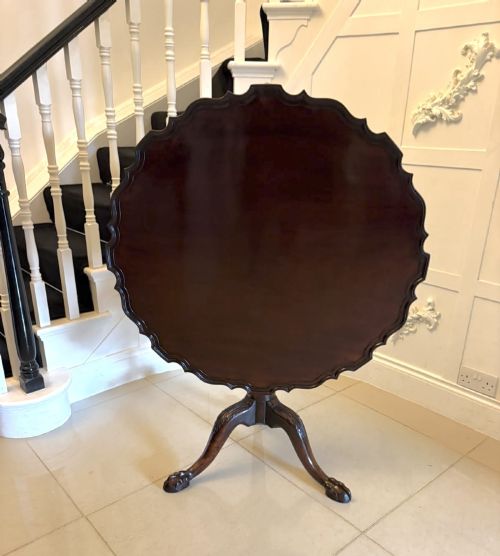
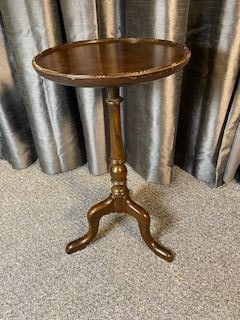
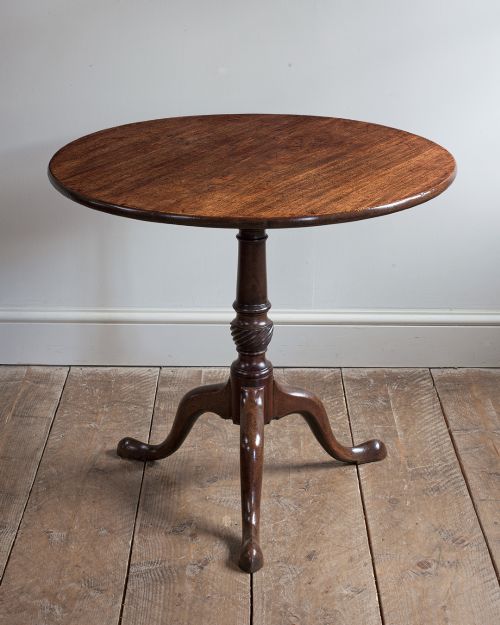
Most examples take the form of a circular top supported by a central pillar and three legs. You will frequently encounter tilt-top mechanisms and tripod designs among these listings.
How They Were Made
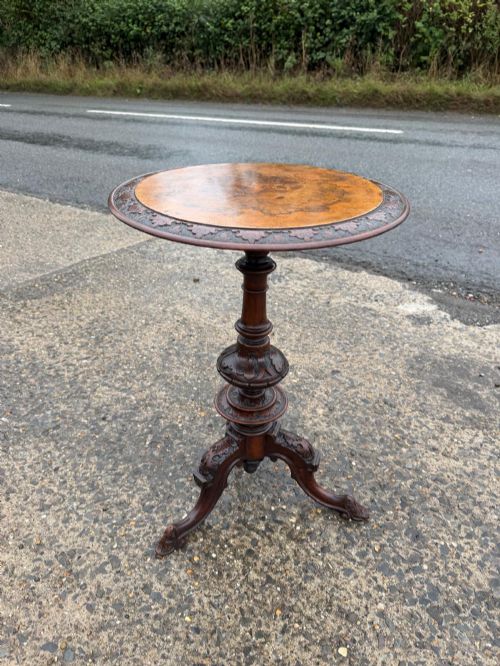
Cabinet makers utilised solid mahogany and veneers such as burr wood or flame mahogany over sturdy timber frames. Brass fittings, ormolu, and satinwood inlay appear on select examples to accent the design.
Tripod bases were joined to turned pedestals using sturdy box joints or birdcage mechanisms that allowed the top to rotate and tilt. Traditional hand-polishing brought out the deep natural grain of the wood.
Listings feature woods including mahogany, walnut, satinwood, and burr wood, alongside marble tops.
What Varies in Quality
Quality rests in the choice of timber figure, such as well-matched flame mahogany or burr wood surfaces. Refined turning on the pedestal column and slender, well-proportioned legs distinguish finer examples.
The precision of the tilt-top mechanism and the integrity of the birdcage joint indicate the level of craftsmanship. Early Georgian and Regency pieces often show greater attention to structural detail than later revival forms.
Waring and Gillow
The Round Mahogany Wine Table Glossary
- Tilt-top
- A tabletop mounted on a hinge mechanism that allows the surface to fold vertical when not in use. This clever space-saving design was common on 18th and 19th-century tripod tables.
- Birdcage
- A wooden framework beneath the tabletop that permits both rotation and tilting of the surface. It connects the pillar to the top using small vertical spindles.
- Tripod base
- A support structure featuring three legs radiating from a central pillar. This configuration ensures stability on uneven floors.
- Flame mahogany
- A distinctive veneer pattern created from the wood taken from the fork of the mahogany tree. It produces a rippling flame effect across the surface.
- Gueridon
- A small French round table supported by a central column or legs. The form gained popularity during the 19th century.
Round Mahogany Wine Table: Frequently Asked Questions
What is a birdcage mechanism?
A birdcage is a small wooden assembly beneath the tabletop that lets the surface both rotate and tilt. It sits between the top and the central pillar.
This construction allowed the table to be stored flat against a wall when not in use during the Georgian period.
How do I tell a tilt-top table?
You will find a catch or release mechanism underneath the circular top that allows the surface to pivot upright. When unlocked, the whole top tips vertical on its hinge.
This feature is standard on many antique tripod tables from the 18th and 19th centuries.
Where were these tables used?
These small stands served beside seating areas to hold wine glasses, candles, or small lamps. Their compact footprint made them easy to move around a drawing room.
Today they function well as lamp tables or occasional surfaces in sitting rooms and hallways.
How do I identify a Georgian piece?
Georgian examples often feature simpler, elegant proportions with finely turned tripod bases and solid mahogany tops. Look for traditional construction methods like pegged joints and hand-cut elements.
Later Victorian and Edwardian pieces sometimes incorporated heavier pedestals, elaborate carving, or marquetry inlay.