





Round French Mirror
These round french mirror pieces bring continental elegance to a room, spanning Louis Philippe, Art Deco, and Victorian periods.
Round French Mirror
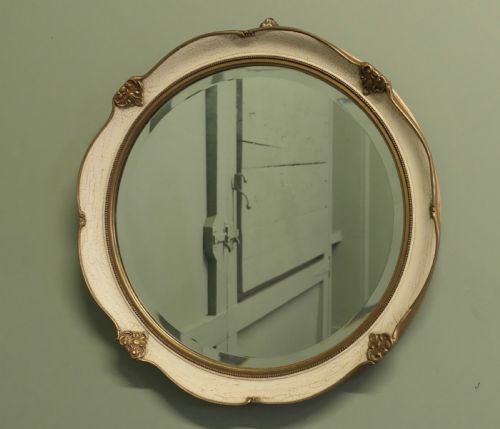
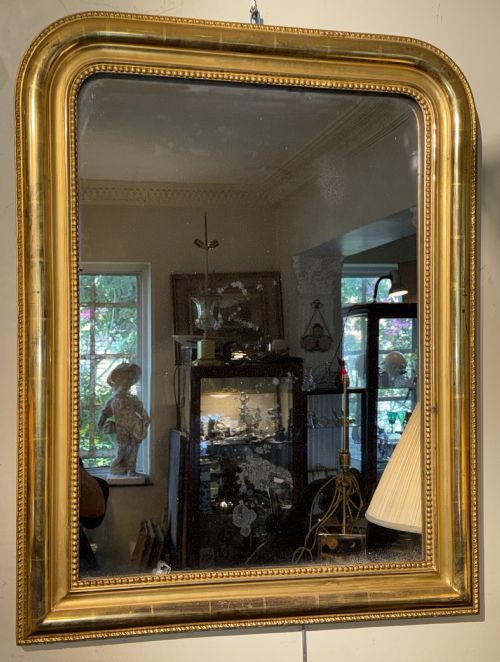
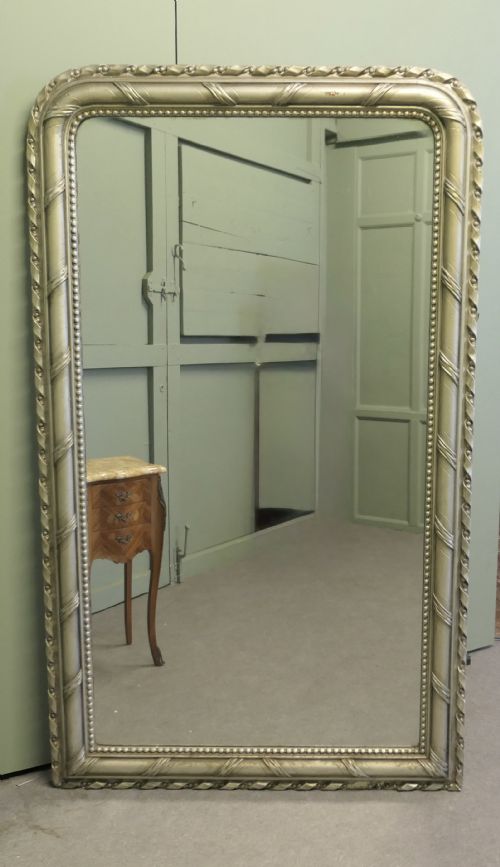
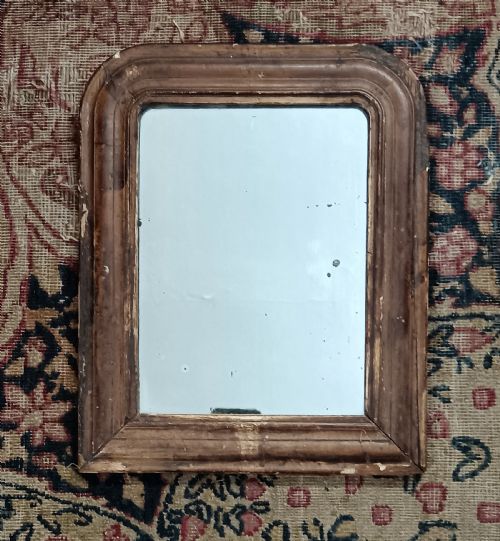
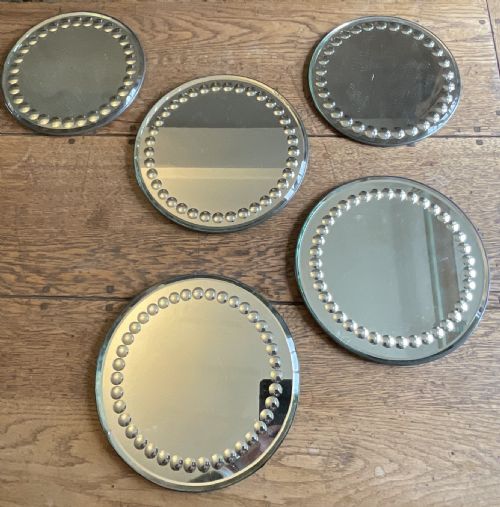
A round french mirror offers a distinct continental silhouette that has populated European interiors from the nineteenth century through the art deco era. Buyers searching for a round french mirror encounter wall mirrors and overmantels shaped by traditional forms, ranging from compact circular frames to larger statement pieces.
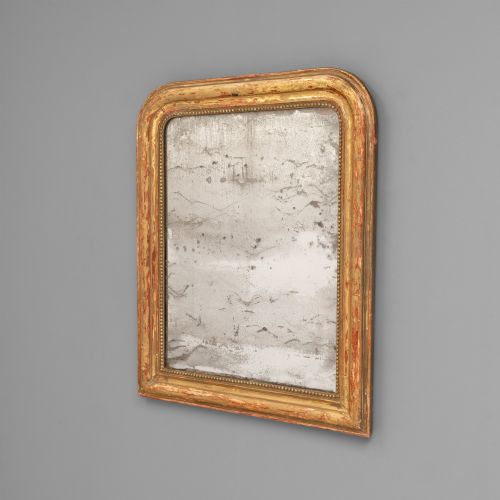
The selection encompasses nineteenth-century examples alongside 1920s and 1930s variations, displaying the enduring appeal of gilt surfaces and carved wooden structures. These items serve both functional and decorative purposes in domestic spaces, reflecting light while anchoring a room's aesthetic.
Originating across different periods including the Victorian era and the interwar years, these mirrors capture specific design movements such as the French chateau style and Louis Philippe aesthetic. Each piece brings historical character and craftsmanship to modern interiors.
How they were made
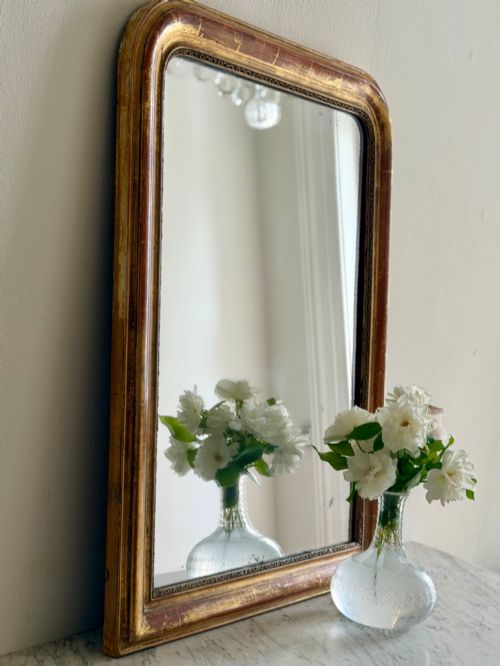
Frames are constructed from wood and gesso, providing a stable foundation for intricate carved details and smooth mouldings. Artisans applied gold leaf and silver leaf by hand to achieve the luminous metallic finishes characteristic of these antique frames.
Glazing involves traditional mirror glass, sometimes silvered or etched to create specific optical qualities and decorative patterns. The combination of carved wood, applied gesso, and precious leaf creates the durable structure expected of period mirrors.
Listings feature items spanning the nineteenth century through to the 1940s, utilising materials such as giltwood, gesso, and silvered glass.
What varies in quality
The finesse of the carved woodwork and the crispness of the gesso relief define the upper tier of these mirrors. Superior examples display confident hand-carved elements rather than uniform cast ornamentation.
The depth and preservation of the gold or silver leaf finish distinguish finer pieces, along with the clarity and age of the original silvered glass. Patina that develops naturally over decades adds depth to the surface without obscuring the underlying craftsmanship.
The Round French Mirror Glossary
- Giltwood
- Wood that has been coated with a thin layer of gold leaf or gold paint. This technique protects the underlying timber while providing a brilliant reflective surface.
- Gesso
- A plaster-like mixture applied to wood frames to create a smooth surface for gilding or carving. It allows artisans to model fine decorative details before applying metal leaf.
- Louis Philippe
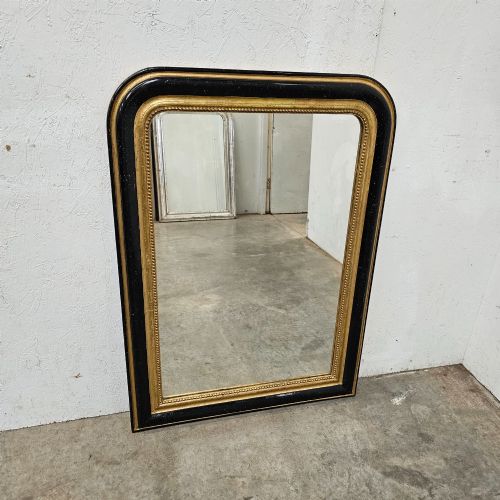
- A French design style dating from the mid-nineteenth century, known for understated elegance and gently rounded architectural lines. It balances classical proportions with restrained ornamentation.
- Overmantel
- A large mirror designed to hang specifically above a fireplace mantelpiece. These pieces often feature generous dimensions to reflect light across the room.
- Silvered glass
- Glass treated with a reflective silver coating behind the pane. Older examples show characteristic ageing and mottling that confirm their period authenticity.
Round French Mirror: Frequently Asked Questions
How do I hang a heavy antique mirror?
Heavy frames require secure wall fixings distributed evenly across the structure to support the combined weight of wood, gesso, and glass.
Professional installation into solid masonry or studwork is recommended to ensure the mirror remains safely mounted.
Where should I place a round mirror?
Round frames work well above mantelpieces, in hallways, or opposite windows to maximise natural light and create a sense of space.
Their curved geometry softens rectilinear rooms and draws the eye as a central focal point.
How do I clean antique glass?
Use a soft, dry microfibre cloth to remove dust gently from the glass and frame without moisture.
Avoid chemical cleaning sprays that can seep behind the glass and damage the silvered backing or delicate gilt surfaces.
What defines Louis Philippe style?
This style is characterised by clean lines, subtle curves, and minimal ornamentation compared to earlier extravagant periods.
It focuses on balanced proportions and the natural beauty of the materials used in construction.
How can I tell the age of a frame?
Age is indicated by the construction methods of the wood, the composition of the gesso, and the natural wear of the gilt finish.
Examining the reverse of the frame often reveals period fixings, older timber types, and historical labels.