


Gold Cream Wall Mirror
A gold cream wall mirror brings together painted warmth and gilt light, shaping light and space across periods from Regency to Art Deco.
Gold Cream Wall Mirror
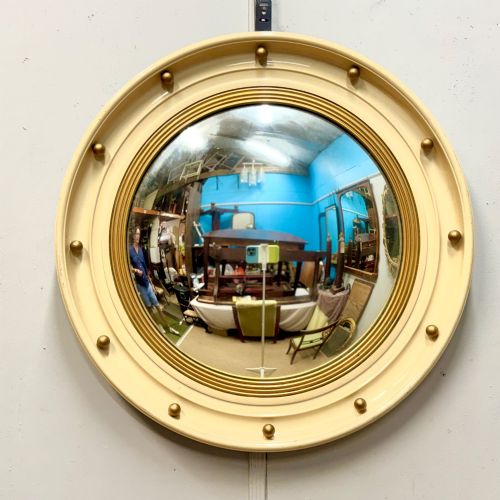
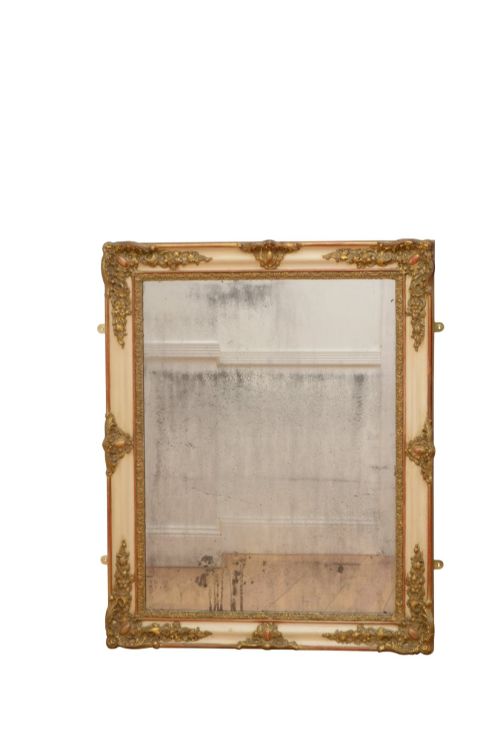
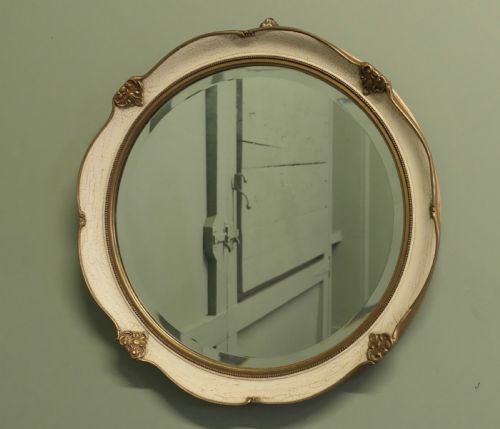
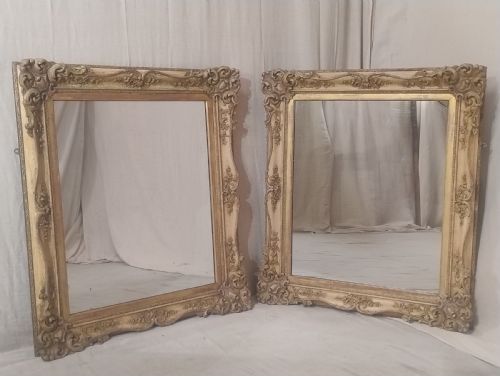
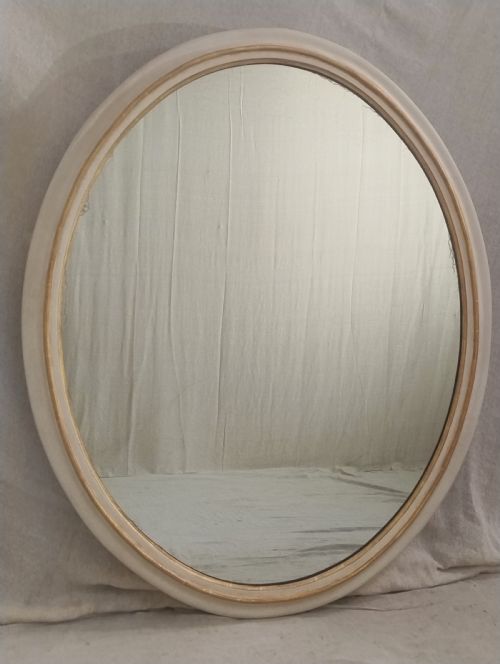
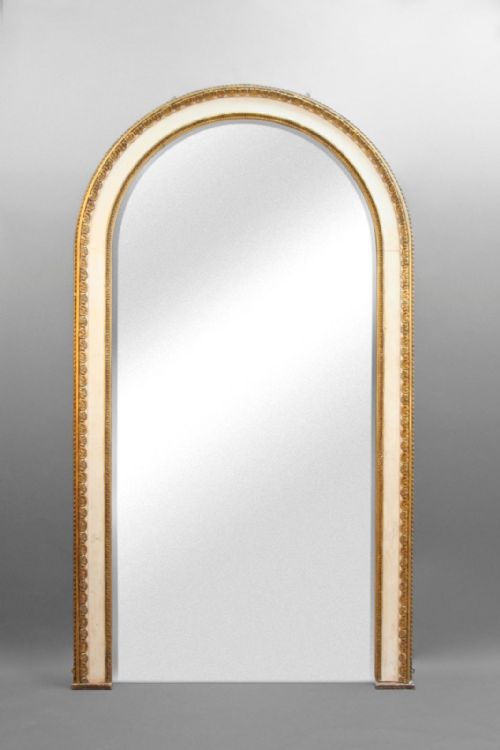
A gold cream wall mirror combines painted surfaces with gilt detailing, ranging from overmantel mirrors to pier glasses and round butlers mirrors. These pieces appear across 19th Century, Regency, Victorian, and 1920 styles, drawing on French Rococo Revival and Neoclassical designs.
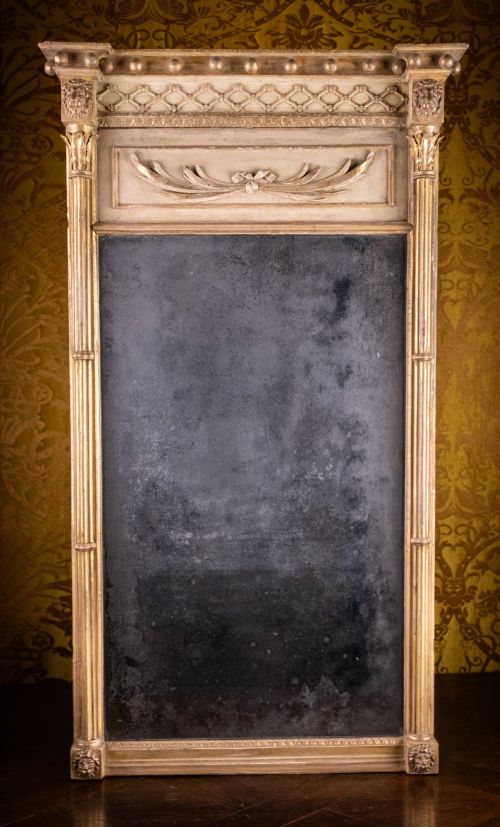
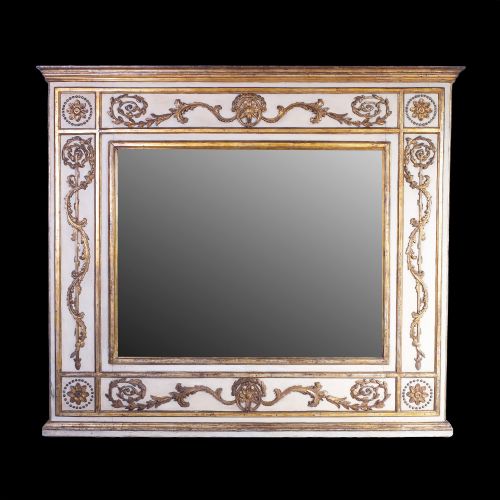
Buyers frequently encounter large overmantel mirrors and tall pier mirrors designed to anchor a room or sit above a mantelpiece. The inventory spans simple painted frames to ornate moulded designs incorporating lion masks and crested tops.
Origins include English and French workshops, alongside Italian pieces that bring hand-painted motifs into the mix. Forms vary from vertical trumeau mirrors to compact round frames and wall shelves with integrated mirrors.
How they were made
Frames rely on wood and painted wood as a foundation, shaped to form intricate moulding and structural support. Artisans applied gesso to build up decorative relief work before finishing the surfaces.
Giltwood and gold leaf provide metallic highlights, catching the light against cream and painted backgrounds. Mirror glass sits within these frames, sometimes taking convex forms in round butlers mirrors or large rectangular sheets in overmantels.
Some round butlers mirrors feature convex glass designed to keep an amused eye on everyone in the parlour at once.
What varies in quality
The depth and execution of the gesso work dictate the crispness of the ornamentation on the frame. Hand-carving and delicate parcel-gilt highlights separate finely articulated pieces from simpler production.
The integration of the painted finish with the gold leaf determines the visual balance of the object. High-tier examples maintain harmonious patination across both the cream paint and the gilt details.
The Gold Cream Wall Mirror Glossary
- Gesso
- A plaster mixture applied to wood frames to create a smooth surface for carving and gilding. This material allows for sharp relief details in Rococo and Victorian designs.
- Giltwood
- Timber that has been coated with gold leaf or gold paint. It forms the shimmering frame elements seen in many period mirrors.
- Trumeau mirror
- A decorative wall mirror often integrated with a panel above, frequently seen in French interior decoration. These tall pieces suited placement between windows or above mantelpieces.
- Convex glass
- Curved mirror glass that provides a wide-angle reflection, commonly utilised in round butlers mirrors. It projects a miniature view of the surrounding room.
- Parcel gilt
- A finishing technique where only specific portions of an object are gilded, leaving painted wood visible elsewhere. This method highlights particular carved details on the frame.
Gold Cream Wall Mirror: Frequently Asked Questions
How do I hang a heavy overmantel mirror safely?
Large overmantel mirrors require substantial wall fixings anchored directly into masonry or secure timber studs. Professional installation is essential due to the combined weight of the wood, gesso, and glass.
Position the mirror at a height that reflects eye level or anchors the furniture piece placed directly beneath it. Ensure the hanging wire or brackets distribute the load evenly across the frame structure.
What is the difference between a pier mirror and an overmantel mirror?
Pier mirrors are tall and narrow, traditionally designed to hang on the wall space between two windows. Overmantel mirrors are wider and built to sit horizontally above a fireplace mantel.
Both forms utilise painted and gilt wooden frames, but their proportions serve entirely different architectural spaces within a nineteenth-century interior.
How should I clean a antique gilt and painted frame?
Dust the frame gently with a dry, soft brush to remove surface particles without disturbing fragile gesso or gold leaf. Avoid liquid cleaners and chemical sprays, which can strip historic paint and varnish layers.
Clean the mirror glass using a cloth dampened slightly with water or a mild glass cleaner, taking care not to let moisture seep behind the edge of the frame.
Are these mirrors French or English?
The inventory includes both English and French examples, alongside pieces originating from Italy. French mirrors often display Rococo Revival curves or trumeau panels, while English pieces frequently present robust overmantel proportions with parcel gilt.
Examining the construction methods, wood types, and decorative motifs helps identify the regional workshop traditions behind each piece.