

Rotating Library Table
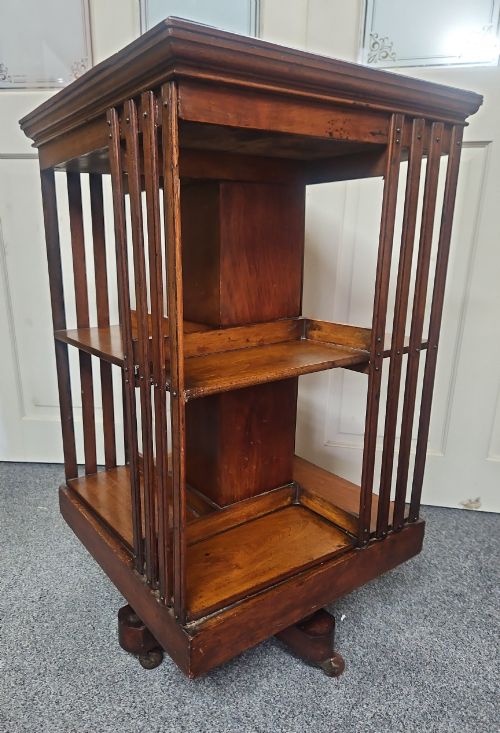
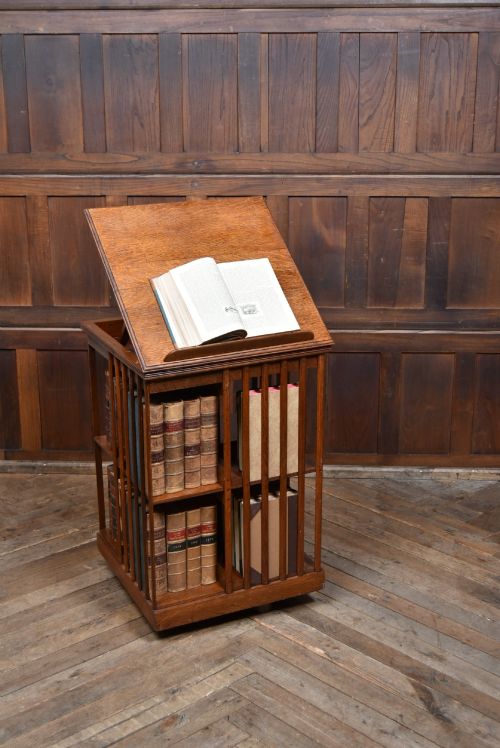
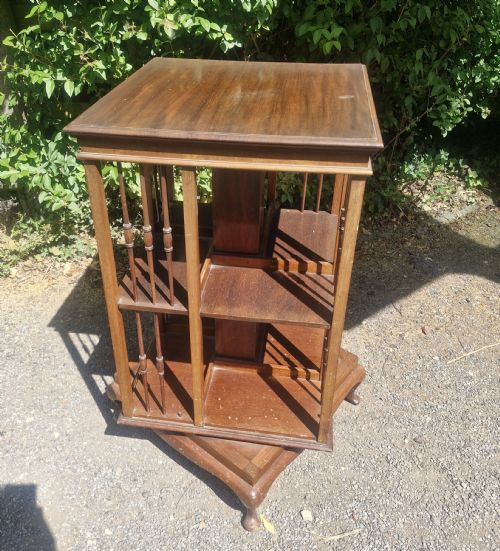
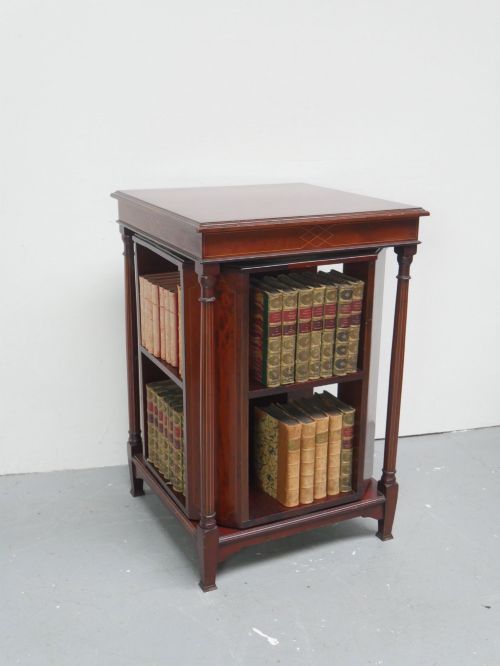
A rotating library table offers immediate access to a collection of volumes while occupying minimal floor space in a study.

Rotating Library Table
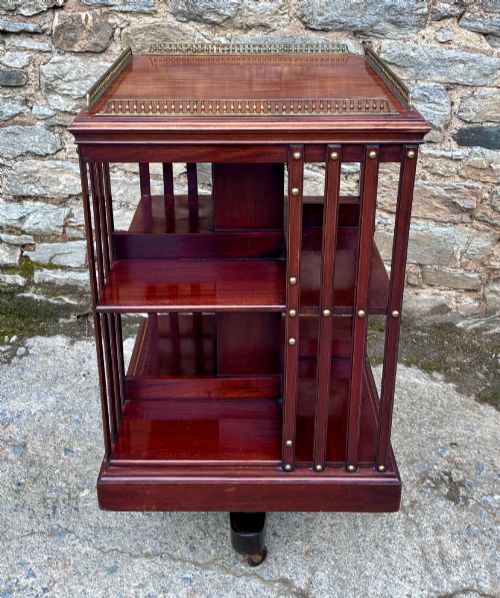
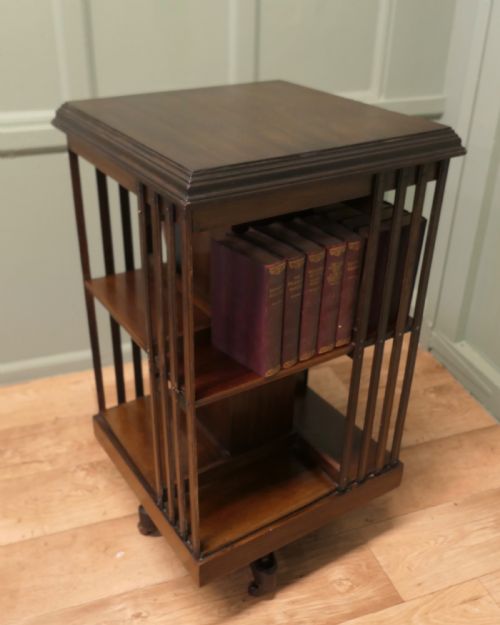
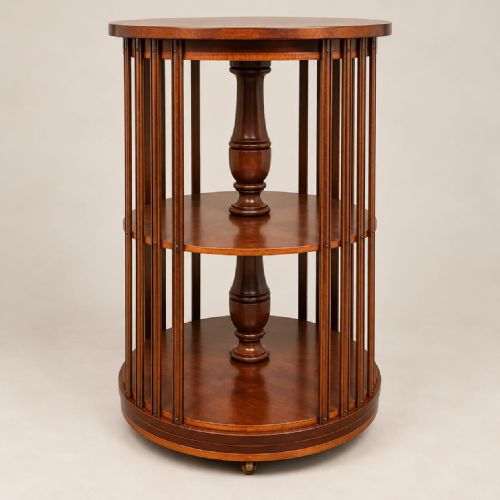
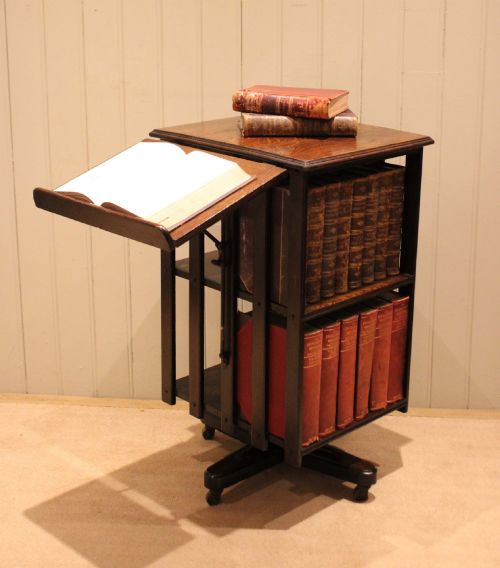
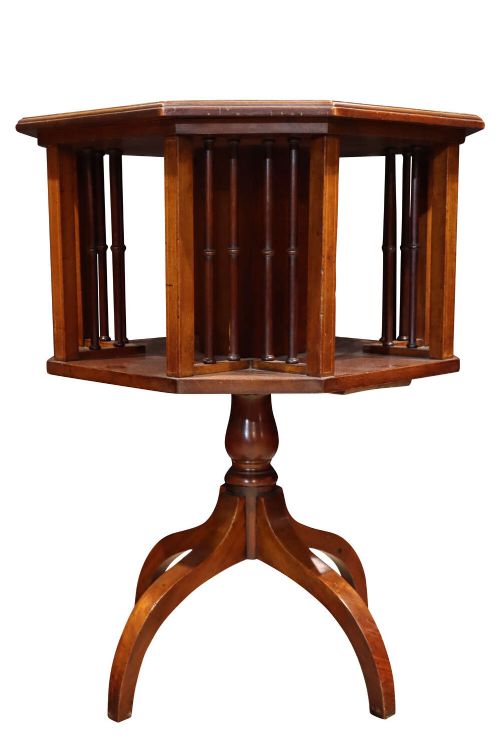
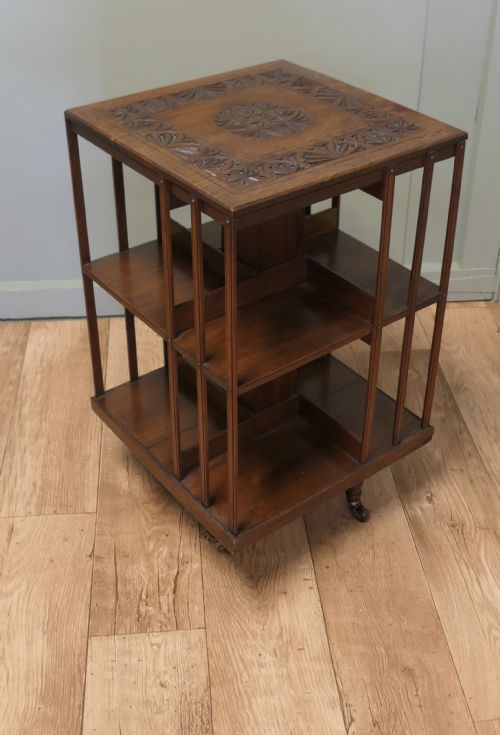
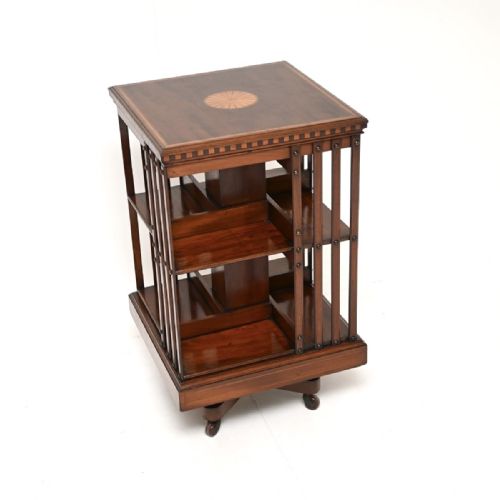
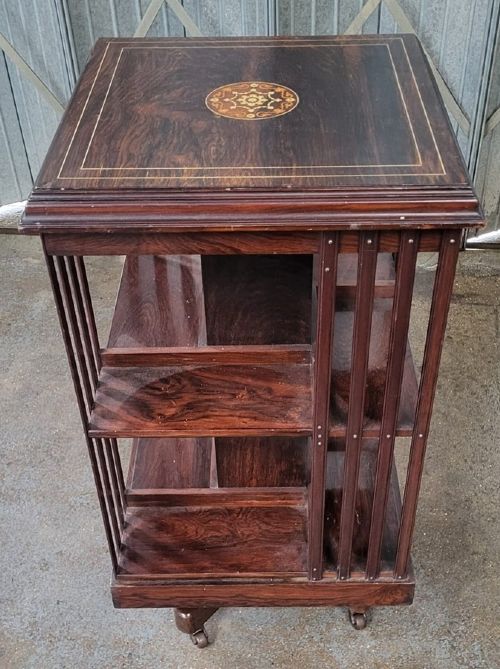
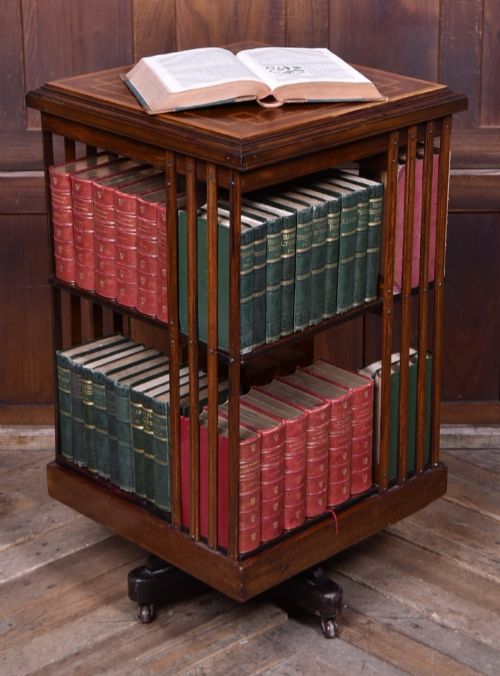
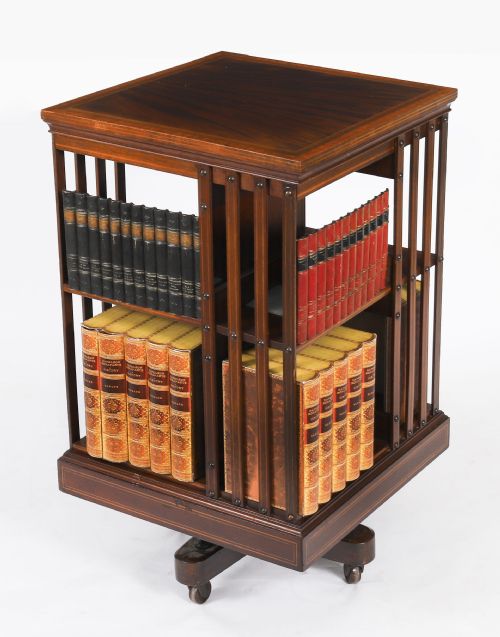
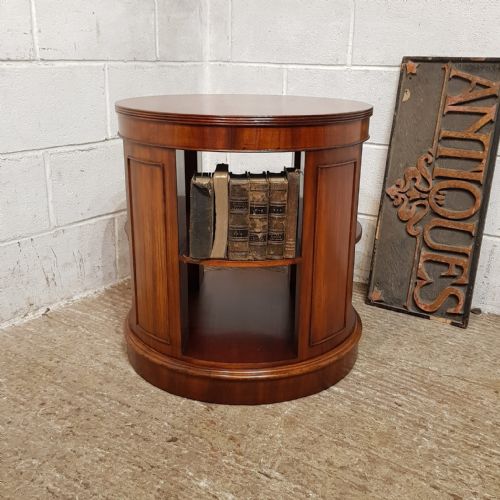
A rotating library table stands as a functional piece of furniture designed to hold books within arm's reach while turning smoothly on a central pivot. When searching for a rotating library table, buyers encounter examples primarily from the Edwardian and Victorian periods, alongside occasional Georgian and William IV pieces.
How they were made
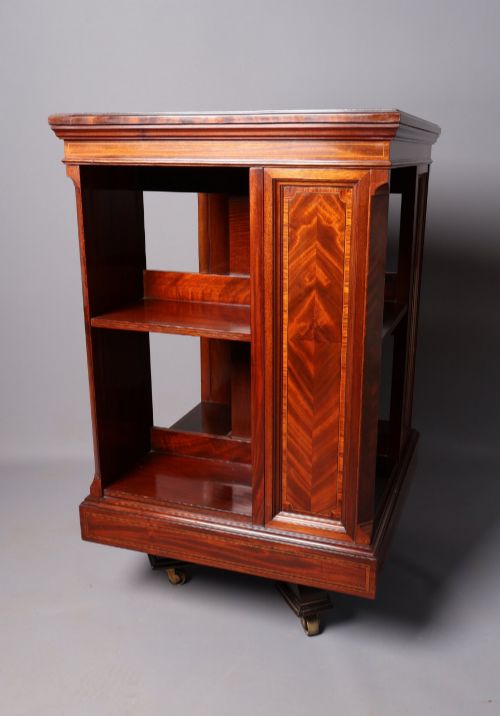
Craftsmen built these pieces predominantly using mahogany, oak, and walnut, often selecting flame veneers to add visual depth to the surfaces. Timber selection governed both the durability of the structure and the elegance of the finished item.
Makers integrated brass and cast iron mechanisms within the internal pivot to ensure effortless rotation under the weight of heavy volumes. Decorative elements such as satinwood inlay, marquetry, and ormolu mounts frequently enhanced the exterior woodwork.
Rotating Library Table Retail Price Guide 2026
Typical asking prices for rotating library table among the pieces listed under this phrase on Sellingantiques today, from the lower quarter to the upper quarter. They describe what is for sale here now, not the wider market.
Listings feature mahogany, oak, and walnut timbers, spanning Edwardian, Victorian, and Georgian periods.
What varies in quality
The smoothness and stability of the rotation mark the primary difference between standard examples and superior productions. A well-engineered pivot mechanism allows the tiers to turn silently without wobbling or catching.
Timber selection and decorative restraint distinguish finer pieces from mass-produced alternatives. Crisp satinwood inlay, well-matched veneer grains, and substantial brass mounts elevate the standing of a piece within its period.
Maple and Co
The Rotating Library Table Glossary
- Revolving bookcase
- A freestanding tiered bookcase designed to rotate on a central spindle or pivot base. This form allows a user to access multiple shelves from a single seated position.
- Marquetry
- Decorative woodwork where pieces of various coloured woods are fitted into a veneer to form geometric or floral patterns. This technique frequently adorns the top surfaces of formal library tables.
- Ormolu
- Gilt bronze mounts applied to furniture for decorative effect during the nineteenth century. These metal details add contrast against dark woods such as mahogany and kingwood.
- Satinwood inlay
- Contrasting light-coloured timber inserted into recesses within a darker primary wood to create linear or botanical borders. It is a defining feature of many Edwardian Sheraton Revival pieces.
Rotating Library Table: Frequently Asked Questions
Where should I place a rotating library table?
These pieces suit positions beside a reading chair, next to a desk, or in the centre of a study where access from all sides is practical.
Because the tiers revolve, adequate clearance around the perimeter ensures the books remain reachable without obstruction.
How do I maintain the rotating mechanism?
The internal pivot benefits from occasional inspection to ensure dust does not impede the movement of the bearings or spindle.
A light application of appropriate lubricant to the metal components keeps the rotation smooth over years of daily use.
What periods do these tables represent?
The majority of available examples date from the Edwardian and Victorian eras, reflecting the domestic library expansion of those decades.
Earlier pieces from the Georgian and William IV periods also appear, showing heavier proportions and different timber selections.
Can these tables hold heavy books?
Solid mahogany and oak examples possess the structural rigidity required to support substantial reference volumes and encylopaedias.
Distributing heavier books on the lower tiers maintains the balance and stability of the revolving action.