



Rosewood Pier Cabinet
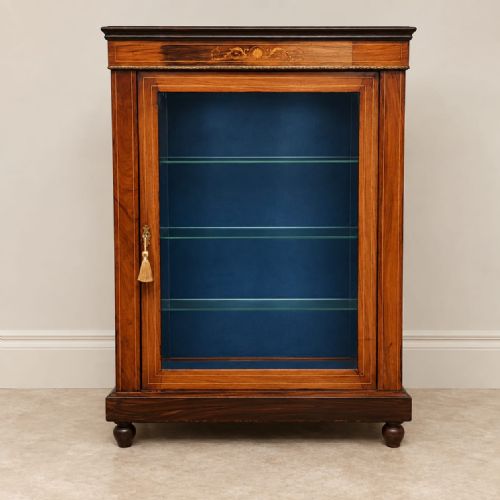
A rosewood pier cabinet brings rich timber and glazed display into a reception room, designed specifically to sit between tall windows.
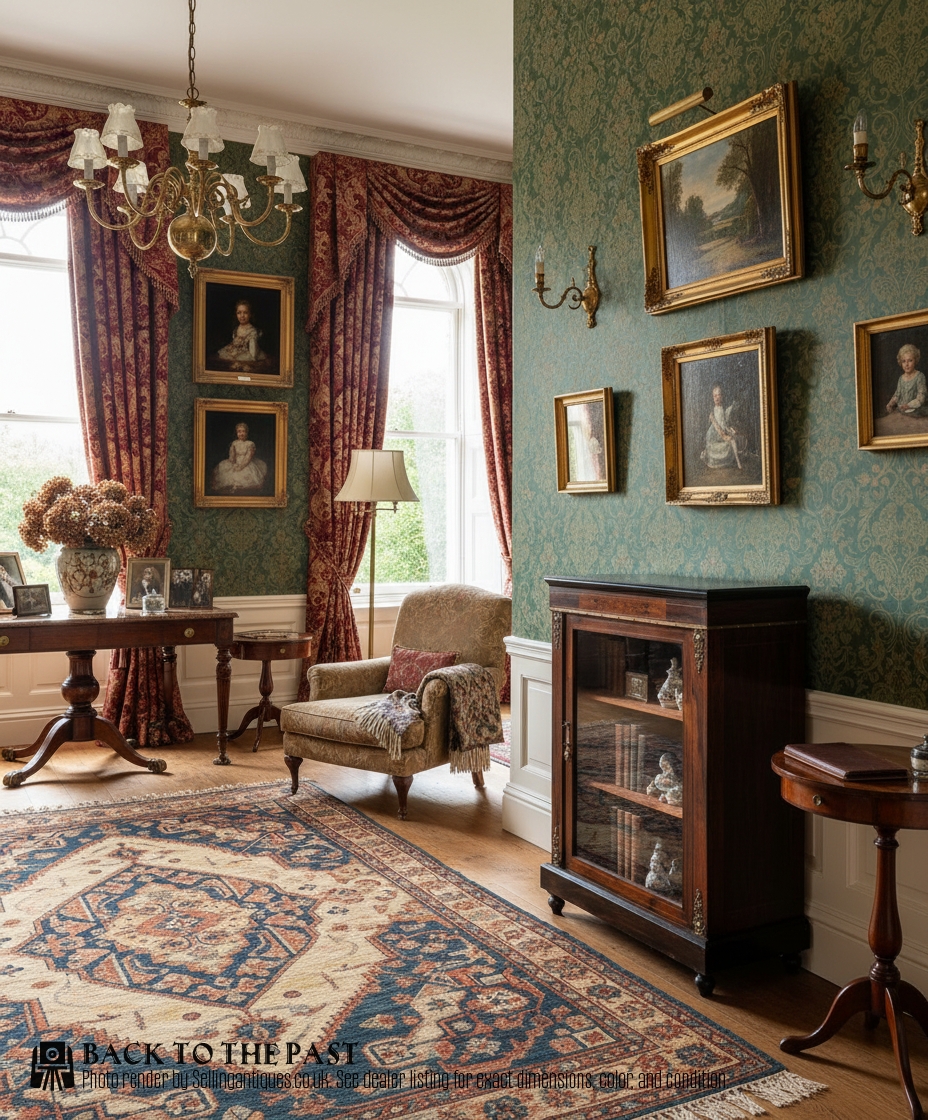
Rosewood Pier Cabinet
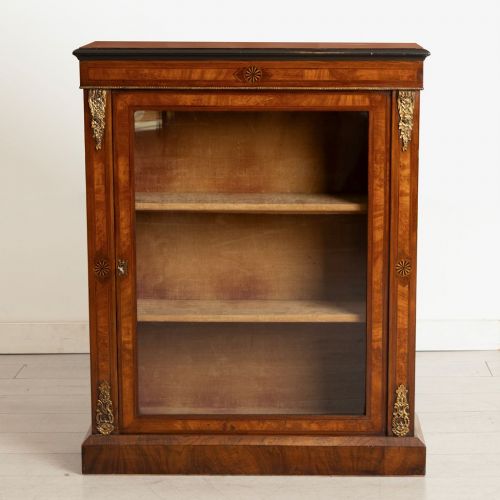
The rosewood pier cabinet is a domestic form built to occupy the narrow wall space between windows, known as the pier. These pieces appear across the nineteenth century, spanning Regency, William IV, and Victorian periods.
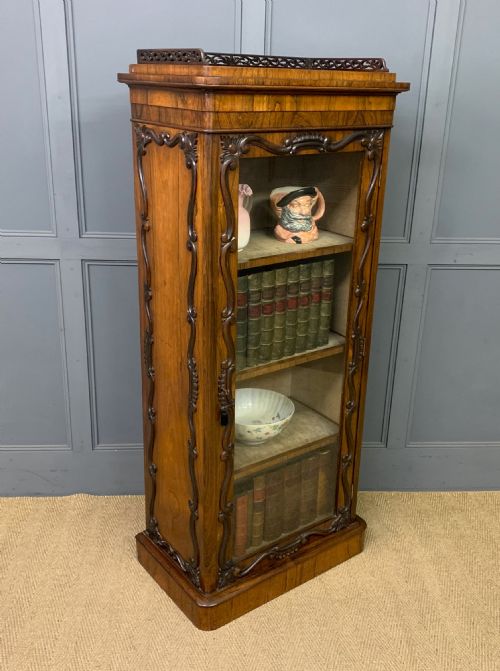
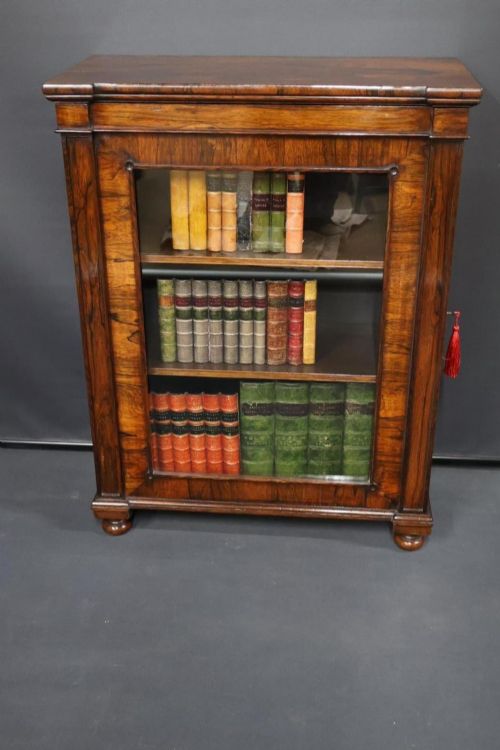
Most examples function as display cabinets or bookcases, often fitted with a single glazed door and interior shelving. Tall, narrow proportions define the core of the selection, accompanied by occasional side cabinets and two-door variants.
Origins stretch from English workshops to French makers influenced by Louis styles. Buyers meet pieces bearing classical Regency lines alongside later Victorian inlaid creations.
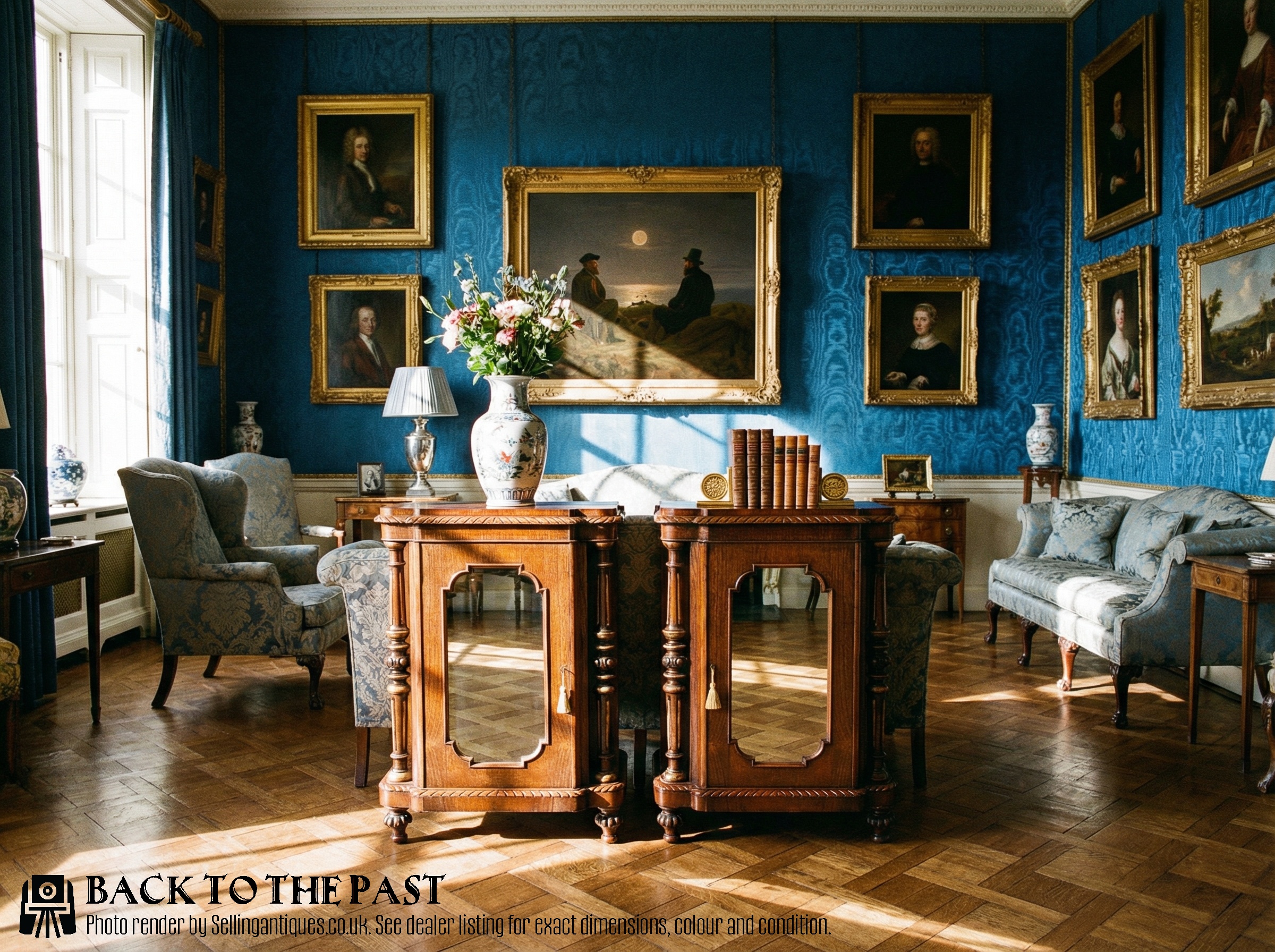
Materials and construction
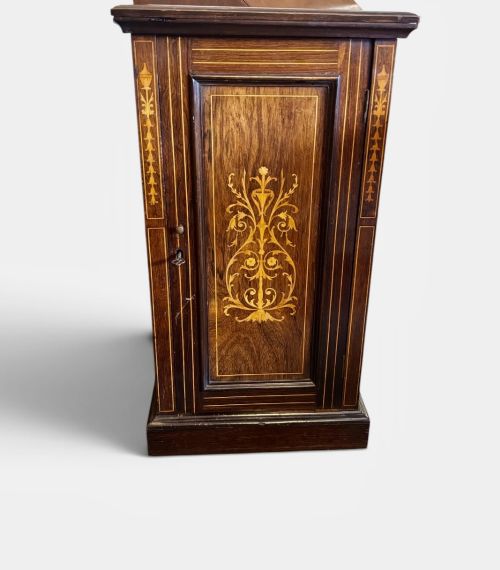
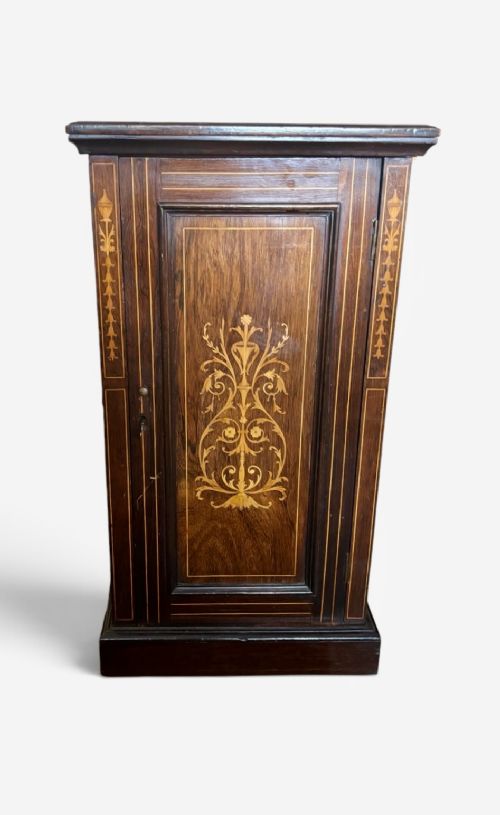
Makers built these cabinets using dense tropical rosewood veneers over firmer carcass timbers, frequently incorporating boxwood, satinwood, and ebony for intricate marquetry and stringing. The distinctive grain patterns of the primary timber dictate the visual weight of each piece.
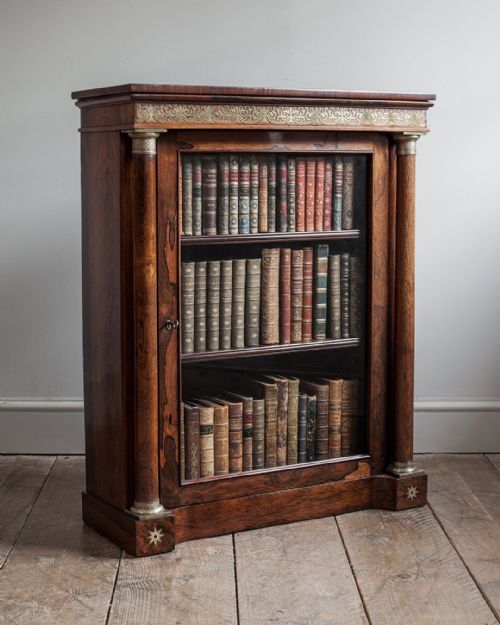
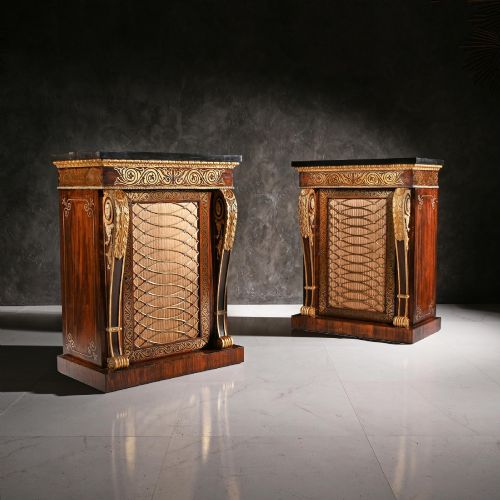
Brass inlay, or buhl work, and cast ormolu mounts add metallic contrast to the dark wood surface. Glazed doors protect the interior, while select pieces incorporate marble tops or fabric-backed panels behind brass grilles.
Rosewood Pier Cabinet Retail Price Guide 2026
Typical asking prices for rosewood pier cabinet among the pieces listed under this phrase on Sellingantiques today, from the lower quarter to the upper quarter. They describe what is for sale here now, not the wider market.
Listings span the nineteenth century, encompassing Regency, William IV, and Victorian periods with materials including rosewood, brass, ormolu, and marble.
Assessing quality in construction and detail
Quality rests on the crispness of the brass inlay and the precision of the cabinetmaker's joinery. Superior examples demonstrate seamless veneer matching and finely cast ormolu mounts that sit flush with the timber.
The sophistication of the secondary woods and the intricacy of the marquetry distinguish standard production from exceptional cabinet work. Original glass, functional locks, and well-executed internal shelving elevate a piece significantly.
Louis Constantin Le Gaigneur·James Winter
The Rosewood Pier Cabinet Glossary
- Pier cabinet
- A low or tall cabinet designed to stand against the narrow wall space between two windows. These items often feature glass doors to display porcelain and small objects.
- Ormolu
- Gilded bronze used for decorative mounts, feet, and capitals on nineteenth-century furniture. The technique involves applying a mercury and gold amalgam to cast bronze.
- Marquetry
- Decorative patterns formed by fitting together thin veneers of different coloured woods and materials. Craftsmen glue these assemblies onto the carcase to create pictorial or geometric designs.
- Chiffonier
- A low sideboard or cabinet developed during the Regency period, often equipped with shelves or a mirrored back. These pieces typically include enclosed lower cupboards with panelled or grille doors.
- Buhl
- The practice of inlaying brass and tortoiseshell into a dark wood ground, popularised in seventeenth-century France and revived during the nineteenth century. This technique requires meticulous hand-sawing of the materials together.
Rosewood Pier Cabinet: Frequently Asked Questions
What is a rosewood pier cabinet used for?
These cabinets served to display porcelain, books, and decorative objects in principal rooms. The narrow footprint allowed them to utilise awkward wall spaces between tall windows without obstructing light.
Interior shelving accommodated collections of small ornaments, while glazed doors protected delicate items from dust. Their presence added architectural finish and storage to formal nineteenth-century interiors.
How do I distinguish Regency from Victorian examples?
Regency cabinets often display cleaner classical proportions, geometric brass inlay, and rosewood matched for bold grain pattern. They date from the early nineteenth century and lean toward architectural restraint.
Victorian pieces, emerging from the mid-nineteenth century onward, frequently incorporate floral marquetry, satinwood stringing, and elaborate gilt bronze mounts. Revival styles dominate the later decades, showing French influence in curved lines and detailed inlay.
Are these cabinets suitable for modern homes?
The compact, upright proportions of these pieces make them practical for contemporary rooms where floor space is limited. They fit neatly into alcoves or narrow wall spaces.
Their enclosed shelving provides functional storage for books or collections while keeping dust away. The dark timber grain introduces warmth and historical texture to modern neutral interiors.
What woods besides rosewood appear on these cabinets?
Makers frequently combined rosewood with contrasting timbers for inlay and stringing. Boxwood, satinwood, and ebony supply the pale and dark tones required for geometric lines and floral motifs.
Carcase structures may conceal secondary timbers behind the primary veneer. Burr walnut also appears on specific Victorian variants within the decorative schemes.