


Rosewood Pedestal Wine Table
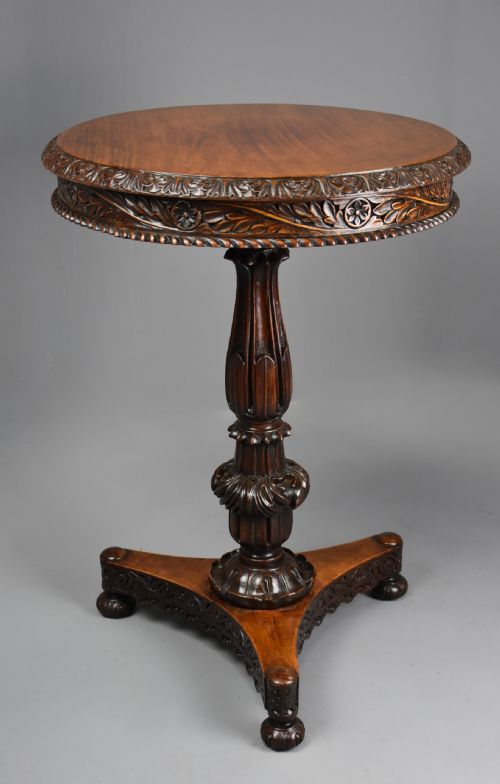
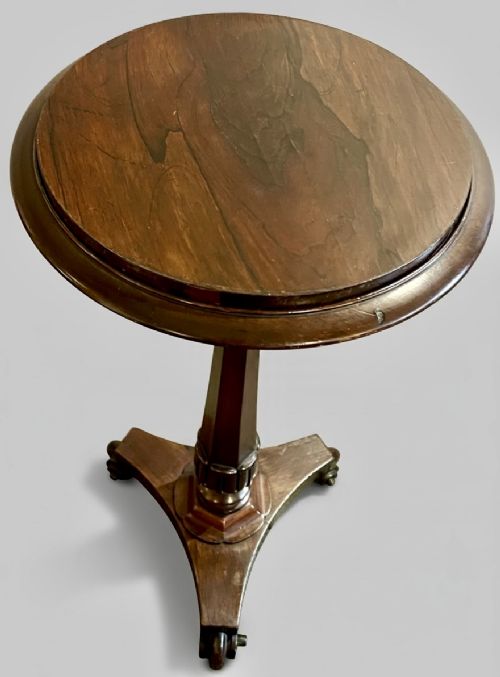
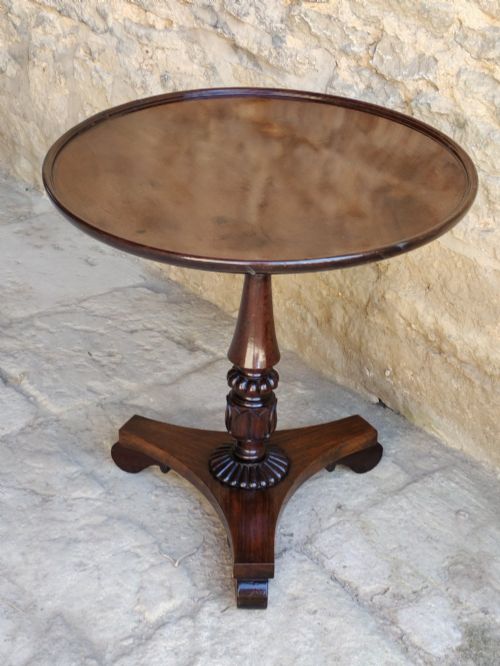
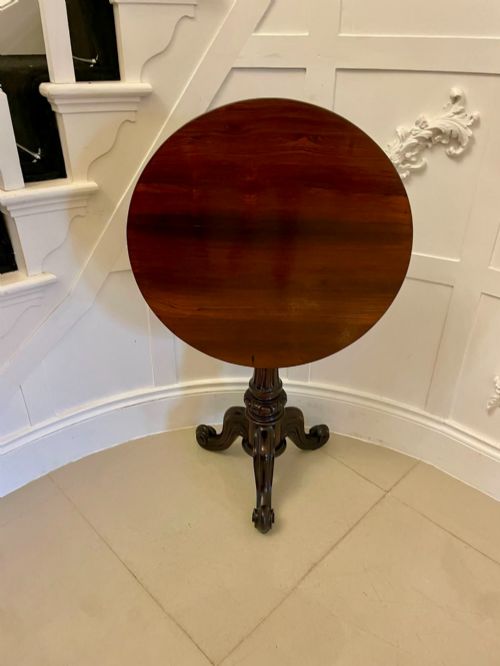
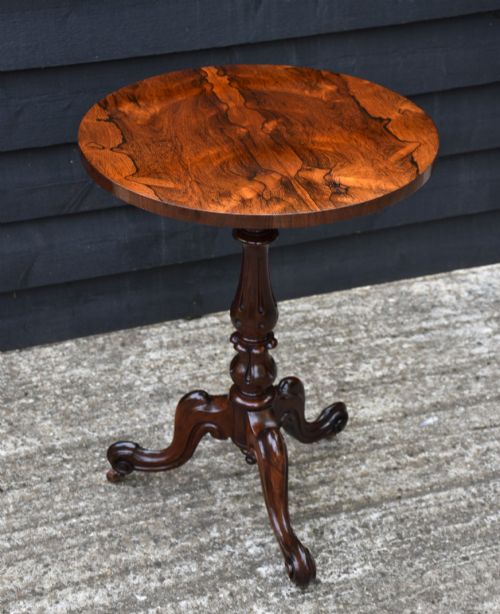
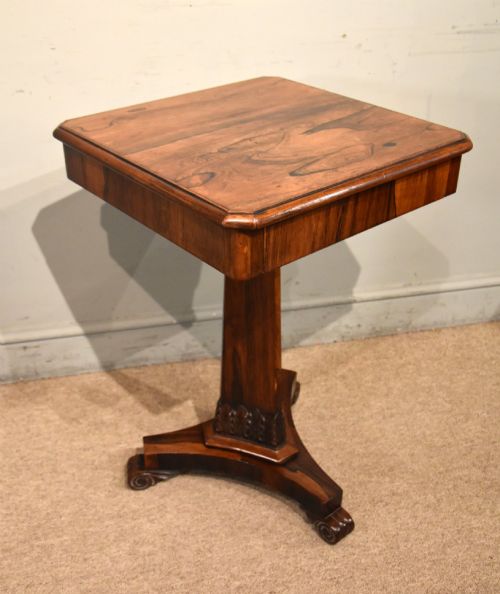
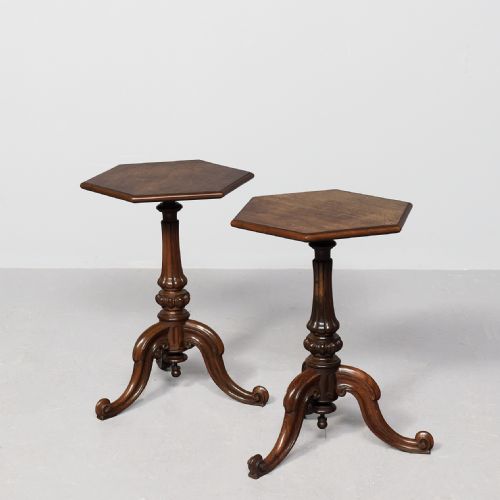
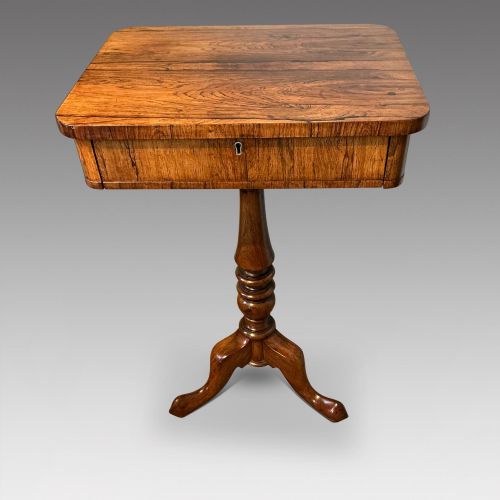
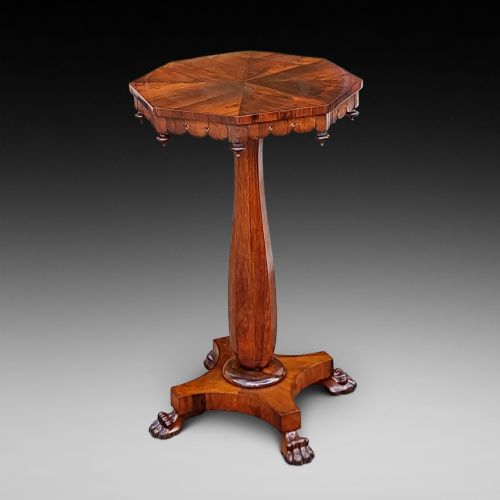
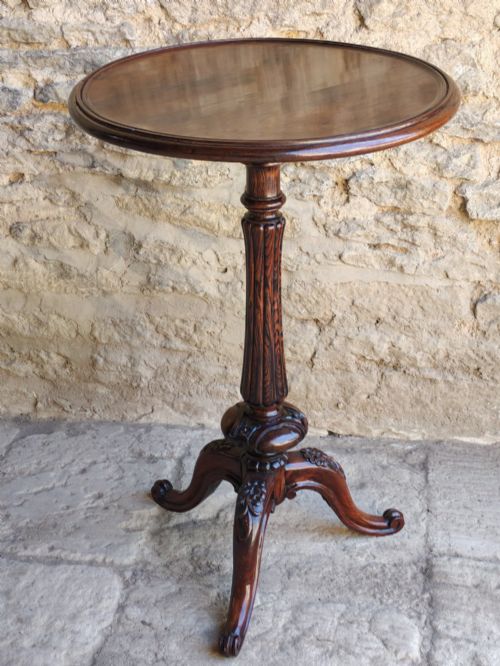
These rosewood pedestal wine table examples span Regency, William IV, and Victorian periods, offering compact circular tops and tripod supports for practical display.
Rosewood Pedestal Wine Table
A rosewood pedestal wine table brings together compact side surfaces and turned central supports designed for occasional use in period interiors. You encounter circular, square, and occasionally oblong tops resting on tripod or pillar bases across Georgian, Regency, William IV, and Victorian iterations.
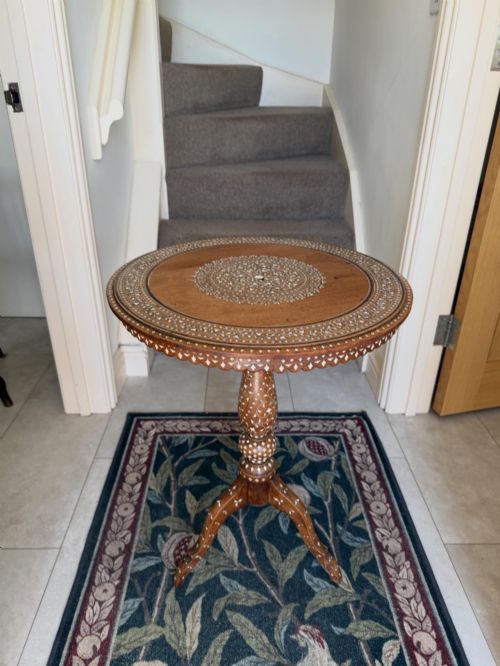
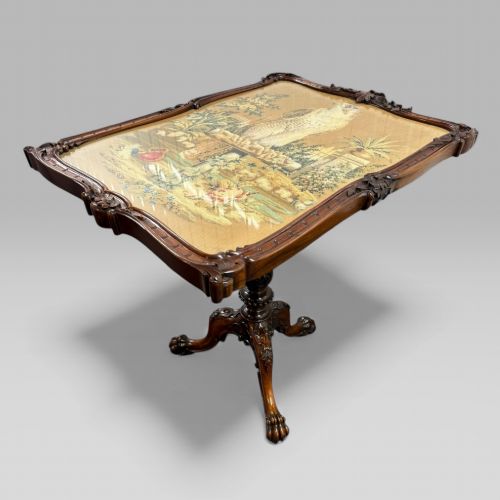
Makers adapted these forms to function variously as lamp tables, jardiniere stands, and tilt-top designs. The predominant versions on this page originate from nineteenth-century English and regional workshops, alongside occasional Far Eastern and Anglo-Indian variants.
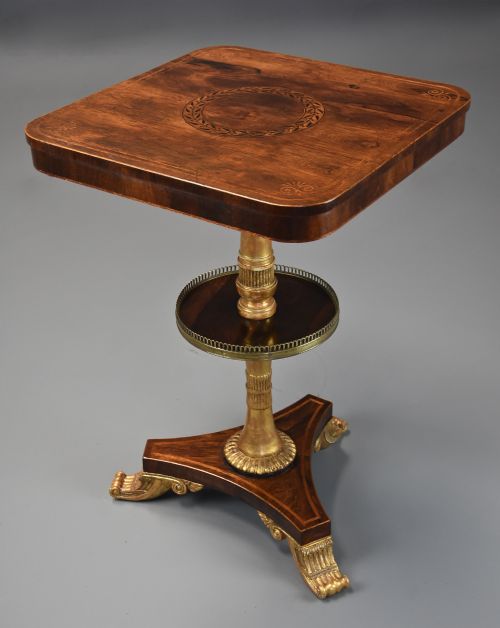
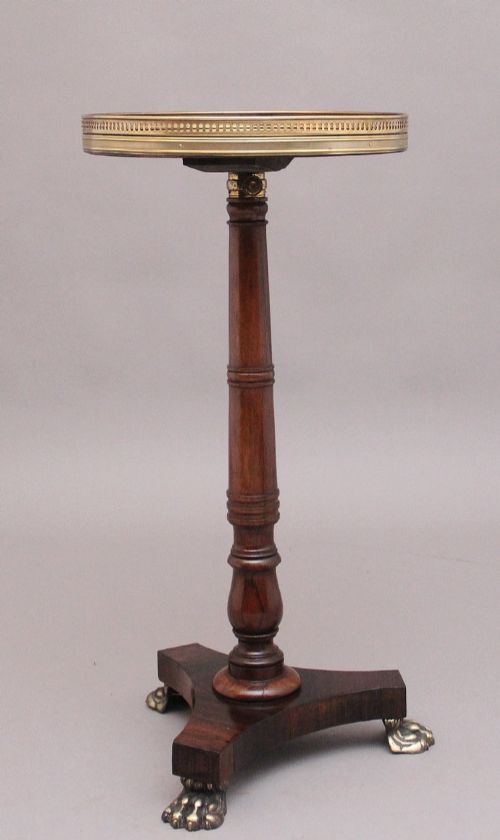
Structural variations range from simple tripod bases to telescopic mechanisms, barley twist columns, and two-tier configurations. Buyers select them for small spaces where a distinct timber grain and period silhouette add character.
Materials and construction methods
Makers utilised solid and veneered rosewood, frequently pairing the dense timber with secondary hardwoods like mahogany or walnut. Surfaces often display intricate marquetry, parquetry, specimen wood arrangements, and inset marble panels.
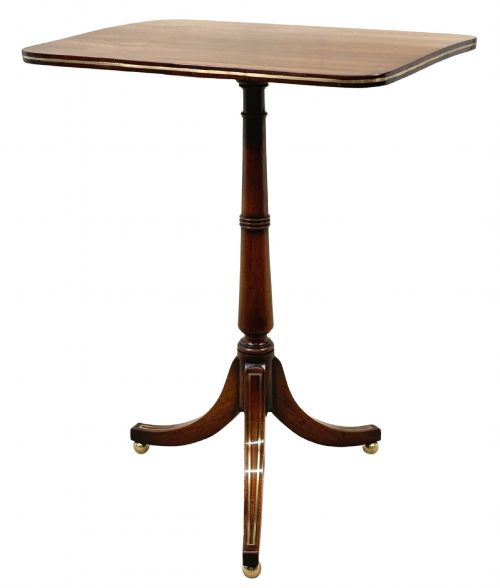
Brass inlay, known as brass stringing, appears across Regency examples to accentuate the circular or rectangular top edges and column mounts. Tripod bases employ pegged tenon joints and carved pillar configurations to ensure stability on the central column.
Rosewood Pedestal Wine Table Retail Price Guide 2026
Typical asking prices for rosewood pedestal wine table among the pieces listed under this phrase on Sellingantiques today, from the lower quarter to the upper quarter. They describe what is for sale here now, not the wider market.
Several tables double as fire screens, proving that nineteenth-century furniture appreciated a clever afternoon disguise.
Assessing quality in rosewood furniture
Quality rests on the selection of timber figure, the precision of brass or parquetry inlay, and the stability of the central pedestal. Better examples demonstrate crisp carving on tripod feet and tightly fitted tilt-top mechanisms without excessive play in the column.
The sophistication of the secondary woods, such as burr-elm or specialised specimen timbers, distinguishes standard production pieces from finer cabinet work. Original surface patination and intact structural joinery elevate the standing of an individual table.
Gillows
The Rosewood Pedestal Wine Table Glossary
- Rosewood
- A dense, dark timber valued for its distinct grain patterns and rich purple-brown colour. Cabinet makers utilised it extensively for high-status nineteenth-century occasional furniture.
- Tilt-top
- A tabletop hinged to the central pedestal so it can pivot vertically when not in use. This mechanism saved floor space in period domestic settings.
- Tripod base
- A support structure featuring three legs radiating from a central pillar. It provides stable floor contact on uneven historic floorboards.
- Parquetry
- Geometric patterns formed by small pieces of wood fitted together on a surface. Makers applied this technique to tabletops for decorative effect.
- Brass stringing
- Inlaid narrow lines of brass embedded into grooves on the timber surface. Regency pieces frequently incorporate this detail along table edges.
Rosewood Pedestal Wine Table: Frequently Asked Questions
What is a rosewood pedestal wine table used for?
These tables served primarily as small portable surfaces for holding glasses, bottles, or lamps in nineteenth-century reception rooms. Their compact footprints made them easy to reposition near seating areas as required.
Today, buyers use them as bedside stands, lamp tables, or decorative display surfaces for ceramics and small sculptures. Their modest proportions suit narrow hallways and intimate corners.
How do I identify a Regency period table?
Regency pieces typically display classical restraint, clean architectural lines, and occasional brass inlay or rosewood veneers. They date from the early nineteenth century during the Regency and reign of George IV.
Look for robust tripod bases, reeded columns, and precise brass stringing around the top edge. These design markers separate them from later Victorian interpretations.
How do I care for antique rosewood?
Antique rosewood requires protection from direct sunlight and extreme temperature fluctuations to prevent timber splitting or fading. Regular dusting with a soft, dry cloth maintains the surface.
Avoid placing damp items directly onto the polished wood to prevent water marks. Occasional applications of traditional wax help preserve the natural lustre of the timber.