
Rosewood Pedestal Side Table
A rosewood pedestal side table brings substantial timber and sculptural central support to a room, offering both surface utility and period presence.
Rosewood Pedestal Side Table
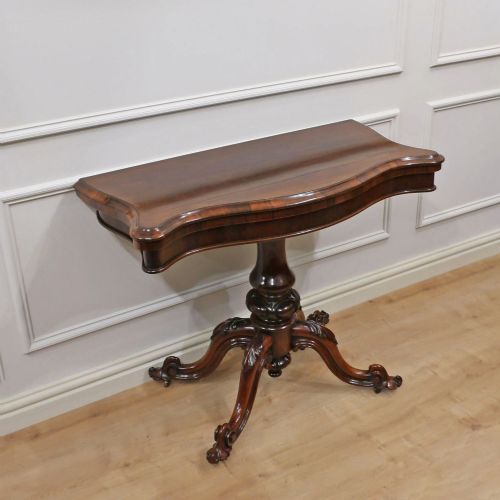
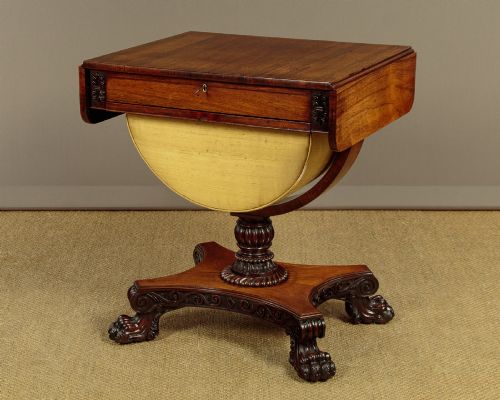
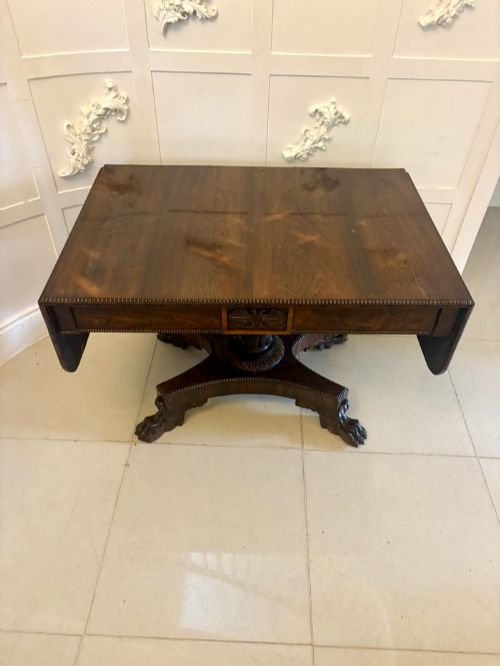
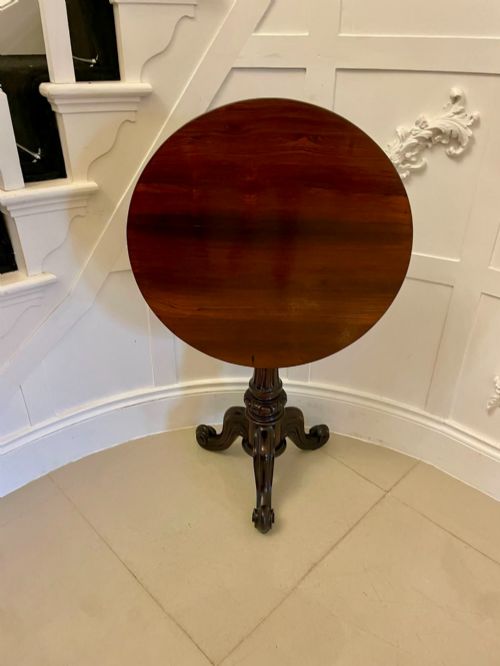
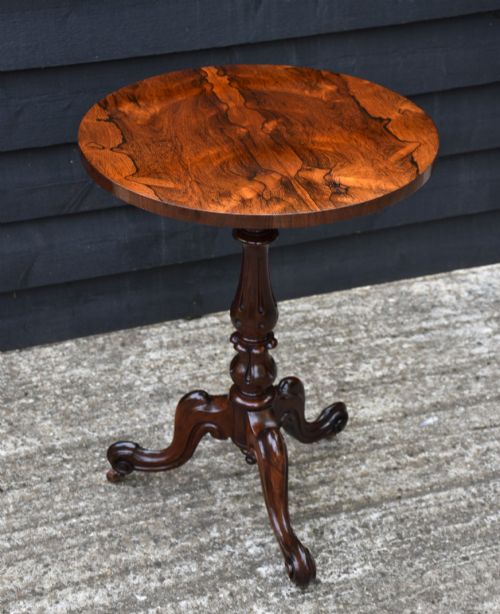
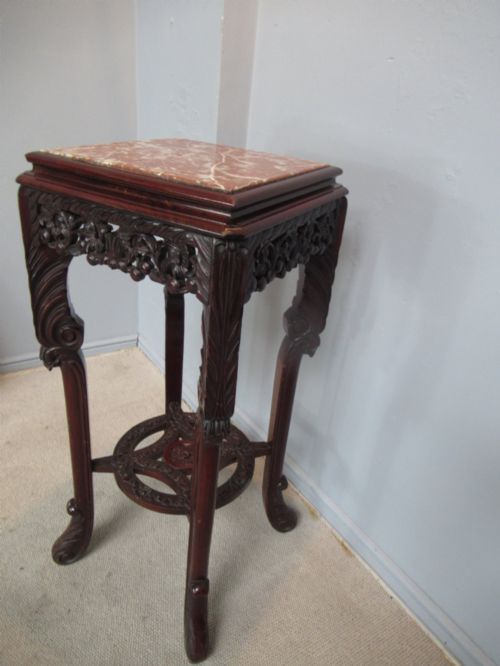
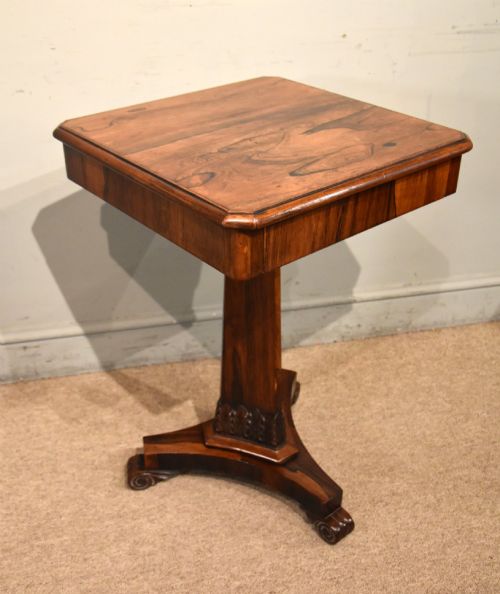
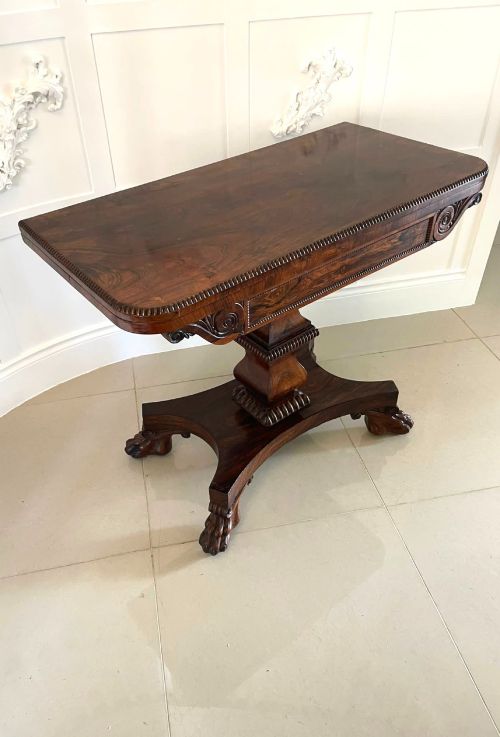
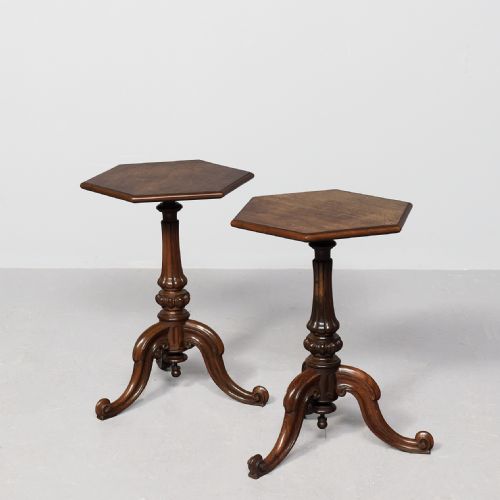
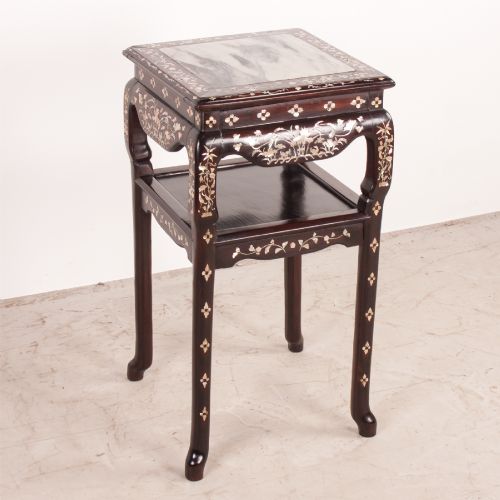
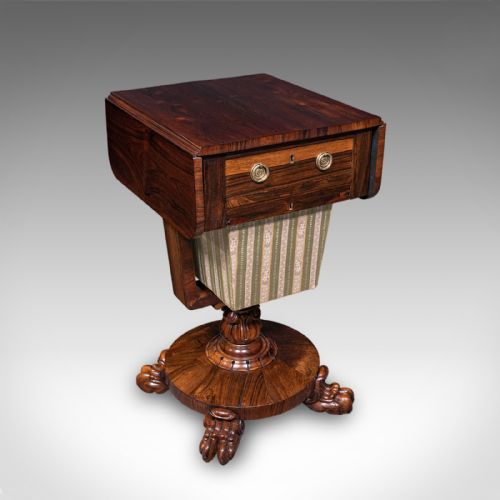
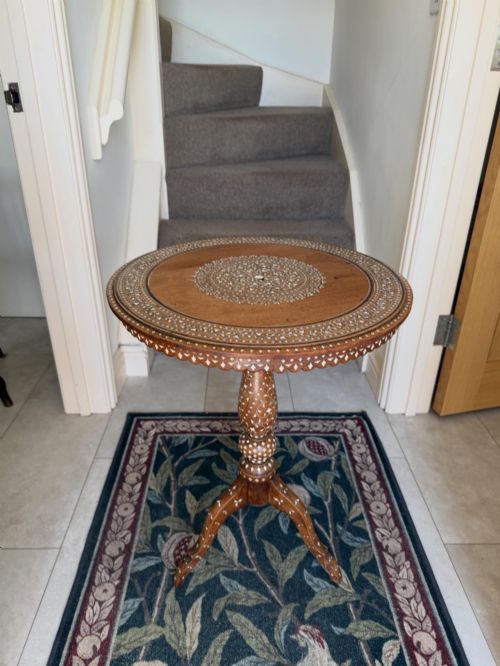
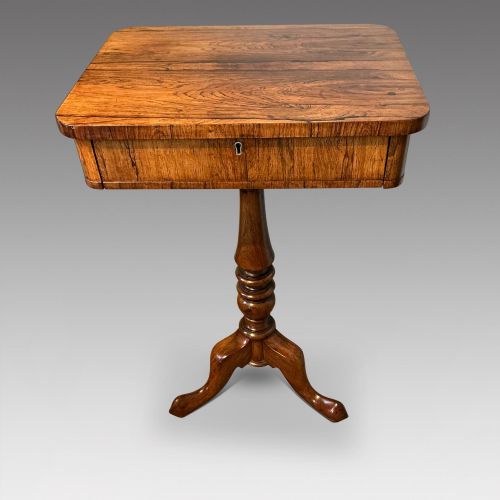
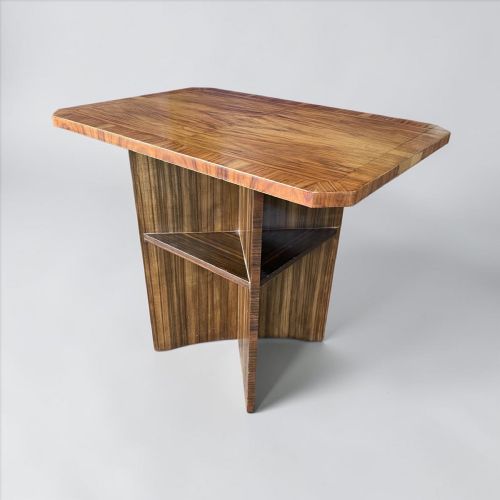
A rosewood pedestal side table sits centrally on a single pillar and base, varying from compact lamp stands to larger sofa and card tables. You will encounter many examples from the Regency, William IV, and Victorian periods, alongside Chinese export and Anglo-Indian variants.
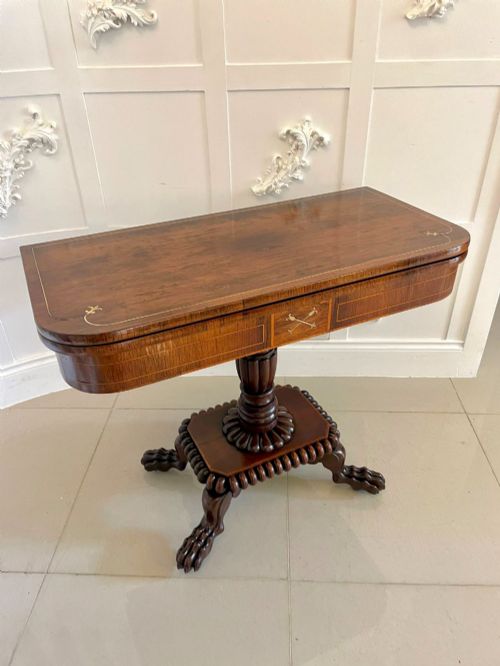
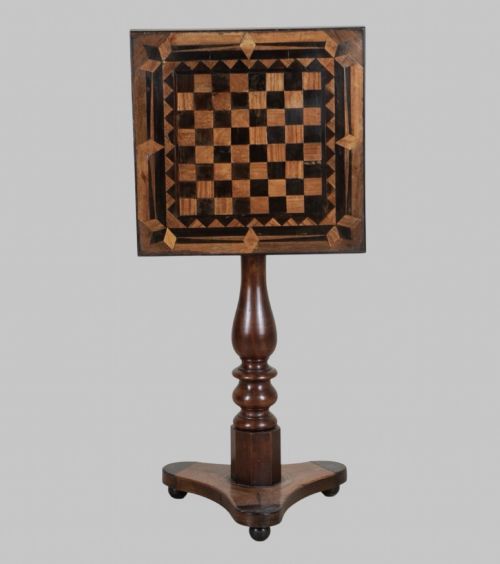
The form spans straightforward occasional tables, tilt-top tripod pieces, and multi-functional sewing or games tables equipped with flaps and compartments. These pieces functioned as versatile furniture for drawing rooms and parlours, designed to be moved or positioned beside seating.
Makers utilised dense tropical timbers to create sturdy structural forms that relied on central weight distribution rather than four corner legs. Surviving examples demonstrate how nineteenth-century cabinet makers adapted the pedestal format for domestic convenience.
How they were made
Craftsmen built these tables using dense rosewood veneers applied to stable secondary timbers, often supported by heavy turned pillars and platform or tripod bases. Workshops frequently incorporated brass inlay, carved details, and marble inserts to enhance the decorative surface.
Specialised techniques included tilt-top mechanisms, drop leaves with rule joints, and precise joinery to accommodate the movement of dense hardwoods. Interior compartments in sewing and work tables required meticulous miniature carpentry for trays and wells.
Listings feature extensive nineteenth-century examples spanning Regency, William IV, and Victorian periods, alongside Chinese export hardwood stands.
What varies in quality
The distinction between standard production and top-tier pieces rests on the selection of figured timber veneers, the crispness of hand-carved pedestal details, and the stability of the central pillar. Superior examples display seamless veneer matching across circular tops and robust, well-weighted bases that prevent tipping.
Construction methods also separate grades, as fine tables utilise solid brass mounts, precise brass stringing, and well-fitted internal mechanisms for drop leaves and tilt tops. Poorer examples rely on plain timber selections and simpler turning without the refined proportions seen in Regency and William IV pieces.
Gillows·George Bullock
The Rosewood Pedestal Side Table Glossary
- Pedestal
- A central vertical support holding the table top above a weighted base or feet. This form allows unobstructed seating room around the perimeter.
- Sofa table
- An elongated rectangular table traditionally placed in front of a sofa, featuring drop leaves and frequently fitted with drawers. These tables often stand on twin pedestals connected by a central stretcher.
- Teapoy
- A small cabinet or table designed to hold tea caddies, typically supported on a central pillar. They reflect the high status of tea consumption in nineteenth-century households.
- Tilt top
- A mechanism allowing the table top to pivot vertically for storage against a wall when not in use. This feature demonstrates clever hinge engineering.
- Brass stringing
- Thin lines of brass inlaid into grooves cut into the timber surface to create geometric borders. Regency makers favoured this technique to accent dark rosewood.
Rosewood Pedestal Side Table: Frequently Asked Questions
What rooms suit a rosewood pedestal side table?
These tables fit easily into sitting rooms, studies, and hallways where a compact surface is useful beside seating. Their central pillar design allows chairs to tuck in closely without hitting table legs.
They also function effectively as lamp stands or display surfaces for decorative objects, adding nineteenth-century character to traditional and modern interiors alike.
How do I identify a Regency period table?
Regency pieces often feature clean classical proportions, brass stringing, and architectural pillar supports inspired by ancient Greek and Roman designs. The timber grain on these earlier tables tends to exhibit rich, dark figuring.
Later Victorian versions frequently incorporate heavier carvings, platform bases with scroll feet, and more elaborate foliate motifs on the central pedestal.
Were these tables used for dining?
Most pedestal side tables were intended for occasional use, such as holding books, tea equipment, or lamps, rather than formal dining. Drop-leaf and card variants provided temporary extra surface space when entertaining guests.
Larger centre tables handled heavier tasks in entrance halls or libraries, while smaller tripod versions served specific domestic chores near parlour seating.
Why do some tables have tilt tops?
The tilt-top mechanism allowed large circular or rectangular tables to be stored flat against a wall to clear floor space when rooms were needed for other activities. This practical feature was especially common in smaller nineteenth-century parlours.
Craftsmen engineered the pivot and catch components to lock securely in the horizontal position during use.