





Rosewood Ottoman Footstool
A rosewood ottoman footstool brings warmth and sturdy elegance to a room, offering practical seating or a place to rest tired feet.
Rosewood Ottoman Footstool
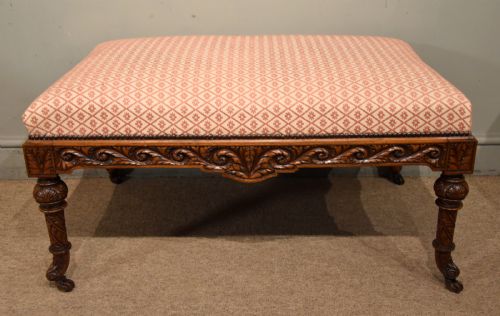
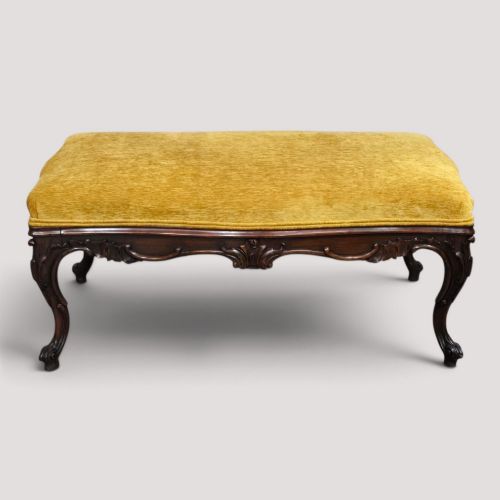
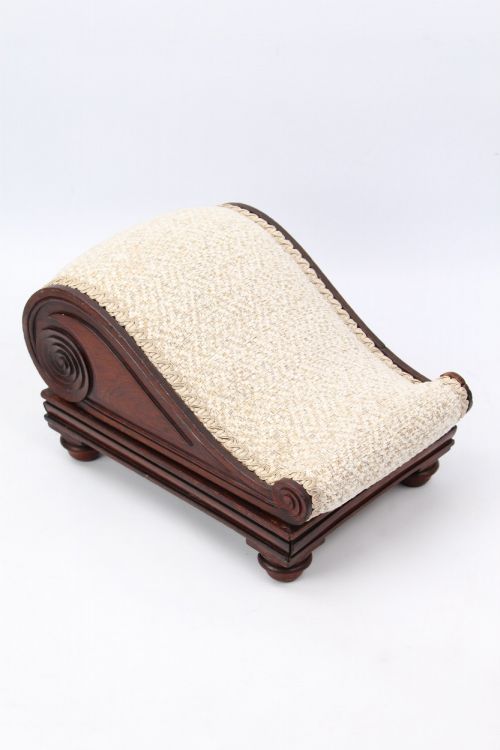
A rosewood ottoman footstool is a solid timber seat designed for domestic comfort, frequently appearing from the nineteenth century in various Victorian and Regency forms. Buyers seeking a rosewood ottoman footstool will encounter items ranging from low footstools to larger box seats and centre stools.
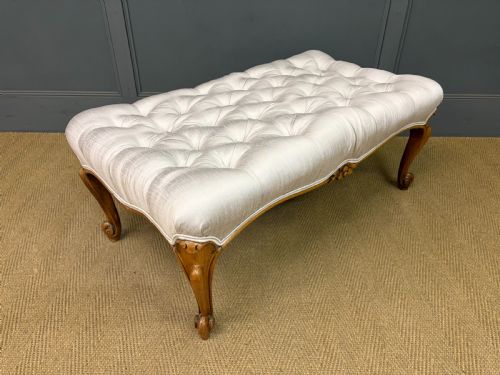
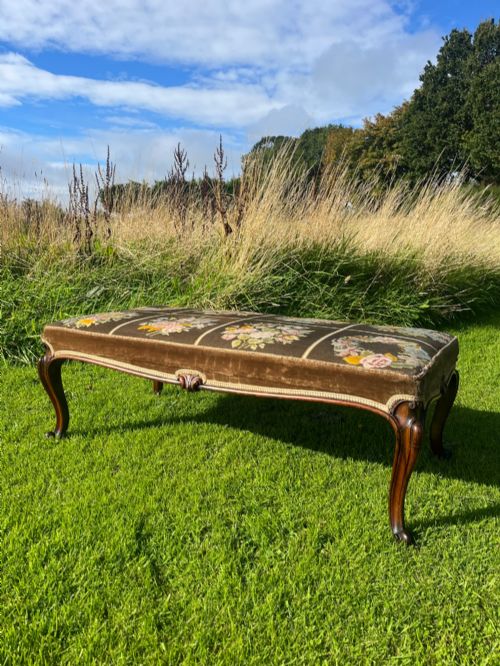
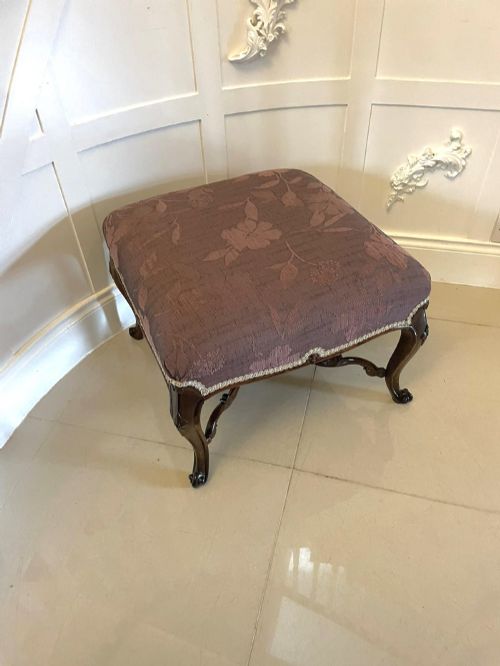
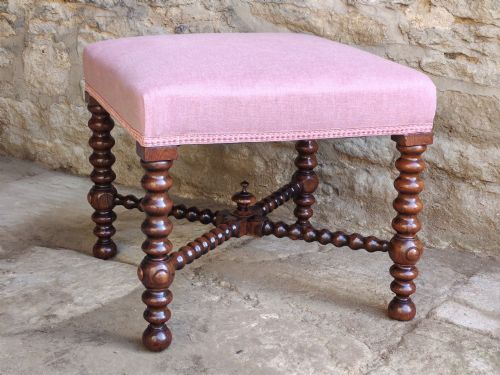
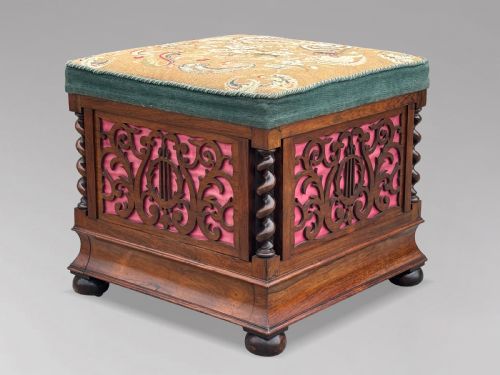
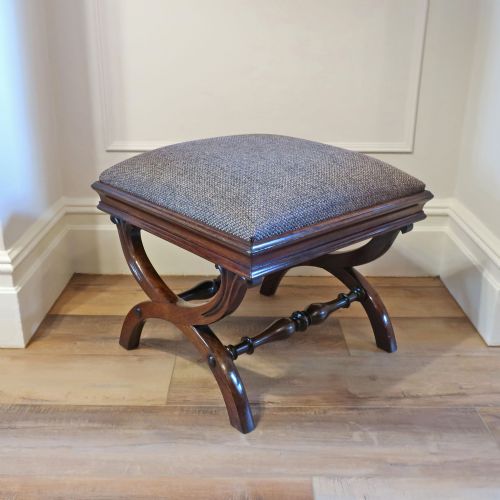
The selection includes rectangular, oval and X-framed examples, alongside specific variants like piano stools and Anglo-Indian designs. Most pieces rely on rich rosewood timber paired with upholstered tops in fabric, leather, velvet or tapestry.
How they were made
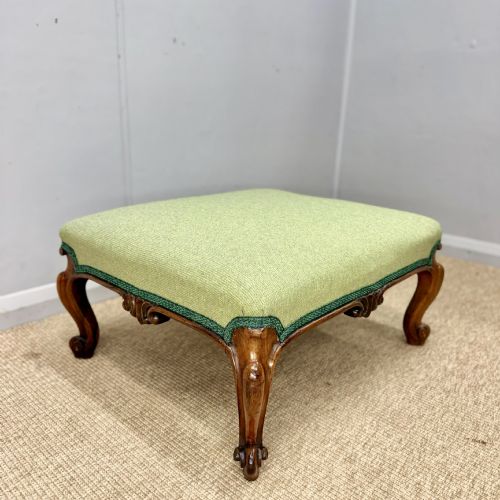
Cabinet makers utilised dense rosewood for the structural frames, often shaping the timber with carved details, cabriole legs or bobbin turnings. Brass hardware, including castors, frequently supported the feet of these sturdy items.
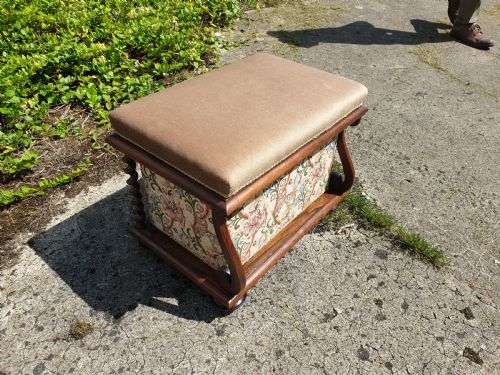
Upholstery techniques varied from buttoned finishes to floral trellis tapestry and plain leather. Many frames incorporated lift-out seats or box compartments for storage within the ottoman structure.
Rosewood Ottoman Footstool Retail Price Guide 2026
Typical asking prices for rosewood ottoman footstool among the pieces listed under this phrase on Sellingantiques today, from the lower quarter to the upper quarter. They describe what is for sale here now, not the wider market.
Listings feature nineteenth century periods including Regency, Georgian, and Victorian eras alongside Anglo-Indian designs.
What varies in quality
Quality rests upon the crispness of the timber carving and the architectural proportion of the frame, distinguishing standard production from exceptional pieces. The choice of dense grain figures in the rosewood and the integrity of the original joints set superior examples apart.
The refinement of auxiliary elements, such as turned legs, brass castors and the execution of structural joinery, dictates the standing of each individual stool within its period.
The Rosewood Ottoman Footstool Glossary
- Rosewood
- A dense, dark timber prized for its rich grain and durability in nineteenth-century furniture. It takes a fine polish and forms the primary material for these stools.
- Ottoman
- A low seat or upholstered footstool, frequently constructed with a hollow interior or lift-out lid for storage. These pieces combine utility with formal reception room design.
- Cabriole leg
- A furniture leg that curves outward and then tapers inward, mimicking an animal's limb. This form appears frequently on Victorian examples.
- X-framed
- A structural design where intersecting wooden members form an X shape to support the seat. This configuration provides notable stability and architectural interest.
Rosewood Ottoman Footstool: Frequently Asked Questions
How do I date a rosewood stool?
Dating relies on stylistic clues such as cabriole legs for Victorian pieces or cleaner classical lines for Regency examples. Timber characteristics and construction methods also help place the piece within the nineteenth century.
Cabinet-making techniques evolved over this period, shifting from Georgian influences through to ornate Victorian Rococo Revival styles. Comparing the turning and joinery against documented periods clarifies the likely decade of manufacture.
What is the difference between a footstool and an ottoman?
A footstool generally serves strictly for resting feet, whereas an ottoman often incorporates a larger surface and occasionally a box compartment. Both forms utilise rosewood frames and upholstered tops.
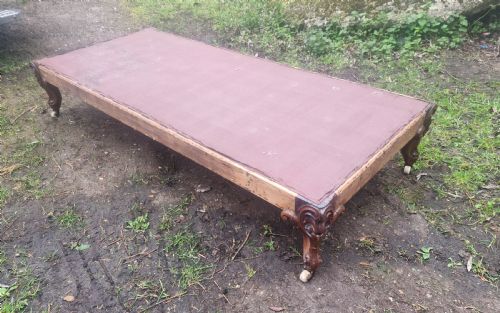
Dimensions and internal storage capacity distinguish the two types in nineteenth-century homes. Larger rectangular variants often function as centre stools or low ottomans rather than simple footrests.
Are these stools suitable for daily use?
Nineteenth-century rosewood stools feature robust timber frames built to withstand regular domestic service. Many survive in solid structural condition suitable for contemporary living spaces.
While the timber frames endure well, textile elements such as velvet, leather or tapestry may require reupholstering. Modern buyers often refresh the top upholstery while retaining the historic wooden base.
What styles of rosewood stools are available?
Available styles span Regency, George IV, Victorian and Anglo-Indian designs, reflecting changing aesthetic preferences across the nineteenth century. Variations include carved cabriole legs, bobbin turnings and X-shaped frames.
Some pieces display elaborate Victorian Rococo Revival carving, while others exhibit the restrained symmetry of earlier Regency work. Regional interpretations like Anglo-Indian pieces introduce distinctive carving motifs.