



Rosewood Nightstand Table
A rosewood nightstand table brings rich, dark grain and refined proportion to a bedroom, functioning as a practical bedside surface with historical character.
Rosewood Nightstand Table
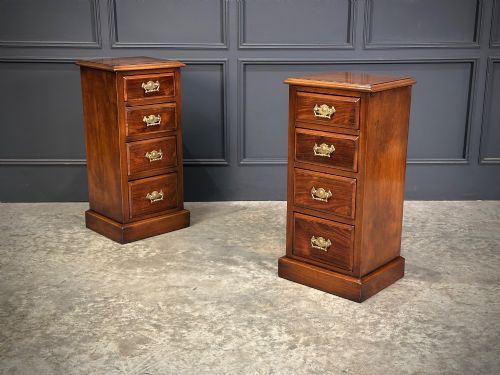
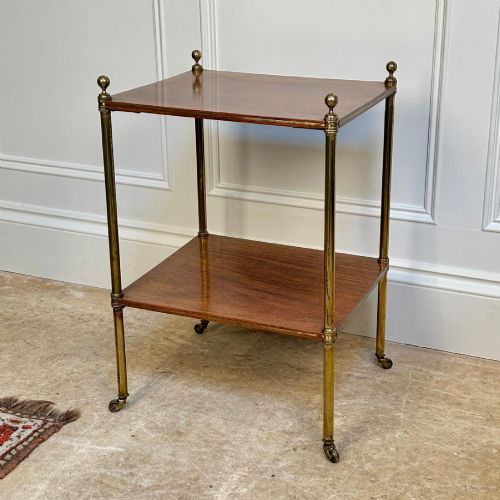
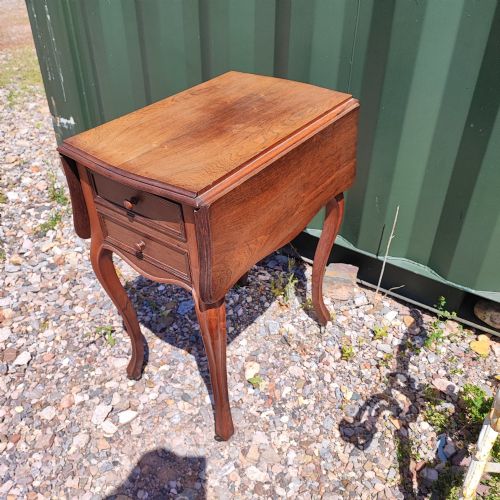
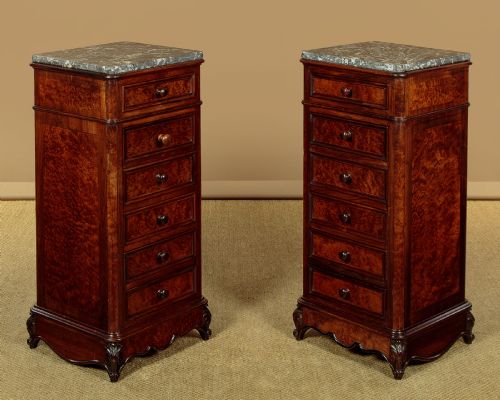
A rosewood nightstand table covers a diverse array of bedside and occasional forms designed to sit beside a bed or chair. When searching for this phrase, buyers encounter pieces spanning the nineteenth century through the art deco era, including compact cabinets, drop leaf tables, and tiered etageres.
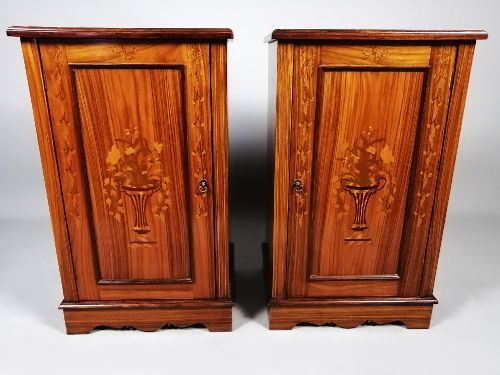
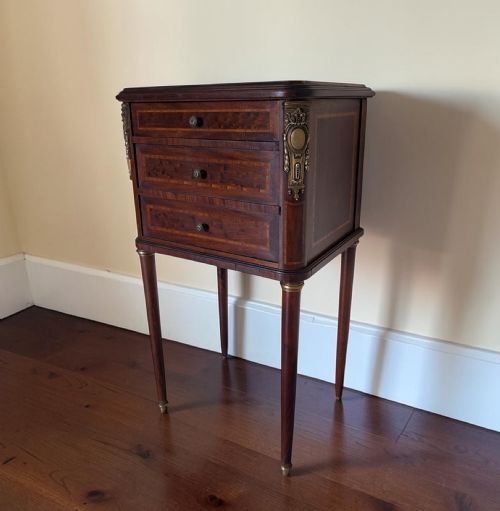
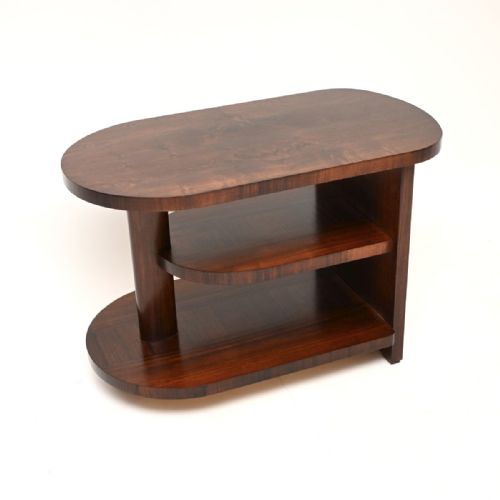
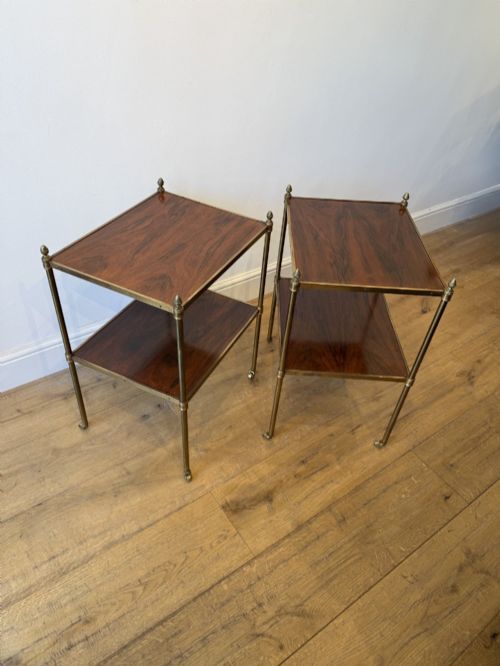
The selections on this page lean heavily towards nineteenth century Victorian and Regency designs, alongside Edwardian and 1930s Art Deco interpretations. Cabinets with enclosed storage and small lamp tables dominate the forms, often appearing as matched pairs suited for flanking a bed.
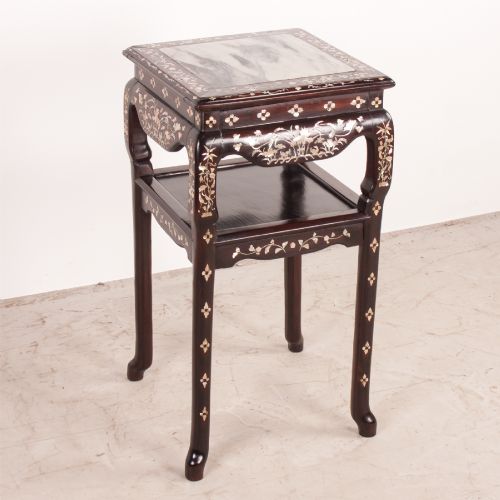
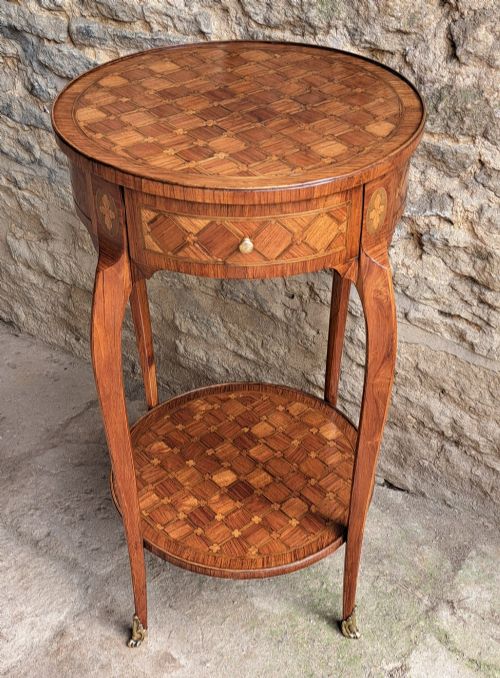
Origins vary from English workshops to French ateliers influenced by Louis XV and Louis XVI styles, bringing distinct decorative vocabularies to the category. Buyers find everything from simple drop leaf work tables to elaborate marble topped commodes and marquetry inlaid pedestals.
Materials and construction methods
Makers utilised dense tropical timbers, employing rosewood as a primary surface or veneer alongside mahogany, kingwood, and satinwood. Secondary woods provide structural stability inside drawers and carcases while exotic veneers create geometric patterns and floral motifs.
Decorative enhancements rely on brass mounts, ormolu details, and intricate wood inlay including marquetry and mother of pearl. Marble tops appear on French style pieces, offering a durable and cool surface that contrasts with polished timber bodies.
Joinery techniques reflect the period of origin, from Regency turnery and Pembroke drop leaf hinges to Victorian dovetailing and Edwardian framing. Surface finishes depend on traditional polish methods that accentuate the deep reddish-brown tones and dark grain patterns of the wood.
Materials appearing across these tables include brass, kingwood, marble, mahogany, satinwood, and ormolu alongside rosewood.
Distinctions in craftsmanship and design
The tier of quality rests on the precision of the timber selection and the execution of surface decoration. Finer examples display continuous grain matching across drawer fronts and crisp, detailed marquetry rather than mechanical prints or simple transfers.
Structural integrity and the retention of original hardware separate superior pieces from heavily altered ones. Original brass handles, intact marble slabs, and smooth drawer action indicate a higher standard of original manufacture and careful preservation.
Design ambition dictates the upper end of the range, where distinct stylistic attribution, balanced proportions, and sophisticated French or English cabinet-making traditions elevate a utilitarian bedside piece into a notable decorative object.
Mallett·Collinson & Lock
The Rosewood Nightstand Table Glossary
- Marquetry
- Decorative patterns formed by fitting together small pieces of wood veneer, often creating floral or geometric designs across tabletops and door fronts.
- Etagere
- A set of open shelves supported by columns or pillars, used for displaying small objects or serving as a tiered occasional table.
- Pembroke table
- A small table with hinged drop leaves on two opposing sides, frequently fitted with one or two small drawers.
- Ormolu
- Gilded bronze ornamentation applied to furniture, popular in French revival and nineteenth-century luxury cabinet making.
- Simulated rosewood
- Common softwood or hardwood painted or stained to imitate the dark grain and rich colour of genuine rosewood.
Rosewood Nightstand Table: Frequently Asked Questions
What defines a rosewood nightstand table?
These pieces encompass small bedside cabinets, lamp tables, and occasional furniture made from or veneered in rosewood. They serve as functional bedroom surfaces that provide storage or display space.
Designs range from austere Regency forms to ornate Victorian marquetry and French revival styles with marble tops. Their compact footprints allow them to fit easily beside various bed heights.
How do I care for rosewood furniture?
Protect rosewood surfaces from direct sunlight to prevent the deep reddish-brown timber from fading over time. Keep them away from radiators or damp environments to avoid splitting the delicate veneers.
Dust regularly with a dry cloth and occasionally apply a suitable wax polish to maintain the sheen. Avoid placing unProtected wet glasses or hot items directly on the polished wood.
Are these tables usually found in pairs?
Many bedside cabinets and small tables survive as matched pairs, particularly those made for grander Victorian and Edwardian bedrooms. Sourcing a pair allows for symmetrical placement on either side of a bed.
Single pieces also appear frequently, functioning successfully as standalone lamp tables or occasional surfaces in living spaces. The listings include both individual items and balanced sets.
How can I tell the period of a table?
Dating relies on combining the overall style, construction methods, and timber choices recorded in the design. Regency pieces often feature simpler classical lines, while Victorian examples lean towards heavier proportions and floral marquetry.
Later Edwardian and Art Deco pieces introduce lighter framing or geometric maple and rosewood combinations. Examining drawer linings and interior hardware provides further clues to the decade of manufacture.