




Rosewood Hall Console Table
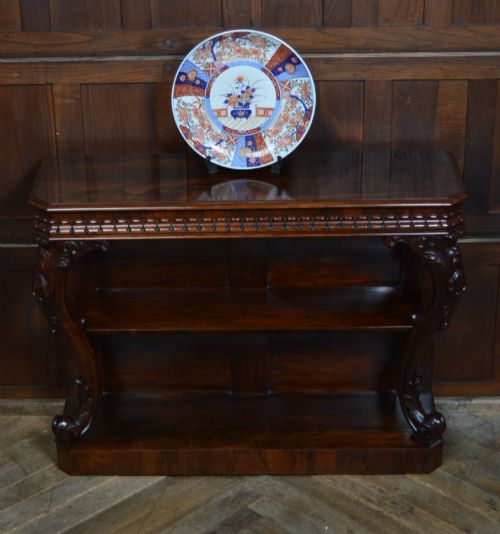
These rosewood hall console table examples combine figured timbers with marble and brass, serving as striking focal points in reception spaces.
Rosewood Hall Console Table
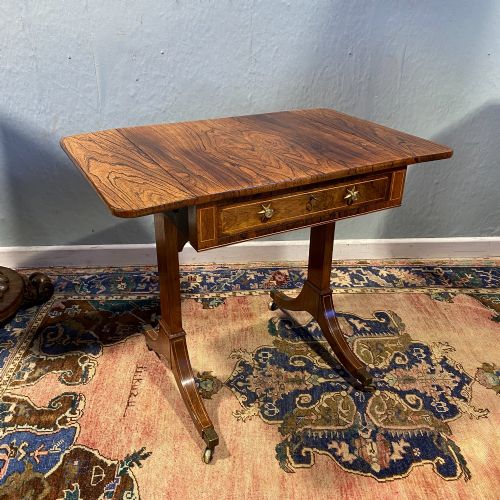
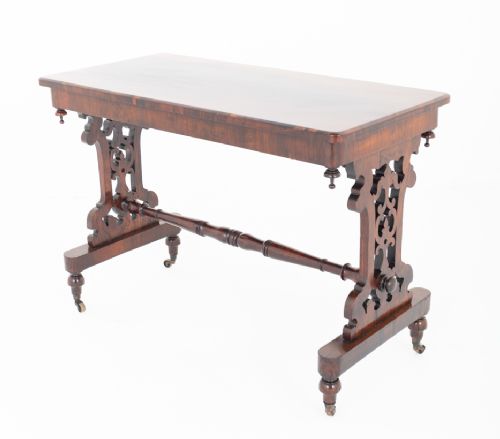
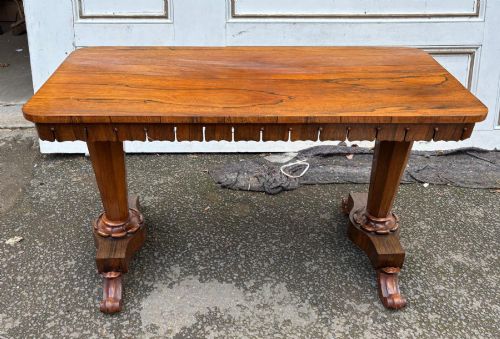
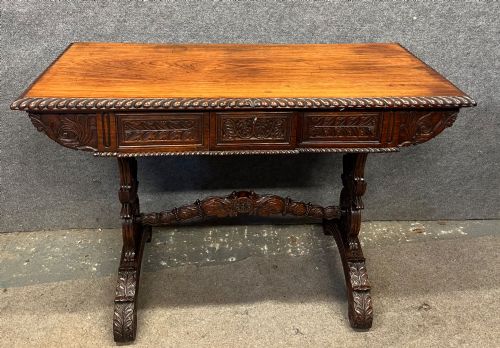
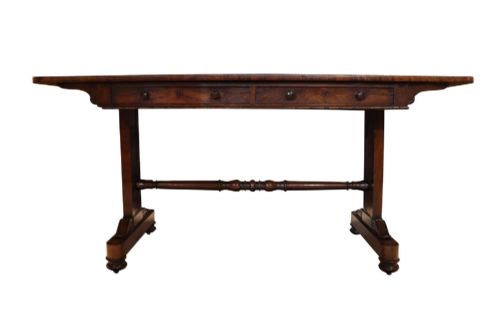
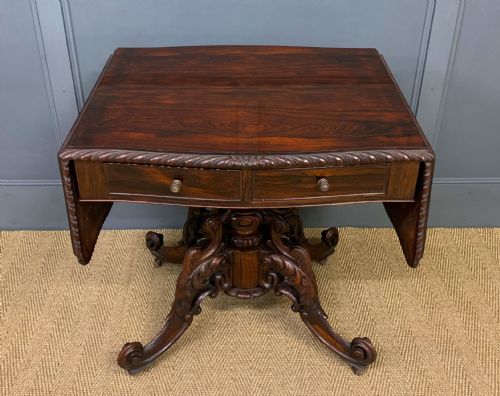
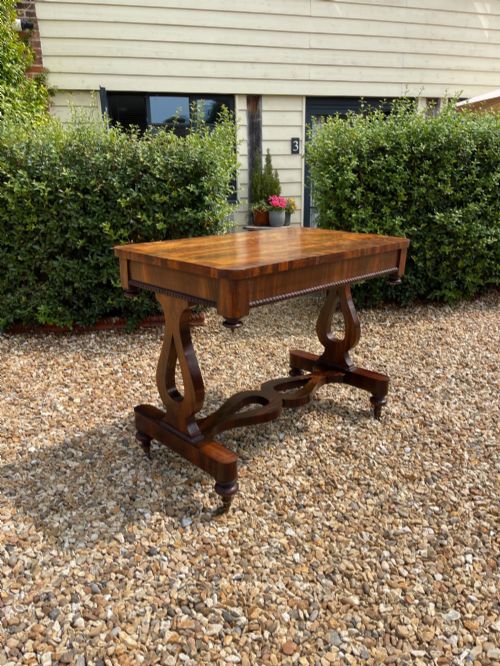
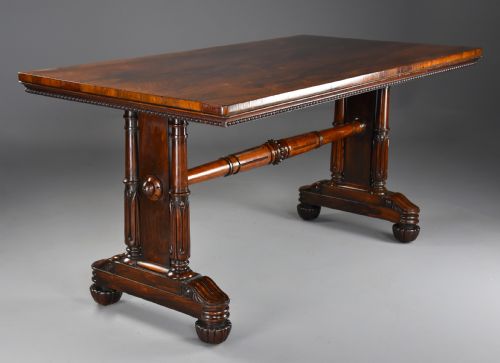
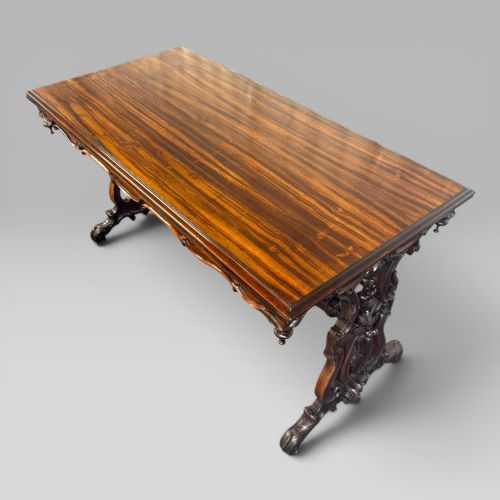
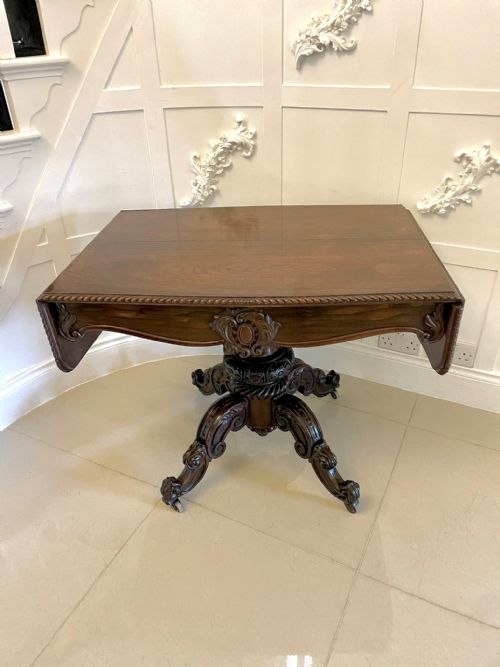
A rosewood hall console table spans periods from the Regency era through the Victorian epoch, drawing on diverse stylistic influences including William IV, Anglo-Indian, and traditional Chinese forms. The selection encompasses dedicated console and pier tables alongside related sofa tables, library tables, and altar tables adapted for similar placement.
Most pieces meet the criteria of nineteenth-century craftsmanship, shifting between formal Regency lines, ornate Victorian carving, and specific regional workshops. Buyers encounter architectural mirror-back designs alongside marble-topped and drawer-fitted varieties designed for grand entranceways and reception rooms.
Materials and Construction
Makers utilised dense rosewood timbers, frequently enhanced by crossbanding in mahogany, zebrawood, or boxwood, and finished with parcel-gilding or marquetry inlay. Structural integrity relied on hardwood framing beneath decorative veneers.
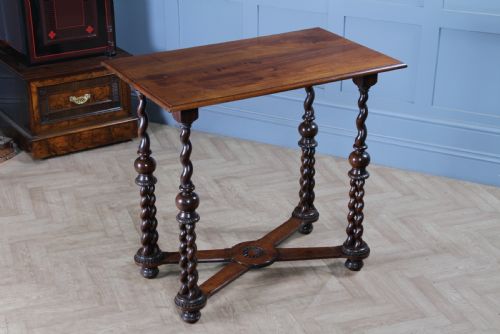
High-end examples incorporate inset figured marble tops, cast brass mounts, and mirror-glass backs. Turning techniques produced intricate elements such as triple barley twist supports and concave legs.
Rosewood Hall Console Table Retail Price Guide 2026
Typical asking prices for rosewood hall console table among the pieces listed under this phrase on Sellingantiques today, from the lower quarter to the upper quarter. They describe what is for sale here now, not the wider market.
Listings feature rosewood, marble, brass, and mahogany across nineteenth-century Regency and Victorian periods.
Assessing Quality and Execution
Superior examples display exceptional figure in the rosewood timber grain and precise execution of brass inlay or parcel-gilding. The integration of high-grade materials like solid marble tops and original mirror glass elevates a piece significantly.
Attribution to documented makers or workshops, alongside refined carving on supports and stretchers, separates standard utility furniture from pieces of superior design and craftsmanship.
Robert Strahan·James Mein Kelso·Shoolbred And Co·Thonet
The Rosewood Hall Console Table Glossary
- Console table
- A table designed to stand against a wall, frequently secured to it with brackets or resting on front legs. These forms suit narrow entrance halls and reception spaces.
- Marble top
- A polished stone surface fitted to the upper section of a table. This feature provides a cool, durable surface resistant to heavy use.
- Parcel-gilt
- Partially gilded with gold leaf or powder to highlight specific carved details or mouldings. This technique adds subtle contrast against dark rosewood.
- Crossbanding
- A border veneer applied around the edges of a table top with the grain running perpendicular to the centre panel. This method frames the primary timber.
- Pier table
- A specialised console table designed specifically to fit against the wall space between two windows, frequently paired with a matching wall mirror above.
Rosewood Hall Console Table: Frequently Asked Questions
Where should I place a console table?
These tables fit naturally in entrance halls, corridors, and reception rooms where floor space is limited. Their shallow depth allows them to sit flush against a wall without obstructing walkways.
They function effectively beneath wall mirrors or artwork, providing a surface for lighting and decorative objects.
How do I care for rosewood furniture?
Protect rosewood surfaces from direct sunlight and excessive heat fluctuations to prevent timber splitting and fading. Dust regularly with a dry, soft cloth.
Avoid silicone-based polishes and moisture, applying traditional wax sparingly only when the timber appears dry.
How do I identify a Regency piece?
Regency pieces often feature classical architectural motifs, brass inlay, and restrained proportions dating from the early nineteenth century. Look for sabre legs, brass mounts, and rich rosewood veneers.
Construction methods of this period typically employ secondary hardwoods hidden beneath the primary show wood.
What is the difference between a console and a sofa table?
Console tables are built to stand permanently against a wall, frequently featuring flat backs and decorative fronts. Sofa tables traditionally stand free in a room, often featuring drop leaves on two opposing sides.
Sofa tables were originally designed to be pulled up toward the back of a sofa for writing or dining.