



Rosewood Glazed Cupboard
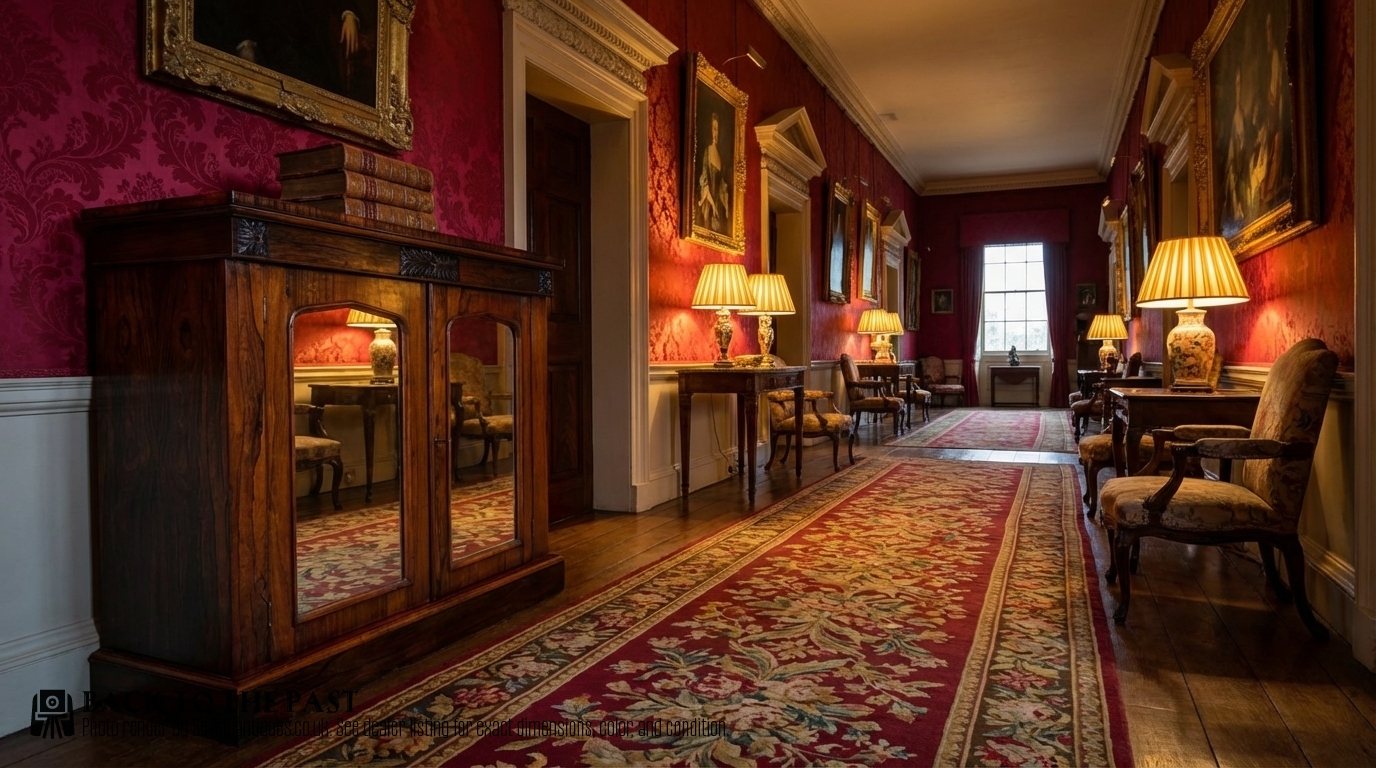
A rosewood glazed cupboard brings deep timber grain and clear glass together, offering a refined way to display treasured possessions.
Rosewood Glazed Cupboard
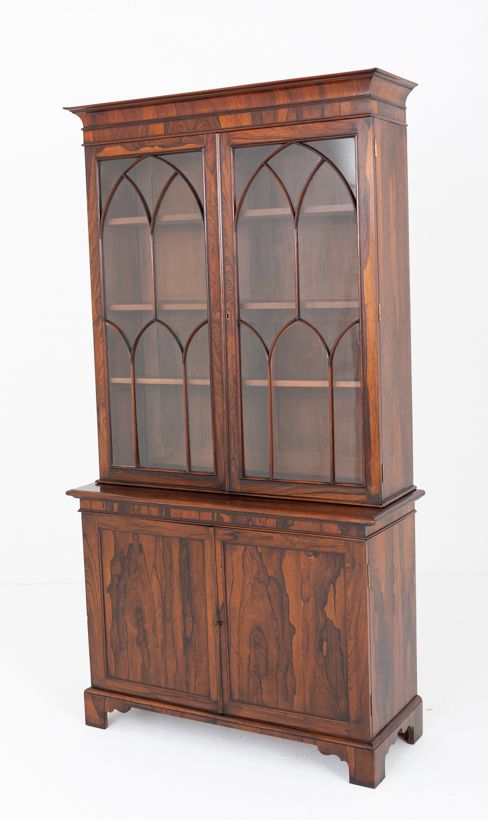
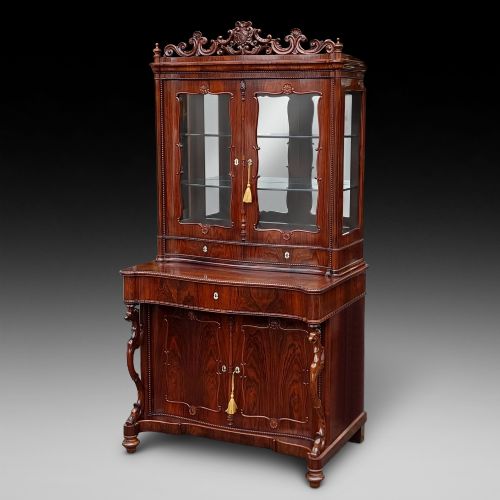
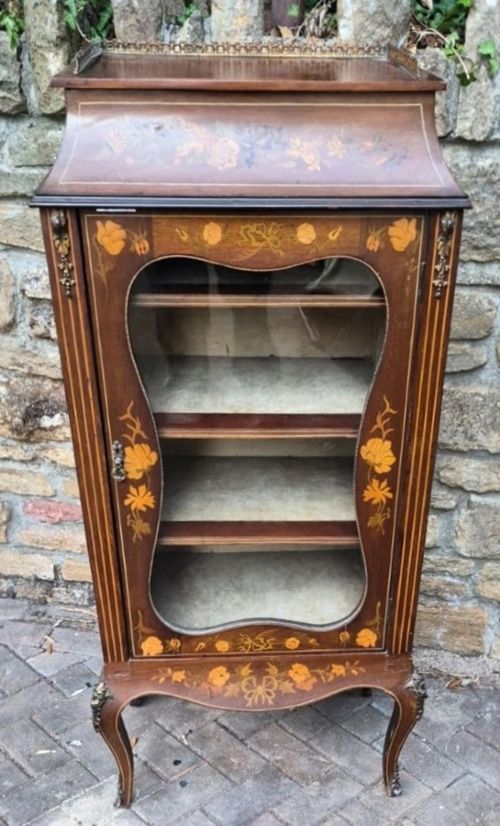
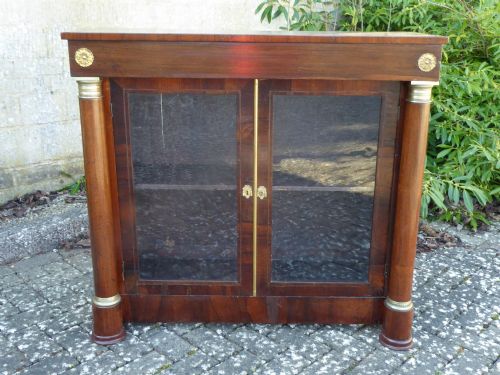
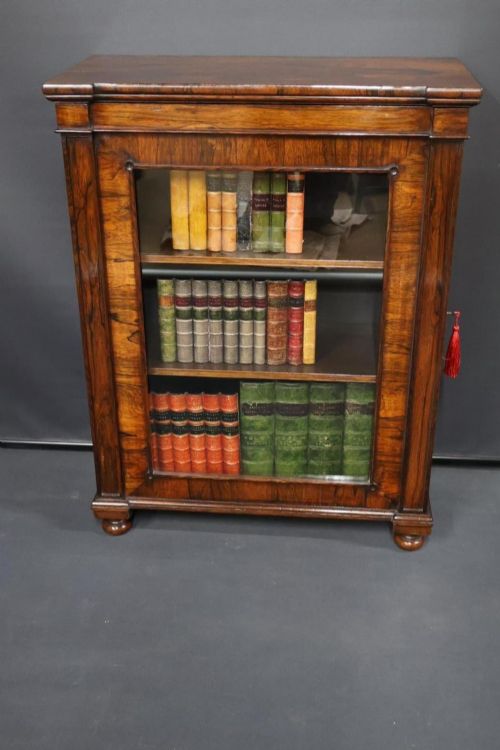
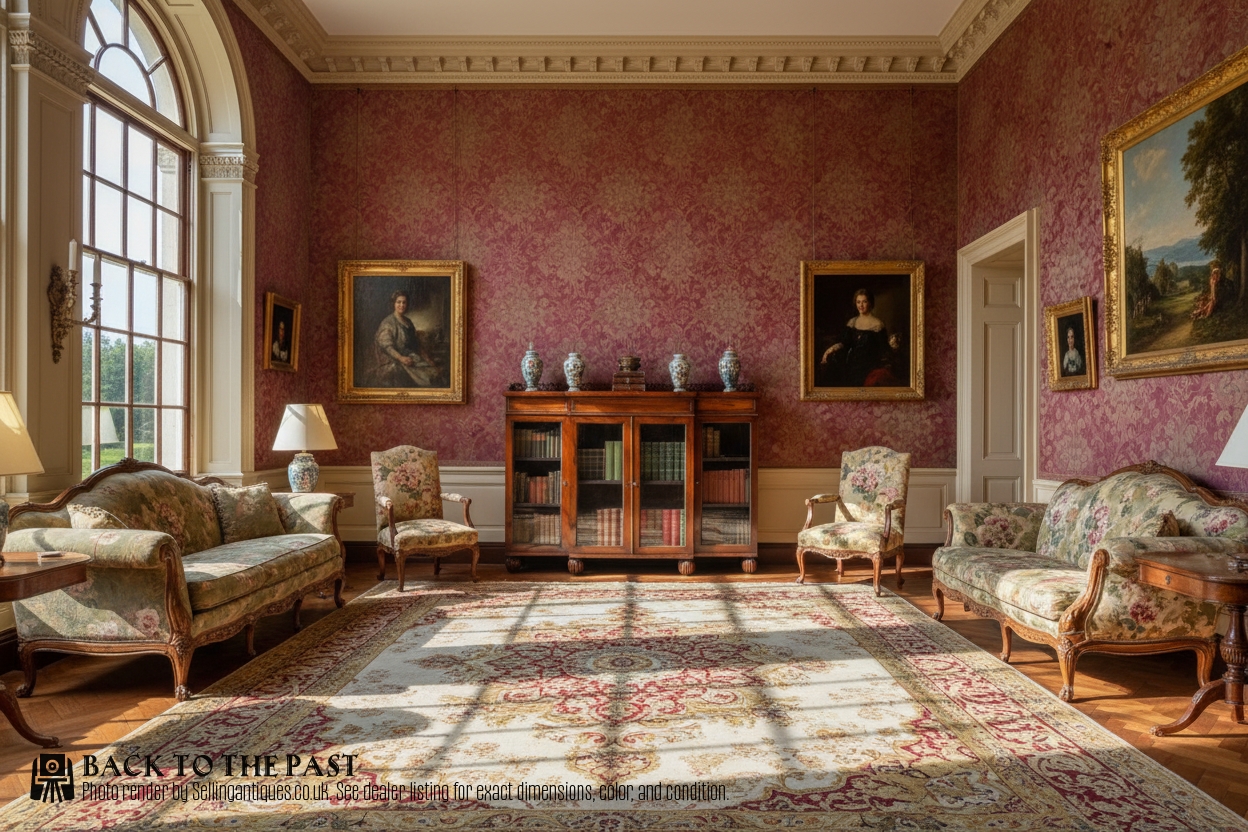
When you search for a rosewood glazed cupboard, you encounter a refined group of furniture designed to protect and display books, ceramics, and ornaments behind glass doors. These pieces span the Regency, Victorian, and Edwardian periods, taking forms that range from compact pier cabinets and hanging corner units to grand breakfront side cabinets and bookcases.
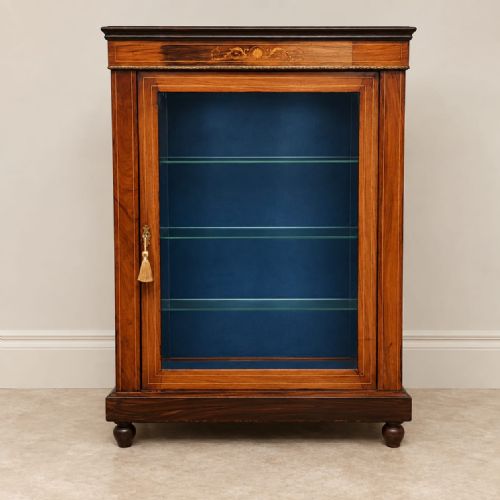
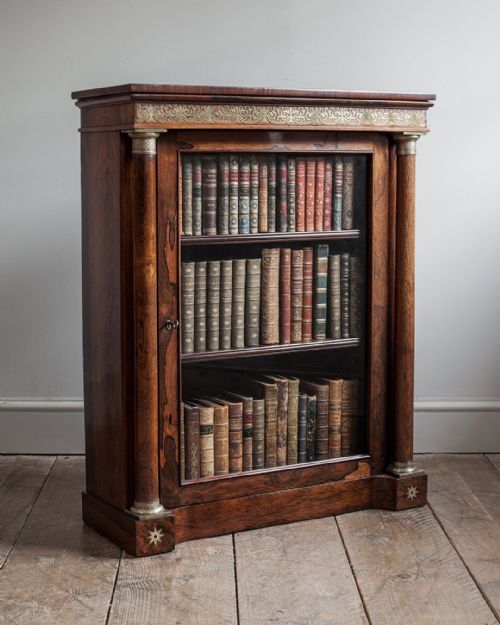
The version you are most likely to meet on this page is the Victorian pier cabinet or display cabinet, often featuring glazed doors and delicate stringing. Alongside these sit Regency bookcases and Edwardian inlaid music cabinets, demonstrating how cabinet-makers adapted the timber across the nineteenth century.
Makers and workshops utilised rich tropical hardwoods to create functional storage for the home, incorporating shelves and mirrored backs. Whether standing upon a plinth or hanging upon a wall, each piece balances display space with enclosed storage.
Materials and construction
Makers built these cabinets using dense rosewood veneers laid over secondary timbers, frequently contrasting the dark grain with lighter satinwood, boxwood, and mahogany inlay. Brass mounts, glazing bars, and mirror glass appear regularly across the pieces, providing structural detailing and reflecting light through the display compartments.
Joiners employed traditional framing and panel techniques to house the glass securely within the doors, accommodating the seasonal movement of solid timber and veneer. Intricate marquetry and stringing were applied by hand to the exterior surfaces, particularly on pieces from the later nineteenth and early twentieth centuries.
Listings feature rosewood glazed cupboards spanning the Regency, Victorian, and Edwardian eras, utilising glass, brass, satinwood, and mahogany.
Assessing quality and finish
The distinction between ordinary and exceptional examples rests upon the selection of the timber grain and the precision of the marquetry. Superior cabinets display book-matched rosewood veneers and finely executed boxwood or satinwood inlay that remains crisp and flush with the surface.
Construction details such as the weight of the brass fittings, the clarity of the original glass, and the neatness of the internal shelving separate standard utility items from pieces commissioned from notable workshops. Original finish and undisturbed patination elevate an example above one that has undergone heavy modern restoration.
Edwards & Roberts·Sigmund Jaray
The Rosewood Glazed Cupboard Glossary
- Pier cabinet
- A low cabinet designed specifically to fit against the wall space between windows, known as a pier. These units frequently feature glazed doors and velvet-lined interiors.
- Marquetry
- Decorative patterns formed by fitting together small pieces of veneer into timber surfaces. This technique creates floral or geometric motifs using contrasting woods like satinwood and boxwood.
- Breakfront
- A cabinet design where the central section projects forward from the flanking outer sections. This architectural arrangement creates depth and visual rhythm across larger side cabinets.
- Credenza
- A sideboard or low storage cabinet originating in Italy, popular in Victorian interiors for display and serving. These pieces often incorporate glazed central doors flanked by curved side compartments.
- Stringing
- Thin inlay lines of contrasting wood used to edge panels and drawers. It defines the structural outlines of the cabinet facade.
- Biedermeier
- A Central European style spanning the early to mid nineteenth century characterised by utilitarian comfort and clean lines. It often showcases the natural grain of rosewood without excessive carving.
Rosewood Glazed Cupboard: Frequently Asked Questions
How do I clean rosewood furniture?
Dust the surfaces regularly with a soft, dry cloth to prevent dirt accumulation. Avoid using modern silicone sprays or abrasive household cleaners that can damage the antique polish.
Apply a traditional beeswax sparingly when the timber appears dry, buffing it gently to maintain the natural sheen of the grain.
Where should I place a glazed cabinet?
Position your cabinet away from direct sunlight and strong heat sources such as radiators. Rosewood veneers are sensitive to ultraviolet light and extreme temperature fluctuations, which can cause fading or splitting.
Ensure the floor is level so the doors hang true and latch correctly without straining the glass or hinges.
How do I tell Regency from Victorian cabinets?
Regency pieces dating from the early nineteenth century generally favour clean architectural lines, brass grille doors, and understated classical proportions. The timber grain speaks for itself without heavy surface decoration.
Victorian and later pieces often incorporate richer marquetry inlay, curved glass, and more elaborate crestings, reflecting changing tastes towards decorative revivalism.
Were these cabinets always used for books?
While many house books, a significant portion served as display cabinets for ceramics, glassware, and decorative ornaments. Specialised versions were also built to store sheet music or early records.
The inclusion of glass doors and adjustable shelving allowed owners to showcase collections while protecting them from dust.