




Rosewood Flip Top Table
A rosewood flip top table is a versatile piece of nineteenth-century furniture that folds to save space and opens for tea or games.
Rosewood Flip Top Table
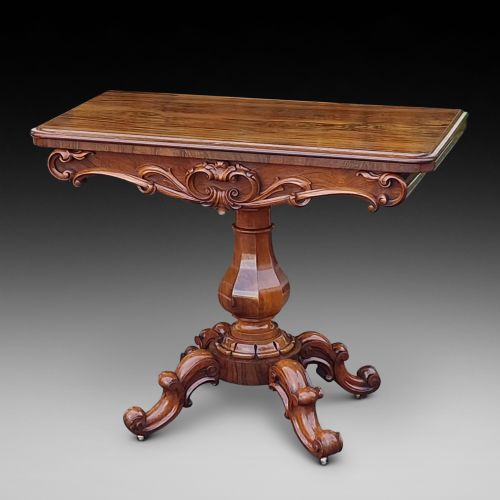
A rosewood flip top table combines practical folding mechanisms with rich timber surfaces, appearing primarily in Regency, William IV, and Victorian iterations. These items function as card tables, tea tables, and games tables, adapting easily to different rooms.
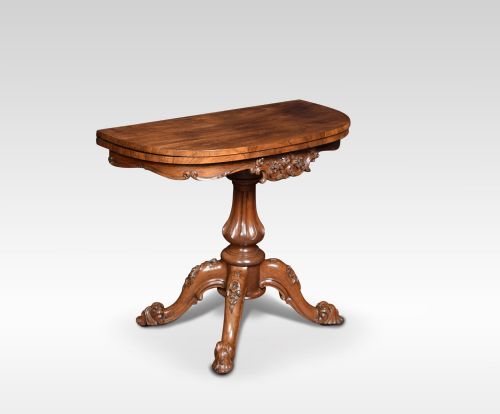
The pieces on this page span the nineteenth century, including specific dates such as eighteen-sixty and eighteen-seventy alongside broader Regency and Victorian period styles. Demi-lune tea tables and fold-over card tables dominate the forms currently available.
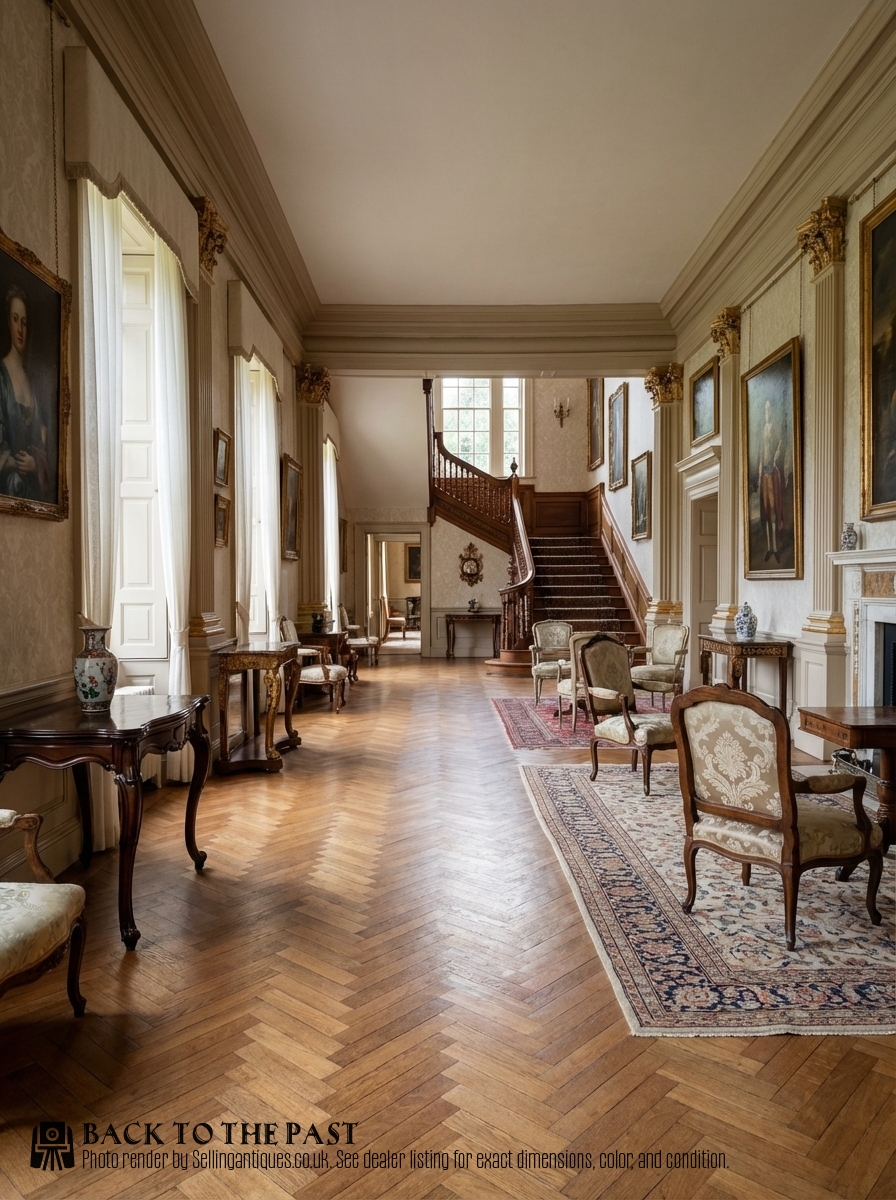
Materials and construction
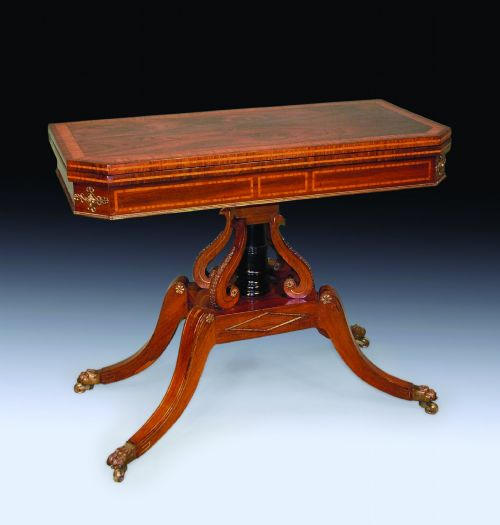
Cabinet makers utilised dense rosewood for its deep colour and distinct grain pattern, frequently pairing the primary timber with contrasting boxwood and brass inlay. These decorative elements highlight the geometric and classical motifs favoured during the Regency and Victorian eras.
Joinery methods focused on creating stable hinged tops that swivel and fold securely, supporting the weight of the timber leaf when open. The underframes often incorporate pedestals or pillar supports mounted on platforms with feet.
Rosewood Flip Top Table Retail Price Guide 2026
Typical asking prices for rosewood flip top table among the pieces listed under this phrase on Sellingantiques today, from the lower quarter to the upper quarter. They describe what is for sale here now, not the wider market.
Listings for this phrase feature nineteenth-century items exclusively, spanning Regency, William IV, and Victorian styles.
Assessing quality
The distinction between standard examples and superior pieces rests on the precision of the wood inlay and the crispness of brass detailing. Finer tables exhibit careful selection of rosewood veneers, ensuring grain patterns match harmoniously across the fold-over top.
Structural integrity of the pivoting mechanism and the stability of the pedestal base also define the upper tier of the range. Tables that retain their original hinges and timber patination command greater appreciation among collectors.

The Rosewood Flip Top Table Glossary
- Rosewood
- A dense, heavily grained timber prized for its dark reddish-brown colour and contrasting black streaks. It forms the primary visible surface of these tables.
- Demi-lune
- A half-moon shape characteristic of tables designed to sit flat against a wall when folded. This configuration saves floor space in smaller rooms.
- Boxwood
- A pale, hard wood used traditionally for contrasting stringing and inlay work. It provides sharp visual definition against darker rosewood surfaces.
- Fold over
- A hinged table top design that doubles the surface area when opened. This mechanism allows a compact console to transform into a gaming or dining space.
Rosewood Flip Top Table: Frequently Asked Questions
How were rosewood flip top tables used?
These tables served multiple functions in nineteenth-century homes, acting as decorative side consoles against walls during the day. When guests arrived, the tops unfolded to provide a stable surface for card games, board games, or taking tea.
Their dual nature made them essential for drawing rooms where space was managed carefully. The clever folding mechanism meant a single item replaced the need for dedicated gaming and tea furniture.
How do I date a rosewood flip top table?
Dating relies on observing stylistic markers associated with specific periods like the Regency or Victorian eras. Regency examples often feature brass inlay and classical proportions, while later Victorian pieces show different pedestal formations and decorative carving.
Construction details underneath the top, such as the type of hinges and secondary timbers used, also help narrow down the decade of manufacture. Comparing the form to dated pieces confirms the likely timeline.
Where should I place a flip top table?
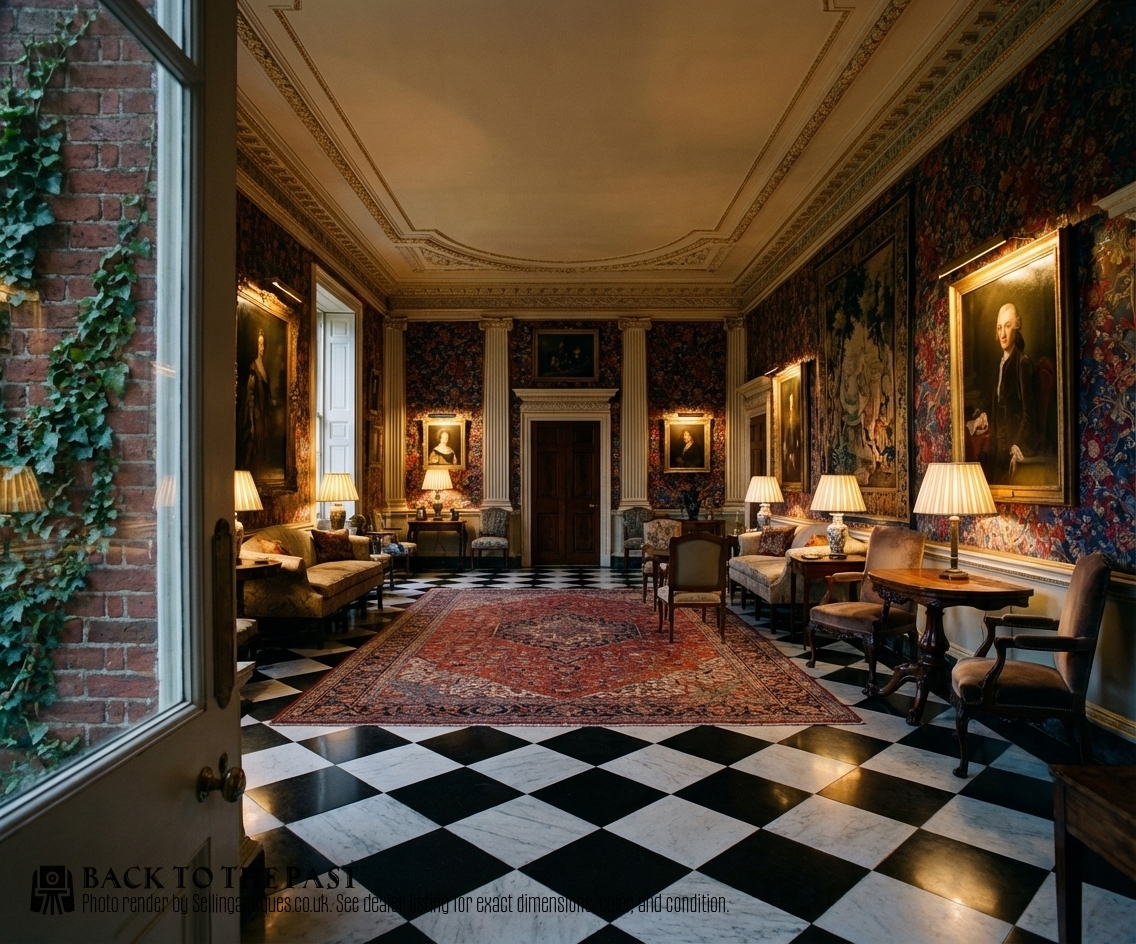
A closed flip top table suits a hallway, landing, or the edge of a living room where it functions as a side table. Placing it against a wall highlights the shaped top and timber grain without obstructing daily movement.
In an open position, the table requires adequate clearance around it so people can sit comfortably for games or tea. Ensure the room has balanced lighting to appreciate the rosewood surface.
What is the difference between a tea table and a card table?
Tea tables were traditionally built to hold tea service equipment and often feature demi-lune shapes designed for wall placement. Card tables frequently include lined interiors specifically prepared for playing cards and counters.
While both share the fold-over mechanism, their internal layouts and intended uses shaped their specific proportions and surface treatments.