

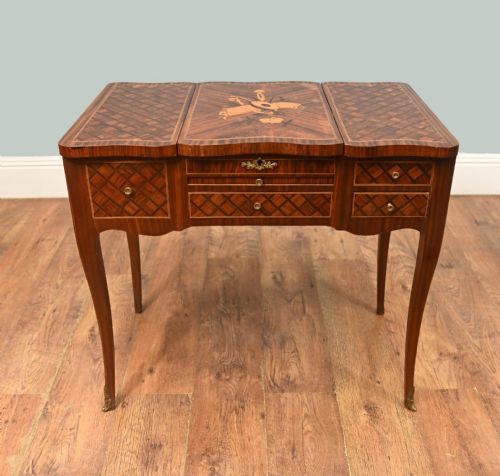


Rosewood Dressing Vanity
A rosewood dressing vanity brings deep dark grain and polished brass into a bedroom, offering a private space for morning preparation.
Rosewood Dressing Vanity
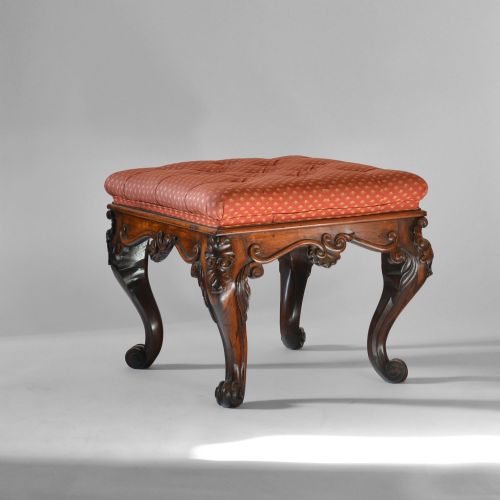
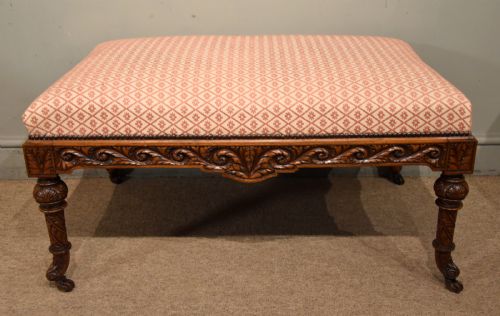
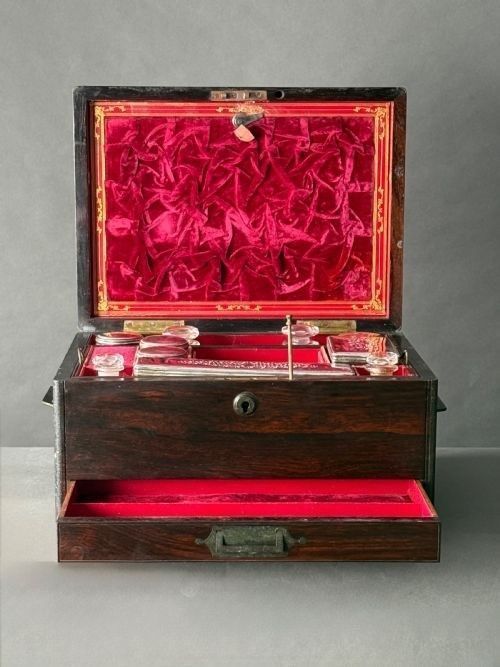
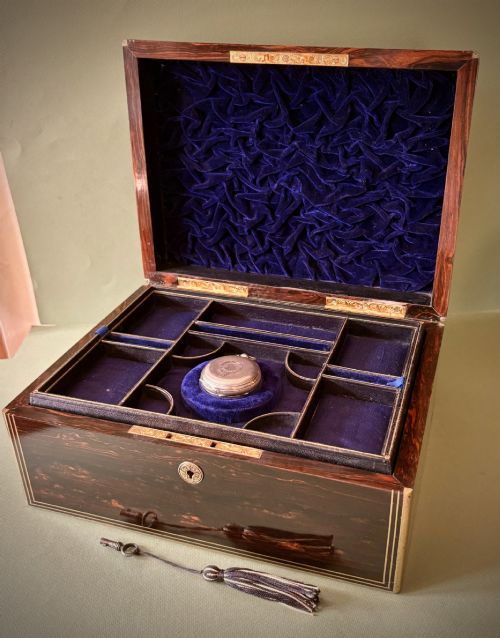
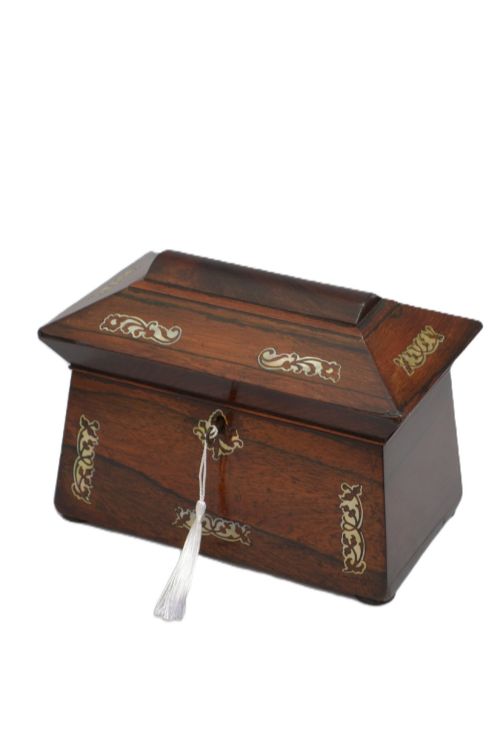
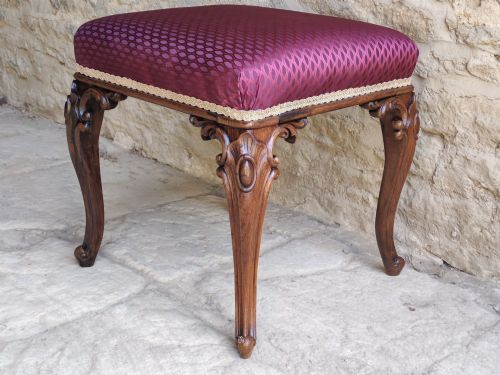
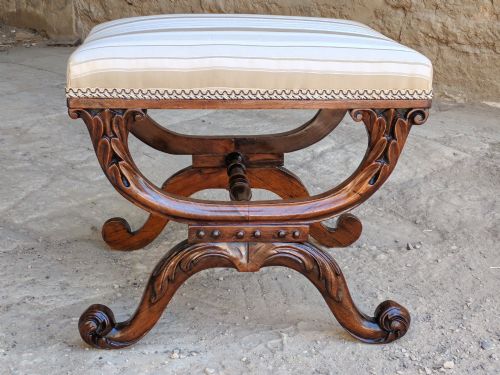
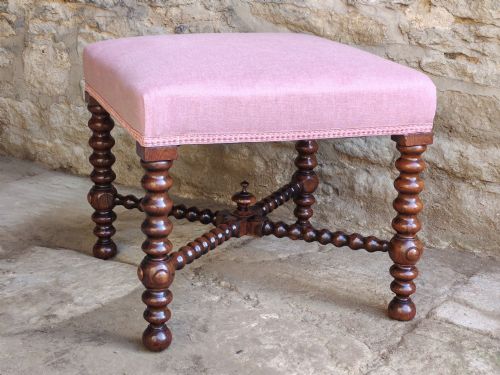
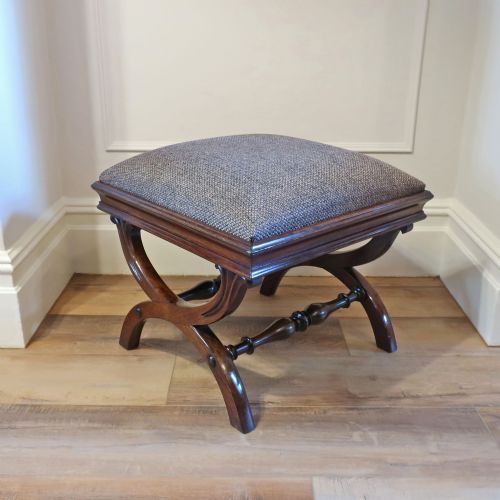
When hunting for a rosewood dressing vanity, you encounter several distinct forms shaped by the nineteenth century. The most common pieces are small portable boxes with fitted compartments, alongside low stools and full-sized dressing tables.
Makers produced these items across the Georgian, Regency and Victorian periods, often combining seating with storage for cosmetics and jewellery. Anglo-Indian examples and French work tables also appear among the selection.
Some pieces double as writing desks or sewing cases, reflecting the multi-purpose furniture of the Victorian era. The selection leans heavily toward compact table-top boxes and upholstered stools designed for the dressing room.
Materials and construction methods
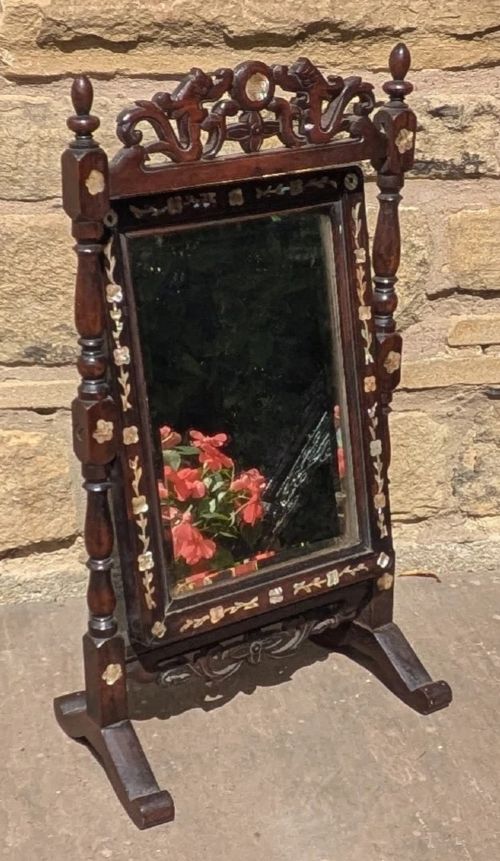
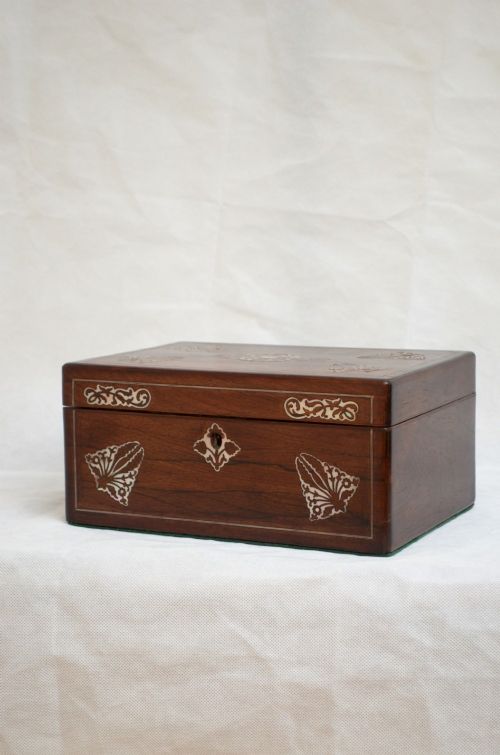
Carpenters built these items using dense tropical timbers, frequently applying rosewood veneers over secondary woods to display rich grain patterns. Mother-of-pearl inlay and brass stringing often embellish the exterior surfaces of boxes and tables.
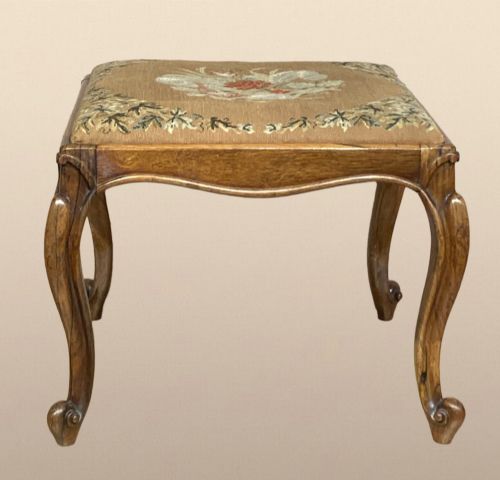
Interiors rely on velvet, leather, and fabric linings to cushion glass bottles and silver fittings. Stools feature turned or cabriole legs supporting seats upholstered in traditional textiles.
Secret compartments hidden beneath removable trays often still conceal forgotten pins and tiny glass stoppered bottles.
Indicators of craftsmanship
Superior examples show tight joinery and carefully matched timber veneers that present a continuous grain across the lid and sides. Original brass hardware, secure locks, and intact internal trays elevate a piece well above standard production.
The refinement of the carving on cabriole legs or the precision of mother-of-pearl inlay indicates the workshop's skill level. Pieces retaining their original fitted glass and velvet linings preserve their intended character far better than later replacements.
Gillows
The Rosewood Dressing Vanity Glossary
- Poudreuse
- A French dressing table featuring folding lids that conceal a mirror and compartments. These pieces often include pull-out writing slides.
- Bonheur du jour
- A small light lady's writing desk, frequently equipped with a cabinet or drawers on top. They often double as dressing surfaces.
- Campaign box
- A sturdy portable chest or vanity case fitted with brass corners and flush handles for travel. Officers and wealthy travellers used them on long journeys.
- Work table
- A small occasional table fitted with a fabric bag or drawers for sewing and needlework. Many served a dual purpose as dressing tables.
- Simulated rosewood
- Timber painted or stained to mimic the distinct dark grain of genuine rosewood. Craftsmen used this technique during the Regency period.
Rosewood Dressing Vanity: Frequently Asked Questions
What is a rosewood dressing vanity?
A rosewood dressing vanity encompasses portable travel boxes, fitted jewellery cases, and small tables designed for grooming. They date predominantly from the Georgian, Regency, and Victorian eras.
Craftsmen utilised rich rosewood veneers, brass accents, and velvet linings to create functional pieces for personal care and storage.
How do I date a rosewood box?
Dating relies on construction methods, hardware styles, and the types of locks fitted to the piece. Georgian and Regency boxes often feature simpler lines, while Victorian examples embrace heavier carving and elaborate mother-of-pearl inlay.
Internal layouts and the presence of maker stamps or paper labels inside the lid also help narrow the decade of manufacture.
Where were these pieces used?
These items belonged in the bedroom, boudoir, or dressing room of a nineteenth-century home. Portable travel boxes accompanied owners on long journeys by carriage or ship.
Stools sat before dressing tables or pianos, while larger work tables stood in receiving rooms for casual handcrafts.
How should I care for rosewood furniture?
Protect rosewood from direct sunlight and sudden humidity changes to prevent veneer cracking and fading. Dust surfaces gently with a dry cloth and avoid harsh chemical polishes.
Condition leather and fabric interiors sparingly with appropriate specialist products to preserve original materials.