




Rosewood Vanity Table
These rosewood vanity table pieces offer rich timber surfaces and clever compartments designed for morning grooming and correspondence.
Rosewood Vanity Table
When you search for a rosewood vanity table, you encounter a specialised form that spans dressing tables, French bonheur du jour desks, work tables, and matching stools from the Regency, Victorian, and Edwardian eras.
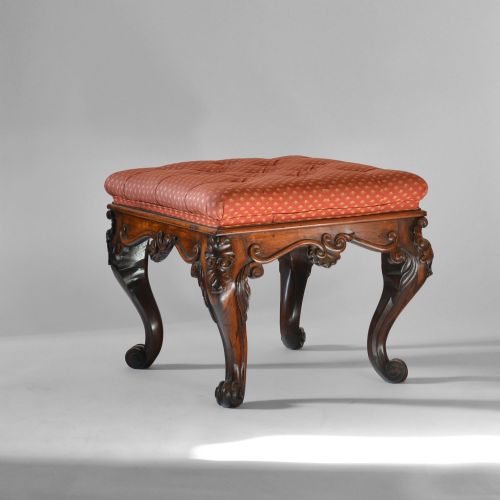
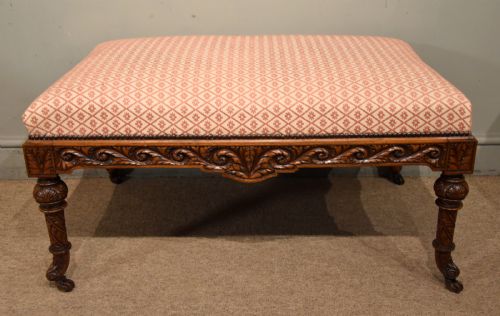
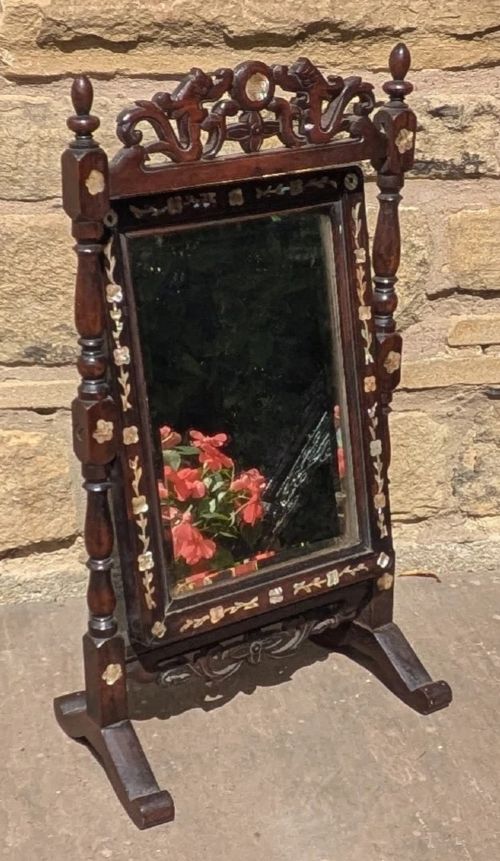
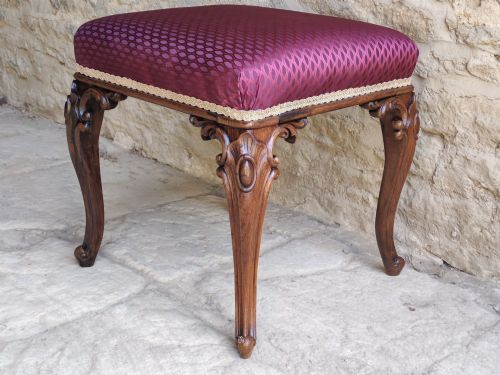
The pieces you meet most often on this page take the form of Victorian stools, compact French work tables, and inlaid 19th-century dressing desks equipped with internal compartments.
Origins stretch from English workshops to French cabinetmakers, alongside Anglo-Indian and Chinese Qing pieces that utilise dense hardwoods.
Materials and construction
Maker construction relies heavily upon solid and veneered rosewood, frequently paired with contrasting kingwood, walnut, and Ormolu mounts.
Surface ornamentation incorporates mother of pearl inlay, brass stringing, and delicate fabric upholstery on supportive stools.
Internal spaces utilise fitted glass, small mirrors, and specialised boxes designed to hold trinkets and grooming accessories.
Listings span the 19th century through to 1910, encompassing Victorian, Regency, and Edwardian periods with materials including brass, glass, and mother of pearl.
Distinctions in quality
Quality depends upon the depth of the timber grain, the precision of brass and mother of pearl inlay, and the structural integrity of turning or carving.
Finely executed French and English pieces display smooth mechanisms in drawers and writing flaps, alongside intact original glass and fabric components.
Edwards and Roberts
The Rosewood Vanity Table Glossary
- Bonheur du jour
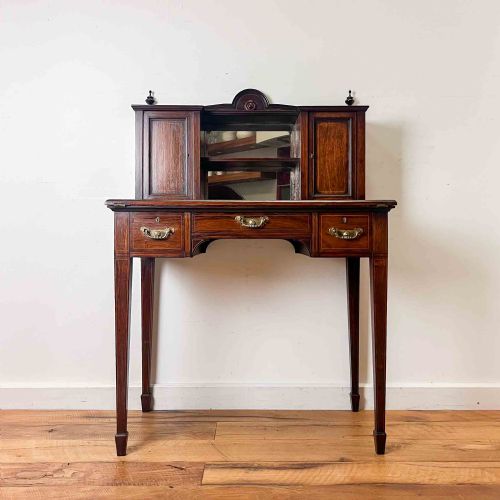
- A light lady's writing desk featuring a small tiered superstructure with drawers and pigeonholes above the main work surface. This French form frequently serves multiple functions as a dressing space.
- Poudreuse
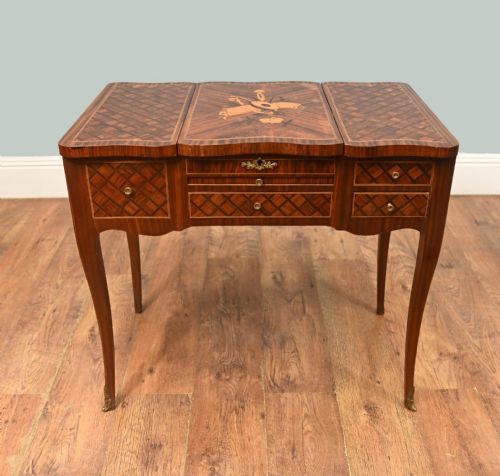
- A French dressing table fitted with a folding top that opens to reveal a mirror and hidden compartments for cosmetics. It represents a refined evolution of the personal grooming table.
- Crossbanding
- A border technique where veneer strips are laid across the grain of the primary wood to frame a panel. It adds geometric definition to the edges of table tops.
- Ormolu
- Gilded bronze mounts applied to furniture for decorative accent during the 18th and 19th centuries. The technique provides a bright metallic contrast against dark rosewood surfaces.
Rosewood Vanity Table: Frequently Asked Questions
How do I use a rosewood vanity table today?
These pieces fit naturally into bedrooms as functional dressing stations or hallway surfaces for daily items. Their small compartments suit modern jewellery and accessories just as well as historical ones.
Position them away from direct heat sources to protect the polished timber and delicate veneer work from drying out.
What is the difference between a work table and a dressing table?
Work tables generally incorporate a fabric bag or a shallow compartment beneath the top designed for sewing and needlework supplies. Dressing tables focus instead on mirrors, small drawers, and compartments for personal grooming.
Many 19th-century examples combine both functions in a single compact footprint.
How do I identify a Victorian piece?
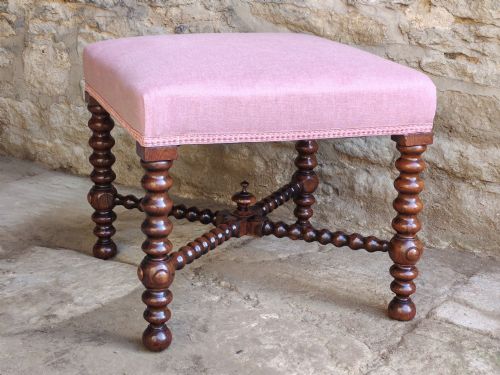
Victorian examples often feature heavier carved rosewood frames, bobbin legs, or contrasting mother of pearl inlay. They frequently include revolving piano stools or cross-frame supports with upholstered seats.
Construction during this period makes steady use of solid timbers alongside robust mahogany or pine secondary woods inside the drawers.
Are French vanity tables different from English ones?
French pieces from the period lean towards lighter kingwood and rosewood crossbanding, often manifesting as a bonheur du jour or a poudreuse with delicate cabriole or tapered legs. English iterations tend towards straightforward rectangular forms with turned legs and fitted interior boxes.
Both traditions place a high value on figured timber and polished brass hardware.