



Rosewood Crossbanded Console Table
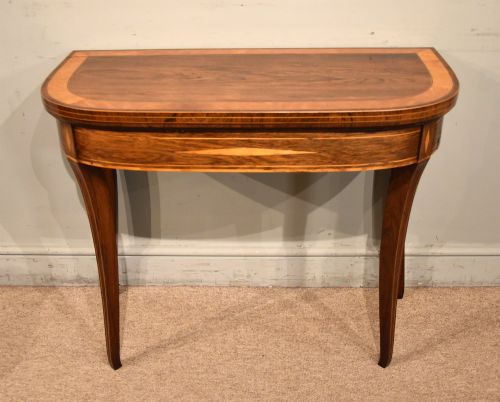
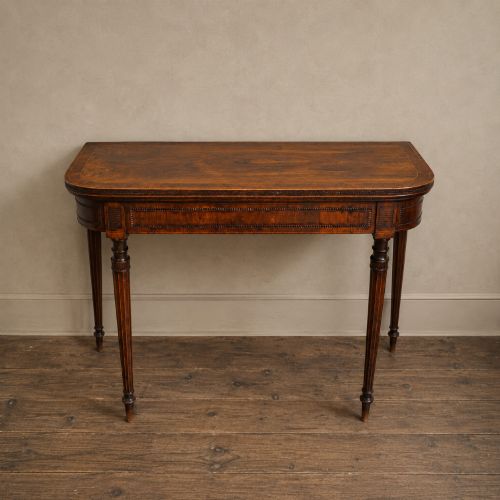
A rosewood crossbanded console table brings rich timber grain and linear inlay into a room, offering both surface space and functional folding tops.
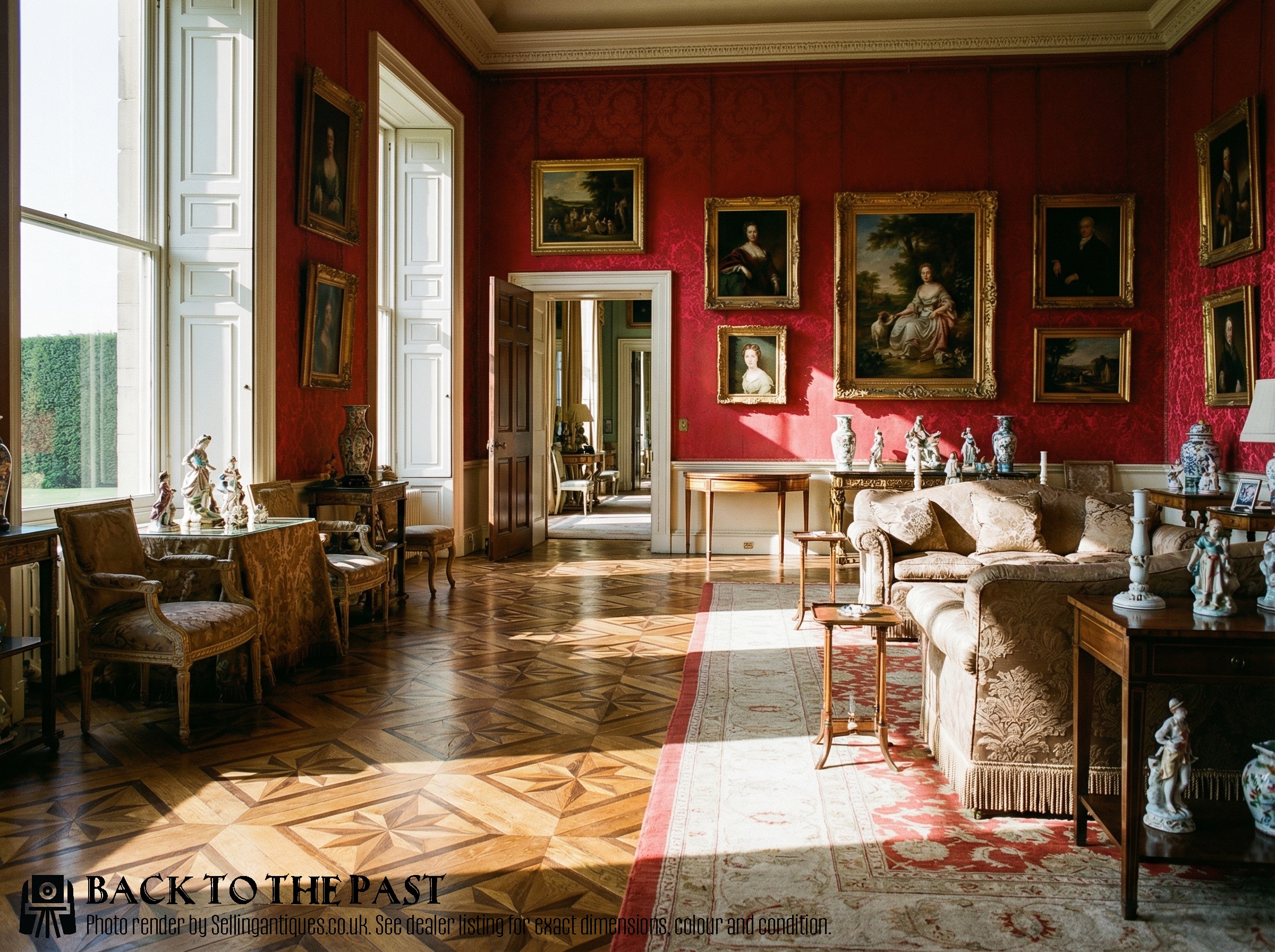
Rosewood Crossbanded Console Table
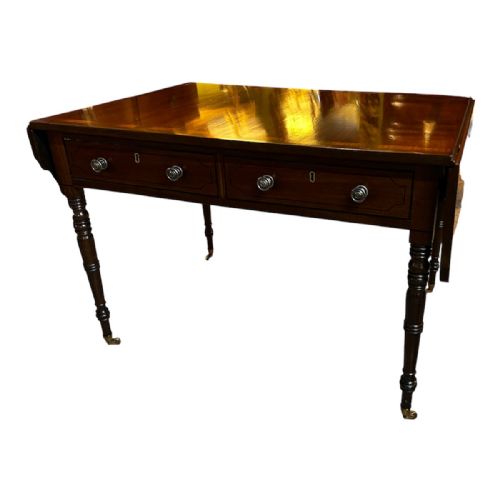
When you search for a rosewood crossbanded console table, you are looking at sophisticated tables designed for display, tea, and card playing during the Georgian, Regency, and Victorian eras. These items typically take the form of card tables, sofa tables, and fold-over games tables featuring richly figured timbers.
The versions you are most likely to meet on this page span the late eighteenth and early nineteenth centuries, predominantly showcasing Regency and George III styling. They frequently combine rosewood with contrasting secondary timbers like satinwood and mahogany.
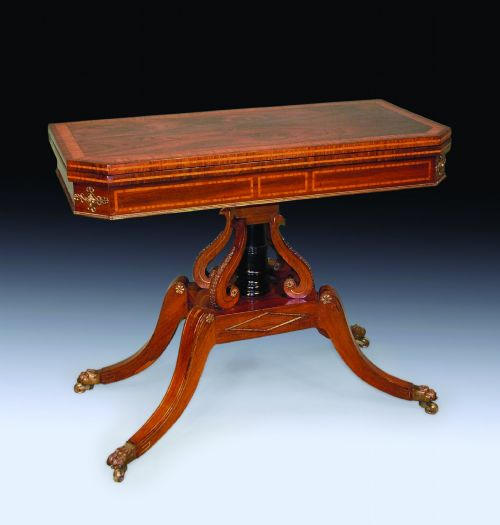
Makers and workshops constructed these pieces with hinged tops that open to reveal green baize surfaces or spacious table tops. Their forms range from pedestal bases with scroll supports to classic pillar and claw designs.
How they were made
Cabinet makers utilised dense rosewood as the primary visible veneer, laying it over sturdier structural timber carcasses. They applied crossbanding at right angles to the grain of the main top, creating a neat geometric border.
Inlayers added fine stringing lines in boxwood, ebony, and satinwood to delineate panels and edges. They incorporated brass mounts and hinges to secure folding leaves and support pivoting table tops.
The evidence records styles spanning George III, Sheraton, Regency, Grand Regency, and Victorian periods.
What varies in quality
The standard of a rosewood crossbanded console table depends heavily on the select choice of timber figure and the precision of the contrasting inlay work. Finer examples display meticulously matched grain patterns across the folding leaves.
Construction methods also distinguish standard pieces from superior works, particularly in the stability of the scroll pedestal bases and the seamless movement of the folding mechanisms.
James Mein Kelso
The Rosewood Crossbanded Console Table Glossary
- Crossbanding
- A border of veneer laid with the grain running perpendicular to the main surface timber. This technique frames the top and highlights the central panel.
- Satinwood
- A bright, yellowish timber from tropical trees used for contrasting inlay and stringing borders. It provides a sharp visual balance against darker rosewood.
- Stringing
- Thin inlaid lines of contrasting wood set into channels on table tops and friezes. This delicate decorative detail defines the geometric layout of the piece.
- Sofa table
- A rectangular table designed to stand in front of a sofa, featuring drop leaves and often two small drawers. These pieces became popular during the Regency period.
Rosewood Crossbanded Console Table: Frequently Asked Questions
What is a rosewood crossbanded console table?
These items are refined occasional tables featuring distinct borders of grain-matched veneer running along the edges of the top. They were built primarily during the Georgian and Regency periods.
Craftsmen designed them to serve as side tables or multi-functional card and tea tables with folding leaves.
How were these tables used originally?
Households used these tables in reception rooms for display, holding candlesticks, or serving tea when the leaves were unfolded. Many incorporate folding tops specifically for card games.
When closed, they sat flush against drawing room walls as slim console or side tables.
How do I tell Regency pieces apart from Victorian ones?
Regency and George III pieces typically exhibit crisp linear stringing, satinwood contrast, and elegant scroll pedestal bases dating from the early nineteenth century. Victorian examples from later decades often utilise heavier proportions and simpler mahogany structures.
Examining the secondary timbers and the style of the pedestal helps clarify the period of manufacture.
How do I live with a fold-over card table?
Position the table against a wall in a reception room where the polished rosewood top can catch the light. Keep it away from direct heat sources to protect the delicate veneers and crossbanding.
Open the hinged top gently when utilising the surface for games or writing to protect the original brass hinges.