



Rose Pink Upholstered Chair
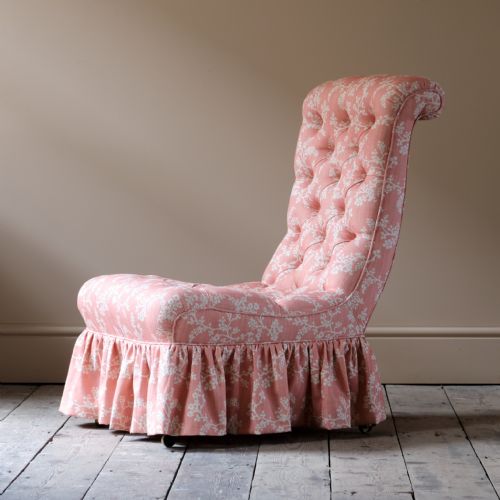
A rose pink upholstered chair brings soft colour and comfortable seating into a room, drawing the eye with its textile finish.
Rose Pink Upholstered Chair
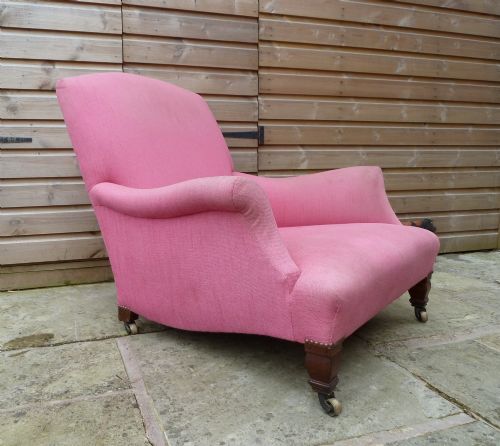
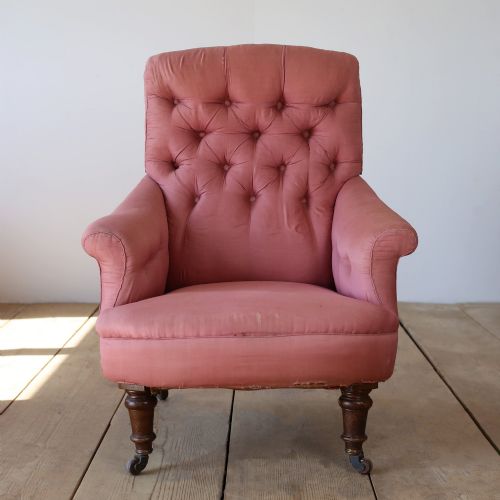
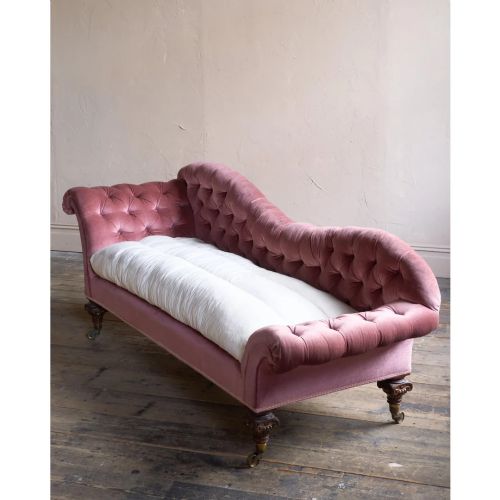
When you search for a rose pink upholstered chair, you encounter a variety of antique seating ranging from Victorian nursing chairs to Edwardian armchairs and dining sets. The selections span the nineteenth century into the early twentieth century, showing diverse forms like slipper chairs, spoonback armchairs, and chaise longues.
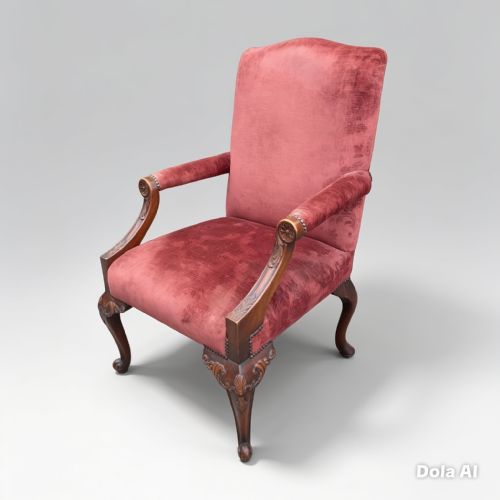
You are most likely to meet Victorian walnut framed fireside chairs and bedroom armchairs upholstered in velvet or textile finishes. These pieces showcase period styles including George III style, Chippendale revival, and Queen Anne influences alongside simpler country house forms.
How they were made
Frames are constructed from timber such as walnut and mahogany, occasionally supported by iron components or brass details. Carved woodwork defines the show frames of Victorian open armchairs and ladies chairs.
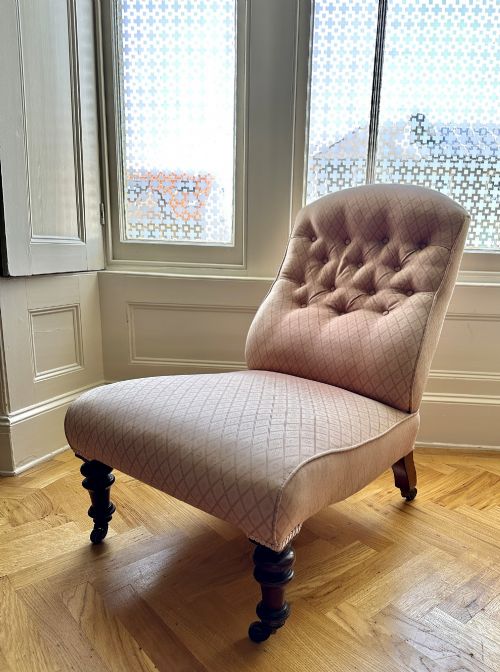
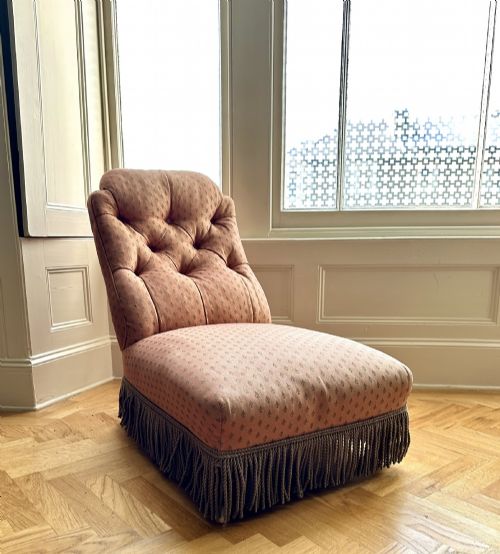
Upholstery relies on textiles including velvet and patterned fabric, often incorporating button back detailing and fringe trims. Joinery and carving reflect the cabinet-making standards of the nineteenth and early twentieth centuries.
Several chairs come equipped with hidden castors, ready to roll across the parlour at a moment's notice.
What varies in quality
The refinement of the carved wooden frame separates standard seating from finer examples, particularly in the crispness of Victorian walnut or mahogany detailing. Proportions and the grace of the show frame dictate the visual success of the piece.
The sophistication of the upholstery work and the choice of textile, such as quality velvet, influence the overall character. Maker attributions or origins associated with established workshops elevate the standing of an armchair or chaise longue.
Gillows·Holland and Sons·Howard and Sons
The Rose Pink Upholstered Chair Glossary
- Slipper chair
- A low-seated upholstered chair originally designed for a bedroom or dressing room. It typically sits close to the floor for ease of use.
- Spoonback armchair
- A nineteenth-century seating form featuring an oval backrest recessed in the centre, resembling the bowl of a spoon. The wooden frame curves around the upholstered padding.
- Show frame
- A wooden structural framework left exposed around the upholstered sections of a chair. It allows the carved mahogany or walnut timber to remain visible.
- Chaise longue
- An upholstered sofa form with one raised end, designed for reclining. Examples often incorporate decorative legs or carved wooden elements.
Rose Pink Upholstered Chair: Frequently Asked Questions
What is a nursing chair?
A nursing chair is a low Victorian armchair designed originally to provide comfort during child care. The reduced seat height allowed for a relaxed seating posture.
Such chairs frequently feature button-backed upholstery and a carved walnut or mahogany frame. They fit easily into modern bedrooms and drawing rooms as occasional seating.
How do I identify a Victorian armchair?
Victorian armchairs are identified by their use of timbers like walnut and mahogany, alongside deep button upholstery and sprung seats. Show frames often display curved or carved wooden outlines.
They span various forms from low slipper chairs to fireside armchairs. The weight of the timber and the style of the carving point directly to mid to late nineteenth-century manufacture.
Where were these chairs used?
These chairs served multiple rooms in nineteenth and early twentieth century homes, including drawing rooms, libraries, and bedrooms. Lighter slipper chairs and ladies chairs belonged in private chambers.
Larger armchairs and wingback seating furnished libraries and fireside settings. Dining chairs furnished formal dining spaces in sets.
What is a Howard style armchair?
A Howard style armchair refers to a comfortable, deep-seated upholstered form inspired by the renowned Victorian and Edwardian firm. These pieces prioritise generous padding and relaxed proportions.
They often feature turned wooden legs on castors supporting heavy textile upholstery. The design remains a benchmark for upholstered comfort.