




Rope Twist Wall Mirror
A rope twist wall mirror brings carved texture and gilded light to a room, spanning nineteenth-century English and French workshops.
Rope Twist Wall Mirror
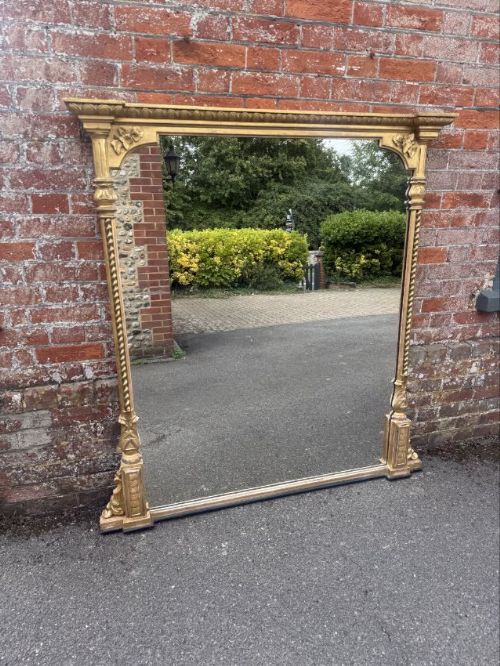
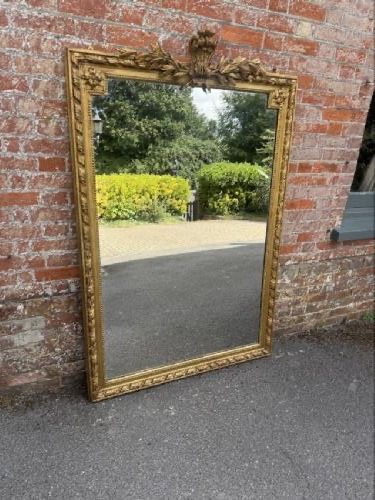
When you search for a rope twist wall mirror, you encounter large nineteenth-century overmantels, pier mirrors, and smaller oval or circular looking glasses. These pieces span the Regency, Victorian, and Edwardian periods, originating mainly from English and French makers.
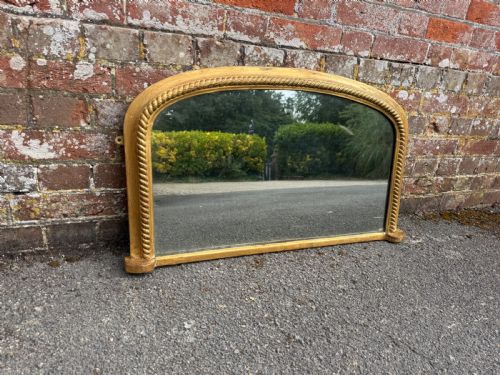
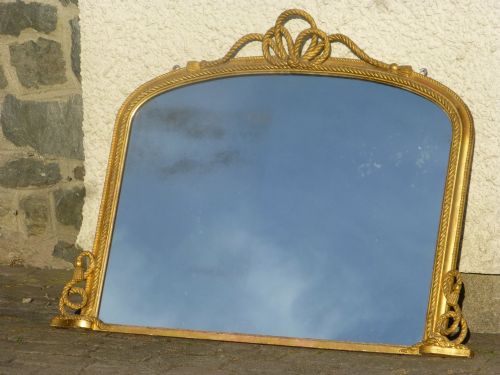
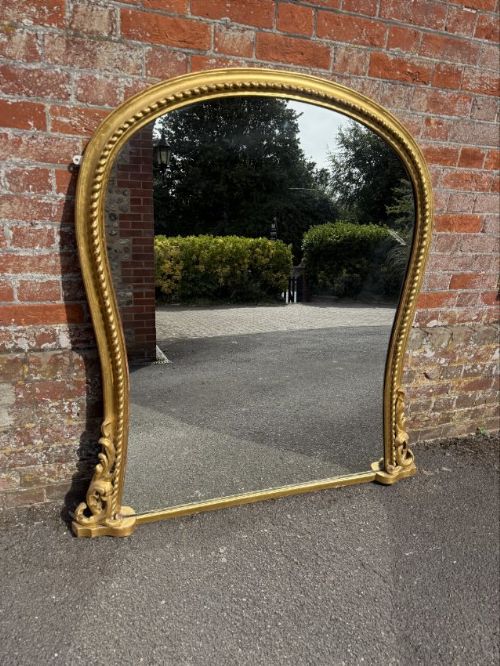
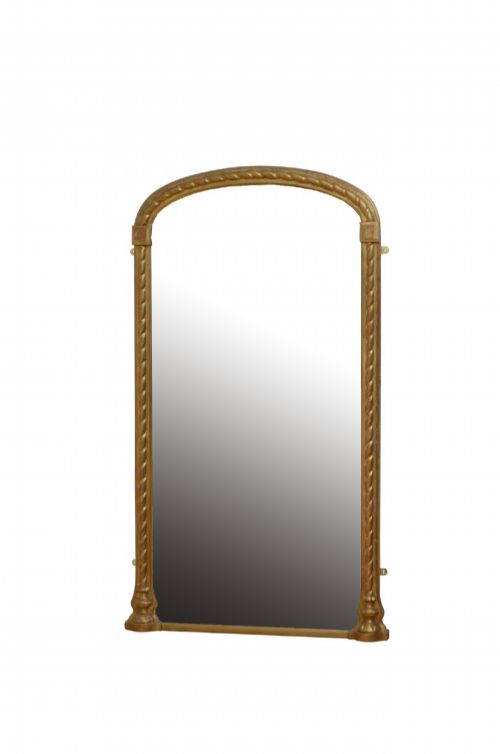
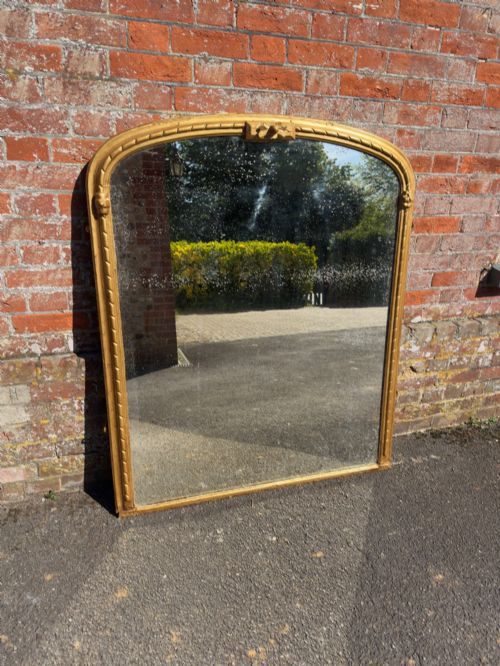
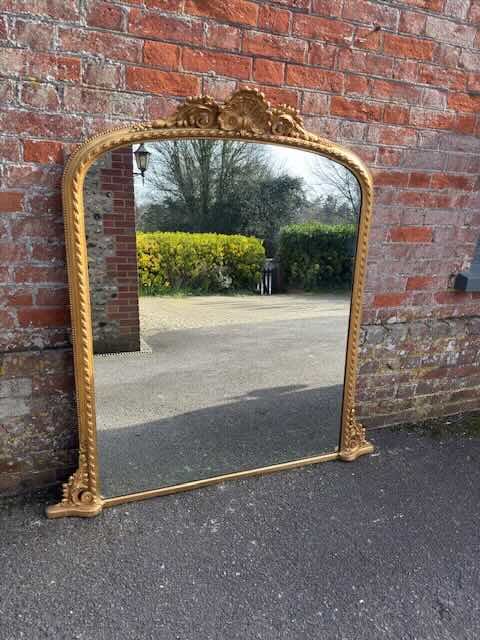
The most common form on this page is the large gilt overmantel mirror featuring an arched top and carved rope twist or ribbed framing. Such pieces were designed to sit above a fireplace, reflecting light and proportioning the principal rooms of period houses.
How they were made
Carved wood and gesso form the primary structure of these frames, built upon pine or softwood bases. Artisans applied layers of gesso and composition material to the carved wooden mouldings before laying down gold leaf or gilding.
The glass itself is held within mirror plates, sometimes taking the form of triple plate overmantels or triptychs. Carving and gilding techniques define the rope twist, hour glass, and beaded patterns seen across the selection.
Some nineteenth-century mirrors still retain the tiny dust shadows trapped behind their original mercury-backed glass plates.
What varies in quality
Quality rests in the crispness of the hand-carved rope twist and the depth of the gesso relief applied to the wooden frame. Finer examples retain their original gold leaf surfaces and heavy proportions rather than simplified composition mouldings.
The integrity of the underlying wood and the retention of early or original mirror glass elevate a piece. Superior proportion in arched top overmantels and pier mirrors separates standard utility mirrors from grander decorative objects.
The Rope Twist Wall Mirror Glossary
- Gesso
- A plaster-like mixture applied to wood frames to create a smooth surface for gilding. Artisans carved intricate patterns directly into this layer.
- Overmantel Mirror
- A large mirror specifically designed to hang on the wall directly above a fireplace mantelpiece. These pieces often feature horizontal or arched formats to suit chimney breasts.
- Pier Mirror
- A tall, narrow mirror made to hang on the wall between two windows, often placed above a pier table. They frequently incorporate gilded frames and candle arms.
- Girandole Mirror
- A wall mirror featuring attached candle sconces that reflect and amplify candlelight. The reflective glass and metallic frame disperse illumination through the room.
- Composition
- A moulded material made from Whiting, oil, and resin, pressed into shapes for decorative frame ornaments. It was frequently used alongside hand-carved wood.
Rope Twist Wall Mirror: Frequently Asked Questions
Where should I hang a rope twist wall mirror?
These mirrors suit placement above a drawing room fireplace or along a principal hallway where wall space allows for grand scale.
They also function effectively above sideboards or console tables to draw light across interior spaces.
How do I identify a Victorian rope twist wall mirror?
Victorian examples often display heavy gesso mouldings, arched tops, and darker pine bases beneath the gilt surface.
Look for standard nineteenth-century construction methods and plate glass proportions typical of the period.
Are these mirrors heavy to hang?
Nineteenth-century overmantel and pier mirrors carry substantial weight due to their carved wood and gesso construction.
Secure installation requires fixing directly into wall studs or using heavy-duty masonry anchors suited to the size.
What is the difference between an overmantel and a pier mirror?
Overmantel mirrors are wide and designed to span the horizontal width of a fireplace mantel.
Pier mirrors are taller and narrower, built to fit the wall space situated between windows.