




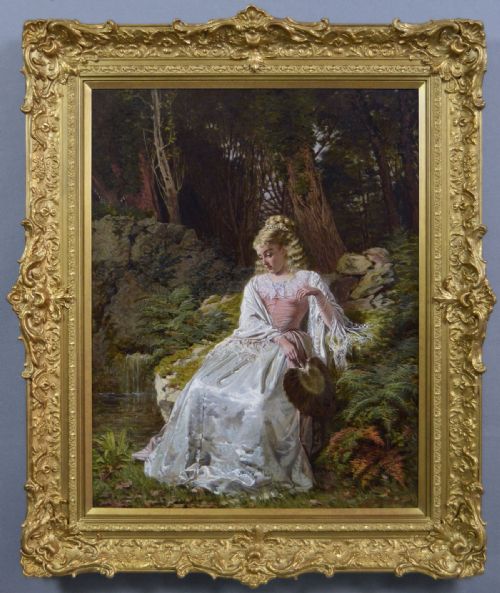


Romantic Oil on Canvas
A romantic oil on canvas captures sweeping landscapes, quiet figures and dramatic lighting across the nineteenth century and beyond.
Romantic Oil on Canvas
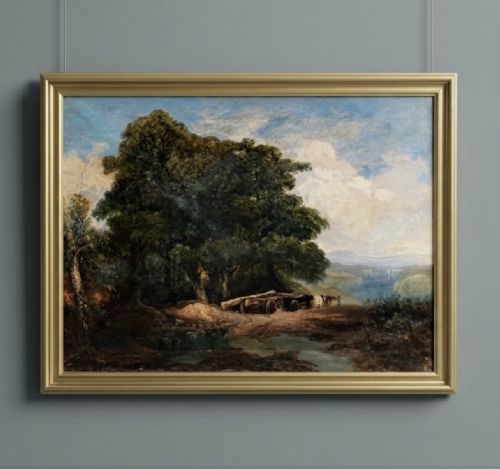
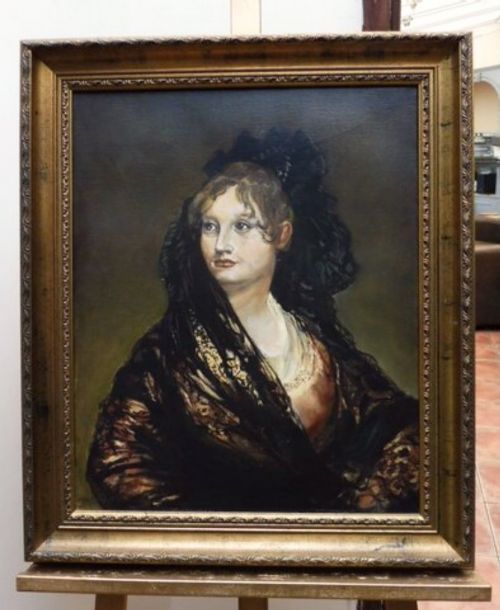
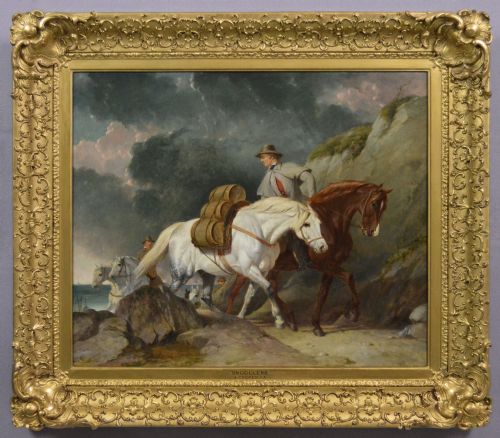
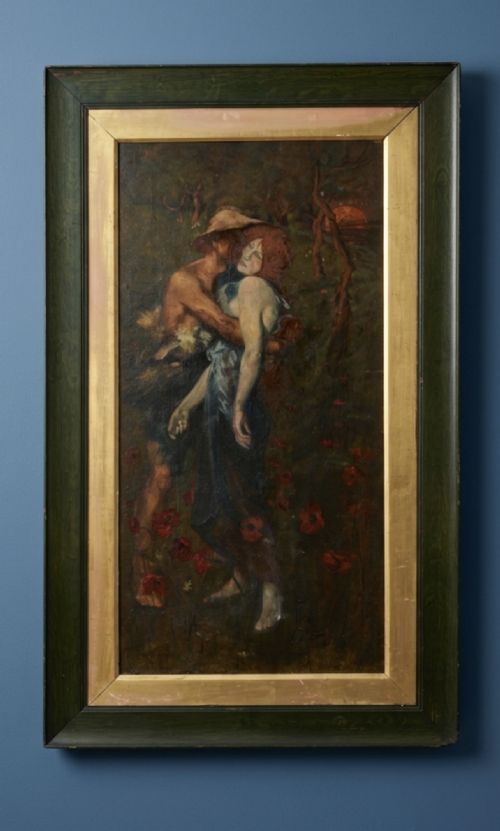
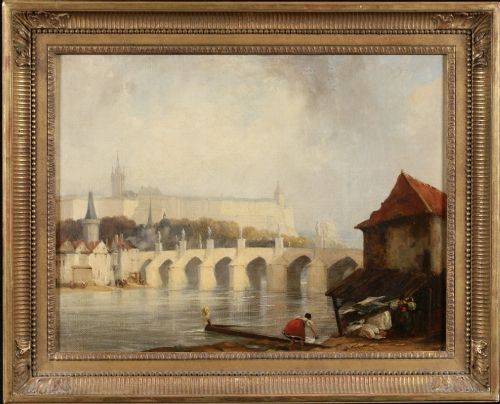
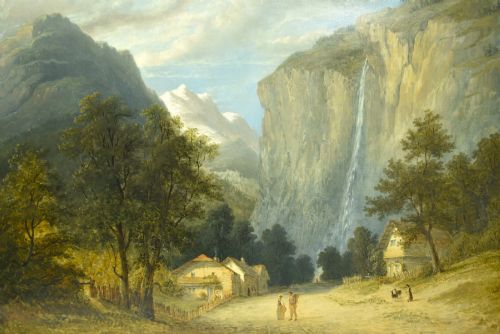
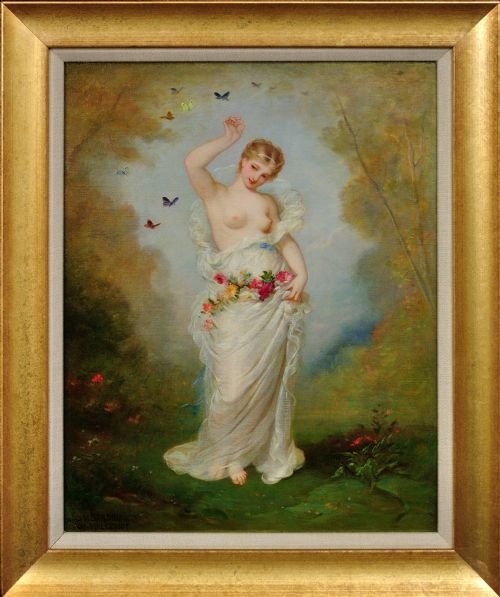
A romantic oil on canvas brings together historical scenes, expansive landscapes, and expressive character portraits from the nineteenth century. These artworks reflect the artistic movements of the period, spanning British, French, Dutch, and German schools.
Buyers encounter depictions of coastal paths, Alpine mountains, bustling harbours, and intimate portraiture. The selection frequently includes works by listed European painters as well as atmospheric continental school pieces.
Canvases often sit within their original giltwood and gesso frames, preserving the physical context of the era. The subjects range from grand historical narratives to serene woodland pools and pastoral idylls.
Materials and technique
Artists painted primarily with oil paint upon stretched canvas, building texture and depth through layered brushwork. Pigments were applied over prepared grounds, allowing for subtle tonal shifts in light and shadow.
Frames utilised carved wood finished with gesso and gilt, adding architectural weight and visual enclosure to the composition. The physical integrity of both canvas and frame depends upon the original stretcher construction and mounting techniques.
Listings feature nineteenth-century oil on canvas works spanning British, French, Dutch, and German romantic schools.
Distinctions in quality
Quality rests upon the confidence of the brushwork and the subtlety of the colour palette used to create atmospheric depth. Works by documented painters command attention for their compositional balance and handling of light.
The survival of the original gilt frame significantly influences the integrity of the piece. Conservation history, including the presence of relining or touch-ups on the canvas surface, shapes the overall character of the work.
Richard Sebastian Bond·Abraham Cooper·Charles Zacharie Landelle·André Charles Voillemot·Carl Johan Fahlcrantz·Thomas Edward Roberts·Eugene Joseph Verboeckhoven·Abraham Hulk Snr·James de Rijk·Hendricus Joseph Dillens·Alphonse Robert·August Heinrich Riedell·James Bell Anderson·Franz Xaver Winterhalter·Christoffel Bisschop·Willem Johannes Martens·Ludwig Hermann·Eva Hollyer·James Bertrand·Samuel Lawrence·Gottlob Fischer
The Romantic Oil on Canvas Glossary
- Giltwood
- Wood carved and coated with gold leaf or a gold-coloured finish. This material formed the standard substrate for ornate nineteenth-century picture frames.
- Gesso
- A paint mixture consisting of a binder mixed with chalk, gypsum, or pigment. It provided the smooth white surface applied to wooden frames before gilding.
- Grisaille
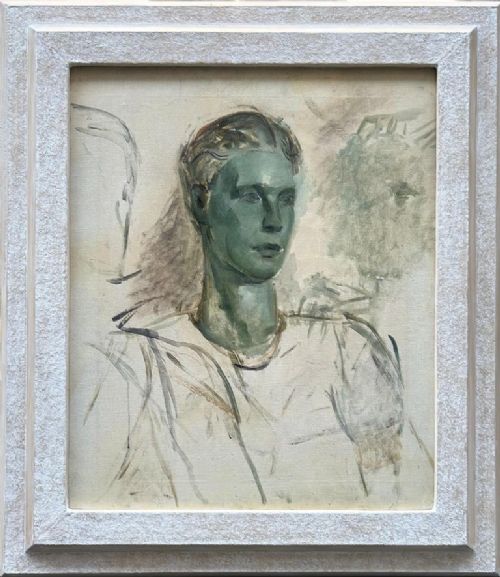
- A painting executed entirely in shades of grey or neutral monochrome. Artists used this technique to produce the illusion of sculptural relief.
- Genre scene
- A pictorial representation of everyday life and ordinary people engaged in common activities. These works depicted domestic interiors, market stalls, and social gatherings.
- Relining
- The process of attaching a new canvas to the back of an original deteriorated canvas for structural support. This conservation method secured fragile fabrics against sagging.
Romantic Oil on Canvas: Frequently Asked Questions
How do I care for an oil painting?
Keep paintings away from direct sunlight and steady the ambient room temperature to protect the canvas and wood.
Dust the surface gently with a soft dry brush and avoid using water or chemical cleaners on the paint.
Are original frames important?
Original giltwood and gesso frames provide historical context and match the exact proportions intended by the artist.
Matching frames enhance the visual weight of the artwork and indicate how the piece was displayed in period interiors.
What defines romanticism in art?
Romanticism emphasises emotion, individualism, and awe of the natural world through dramatic landscapes and expressive figures.
Artists favoured moody lighting, atmospheric weather effects, and narrative scenes over strict classical academic rules.
How can I identify the date of a canvas?
Dates appear through artist signatures, exhibition labels, or stylistic clues within the clothing and landscape elements.
Construction details on the wooden stretcher frames and the weave of the canvas offer further chronological indicators.