
Rococo Walnut Table
A rococo walnut table brings fluid lines and rich timber grain to a room, offering both practical surface space and decorative presence.
Rococo Walnut Table
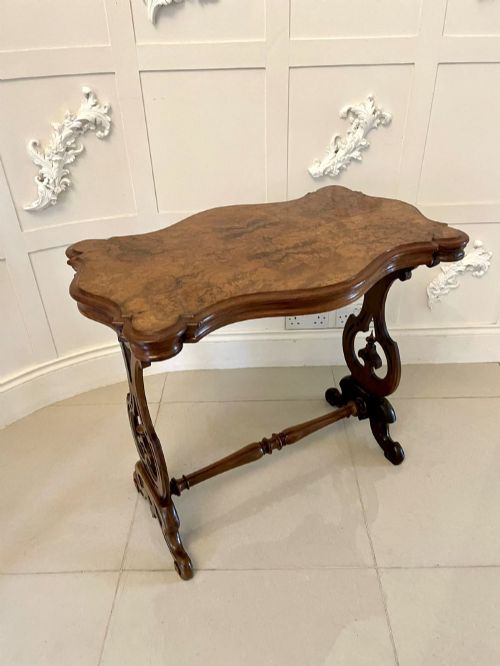
When you search for a rococo walnut table, you encounter pieces spanning the nineteenth and early twentieth centuries, dominated by Victorian and French revival styles. The selection includes centre tables, occasional tables, card tables, and desks alongside bedside cabinets and coffee tables.
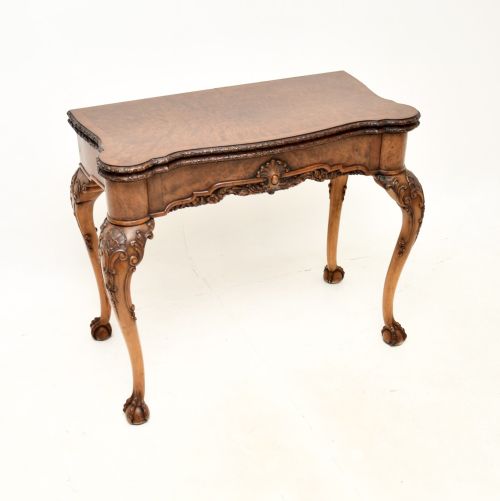
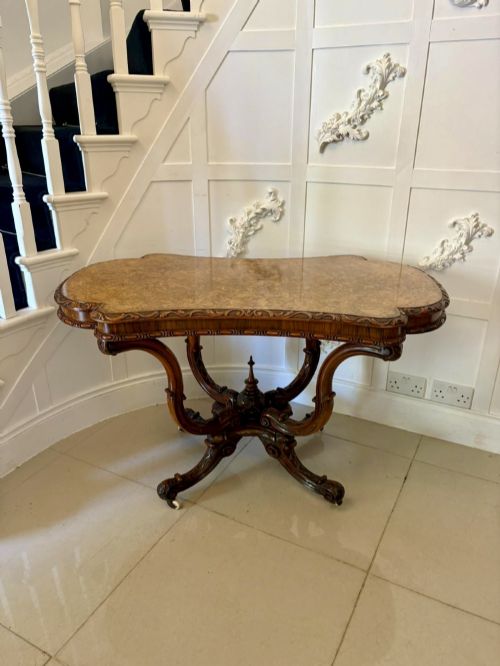
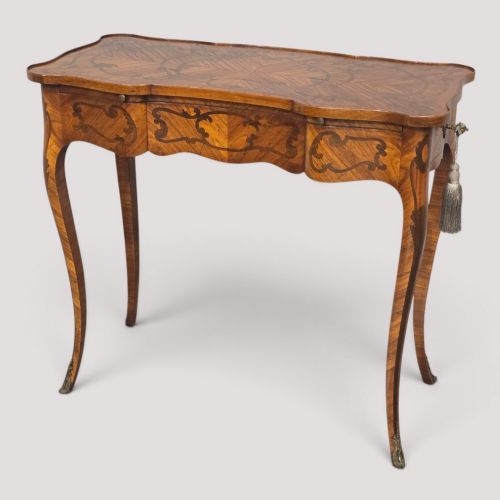
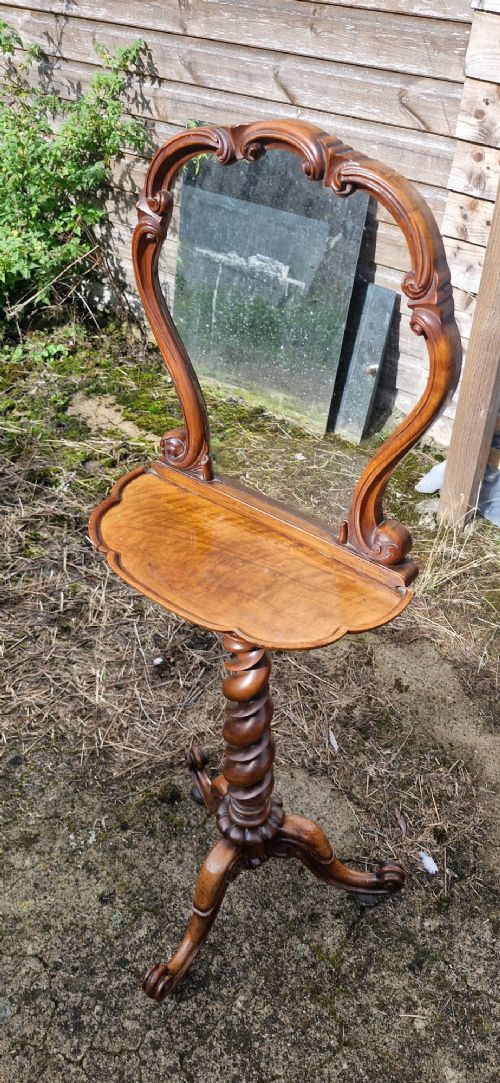
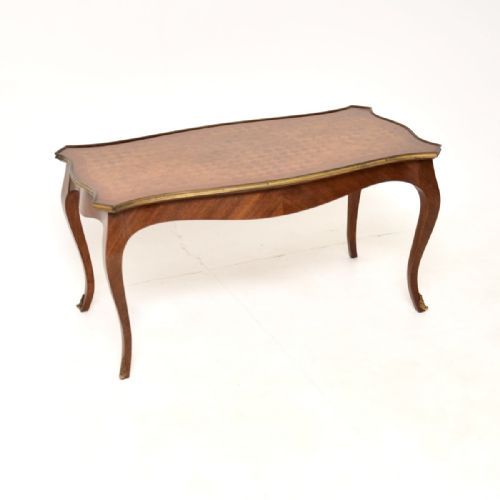
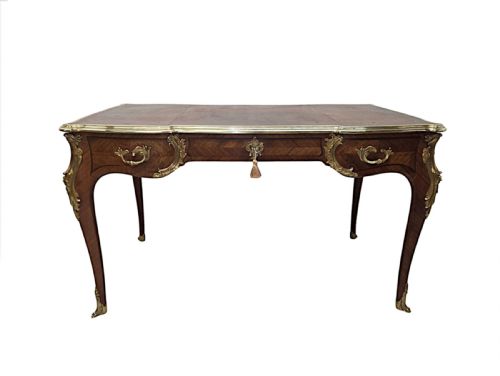
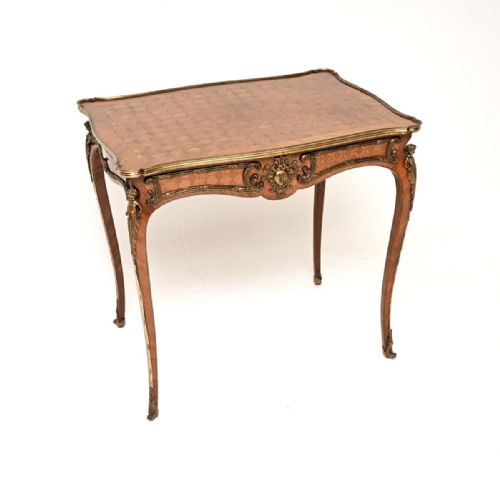
The version you are most likely to meet on this page is the nineteenth century centre table or card table, often displaying shaped tops and carved cabriole legs. These forms reflect the enduring influence of Louis XV design across British and French workshops.
How they were made
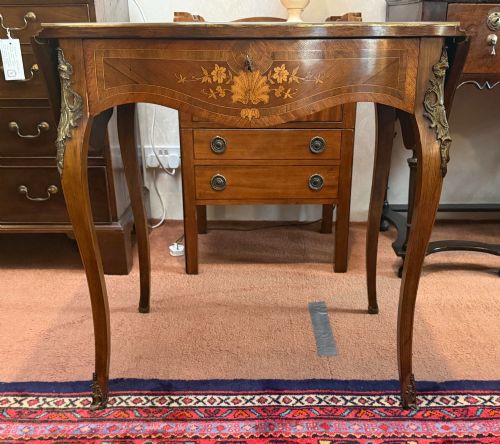
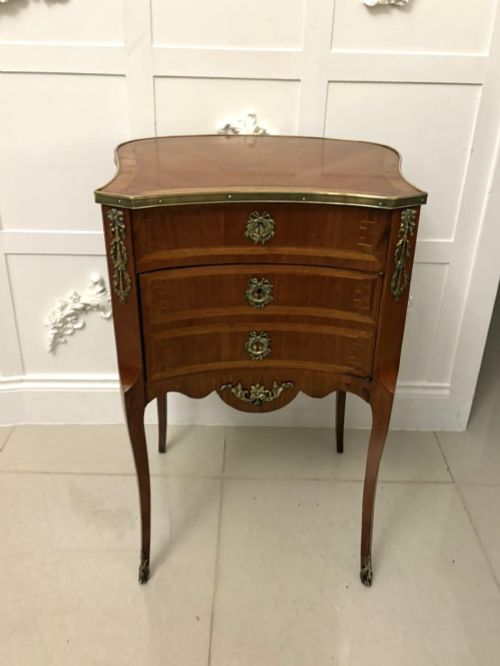
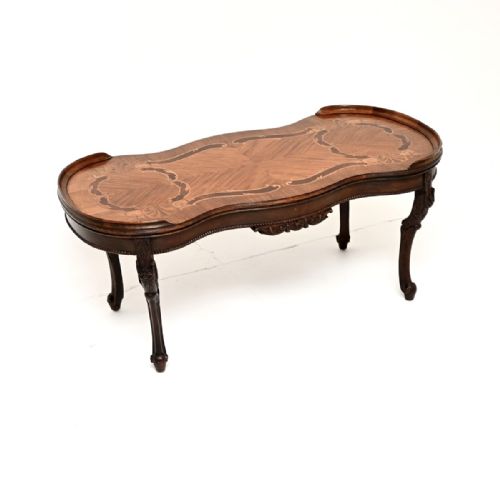
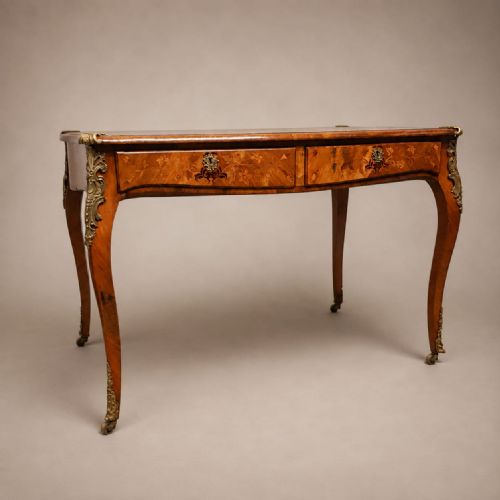
Cabinet makers utilised solid walnut and decorative burr walnut veneers over secondary timbers, frequently enhancing surfaces with marquetry and parquetry inlays of contrasting woods like kingwood. Tops often incorporate shaped marble inserts or leather writing surfaces.
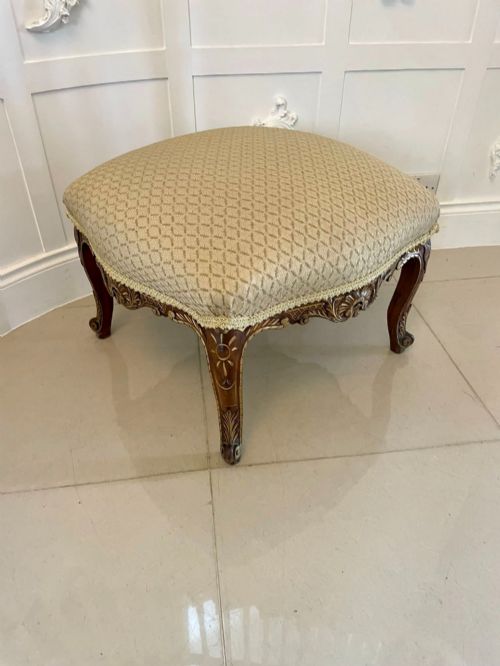
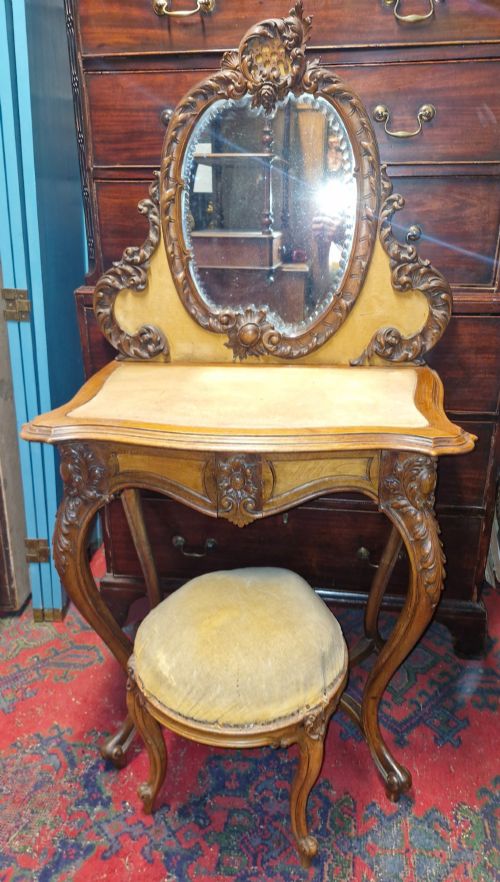
Metal mounts in ormolu and brass provide structural accents and protective details, while carving shapes the cabriole legs and aprons characteristic of the revival styles.
Several tables manage to look poised for a polite game of cards even when completely laden with modern coffee mugs.
What varies in quality
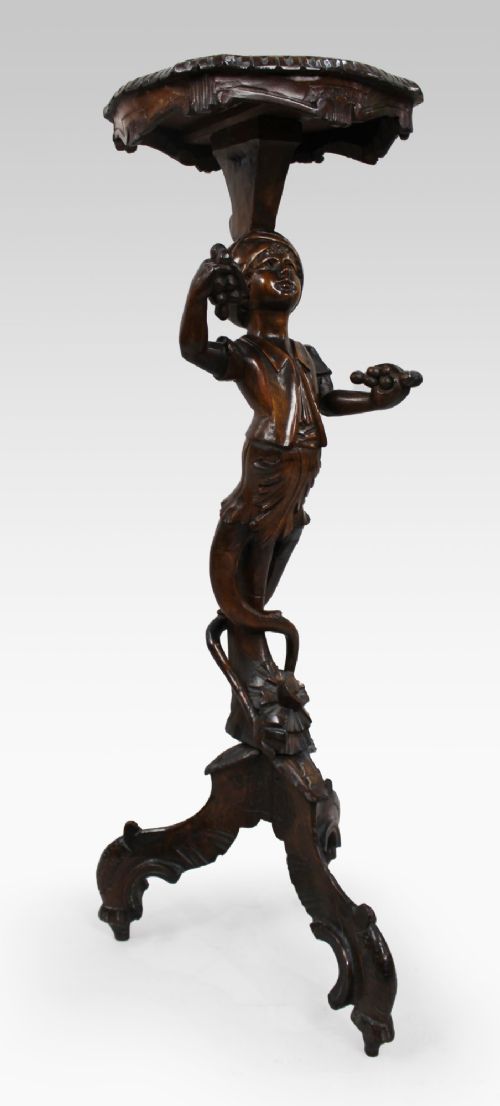
The standard of a piece rests upon the depth and crispness of the hand carving on the frame and legs, alongside the visual richness of the burr walnut grain selected for the top. Finer examples display meticulous attention to the alignment of marquetry patterns and the integration of secondary timbers.
Hardware choices and the precision of joint construction distinguish workshop standards, where heavier ormolu mounts and stable, solid framing elevate a table beyond basic production.
The Rococo Walnut Table Glossary
- Burr walnut
- A figured timber harvested from tree growths that produces intricate, swirling grain patterns. It is frequently sliced into veneers for table tops.
- Cabriole leg
- A furniture leg that curves outward and then tapers inward, mimicking an animal's leg in motion. This form defines much of the rococo revival aesthetic.
- Marquetry
- Decorative veneer work arranged in pictorial or geometric patterns using various coloured woods. It creates detailed ornamentation on table surfaces.
- Ormolu
- Gilded bronze or brass applied as mounts and decorative trimmings. It accents the corners and legs of finer revival tables.
- Bureau plat
- A freestanding writing desk fitted with drawers, originating in France. These tables often feature leather inserts on the top.
Rococo Walnut Table: Frequently Asked Questions
What is a rococo walnut table used for?
These pieces serve practical functions as card tables, writing desks, and occasional surfaces while adding decorative character to reception rooms.
Many designs feature fold-over tops or fitted drawers tailored for specific household tasks.
How do I identify the period?
Dating relies on construction methods, timber choice, and stylistic revival markers typical of nineteenth century British and French cabinet making.
Comparing leg profiles and secondary woods helps separate Victorian production from later twentieth century interpretations.
Where should I place a centre table?
A centre table is traditionally positioned in the middle of a room, finished on all sides for viewing from any angle.
Smaller occasional and bedside variants fit neatly against walls or beside seating.
How do I care for walnut veneer?
Walnut benefits from light dusting with a dry cloth and protection from direct sunlight and excessive heat sources.
Avoiding moisture prevents the veneer from lifting or staining over time.