

Rococo Walnut Chest Drawers
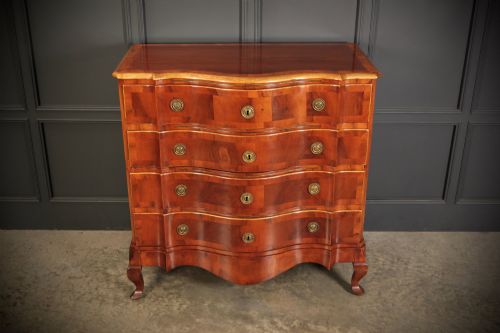
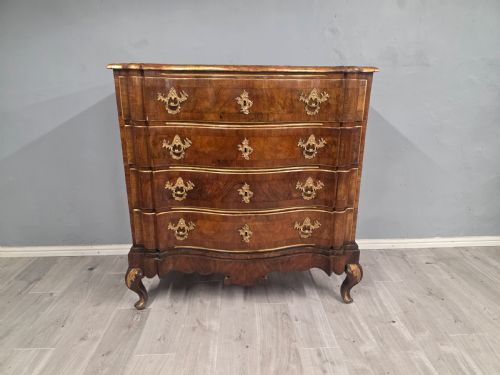
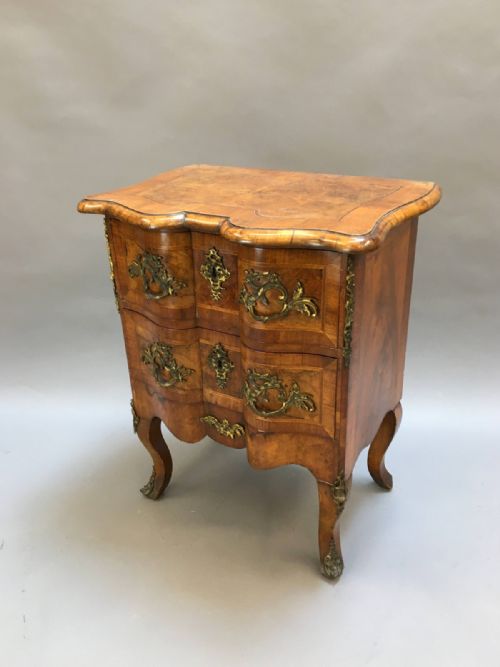
These rococo walnut chest drawers combine sweeping serpentine outlines with rich burr veneers, offering both practical storage and sculptural elegance.
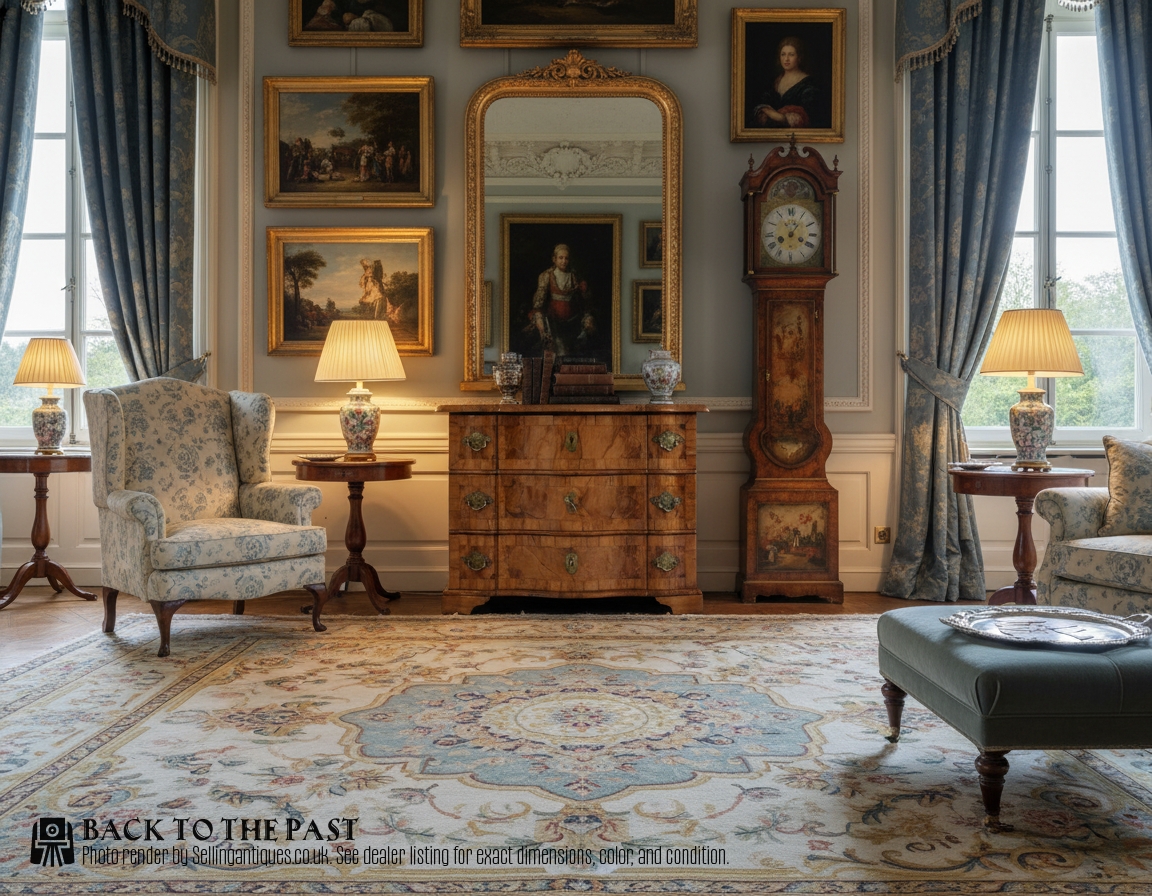
Rococo Walnut Chest Drawers
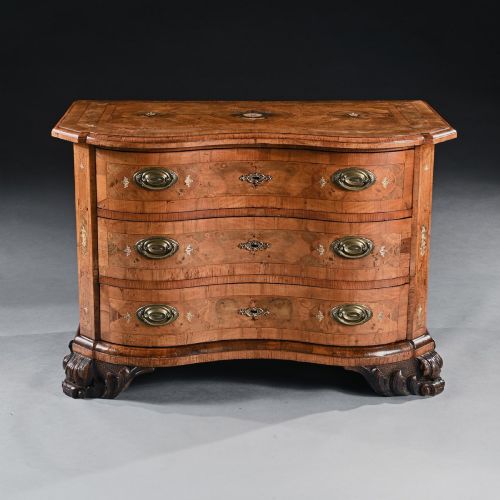
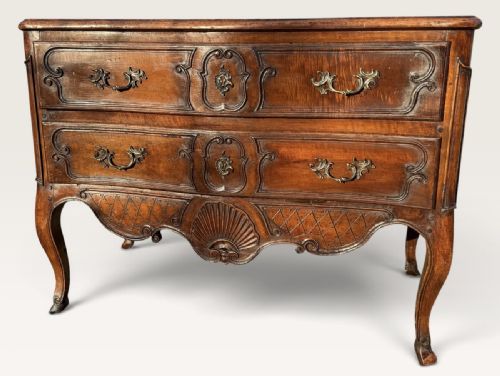
A search for rococo walnut chest drawers directs attention toward sophisticated commodes, bombes and bureaus produced across Europe. Eighteenth-century examples originate from workshops in France, Italy, Germany and the Netherlands, displaying characteristic asymmetric curves and flowing lines.
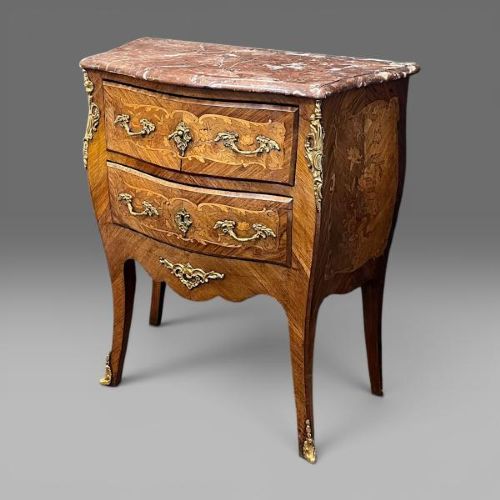
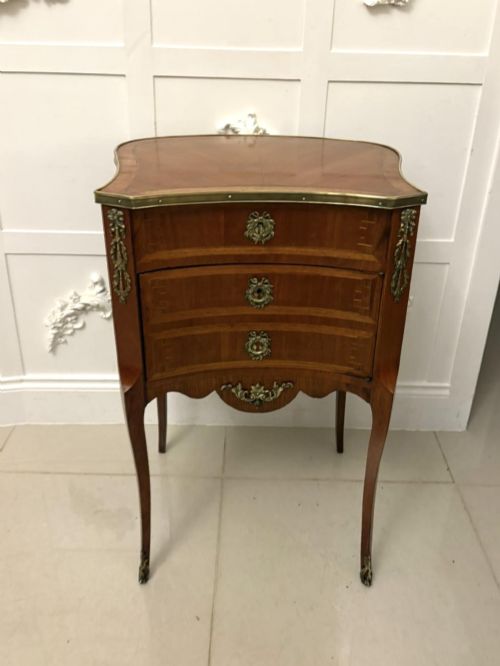
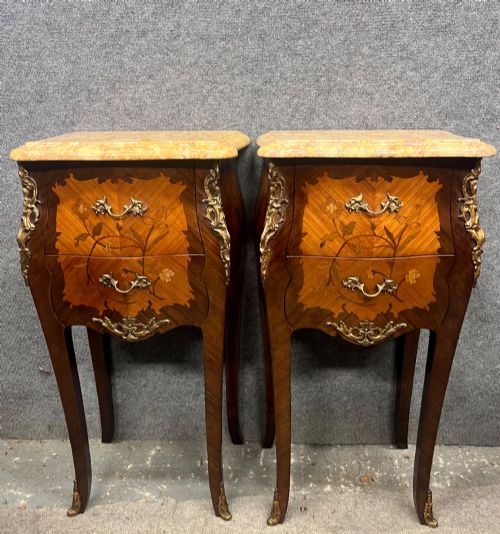
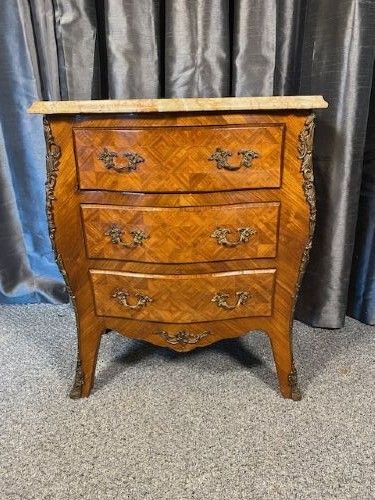
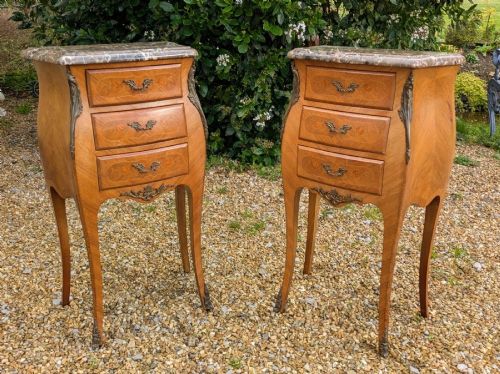
Many items encountered on this page belong to later revival periods spanning the nineteenth and early twentieth centuries. These pieces adopt the distinctive Louis XV vocabulary, translating eighteenth-century forms into smaller bedside cabinets and lamp tables.
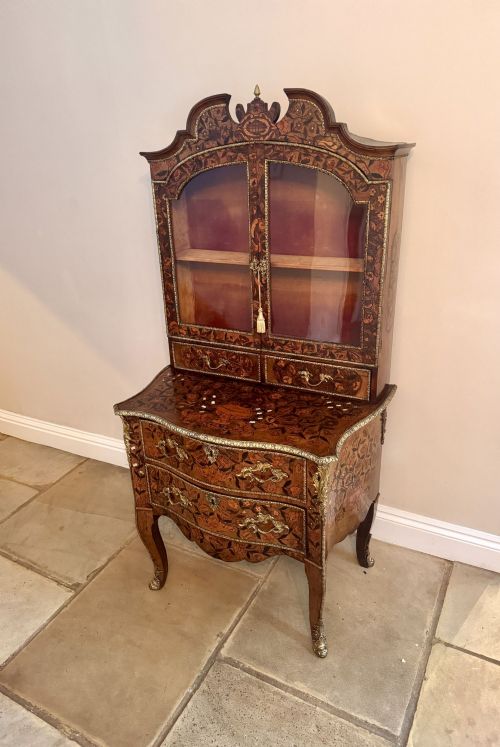
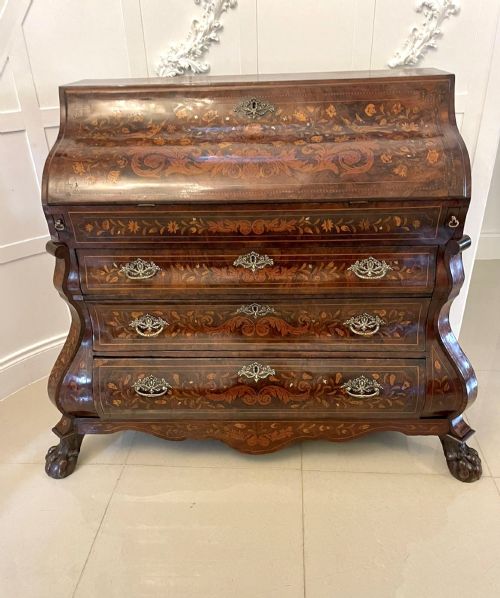
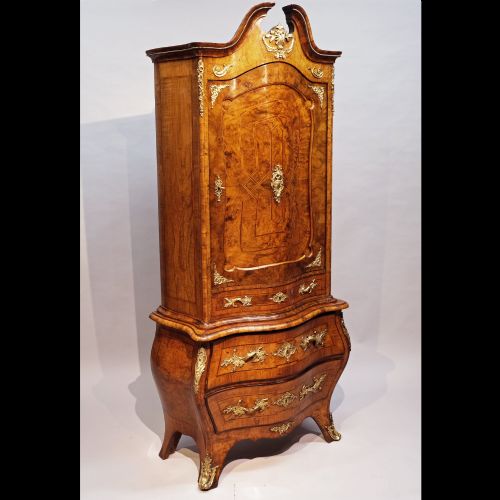
The primary forms include serpentine chests, bombe commodes and bureau desks, each constructed to showcase the grain of the timber. Continental regional variations range from the robust country commode to highly ornate marquetry-inlaid cabinets.
Materials and Construction
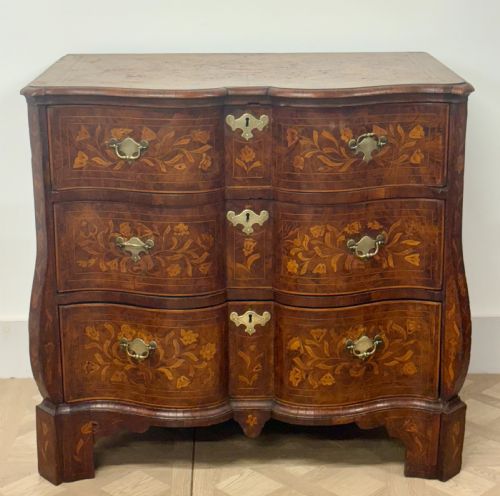
Cabinetmakers utilised solid walnut and decorative burr walnut veneers over secondary woods, often accentuating the surfaces with intricate floral marquetry, parquetry, pewter and ivory. Figured grain patterns were carefully matched across drawer fronts to create symmetrical visual movement.
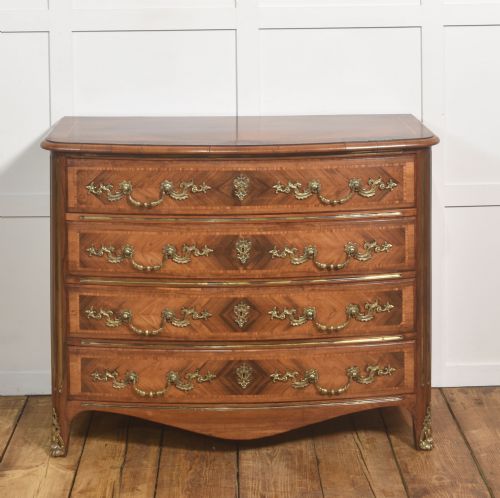
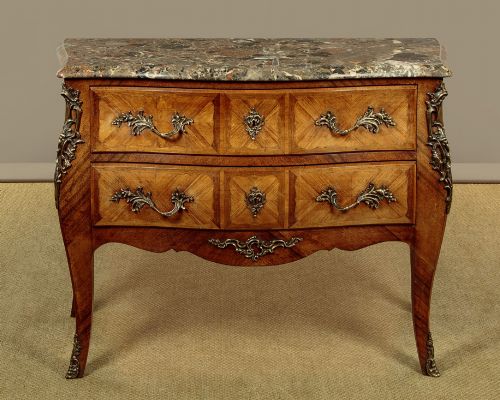
Mounts in cast ormolu, gilt bronze and brass punctuate the wooden chassis, following the organic scrolls typical of the style. Marble tops, particularly in breccia varieties, frequently complete the upper surface of continental commodes.
Rococo Walnut Chest Drawers Retail Price Guide 2026
Typical asking prices for rococo walnut chest drawers among the pieces listed under this phrase on Sellingantiques today, from the lower quarter to the upper quarter. They describe what is for sale here now, not the wider market.
Object forms include commodes, chests of drawers, bedside tables, bureau desks, side cabinets and secretary roll-top bureaus.
Evaluating Craftsmanship
Quality rests upon the precision of the veneer work and the integration of the mounts. Superior pieces display seamless marquetry panels and harmonious grain selection that follow the swelling contours of a serpentine or bombe carcass.
The execution of the carved or cast detailing separates workshop output. Finer commodes exhibit crisply chased ormolu handles and escutcheons that sit flush against the wood, alongside thick, well-figured marble slabs shaped precisely to the carcass.
The Rococo Walnut Chest Drawers Glossary
- Bombe
- A bulging, outward-curving chest profile associated with continental cabinetmaking. This swollen shape requires advanced veneering skill to follow the complex three-dimensional curves.
- Serpentine
- A front contour curving inward at the centre and outward at the sides. This rhythmic line defines much of the rococo output.
- Marquetry
- Decorative patterns formed by inserting thin slices of wood, ivory or metal into a veneer ground. Floral motifs are frequently constructed this way on walnut surfaces.
- Ormolu
- Gilt-bronze mounts applied to furniture for decorative accent. The metal is cast and chased to produce organic rococo scrolls.
- Commode
- A low chest of drawers originating in France. These pieces often feature marble tops and elaborate veneering.
Rococo Walnut Chest Drawers: Frequently Asked Questions
How do I care for walnut veneer?
Keep walnut furniture away from direct sunlight and steady heat sources to prevent the burr veneers from drying out or lifting. Dust gently with a dry cloth and avoid harsh chemical polishes.
Applying a traditional beeswax occasionally helps nourish the timber and maintain a soft sheen without building up a heavy residue.
Where were these chests placed?
Continental commodes and bureau desks served as principal storage furniture in bedchambers and reception rooms. Their finished backs and sides allowed them to sit prominently within a space.
Smaller bedside cabinets and lamp tables functioned functionally beside sleeping quarters, offering enclosed storage on a compact scale.
How do I distinguish eighteenth-century pieces?
Eighteenth-century examples display construction methods appropriate to their origin, including hand-cut dovetails and timber shrinkage consistent with age. The fluidity of the carved lines and the integration of the mounts offer clues to the period.
Revival pieces from later centuries often utilise machine assistance or standardised hardware, though many retain traditional hand-veneering techniques.
What is a bureau desk?
A bureau desk incorporates a sloping writing flap that drops down to reveal an interior fitted with small drawers and pigeonholes. Beneath the writing surface, several full-width drawers provide general storage.
These combination pieces served administrative and domestic needs in studies and private apartments.