


Rococo Style Table Lights
Rococo style table lights bring exuberant scrollwork and classical figures into interior spaces through gilded bronze and porcelain.
Rococo Style Table Lights
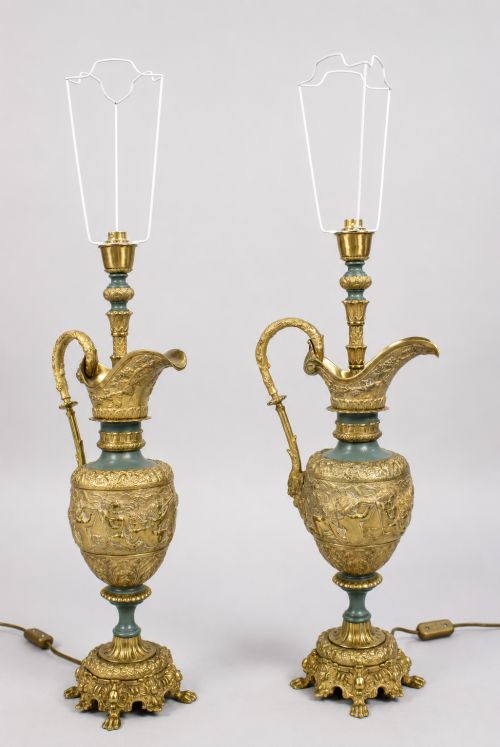
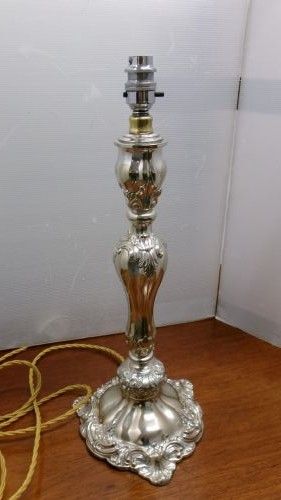
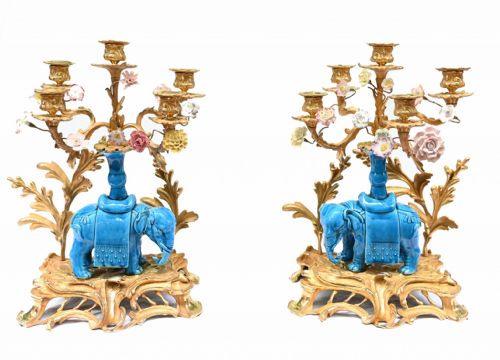
When searching for rococo style table lights, buyers encounter table lamps, candelabra, and candlesticks produced primarily during the nineteenth century and the early decades of the twentieth century. These pieces frequently manifest as French or Italian designs, taking the form of ewer lamps, figural candelabra, and converted oil lamps.
The selection leans heavily on matched pairs featuring cast metal bases, porcelain bodies, and elaborate branch configurations. Many items originate from Victorian and Edwardian periods, adopting the Louis XV taste for asymmetrical ornamentation and natural motifs.
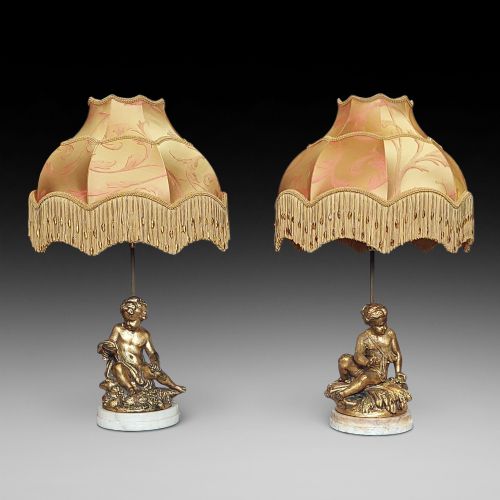
Varying utility emerges within the category, ranging from single bulb table lamps to multi-arm candelabra that once held candles. Buyers regularly find examples incorporating cherubs, putti, and hand-painted porcelain elements mounted upon marble or gilt metal.
Materials and Techniques
Manufacturing relies significantly on metal casting, utilising ormolu, gilt bronze, brass, and silver plating to create luminous frames. Skilled artisans shaped these metals into scrolling foliage, cherubic figures, and tripod bases.
Porcelain integration appears frequently, sourced from makers like Sitzendorf and painted by hand in cobalt blue or floral patterns. Alabaster, marble, and crystal components provide contrasting weight and reflection beneath the metalwork.
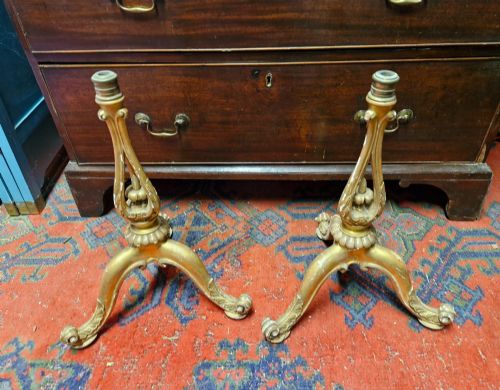
Many structural examples began life as oil lamps, altar candlesticks, or bronze statuettes before later conversion to electrical table lights. Hand carving and silver leaf application likewise appear on wooden lamp bases within the grouping.
Materials across these listings span gilt bronze, ormolu, brass, porcelain, marble, and crystal.
Assessing Distinction
The integration of materials dictates overall refinement, separating heavy cast ormolu and fine hand-painted porcelain from simpler plated base metals. Harmonious proportions between the figural elements and the supporting marble or bronze plinths remain essential indicators of superior workshop output.
Smith & Sissons & Co·Sitzendorf·Clodion
The Rococo Style Table Lights Glossary
- Ormolu
- Gilt bronze produced by applying a mercury and gold amalgam to a bronze base, creating a rich golden surface finish. This technique was widely utilised in French lighting manufacture.
- Candelabra
- A branched candlestick holding multiple lights or candles. These often feature elaborate arms spreading from a central stem.
- Ewer
- A large jug with a wide spout, historically used for water but adapted in these listings as the main body for a table lamp. Ewer form lamps display sweeping handles and bulbous lower sections.
- Putti
- Plural of putto, depicting chubby male infants often styled as cherubs in rococo art. They frequently appear supporting branches or clambering across bases.
- Sitzendorf
- A nineteenth-century German porcelain factory known for intricate figural work. Pieces bearing this attribution incorporate delicate hand-painted details.
Rococo Style Table Lights: Frequently Asked Questions
What is a rococo style table light?
These decorative fixtures combine nineteenth-century lighting utility with exuberant French eighteenth-century design motifs. They draw heavily on asymmetrical scrolls, natural foliage, and sculptural figures.
Most examples utilise cast metals, ormolu, and painted porcelain to create ornate illumination. They span table lamps, converted oil lamps, and multi-branched candelabra.
How do I identify a conversion?
Many nineteenth-century lighting pieces began as oil lamps, altar sticks, or candelabra before receiving modern electrical wiring. Evidence of this past appears in central channels where burners or candle prickets once sat.
Examining the base and internal fittings reveals whether a light started life as a candle holder. Conversions allow historical craftsmanship to function safely in contemporary interiors.
Where were these lights made?
Production centres largely around French and Italian workshops influenced by Louis XV aesthetics, alongside British Victorian manufacturing. Continental output frequently pairs gilded bronze with marble plinths.
Porcelain elements often trace to German factories or specific European painting traditions. Makers and regional styles varied widely across the nineteenth and early twentieth centuries.
How do I style these with modern furniture?
The rich gilding and sculptural forms provide a striking contrast against minimalist contemporary decor. Placing a pair of candelabra or figural lamps on a sideboard creates an immediate focal point.
Pairing them with simple fabric shades subdues the ornamentation while highlighting the metalwork and porcelain bases. Their scale makes them well-suited for side tables and buffets.