


Antique Table Chandelier
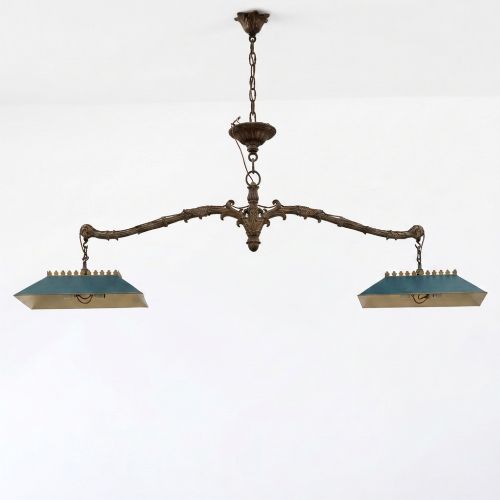
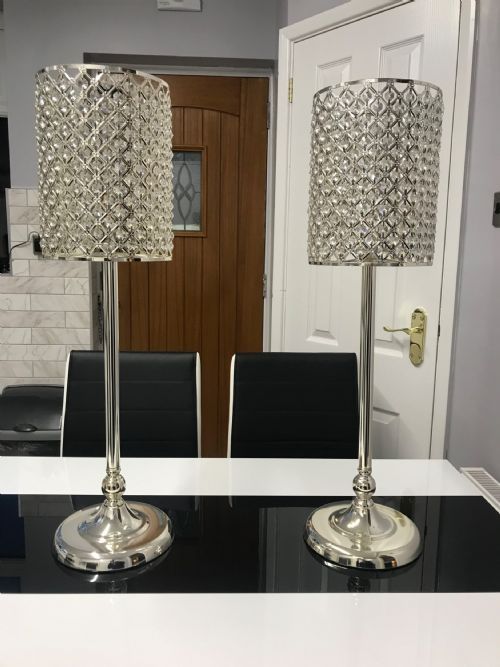
These antique table chandeliers are striking lighting pieces that bring a sophisticated glow to any interior.
Antique Table Chandelier
When you search for an antique table chandelier, you are looking at elevated lighting fixtures designed to sit upon furniture surfaces rather than hang from a ceiling. These pieces take the sparkling elements of large chandeliers and scale them down into portable forms.
You are most likely to meet French and English examples originating from the nineteenth and early twentieth centuries. The selection frequently includes pairs designed for symmetrical placement, alongside multi-branched designs and converted forms.
The styles range from ornate French Louis XV and Napoleon III creations to restrained Edwardian models and dramatic Gothic Revival brass pieces. They draw the eye in dining rooms and living spaces, offering a warm and ambient illumination.
Materials and construction methods
Brass, gilt-brass, and bronze form the sturdy structural skeletons for these lamps, providing the necessary weight to support heavy multi-branched frames. Founders cast these metals into intricate scrollwork and structural arms before applying surface finishes.
Crystal and cut glass drops hang from many of these frames, catching and refracting the light to create a brilliant visual display. Fabric elements and silver plate also appear across various pieces, adding texture and reflective contrast.
The listings span from the Victorian era through the Edwardian period and into the 1930s, utilising brass, bronze, crystal, and glass.
Assessing quality and craftsmanship
The fineness of the metal casting dictates the distinction between standard and superior pieces, where crisp detailing in the foliate motifs and smooth joints indicate skilled workshop production. Heavy gauge brass and well-chased bronze command greater attention than lighter, simpler pressings.
The completeness and quality of the hanging crystal and cut glass elements elevate certain examples above others. Hand-cut drops with sharp facets and a clear ring demonstrate a higher grade of glassmaking than moulded alternatives.
The Antique Table Chandelier Glossary
- Girandole
- An ornamental branched candlestick or light fixture designed to stand on a table or be fixed to a wall. These often incorporate mirrors or glass drops to multiply the perceived illumination.
- Candelabra
- A multi-branched candlestick holder designed to support several candles or, in later conversions, electrical fittings. They frequently feature central stems decorated with cast ornamentation.
- Table Lustre
- A small tabletop candelabra hung with glass pendants or prisms. The term highlights the decorative focus on sparkling glass drops.
- Gilt-Brass
- Brass that has been treated to receive a gold-coloured surface finish through fire-gilding or electroplating. This technique protects the underlying metal while offering a bright, reflective appearance.
Antique Table Chandelier: Frequently Asked Questions
Where should I place a table chandelier?
These pieces sit comfortably on sideboards, buffets, or large entrance consoles where their reflective glass drops can catch natural and artificial light. They also function well as striking centrepieces on dining tables during evening gatherings.
Ensure the placement allows easy access to switches if the piece has been wired for electricity, while keeping the wiring neatly concealed behind surrounding objects.
Are these lamps originally electrical?
Most older examples started life holding candles or burning oil before undergoing later conversion to electricity. This adaptation allows them to function safely in modern homes while retaining their period aesthetic.
Inspect the wiring arrangements on any potential purchase to ensure they meet current safety standards, as many older conversions benefit from rewiring by a qualified professional.
How do I identify a French table chandelier?
French examples often display characteristic Louis XV or Napoleon III styling, featuring elaborate cast bronze or gilt-brass work with flowing organic curves. The use of high-clarity cut glass drops and intricate girandole forms is particularly common in French workshop output.
English pieces from the same era tend to lean towards slightly more restrained proportions and heavier brass construction.