
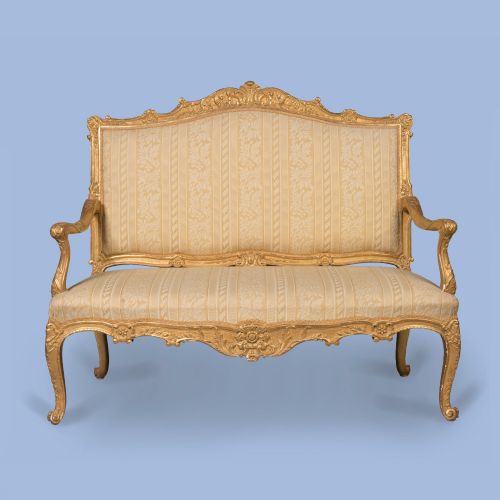
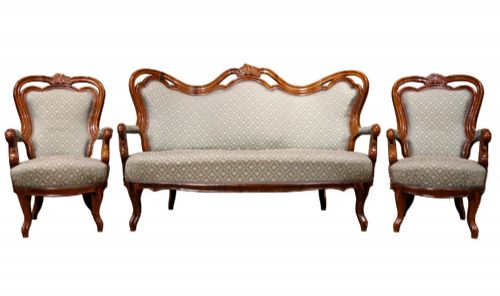


Rococo Style Sofa
A rococo style sofa brings serpentine curves and fluid carved ornament into a room, offering nineteenth-century seating shaped by eighteenth-century French taste.
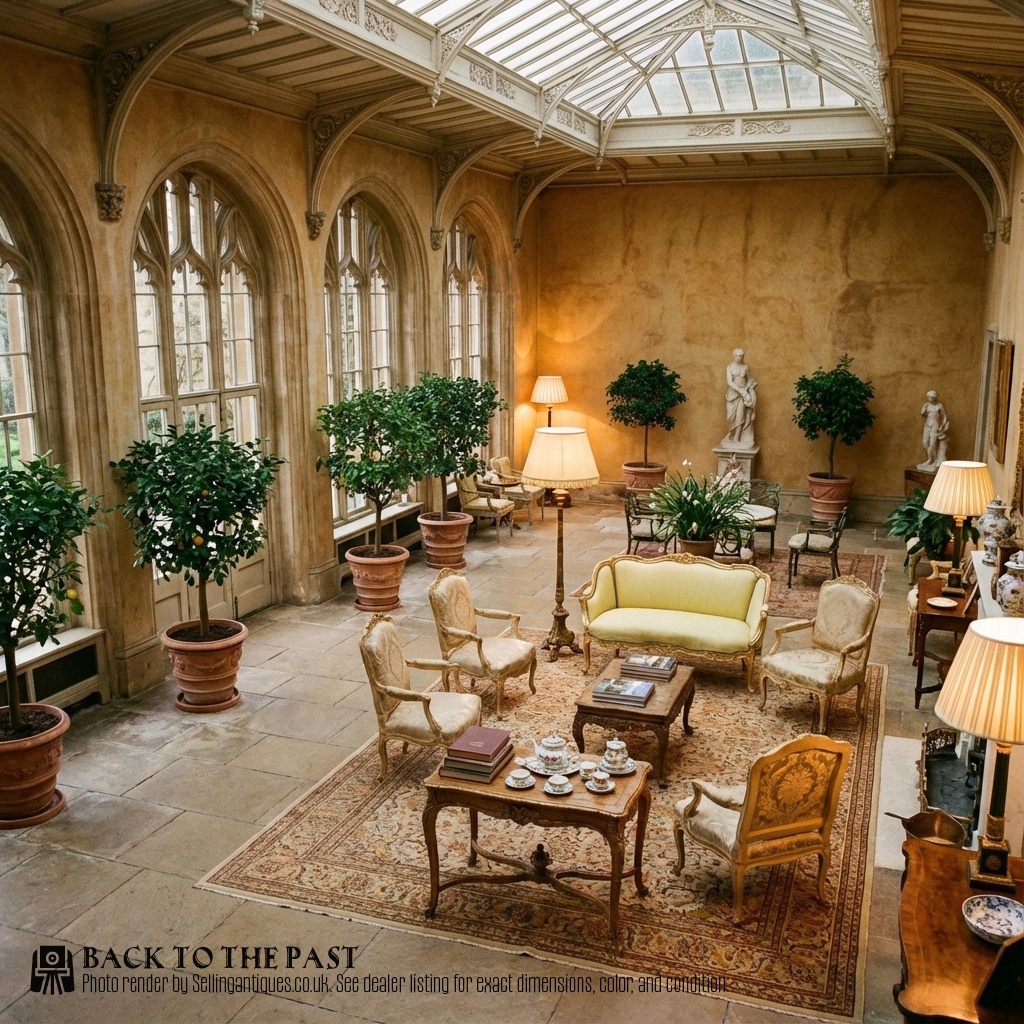
Rococo Style Sofa
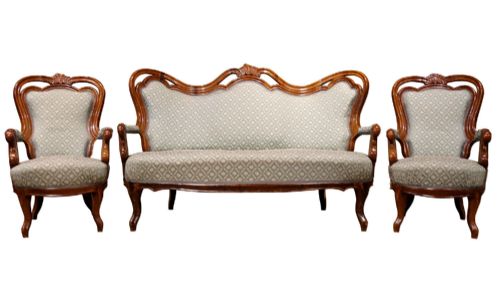
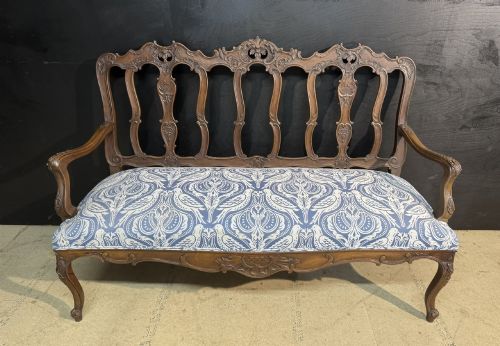
A rococo style sofa embraces the extravagant curves and asymmetrical floral motifs of the mid-eighteenth century, revived with vigour across the nineteenth and early twentieth centuries. When searching for a rococo style sofa, a buyer encounters everything from grand giltwood canapés to walnut settees and boudoir seating.
The selections span distinct periods, predominantly the nineteenth century and subsequent decades up to the 1930s. Forms vary from small two-seat couches and salon suites to large double-end settees and daybeds.
Origin points diverge across England, France, Germany, Italy and the wider Continent. French influence dominates, often expressed through Louis XV and Rococo Revival styles.
How they were made
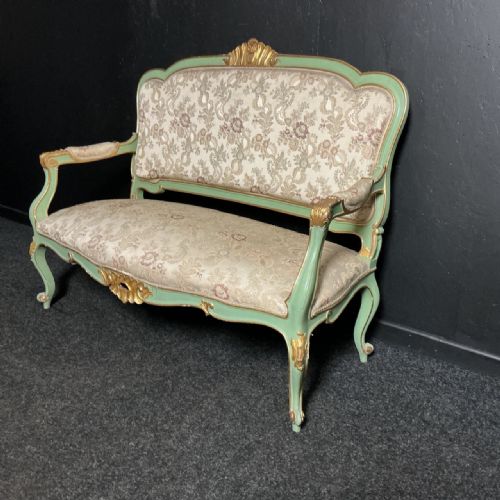
Makers shaped these frames from solid timbers including walnut, mahogany, rosewood and amboyna, often applying gold leaf or paint directly onto the wood. Giltwood and gilt-painted finishes highlight the deep relief carving characteristic of the style.
Upholstery relies on traditional textiles, silk, fabric and cane panels fitted into open or closed arm frames. Carving teams deployed chisel and gouge to produce the characteristic cartouche backs, scrolling foliage and cabriole legs.
Some nineteenth-century boudoir settees feature hidden silk linings built specifically for whispering secrets away from eavesdropping guests.
What varies in quality
Quality rests principally in the depth and sharpness of the timber carving. Crisp, hand-carved acanthus leaves and flowing scrolls separate superior pieces from softer, more mechanical mouldings.
The choice and execution of the frame material dictate overall distinction. Solid walnut and expertly applied gold leaf or giltwood carry greater presence than simpler painted pine or secondary woods.
The Rococo Style Sofa Glossary
- Canapé
- An antique French sofa, typically featuring an exposed carved wooden frame and upholstered seat and back. These pieces often follow the flowing lines of the Louis XV period.
- Giltwood
- Timber coated with gold leaf or metallic powder over a prepared gesso ground. This finish catches the light and emphasises the elaborate carving on revival frames.
- Cabriole leg
- A furniture leg that curves outward and then tapers inward, ending in a pad, scroll or carved foot. This form mimics animal limbs and defines rococo seating design.
- Salon suite
- A matched set of seating furniture, commonly comprising a small sofa and accompanying armchairs. These suites furnished formal nineteenth-century reception rooms.
Rococo Style Sofa: Frequently Asked Questions
What is a rococo style sofa?
A rococo style sofa is a nineteenth-century or early twentieth-century seating piece inspired by the ornate, curving designs of the mid-eighteenth-century French court.
These couches feature exposed carved wooden frames, cabriole legs, and upholstery designed for formal interiors.
How do I identify the period?
Dating relies on timber selection, carving crispness, and construction methods visible beneath the upholstery. Nineteenth-century examples often display deep walnut carving or heavy gilding.
Later revival pieces from the early twentieth century may incorporate different finishing techniques while copying the earlier Louis XV aesthetic.
Were these sofas made in France?
Many pieces originate in France, particularly those styled as canapés or following Louis XV Revival designs.
However, makers across England, Germany, Italy and the wider Continent also produced significant numbers of these curved walnut and giltwood settees.
How should I live with one?
Place the sofa where its carved back and serpentine frame remain visible, such as the centre of a room or against a panelled wall.
Protect fragile silk and textile upholstery from direct sunlight to preserve the fabric over decades of daily use.