
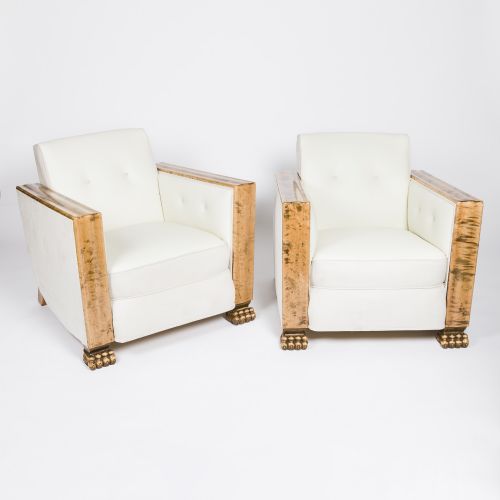


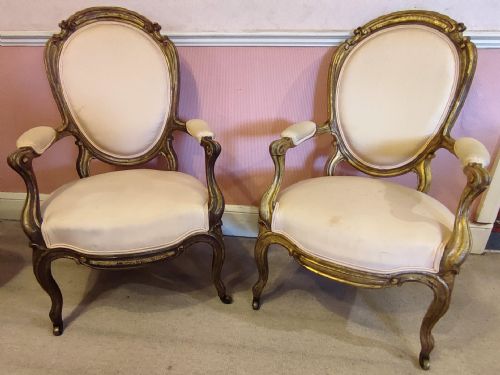


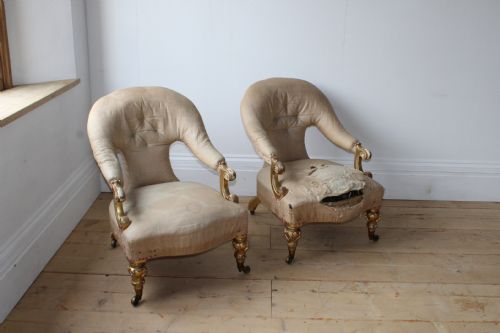
Carved Gilt Lounge Seat
A carved gilt lounge seat brings immediate French flair and rich gilding into a room, offering both formal elegance and deep comfort.
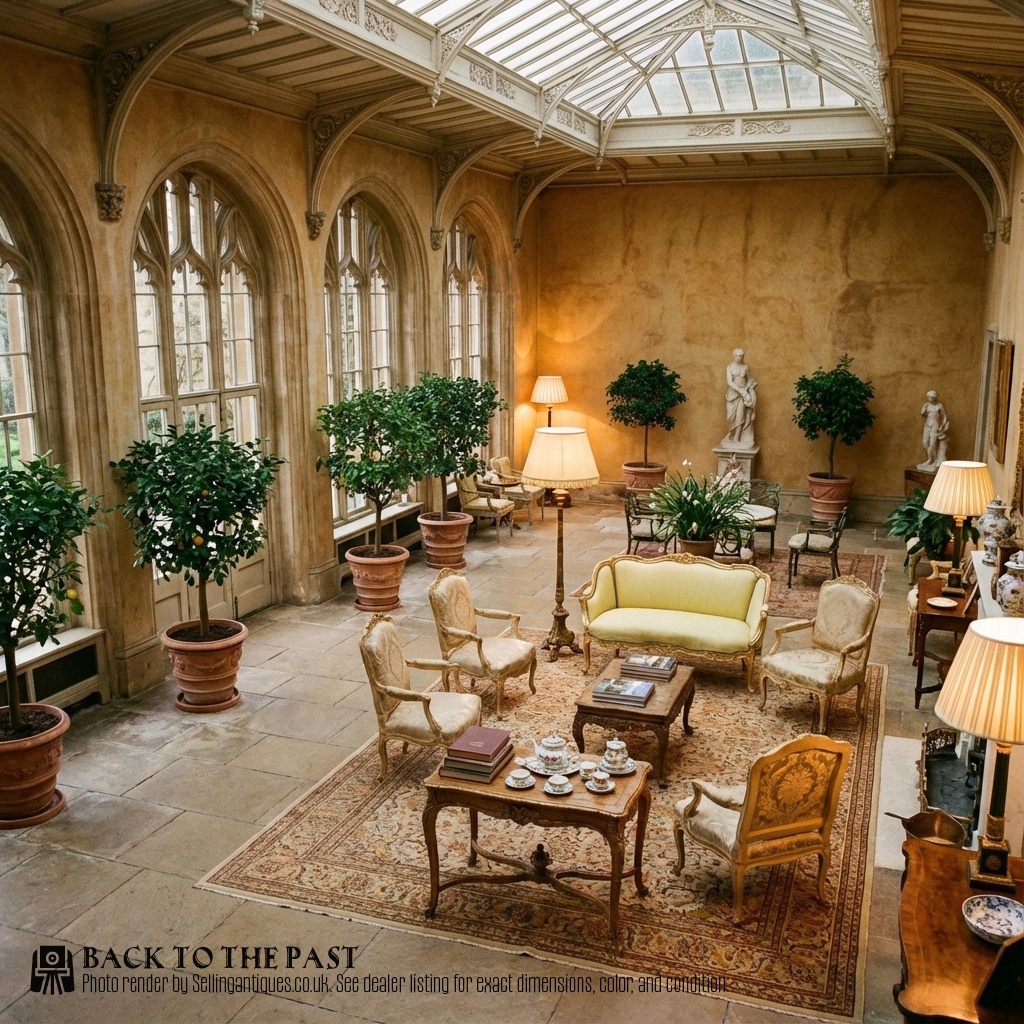
Carved Gilt Lounge Seat
When you search for a carved gilt lounge seat, you are looking at substantial wooden seating finished with gold leaf or gilt decoration, spanning armchairs, day beds, settees and sofas. These pieces draw heavily on continental European design traditions, particularly French and Italian revivals from the eighteenth and nineteenth centuries.
The versions you are most likely to meet on this page date from the nineteenth century, including Napoleon III and Louis XVI style examples, alongside occasional early twentieth century pieces. Forms range from pairs of gilded armchairs and bergere chairs to large settees and day beds.
Makers and craftsmen shaped these frames from timber, applying giltwood finishes that often complement upholstered textiles, velvet and leather. They serve as statement seating that anchors a drawing room or formal parlour with historic presence.
How they were made
Carpenters and carvers shaped these frames from timber, employing traditional joinery to build robust armchairs, day beds and sofas. The exposed wooden elements received meticulous hand-carving before the application of gold leaf or gilt decoration.
Upholstery techniques matched the formal requirements of each period, incorporating supportive interior stuffing beneath textile, velvet or leather coverings. Brass details sometimes appeared as structural or decorative accents on specific forms.
Some nineteenth-century makers evidently decided that if a chair was going to be gilded, every single scroll deserved an extra pinch of gold leaf just to be safe.
What varies in quality
The depth, crispness and vitality of the wood carving separate ambitious workshop production from simpler commercial output. Crisp floral motifs, scrolls and moulding lines indicate skilled handwork rather than mechanical shaping.
The integrity of the gilt surface and the quality of the timber beneath determine the overall presence of the piece. Well-preserved giltwood retains a warm, layered metallic sheen that ages gracefully without crude overpainting.
The Carved Gilt Lounge Seat Glossary
- Giltwood
- Timber that has been coated with gold leaf or metallic powder over a prepared gesso ground. This finish provides a bright, reflective surface characteristic of formal European seating.
- Napoleon III
- A nineteenth-century French design period associated with eclectic revivals of past royal styles. Pieces from this era often combine rich gilding with comfortable upholstery.
- Rococo
- An ornate artistic style characterised by asymmetry, scrollwork and naturalistic plant motifs. It heavily influenced the French and Italian revival chairs seen in nineteenth-century production.
- Day bed
- An elongated lounge seat designed for reclining during the day. These forms bridge the gap between a sofa and a bed.
Carved Gilt Lounge Seat: Frequently Asked Questions
What is a carved gilt lounge seat?
A carved gilt lounge seat is an ornate wooden chair, sofa or day bed finished with gold leaf or gilt decoration. These pieces reflect historical European revival styles and provide decorative seating for formal interiors.
They function as both functional furniture and striking visual statements within a room. Most surviving examples date from the eighteenth and nineteenth centuries.
How do I identify French revival styles?
French revival styles like Louis XVI and Louis XV show distinct decorative vocabularies on their wooden frames. Louis XVI pieces typically feature straight fluted legs and neoclassical motifs, whereas Louis XV designs lean towards curved lines and cabriole legs.
Examining the carving style and overall silhouette helps determine whether a nineteenth-century piece looks back to French or Italian traditions.
Where should I place a gilt lounge seat?
These pieces suit reception rooms, drawing rooms or large bedrooms where their metallic finish and historic forms can be appreciated. They work well as standalone focal points or paired opposite a fireplace.
Because of their decorative nature, they are best placed away from heavy foot traffic to protect the gilt finish and delicate textiles.
What materials make up these seats?
The primary structural material is timber, which is carved and finished with giltwood surfaces. Upholstery materials include textile, velvet, leather and traditional padding.
Some pieces also incorporate brass components or burr veneer accents depending on the specific period and design.
How do I care for giltwood furniture?
Giltwood requires gentle dusting with a soft, dry cloth to prevent the accumulation of dirt on the delicate metallic surface. Avoid using liquid cleaners, polishes or abrasive cloths that can strip or dull the gold leaf.
Keeping the piece away from direct sunlight and steady moisture fluctuations also preserves the timber frame and upholstery.