


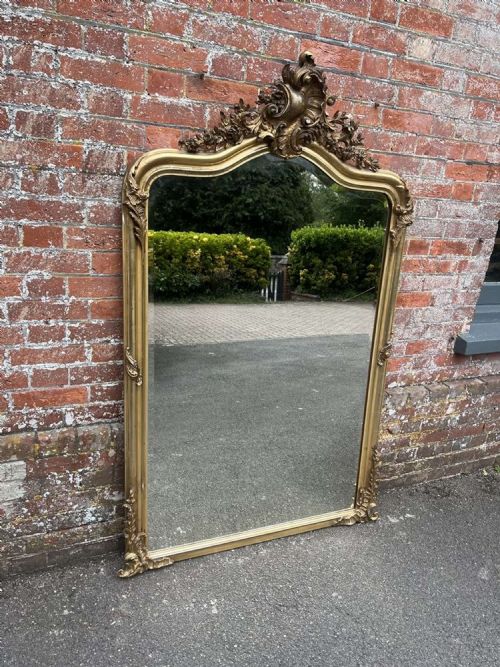
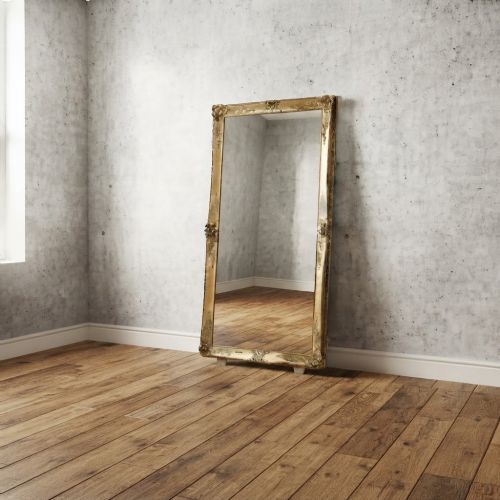
Rococo Style Gilt Mirror
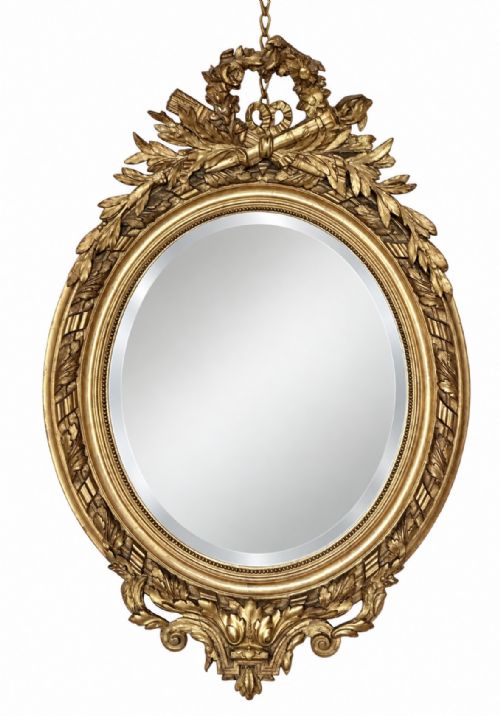
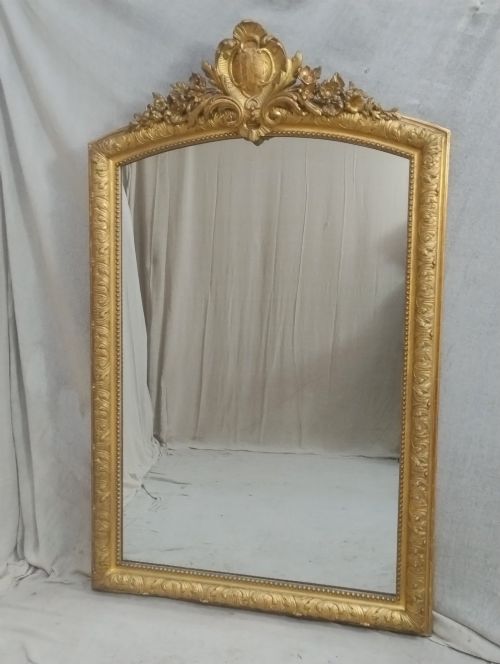
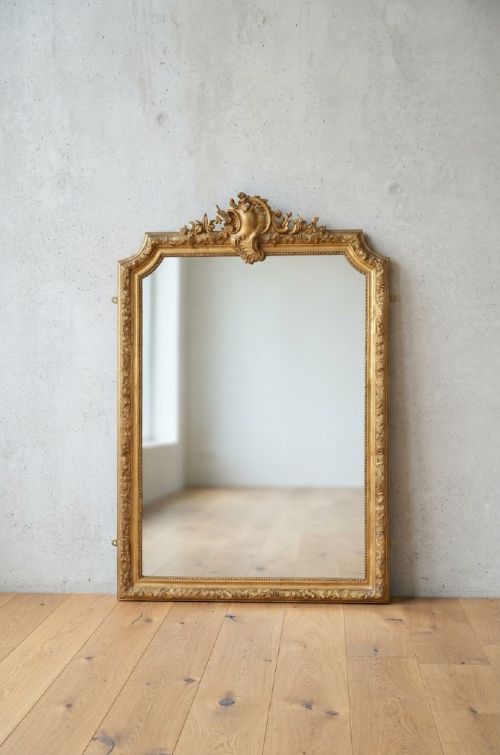
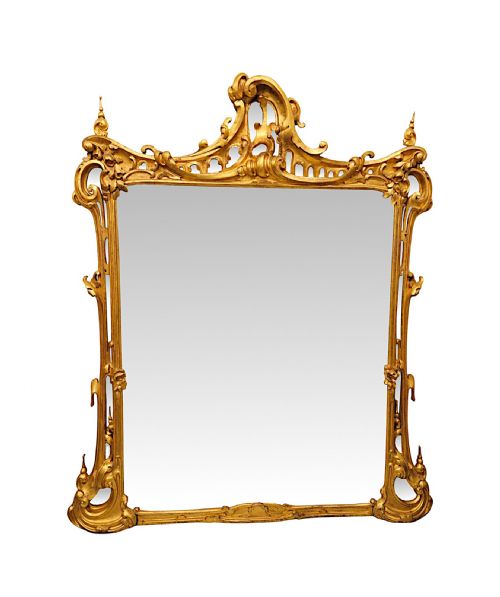
A rococo style gilt mirror brings sweeping asymmetry, scrolling foliage, and radiant gold leaf surfaces to domestic interiors.
Rococo Style Gilt Mirror
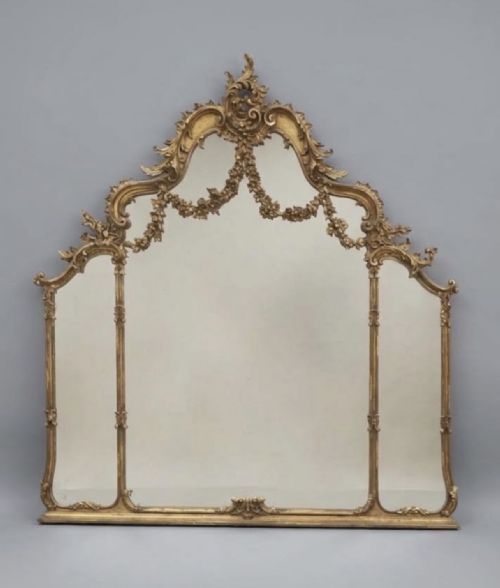
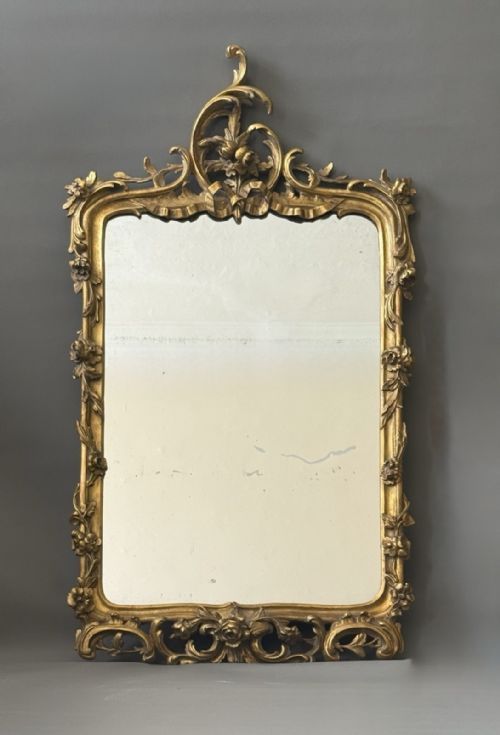
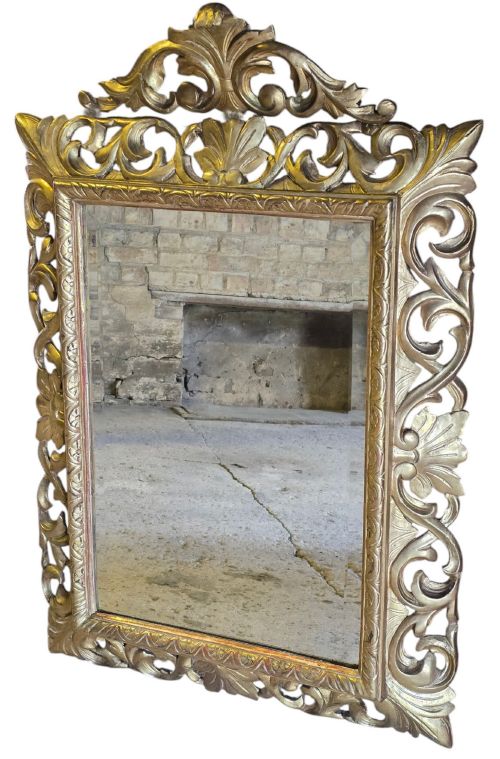
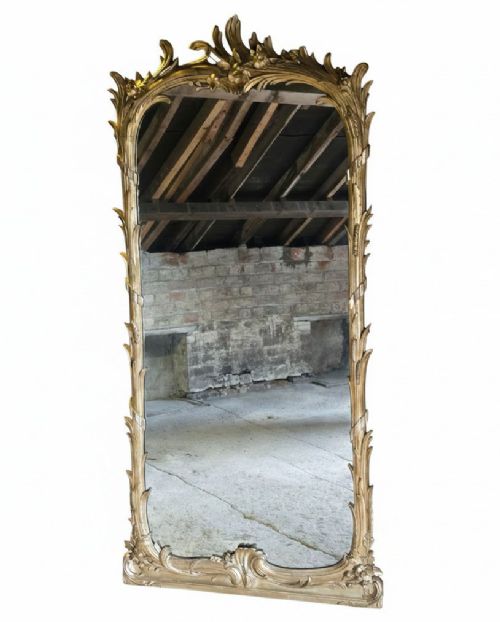
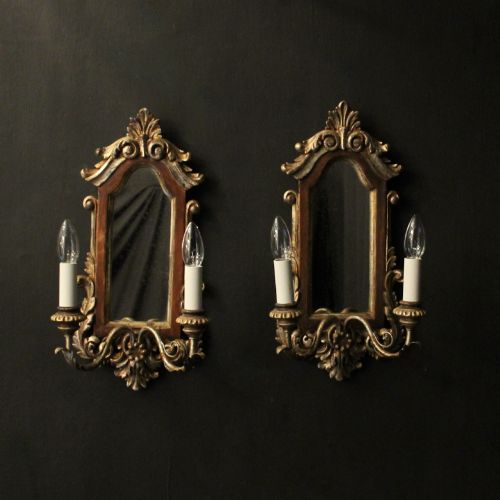
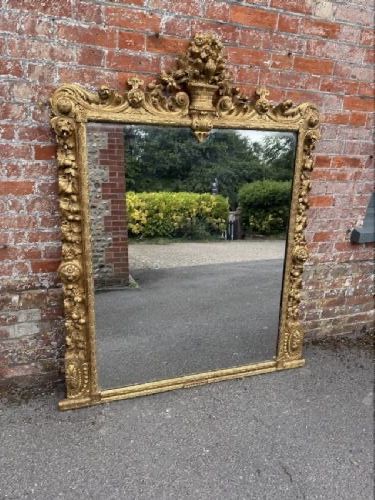
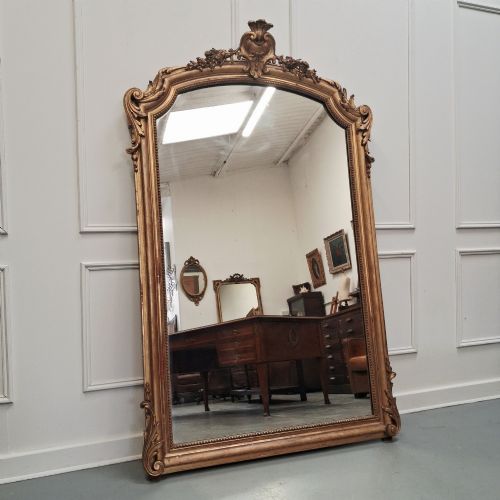
When searching for a rococo style gilt mirror, buyers encounter grand overmantels, tall pier glasses, and elaborate wall mirrors originating primarily from the nineteenth century alongside eighteenth-century originals and twentieth-century revivals.
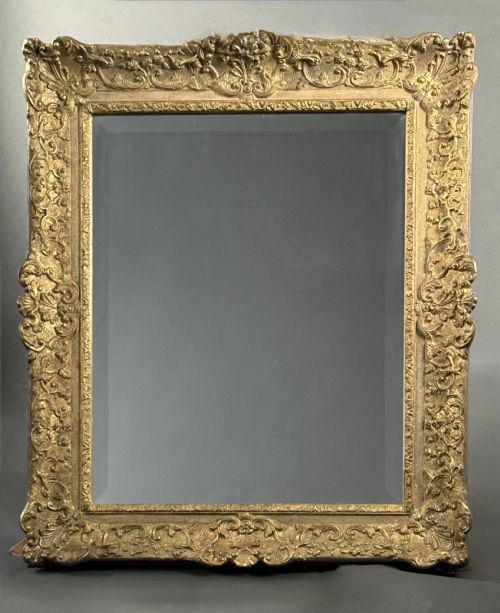
The dominant forms display asymmetrical cartouches, C-scrolls, and naturalistic shell motifs executed in carved wood, moulded gesso, and composition.
French and Italian workshops created many of the surviving examples, producing pieces tailored for principal reception rooms and boudoirs.
How they were made
Carvers shaped solid timber frames from wood such as pine or walnut, applying layers of plaster and gesso to build up high-relief scrolls and floral garlands before gilding them with gold leaf or silver gilt.
Composition material pressed into metal moulds created repetitive ornamental details on nineteenth-century and later frames, reducing the hand-carving labour required for complex flourishes.
Early plates consisted of mercury glass or antique sheet glass showing foxing and minor imperfections, whilst later examples utilised bevelled or modern mirror plates.
Rococo Style Gilt Mirror Retail Price Guide 2026
Typical asking prices for rococo style gilt mirror among the pieces listed under this phrase on Sellingantiques today, from the lower quarter to the upper quarter. They describe what is for sale here now, not the wider market.
Some tall trumeau mirrors hide landscape oil paintings right above the glass, offering art and reflection in one frame.
What varies in quality
Depth of carving and sharpness of detail distinguish superior pieces from standard production, as skilled artisans undercut the wooden foliage to create true three-dimensional movement rather than flat relief.
The integrity of the preparation layers determines long-term stability, with fine gesso retaining crisp edges while degraded plaster obscures the underlying form.
Original mirror plates carrying natural foxing contribute to the historical character, whereas later replacement glass presents an entirely uniform reflection.
The Rococo Style Gilt Mirror Glossary
- Giltwood
- Wood that has been coated with gold leaf applied over a prepared ground. This technique creates a warm, reflective surface that ages with a soft patina.
- Gesso
- A plaster-like mixture applied to wooden frames as a base for gilding. Skilled carvers incised fine details into this layer before applying gold leaf.
- Overmantel mirror
- A large horizontal mirror designed to hang above a fireplace mantelpiece. These pieces often anchor the decorative scheme of a principal room.
- Pier glass
- A tall, narrow mirror manufactured to hang on the wall space between windows. They frequently matched console tables placed directly beneath them.
- Foxing
- Age-related spots and discolouration within the silver backing of older mirror plates. Collectors prize this natural oxidation as proof of antiquity.
- Composition
- A moulded mixture of whiting, resin, oil and glue used to form decorative ornaments. Workshops applied these press-moulded details onto wooden frames to speed production.
Rococo Style Gilt Mirror: Frequently Asked Questions
How do I hang a heavy overmantel mirror?
Heavy overmantel mirrors require direct fixing into masonry walls using appropriate heavy-duty brackets or steel plates secured to structural studs. Due to the substantial weight of carved wood and plaster frames, relying solely on standard picture wire creates a structural risk.
Professional installation ensures the frame weight distributes evenly along the lower support ledge and upper safety fixings. This method prevents the wooden joints from twisting under prolonged tension.
Are these mirrors suitable for bathrooms?
High humidity and fluctuating temperatures in bathrooms accelerate the deterioration of historic gesso and traditional silver backing. Moisture penetrates the porous ground layers behind the gold leaf, causing the gilding to lift and flake away from the wood.
Dry reception rooms, hallways, and bedrooms provide the stable environment necessary for preserving antique gilt surfaces. Placing them away from direct heat sources also protects the brittle composition ornaments.
How can I tell an 18th-century mirror from a 19th-century revival?
Eighteenth-century originals feature hand-carved wooden construction with organic asymmetry and distinct tool marks visible beneath the gesso layers. Nineteenth-century revival pieces often incorporate moulded composition ornament alongside machine-sawn timber components.
Examining the reverse of the frame and the mounting system reveals construction methods typical of specific periods. Original backboards and old fixings offer further clues to the manufacturing date.