


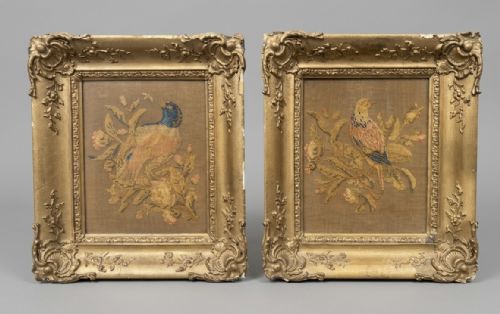

Rococo Style Framed Art
Rococo style framed art brings 18th-century French elegance, theatrical portraiture and gilded craftsmanship directly to interior walls.
Rococo Style Framed Art
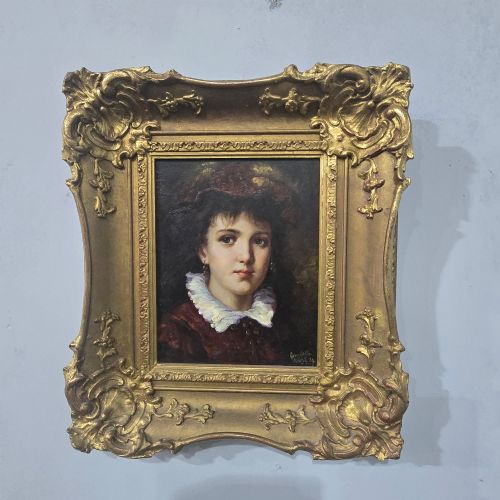
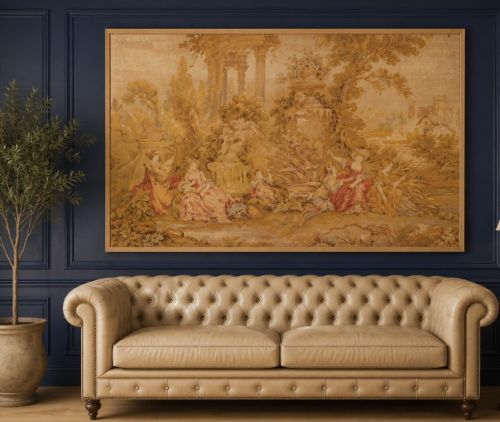
When you search for rococo style framed art, you encounter ornate oil paintings, pastel portraits, tapestries and miniature artworks housed within elaborate enclosures. These pieces capture the extravagant aesthetic of the 18th century, drawing heavily on French decorative traditions and later revivals.
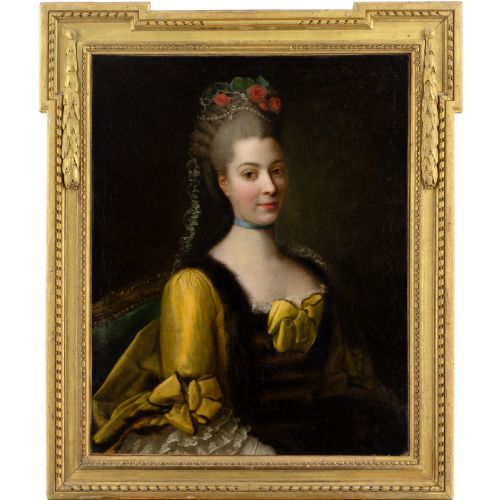
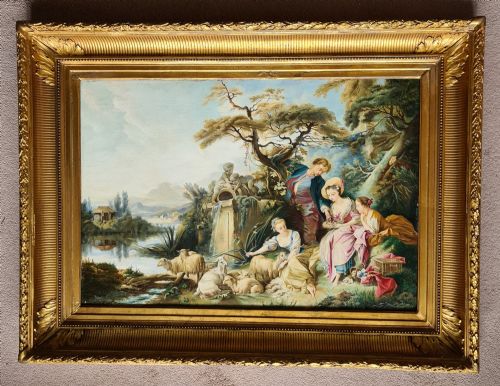
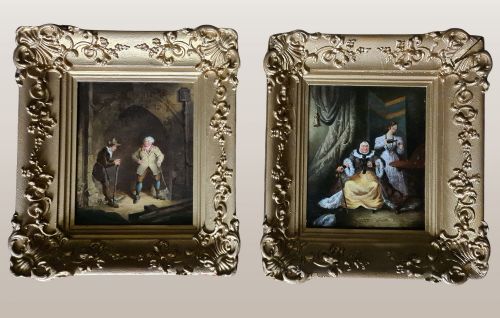
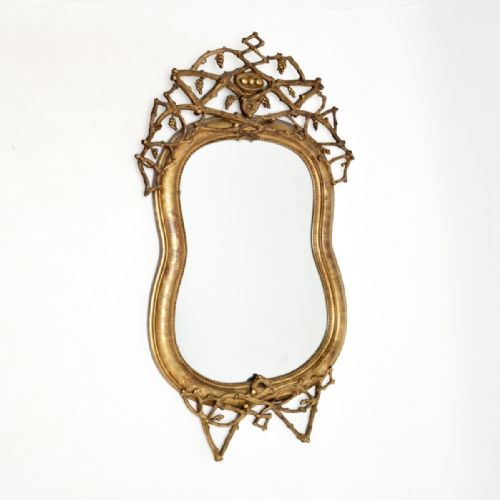
The versions most commonly met on this page include 19th-century oil paintings on canvas depicting courtly scenes or elegant figures, alongside decorative mirrors and needlework panels. Many items channel the spirit of masters like Francois Boucher or Jean-Antoine Watteau through period copies and commemorative works.
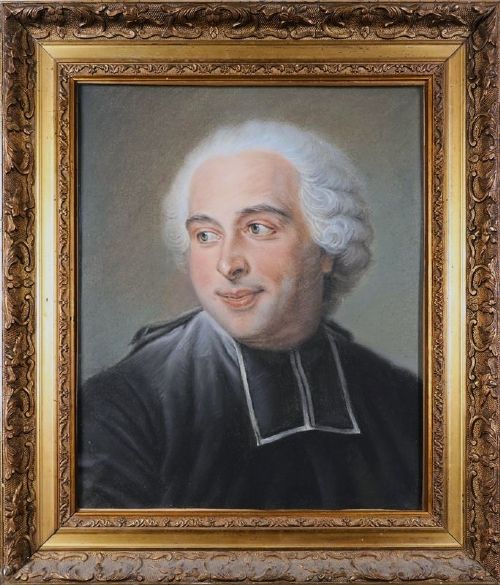
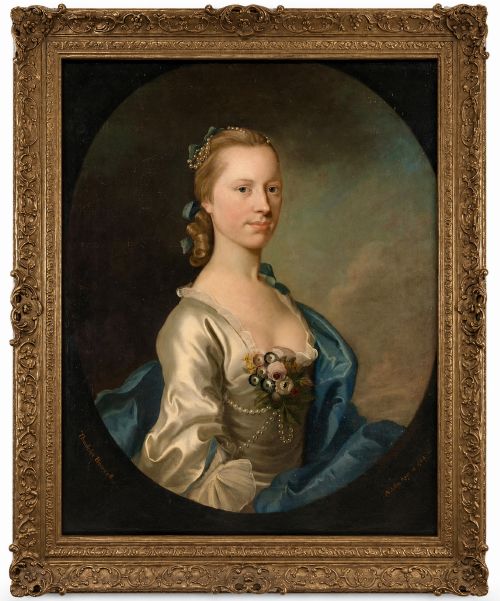
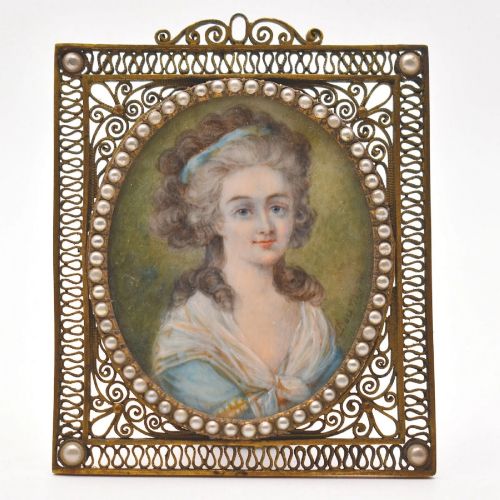
Framed works in this category range from intimate, seed pearl-adorned miniatures to large, imposing canvases. They reflect various periods from the 18th century onward, celebrating historical genre scenes, delicate florals and aristocratic portraits.
Materials and Construction
The physical support for these artworks relies primarily on stretched canvas, wooden panels and copper or porcelain plaques, painted with oil or pastel mediums. Needlework pictures and woven tapestries also form a distinct subset of the framed items available.
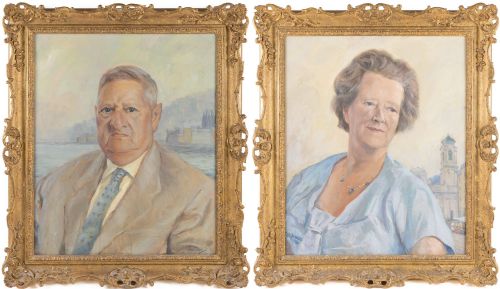
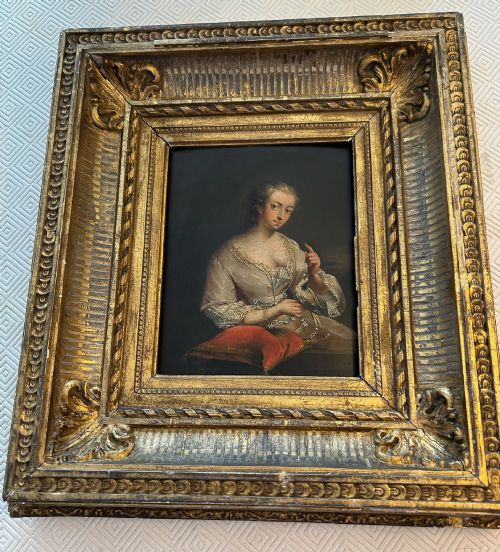
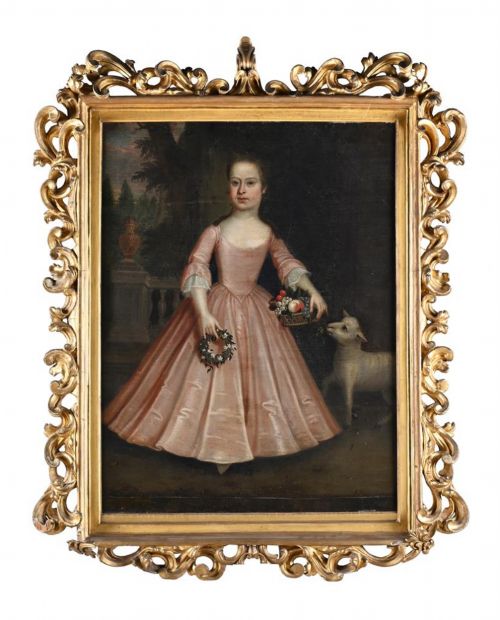
Frames are constructed from wood and embellished with gesso to create high-relief scrolls and organic motifs, which are subsequently finished with gold leaf or metallic giltwood. This combination of carved wood and layered plaster allows for the deep, sweeping curves characteristic of the style.
Several portraits preserve the likenesses of long-forgotten flautists, marquises and card-playing gentlemen.
Assessing Craftsmanship and Age
Quality in these framed works depends upon the crispness of the gesso moulding and the depth of the gilding on the frame. Hand-carved wooden frames with intricate, fluid asymmetrical scrolls stand distinctly apart from simpler moulded plaster reproductions.
The artistic merit of the interior artwork dictates overall desirability, separating competent decorative copies from finely rendered portraiture with expressive brushwork. The integration between the artwork and its period frame also influences the character of the piece.
Francois Boucher·Jean-Baptiste Greuze·Allan Ramsay·Johann Hamza·Ernest Higgins Rigg
The Rococo Style Framed Art Glossary
- Giltwood
- Wood carved and coated with gold leaf or metallic powder to create a lustrous golden finish. It provides a durable and reflective surface for ornate picture frames.
- Gesso
- A plaster mixture applied to wood frames and sculpted into raised decorative reliefs before gilding. This material allows for intricate curves and organic motifs.
- Rococo Revival
- A 19th-century design movement that imitated the 18th-century French taste for asymmetry, C-scrolls and natural ornamentation. It heavily influenced the creation of sweeping picture frames.
- Oil on Canvas
- Pigment mixed with drying oil applied to a woven fabric support stretched over a wooden frame. This technique dominated European painting from the 18th century onwards.
- Miniature Painting
- A small-scale artwork, often executed on ivory, copper or vellum, housed within a compact protective frame. These delicate portraits frequently incorporate decorative details like seed pearls.
Rococo Style Framed Art: Frequently Asked Questions
What subjects appear in rococo art?
These pieces frequently depict aristocratic portraits, romantic pastoral landscapes and theatrical genre scenes involving musicians or card players. Mythological themes and elegant female beauties also recur across the painted works.
Artists drew inspiration from court life at Versailles and theatrical performances, creating whimsical compositions designed to engage the viewer's eye through graceful movement and soft palettes.
How do I date a gilt frame?
Dating relies on examining the construction methods of the wooden corners, the composition of the gesso layer and the type of gilding used. Earlier frames often feature hand-carved wooden details beneath the plaster.
Later Victorian and 20th-century revivals frequently utilise machine-stamped ornamentation or different backing materials that distinguish them from their 18th-century predecessors.
Where should I hang these pieces?
These framed works suit living rooms, hallways or studies where their decorative gilding can catch ambient light. They pair effectively with traditional interiors or act as a striking contrast against minimalist contemporary walls.
Due to the sensitivity of oil paint, pastel and antique gilding, placement should avoid direct, prolonged sunlight and excessive moisture.
Are these works original 18th-century pieces?
The selection includes both authentic 18th-century items and later 19th-century revival pieces created in the same aesthetic tradition. Many artworks are period copies after famous masters like Boucher or Watteau.
Each listing specifies the verified period of manufacture, helping collectors distinguish between original 1700s works and subsequent historical interpretations.