


Rococo Style Fauteuils
Rococo style fauteuils bring dynamic, flowing lines and classic French seating forms into a room, offering both historic character and deep comfort.
Rococo Style Fauteuils
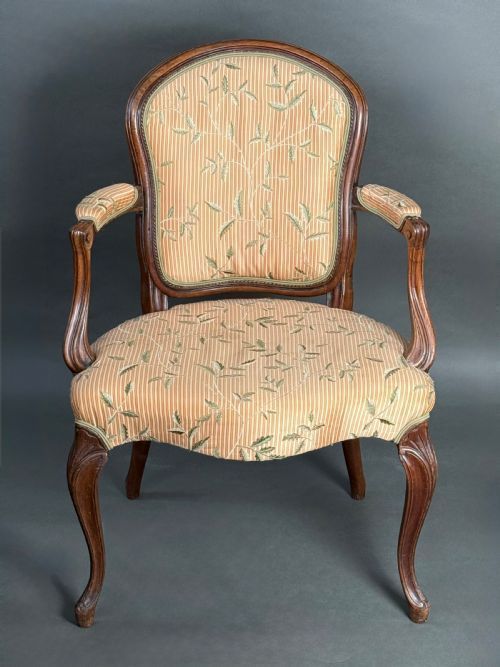
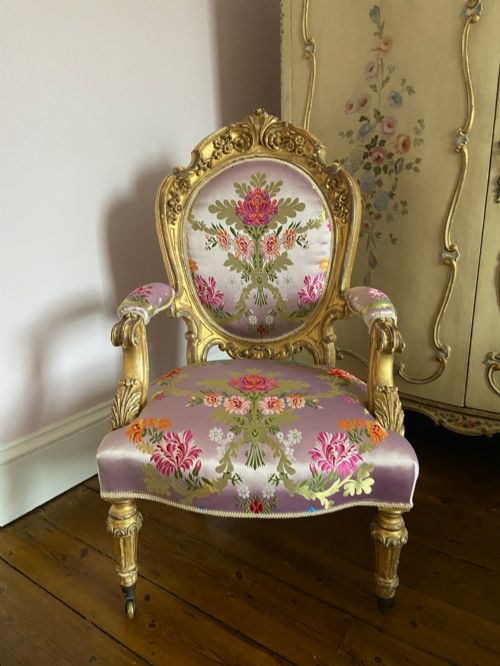
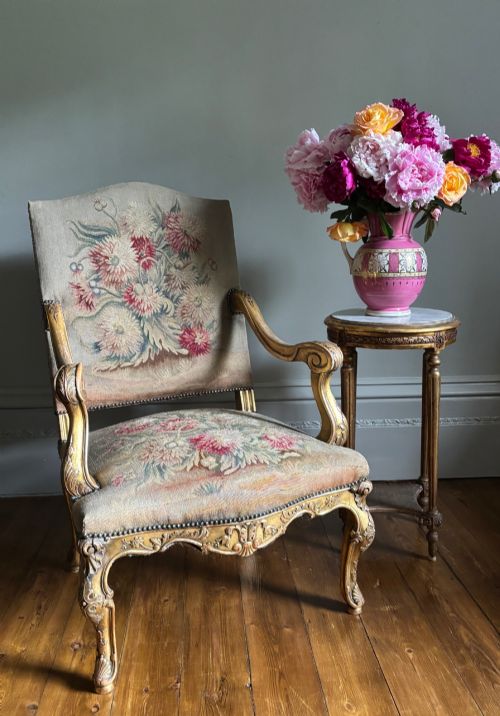
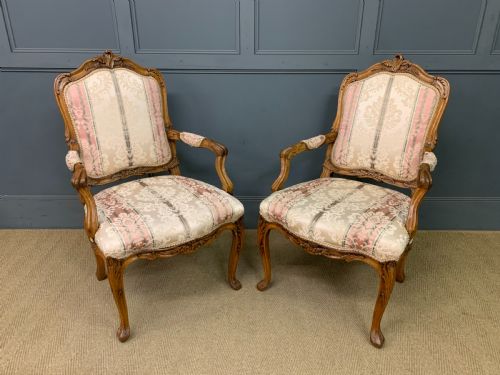
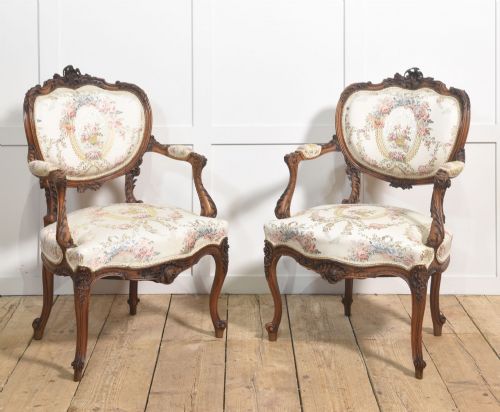
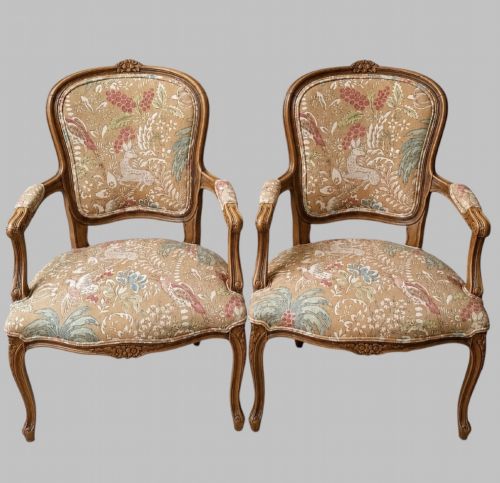
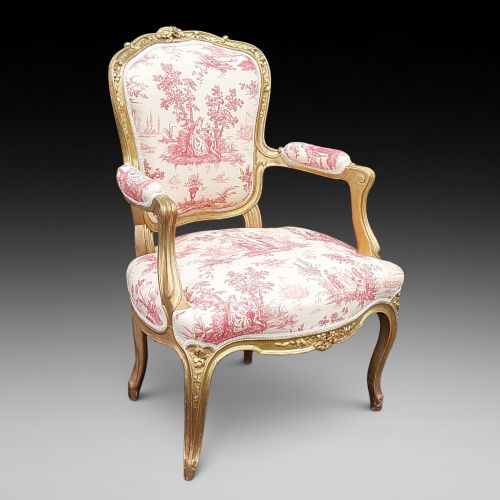
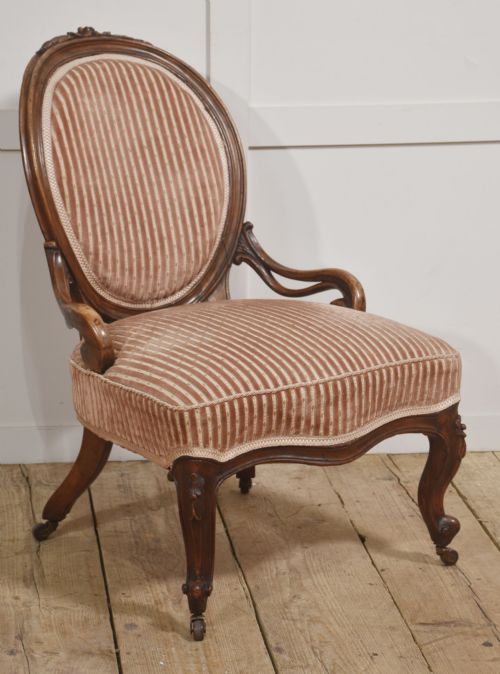
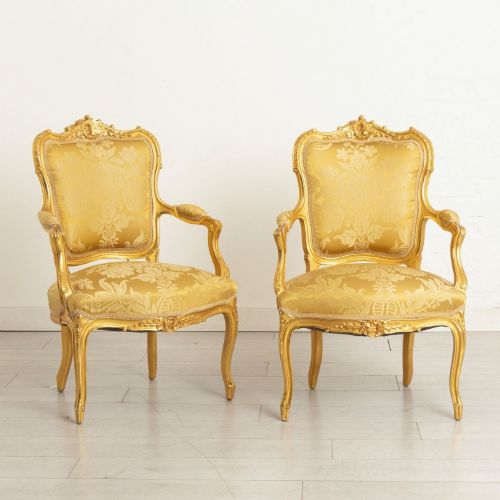
Rococo style fauteuils are open-armed upholstered seats originating from French and continental traditions, defined by curvilinear wooden frames and generous padded seats. When searching for rococo style fauteuils, buyers encounter numerous revival pieces from the nineteenth century alongside eighteenth-century originals.
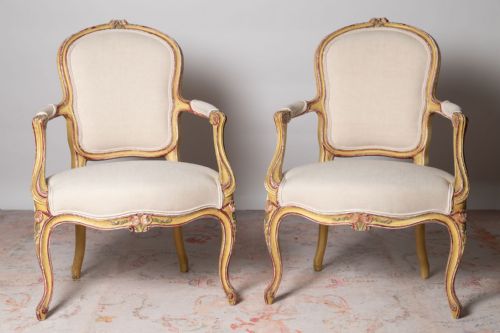
Makers and workshops across France, Italy, and England adopted these fluid shapes, producing everything from giltwood salon chairs to solid walnut armchairs. Buyers primarily select these pieces to anchor a drawing room or bedroom with distinctive continental elegance.
How they were made
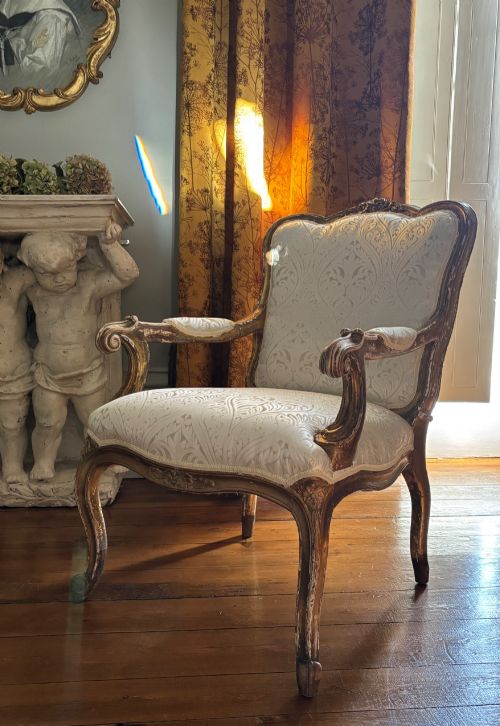
Carpenters shaped the structural frames from solid hardwoods like walnut, beech, and mahogany, utilising hand-carved joinery to achieve slender, curving profiles. Artisans then applied layers of gesso before gilding the surface with gold leaf or finishing the wood with paint and varnish.
Upholstery involved traditional stuffing techniques layered over webbing and springs, secured with textile fabrics such as silk, velvet, and needlework. The carved decoration relied entirely on hand chiselling, producing asymmetrical scrollwork, floral motifs, and foliage across the crest rails and cabriole legs.
Listings feature walnut, mahogany, and beech frames alongside giltwood and painted finishes.
What varies in quality
The crispness and depth of the hand-carved ornamentation separate standard production from exceptional examples, as skilled carvers achieved fluid, three-dimensional plant forms without clumsy tool marks. The choice of primary wood and the integrity of the original giltwood or painted surface determine the visual weight and historical fidelity of the frame.
Proportion and structural balance dictate the refinement of a seat, where superior pieces maintain elegant curves that support the body harmoniously. The quality of the underlying frame construction ensures that the chair withstands daily use while preserving its delicate silhouette.
Blaise Maucuy
The Rococo Style Fauteuils Glossary
- Fauteuil
- An open-armed upholstered armchair with exposed wooden framing around the back and armrests. This distinct French seating form emerged during the seventeenth century and evolved through successive royal reigns.
- Giltwood
- Wood that has been coated with thin sheets of gold leaf over a prepared gesso ground. This luxurious finish reflects light and highlights intricate carved details on formal seating.
- Cabriole leg
- A furniture leg that curves outward at the knee and tapers inward toward the foot, mimicking animal limbs. It forms a defining structural element of rococo design.
- Barocchetto
- The Italian interpretation of rococo design characterised by exuberant carving and theatrical flourishes. These pieces frequently appear in walnut or painted finishes.
Rococo Style Fauteuils: Frequently Asked Questions
What is a fauteuil?
A fauteuil is a traditional French upholstered armchair featuring open wooden arms and an exposed carved frame. The design prioritises comfort alongside formal elegance.
Unlike enclosed upholstered chairs, the open sides of a fauteuil keep the room feeling light while providing generous arm support.
How do you date a rococo style armchair?
Dating relies on examining the timber species, tool marks, joinery methods, and the specific characteristics of the revival period. Nineteenth-century interpretations often employ machine-assisted elements alongside hand carving.
Original eighteenth-century pieces display hand-cut joinery and authentic wear patterns appropriate to their age. Revival pieces from the Victorian era onward incorporate stylistic traits from earlier reigns.
Where should I place these armchairs?
These armchairs suit drawing rooms, studies, and bedrooms where their decorative woodwork complements traditional interiors. They work well as paired accent seating or as part of a larger salon suite.
Because of their open frames and delicate carvings, they look best positioned away from heavy foot traffic where their silhouettes can be appreciated.
Are these chairs comfortable for daily use?
These seats were designed for leisurely conversation and entertaining, offering supportive upholstered backs and padded armrests. Modern upholstery can be adjusted for firm or soft seating preferences.
The wide stance and generous seat depth provide comfortable lounging, though the upright posture reflects period standards of relaxation.