


Rococo Style Candlesticks
Rococo style candlesticks bring asymmetric scrollwork and elaborate gilt bronze or porcelain figures from the nineteenth century into the modern room.
Rococo Style Candlesticks
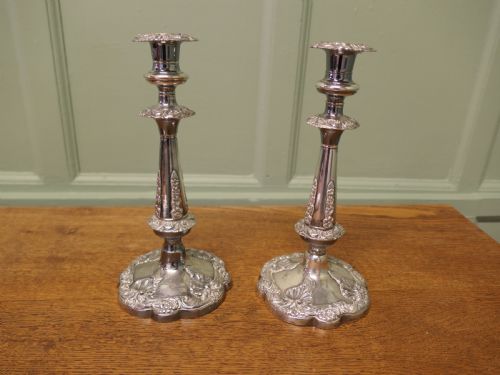
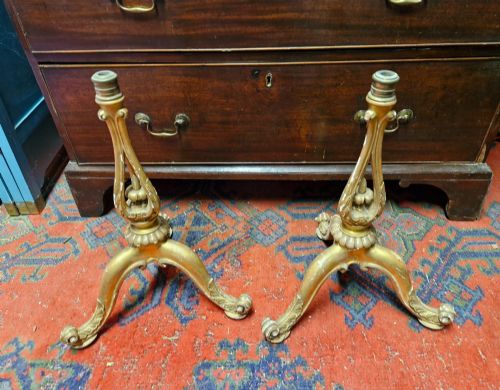
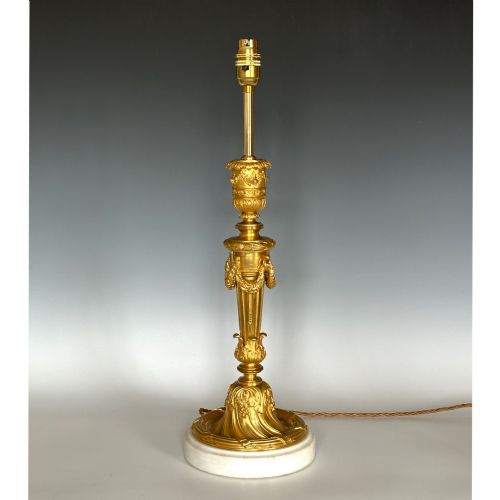
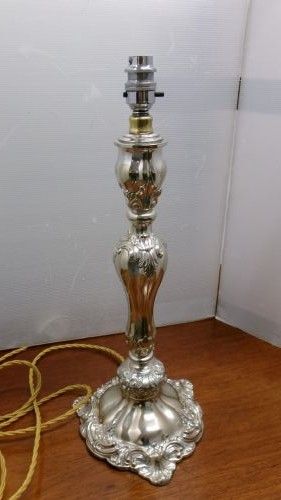
Rococo style candlesticks emerge predominantly across the nineteenth century, drawing heavily on French Louis XV designs characterised by exuberant curves, naturalistic foliage and flame motifs. The inventory on this page consists mainly of pairs, alongside matching candelabra, chambersticks, and pieces later converted into table lamps.
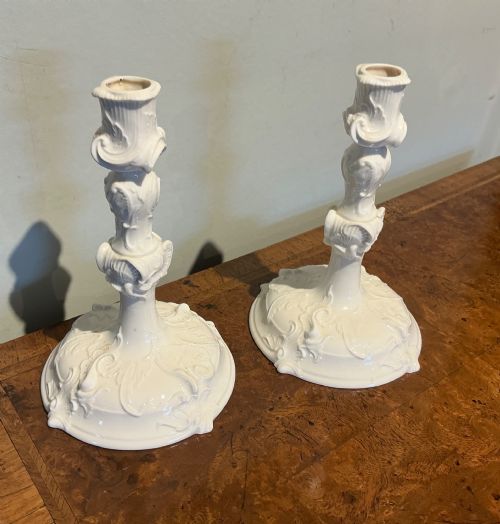
Buyers will encounter two main forms: cast metal pieces fashioned from ormolu, gilt bronze, brass, and silver plate, and ceramic examples featuring hard paste porcelain figures. German factories such as Sitzendorf, Meissen, and Dresden dominate the porcelain output, while French workshops supply the gilt metal and bronze pairings.
How They Were Made
Metal examples rely on bronze casting and ormolu fire gilding, a process that bonds a mercury and gold amalgam to the bronze base under intense heat. Silver plating and silver leaf are also applied over base metals, while cast iron receives a bronze patination.
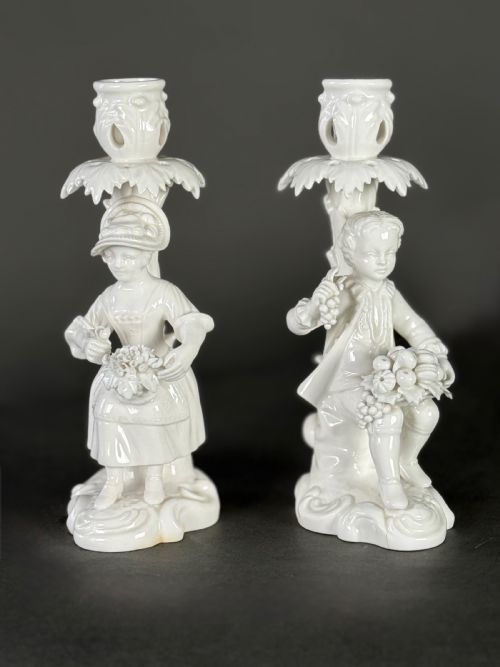
Ceramic pieces utilise hard paste porcelain, moulded with intricate figural scenes or allegorical subjects, then hand-painted with detailed enamel colours and finished with gilt highlights. Many porcelain components are subsequently mounted into cast ormolu or gilt bronze candelabra bases.
Several porcelain candlesticks depict allegorical figures of Summer and Autumn alongside gardeners tending floral bases.
What Varies in Quality
The definition and depth of the chasing separate superior metalwork from softer castings, as skilled artisans hand-chiselled the bronze after casting to sharpen the scrolling acanthus leaves and asymmetrical cartouches. Crispness in the surface detail dictates the visual weight and elegance of the object.
In porcelain pieces, the finesse of the hand-modelling and the preservation of delicate hand-painted polychrome enamels distinguish fine studio work from standard production. Intricate applied floral work requires exceptional precision by the ceramicist to survive the kiln intact.
Nymphenburg·Derby·Volkstedt·Smith & Sissons & Co·Minton·Sitzendorf·Helena Wolfsohn·Meissen
The Rococo Style Candlesticks Glossary
- Ormolu
- Gilt bronze, formed by applying a finely ground gold-mercury amalgam to a cast bronze object before firing. This technique produces a warm, durable golden surface characteristic of fine French decorative arts.
- Candelabra
- A branched candlestick holding multiple candles or light fittings. These items often feature removable arms or central figural columns.
- Chamberstick
- A low candlestick fitted with a shallow pan and a ring handle for carrying around a bedchamber. They often include a small conical snuffer.
- Hard paste porcelain
- A vitrified ceramic composed of kaolin and petuntse, fired at high temperatures to create a hard, translucent body. It forms the foundation of eighteenth and nineteenth century European figures.
- Enamel
- A glassy substance fused to metal or ceramic surfaces through firing to provide colour and decoration. It allows for rich hues on porcelain figures and floral motifs.
Rococo Style Candlesticks: Frequently Asked Questions
Are these candlesticks still safe for regular use?
Most antique pieces function well with standard taper candles, though uneven handmade sockets occasionally require small adjustments for stability.
Items converted to table lamps should be checked by a qualified electrician to ensure modern wiring meets current safety standards.
How do I clean gilt bronze and ormolu safely?
Dusting gently with a soft, dry brush prevents the accumulation of dirt in the intricate recesses of the scrollwork. Avoid abrasive cloths, water, and chemical polishes, which strip the delicate gold layer from the bronze underneath.
How should I display porcelain figures safely?
Place porcelain pieces on stable, level surfaces away from direct sunlight and high-traffic areas where they might get knocked. The delicate applied petals and painted surfaces benefit from sheltered placement inside cabinets.