



Rococo Revival Shelves
Rococo revival shelves bring asymmetrical curves and ornate surface gilding into interior spaces, offering both display space and decorative presence.
Rococo Revival Shelves
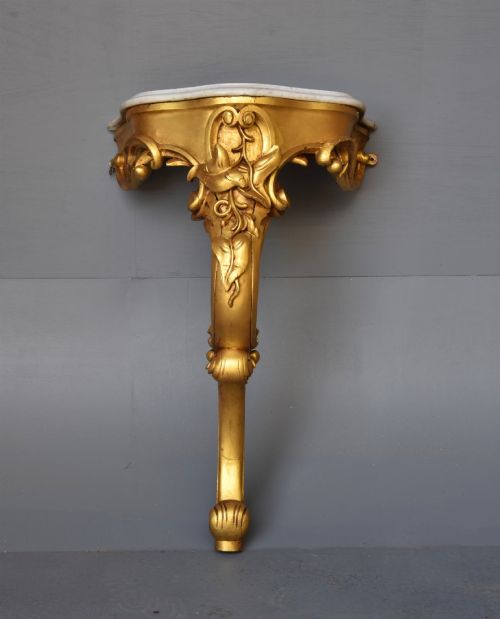
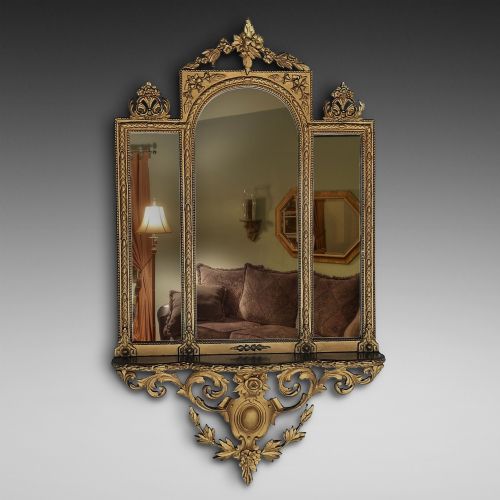
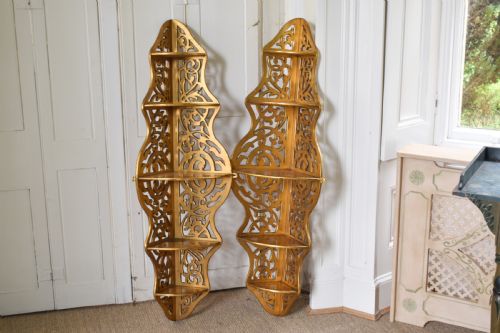
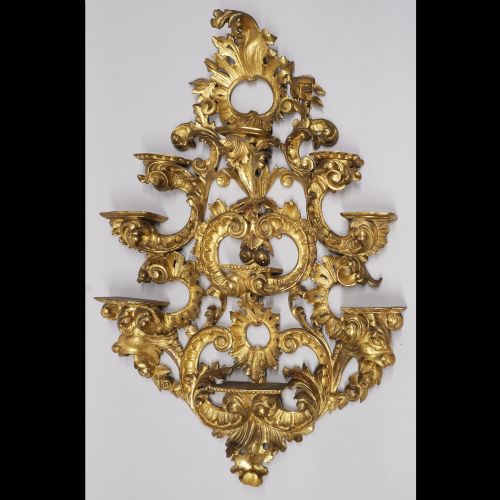
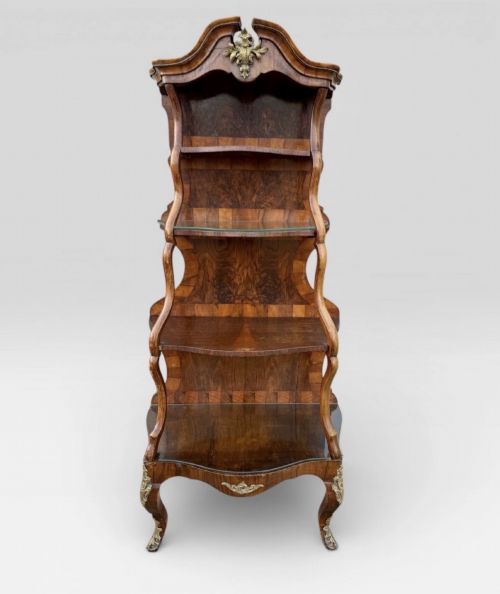
When you search for rococo revival shelves, you encounter pieces designed to mount upon walls or stand as corner units to display small ornaments. These objects draw upon nineteenth century interpretations of earlier French decorative vocabularies, featuring asymmetrical outlines and scrolled supports.
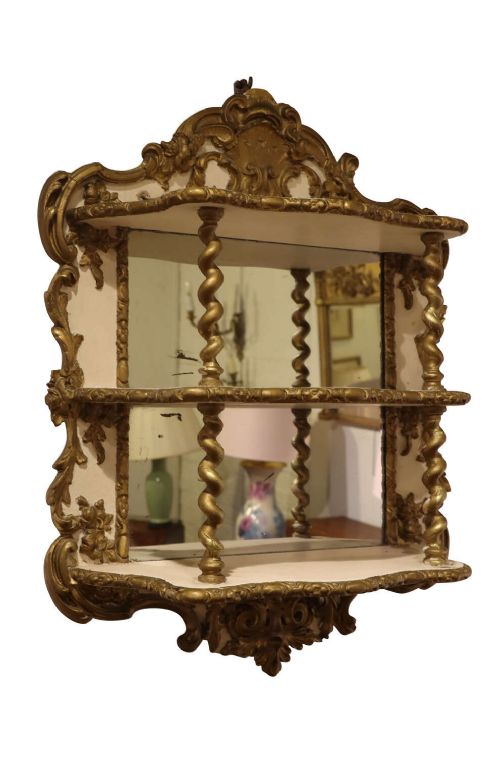
The selections on this page span the nineteenth century and extend into the early twentieth century, taking the form of wall brackets, etagere units, and corner shelves. Walnut, mahogany, and giltwood provide the structural foundation for these decorative wall fixtures.
How they were made
Carved timber frameworks provide the core structure for many examples, utilising woods such as walnut and mahogany alongside softer woods prepared for gilding. Gesso is applied beneath layers of gold leaf to create reflective metallic surfaces on carved ornaments.
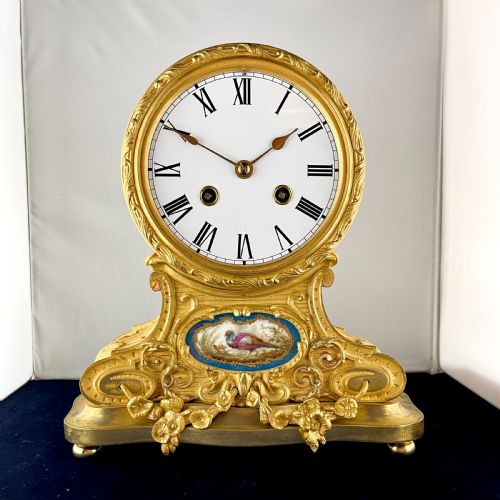
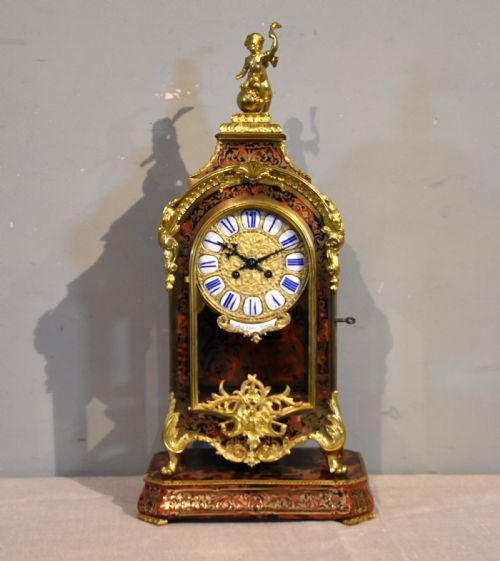
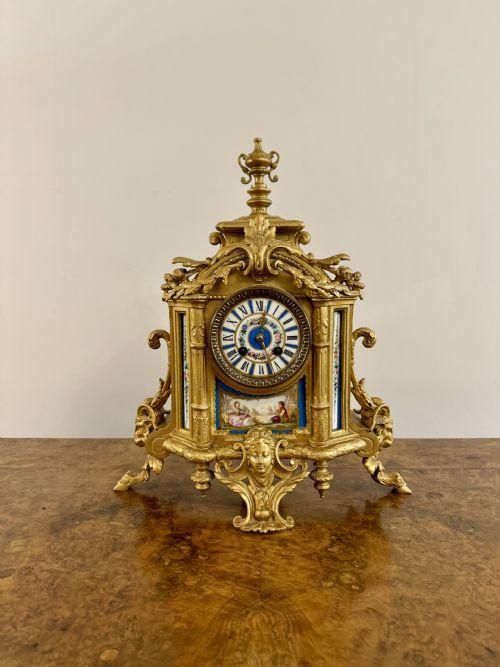
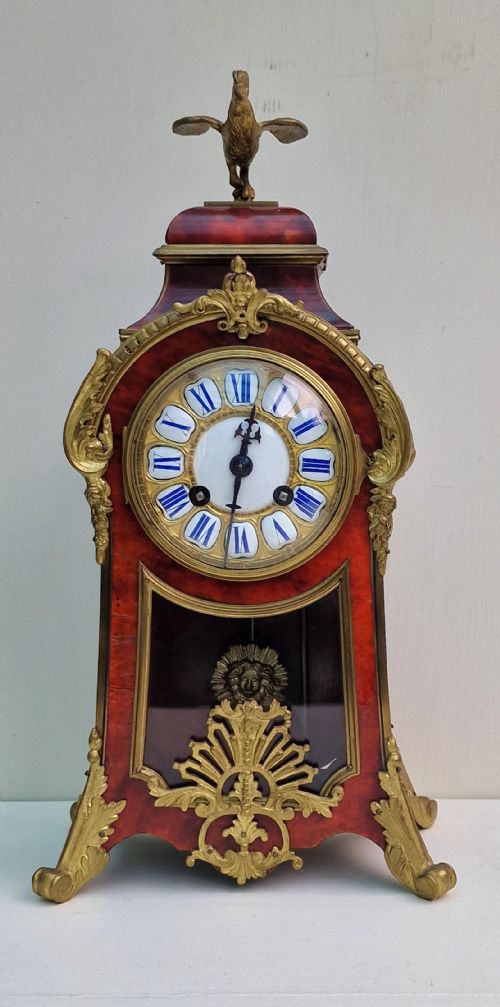
Cast bronze and ormolu components appear alongside porcelain plaques and painted panels to enrich the decorative effect. These mixed media elements are joined to wooden frames using traditional cabinetmaking techniques suited to complex serpentine forms.
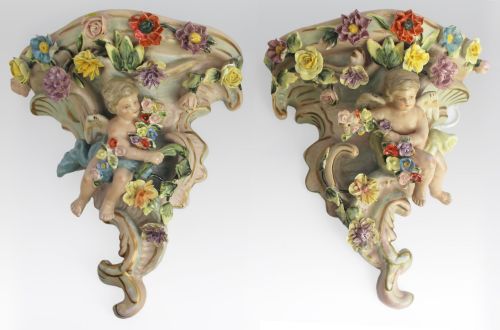
Porcelain cherubs occasionally peer out from gilded wall brackets, holding up shelves designed for tiny keepsakes.
What varies in quality
The refinement of the carving separates standard production from superior examples, particularly in the depth and crispness of floral motifs and scrolls. Hand-carved giltwood components display sharper detail than moulded compositions.
The quality of the gilding and the preservation of original painted surfaces dictate the visual impact of the piece. Integrated porcelain elements and cast ormolu mounts demonstrate distinct levels of artistic execution in their hand-painted details and chasing.
Palais Royal
The Rococo Revival Shelves Glossary
- Giltwood
- Wood that has been coated with gold leaf over a prepared gesso ground. This technique creates a luminous, reflective surface characteristic of formal nineteenth-century interiors.
- Gesso
- A plaster-like mixture applied to wooden surfaces to create a smooth base for gilding and relief ornamentation. It allows artisans to carve intricate details before applying gold leaf.
- Ormolu
- Finely chased and gilded bronze used for decorative mounts on furniture and clocks. The term derives from the French for milled gold.
- Étagère
- An open piece of furniture with multiple tiers for displaying small objects. These tiered structures often incorporate mirrors and carved brackets.
- Cabriole
- A furniture leg that bends outward in a convex curve at the top and inward in a concave curve at the bottom, terminating in a decorative foot. This silhouette originates in classical furniture design and reappears in nineteenth-century revival pieces.
Rococo Revival Shelves: Frequently Asked Questions
What are rococo revival shelves used for?
These shelves serve primarily to display small porcelain figures, clocks, and decorative vessels upon walls or in corners.
They provide vertical storage and visual interest in drawing rooms and parlours without occupying floor space.
How do I date rococo revival shelves?
Dating relies upon examining the underlying wood, the composition of the gesso, and the style of the carving. Nineteenth-century pieces often display hand-cut joinery and traditional water gilding techniques.
Comparative analysis with dated items such as mantle clocks and wall mirrors from the same period helps narrow the decade of manufacture.
How do I mount antique wall brackets safely?
Installation requires securing the bracket directly to wall studs or utilising heavy-duty wall anchors rated for the combined weight of the wood and display items. Professional installation prevents strain on antique joints and gesso surfaces.
Ensuring the backplate sits flush against the wall distributes the load evenly.
What distinguishes French revival styles from Victorian pieces?
French revival examples often adhere more closely to Louis XV or Louis XVI symmetry and ornamentation, utilising specific gilt bronze mounts and painted panels. Victorian interpretations frequently blend these continental motifs with heavier domestic timbers and broader proportions.
Examination of the secondary woods and construction methods reveals the regional workshop traditions behind each piece.