
Rococo Open Armchairs
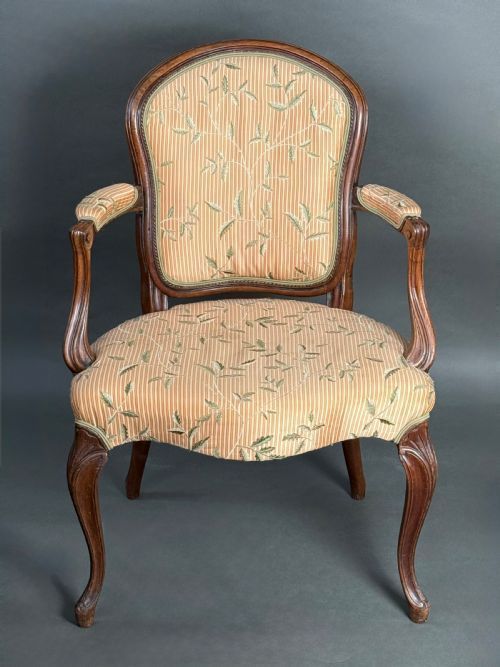
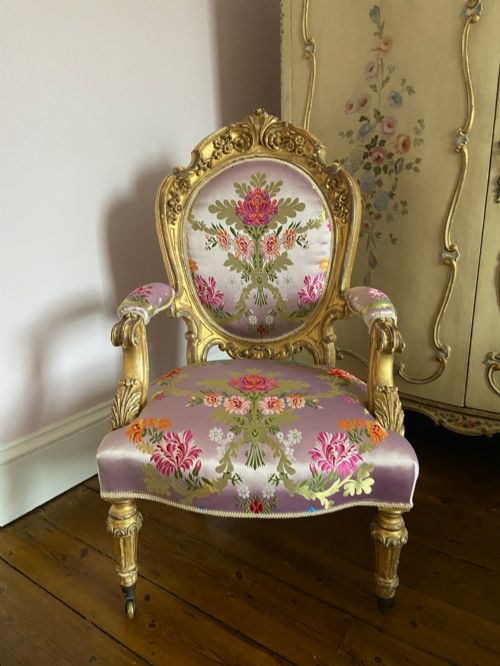
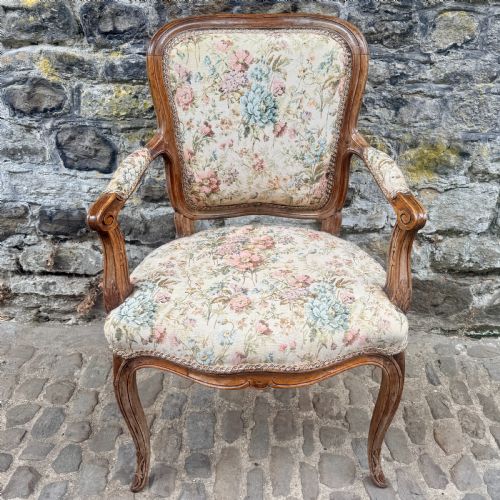
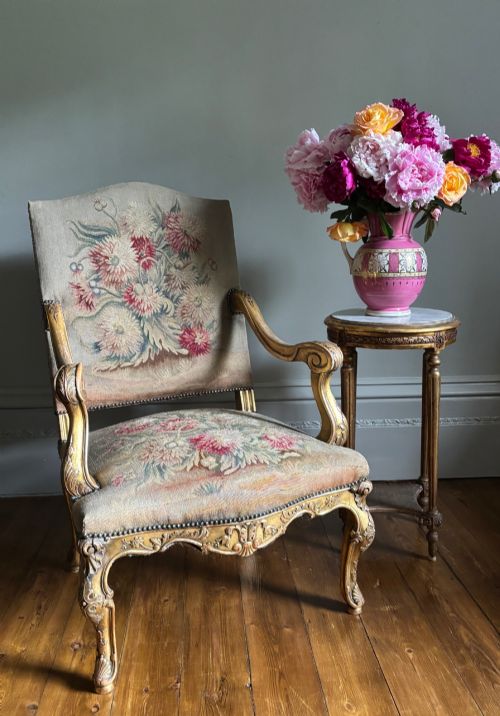
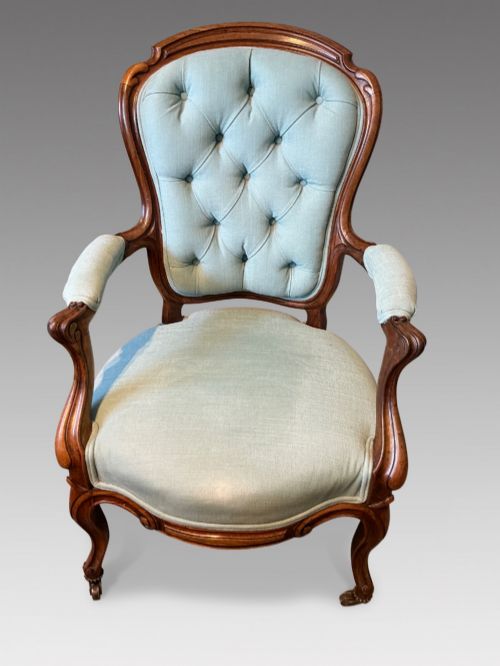
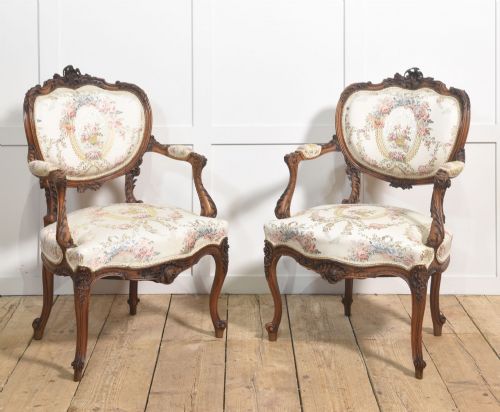
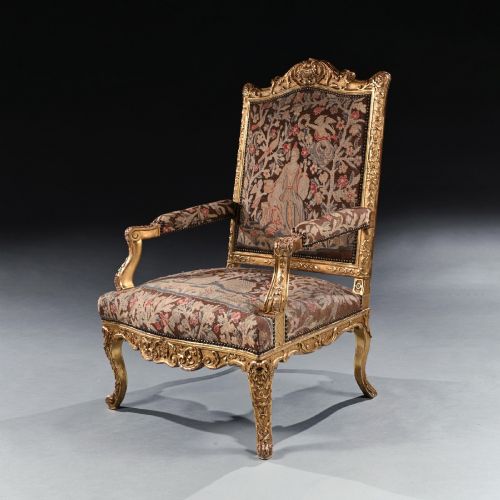
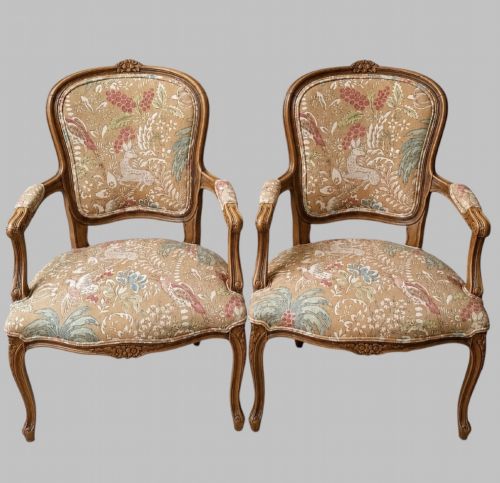
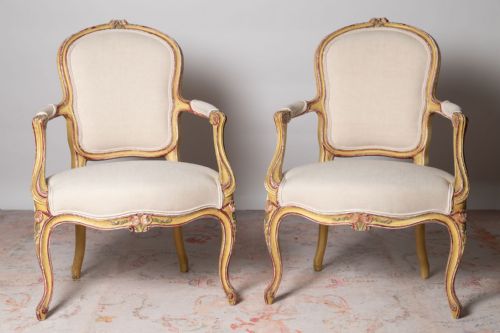
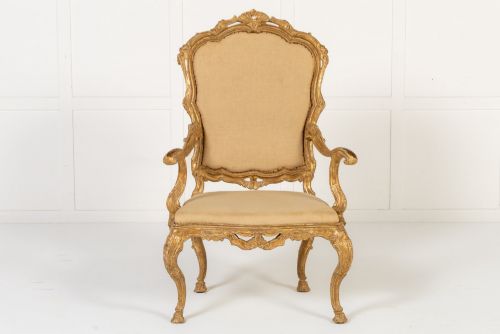
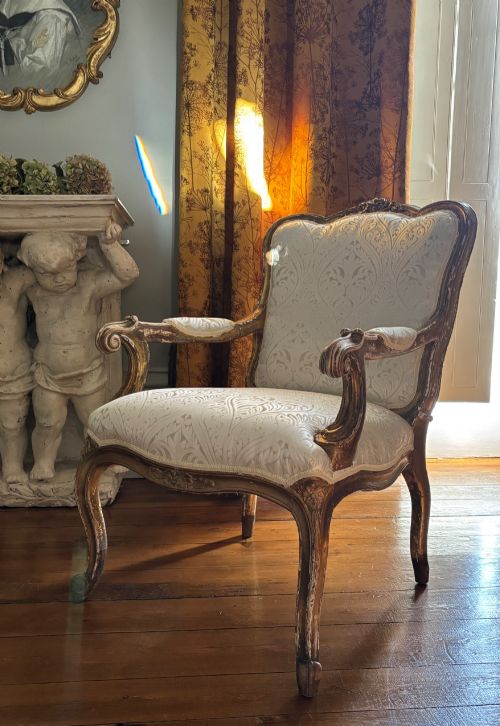
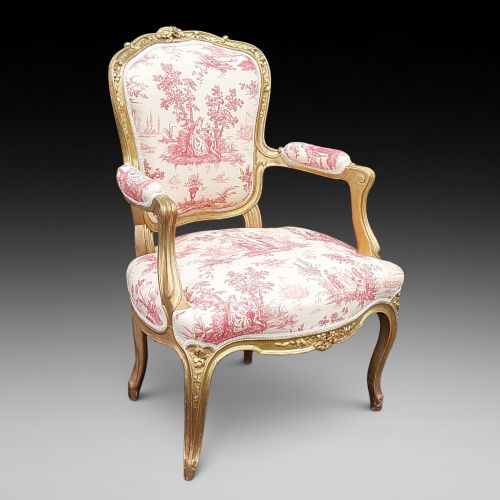
These rococo open armchairs bring carved frames and upholstered comfort together, offering a seat shaped by curves and flourish.
Rococo Open Armchairs
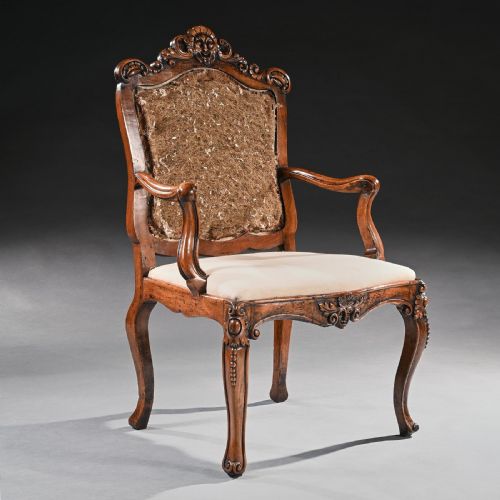
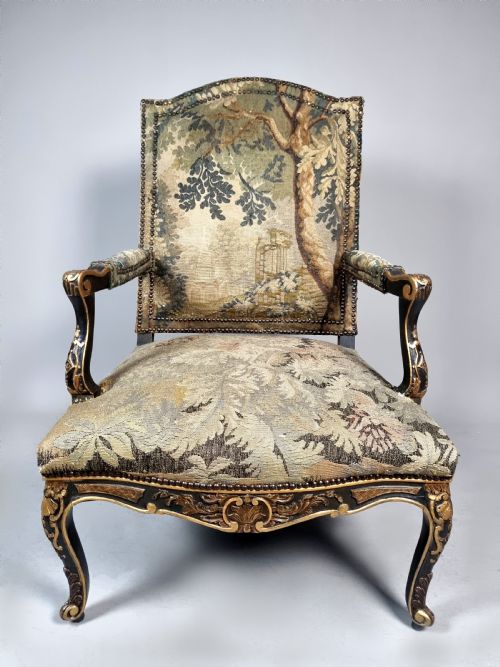
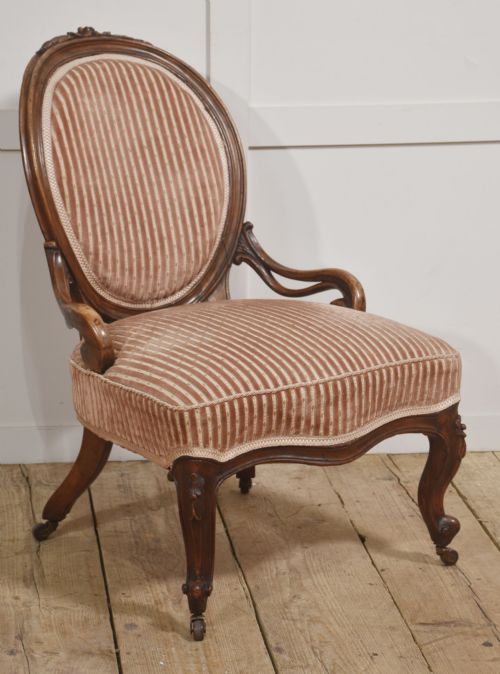
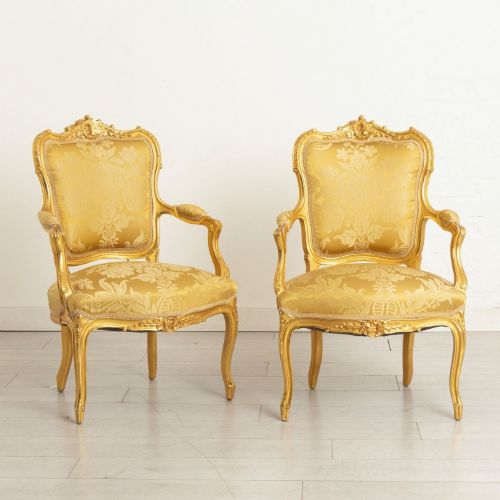
Rococo open armchairs are seating forms defined by exposed wooden frames, scrolled supports, and upholstered seats and backs. The examples found here span the eighteenth century through to the nineteenth and twentieth centuries, incorporating revival periods such as Victorian Rococo and Louis XV styles.
The buyer meets pieces originating from French, Italian, and English workshops, taking the form of salon chairs, fauteuils, and desk chairs. Walnut, mahogany, and giltwood form the structural bodies, frequently paired with silk, velvet, or needlework covers.
How they were made
Frames are constructed from hardwoods such as walnut, mahogany, and rosewood, alongside softer timbers designated for heavy gilding or paint. Carvers shaped the wood by hand into asymmetrical scrolls, floral motifs, and pronounced head rails.
Finishes range from gold and silver leaf applied to gesso to polished wood grains and painted surfaces. Upholstery utilises traditional stuffing methods enclosed in textiles like silk fabric and needlework.
The inventory records pieces spanning the eighteenth, nineteenth, and twentieth centuries, including distinct revival movements.
What varies in quality
Quality rests in the depth and sharpness of the hand carving upon the wooden frame, where crisp lines distinguish superior craftsmanship from soft, shallow detailing. The proportion of the open arms and the fluidity of the cabriole legs determine the visual balance of the chair.
The integrity of the original wood structure and the quality of the gilding or finish dictate the standing of the piece. Upholstery choices, from historic needlework to fresh silk, affect the overall presentation but secondary to the frame itself.
Colefax and Fowler·Blaise Maucuy
The Rococo Open Armchairs Glossary
- Giltwood
- Timber coated with a thin layer of gold leaf over a prepared gesso ground. This finish appears frequently on formal salon seating.
- Cabriole leg
- A furniture leg that bends outward in a convex curve and tapers inward to a foot. It forms a key characteristic of the style.
- Regence
- A transitional design period bridging seventeenth-century baroque and eighteenth-century rococo aesthetics. Pieces from this era display energetic carving.
- Needlework
- Stitched textile covering executed in wool or silk yarn. These covers frequently appear on nineteenth-century domestic seating.
Rococo Open Armchairs: Frequently Asked Questions
What is a rococo open armchair?
A rococo open armchair is a seated furniture piece with un-upholstered wooden sides and arms, designed with curving structural lines. These chairs prioritize decorative wood carving alongside cushioned seating surfaces.
Originating in continental Europe and later revived in Britain and France during the nineteenth century, the form encompasses salon chairs, desk chairs, and reading seats.
How do I identify a revival piece?
Revival pieces are later interpretations of earlier design epochs, such as nineteenth-century pieces mimicking eighteenth-century Louis XV models. Examining the timber seasoning and construction joints helps reveal the true age.
Makers working in the Victorian and later periods adopted these historic vocabularies while utilising contemporary tools and assembly methods.
Where should I place these chairs?
These armchairs suit drawing rooms, studies, and bedrooms where their carved frames and upholstery can be viewed from multiple angles. Their open arm design provides a lighter visual presence than fully upholstered wingbacks.
Positioning them away from direct sunlight and heat sources protects the fragile giltwood finishes and delicate silk or velvet textiles.
Are these chairs comfortable?
Comfort varies depending on the rake of the back and the depth of the sprung or stuffed seat. Eighteenth-century models often feature upright postures suited to formal conversation.
Later Victorian and revival iterations occasionally incorporate deeper padding and broader proportions designed for relaxed seating.