





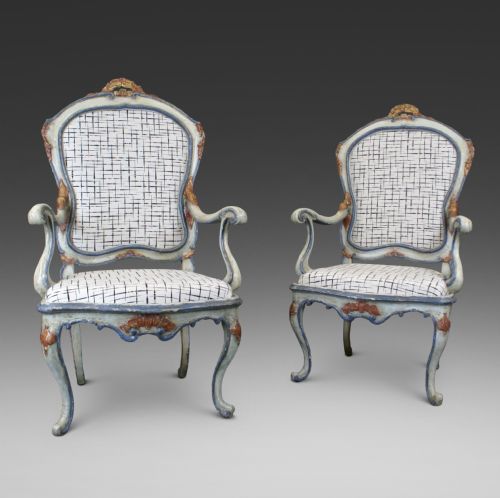
18th Century Italian Seating
These pieces of 18th century italian seating bring monumental carved presence and rich surface patination to a room.
18th Century Italian Seating
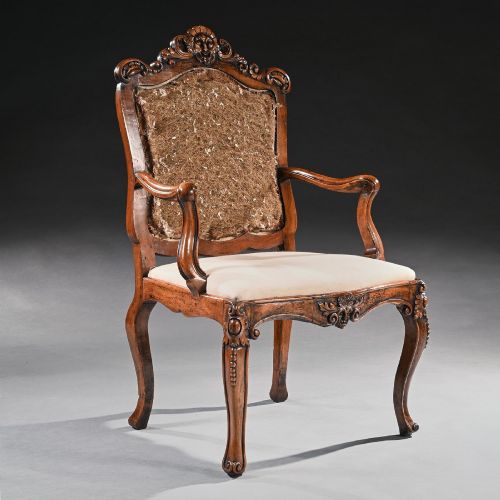
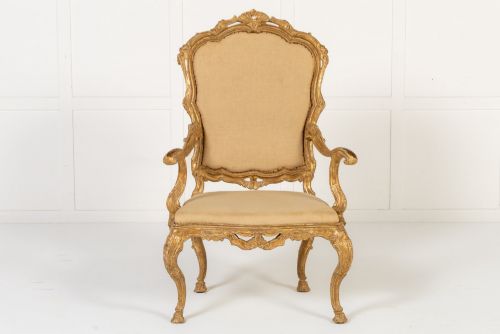
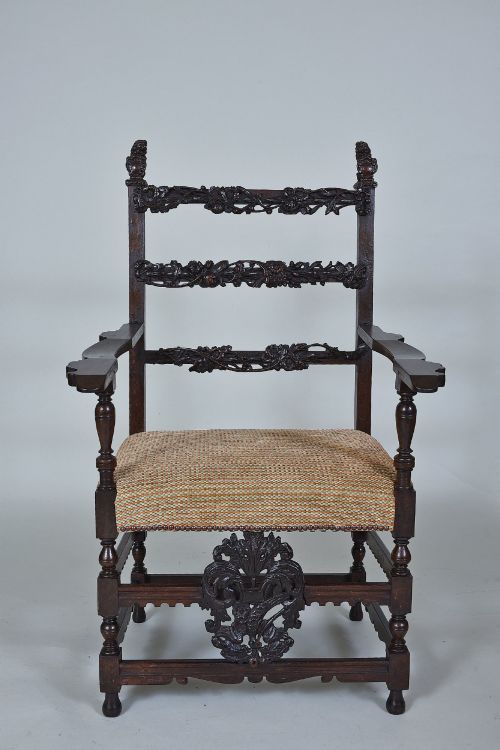
When you search for 18th century italian seating, you encounter a distinct vocabulary of historic forms ranging from imposing giltwood armchairs to sturdy walnut side chairs and upholstered settees. The pieces appearing here span distinct regional iterations, from Venetian Rococo carved frames to high-backed open armchairs and oak hall chairs.
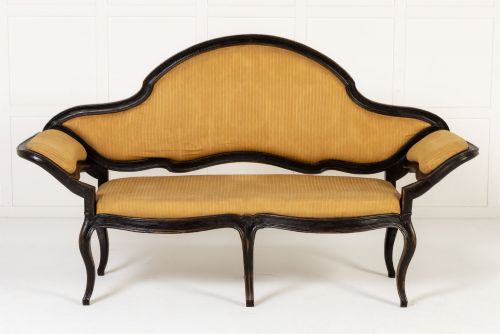
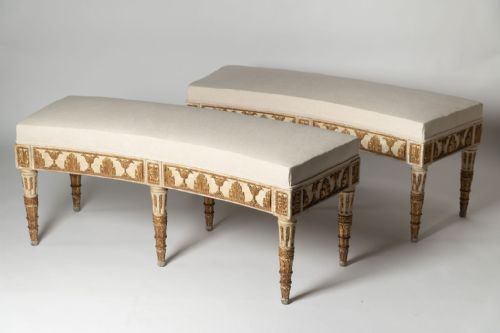
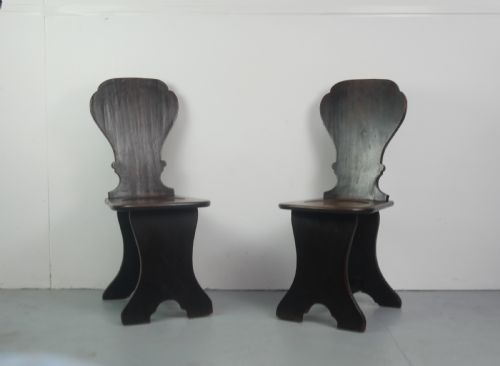
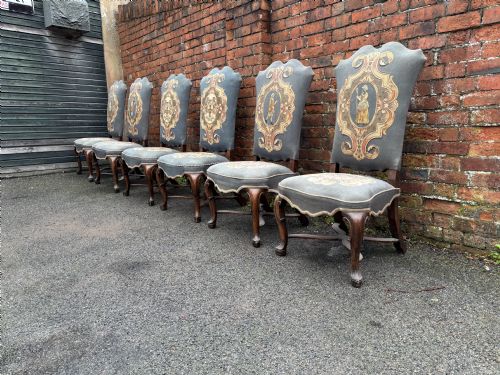
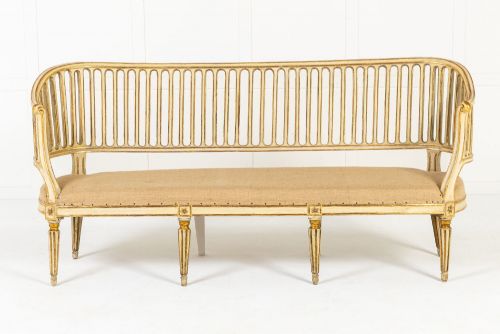
The selection encompasses large-scale pair arrangements, sets of dining chairs, tete a tete sofas, and long stools. These objects reflect the grand domestic interiors of their period through varied silhouettes, including gondola chairs and sgabello hall chairs.
While the core of the material originates firmly in the eighteenth century, related examples stretch from Georgian interpretations to nineteenth-century and early twentieth-century pieces. Walnut and painted wood predominate among the timber frameworks, accompanied by gilded and ebonised surfaces.
How They Were Made
The primary construction relies on solid timbers such as walnut and oak, shaped into structural frames through traditional joinery. Carvers then worked directly into the wood or applied gesso layers to prepare intricate surfaces for gilding and silvering.
Decorative schemes incorporate hand-carved details, notably extravagantly carved head rails and sculptural arm supports. Painted wood finishes and ebonised treatments were applied alongside textile upholstery including fabric and linen.
Even a tete a tete sofa insists that two people sit close enough to trade secrets while looking in opposite directions.
What Varies in Quality
The ambition of the carving separates standard joinery from exceptional craftsmanship, particularly where deep relief work and sculptural head rails define the silhouette. The refinement of surface preparation beneath giltwood and painted finishes dictates the visual weight and textural depth of the piece.
Scale and proportion distinguish grand salon seating from simpler utility chairs, with large pairs and matched sets demanding greater architectural consistency across multiple frames. The integrity of original timber surfaces, whether rich walnut or historic painted schemes, governs the enduring character of each example.
The 18th Century Italian Seating Glossary
- Giltwood
- Wood coated with a thin layer of gold leaf over a prepared gesso ground. This luxurious finish catches the light and signals high status in formal interiors.
- Gesso
- A plaster-like mixture applied to wooden frames to create a smooth surface for carving or gilding. It allows for crisp relief details that bare timber cannot hold.
- Sgabello
- A light wooden hall chair featuring a distinct box or trestle base rather than standard legs. These pieces were historically positioned in hallways for brief seating.
- Barocchetto
- The Italian variation of the Rococo style, characterised by lively asymmetrical curves and playful ornamentation. It appears frequently on mid-century armchairs.
- Tete a tete
- A specialised double seat designed for two people to converse face-to-face in an S-curved configuration. These intimate pieces suit grand reception spaces.
18th Century Italian Seating: Frequently Asked Questions
How do I identify Italian Rococo chairs?
Look for dynamic, asymmetrical carved motifs and undulating lines across the wooden frame, particularly along the crest rail and apron.
These pieces often utilise walnut or gilded surfaces with slender, curved legs that distinguish them from heavier Baroque predecessors.
Where were these chairs placed originally?
Grand armchairs and settees anchored the formal reception rooms and salons of Italian palazzos, serving both status display and daily use.
Simpler side chairs and hall seats were distributed along corridors or arranged around dining tables.
How should I care for antique giltwood?
Keep gilded furniture away from direct sunlight and fluctuating humidity to protect the delicate gesso and gold leaf layers from cracking.
Dust gently with a dry, soft cloth rather than using liquid polishes or chemical cleaners.
What is a gondola chair?
A distinctive seating form featuring a curved, enclosing backrest that sweeps forward in a continuous line reminiscent of a Venetian boat.
This ergonomic shape provides supportive enclosure and remains a celebrated regional Venetian design.