

Rococo Marquetry Side Table
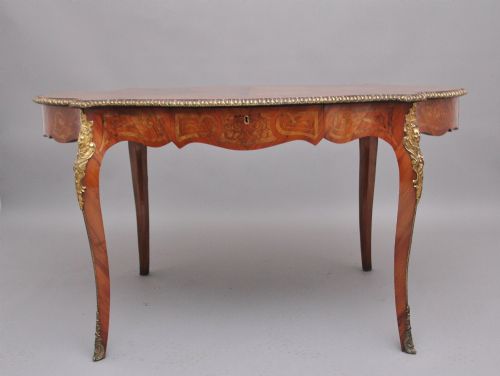
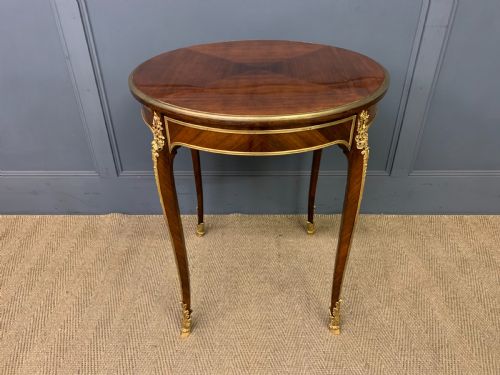
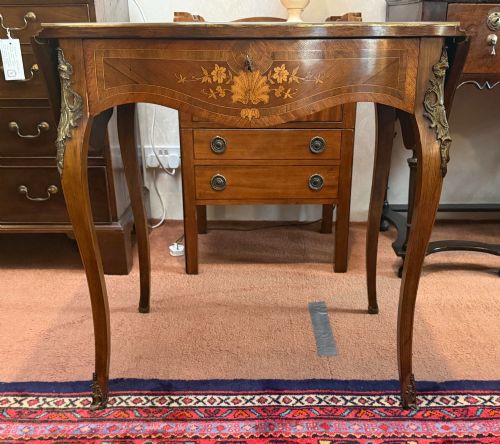
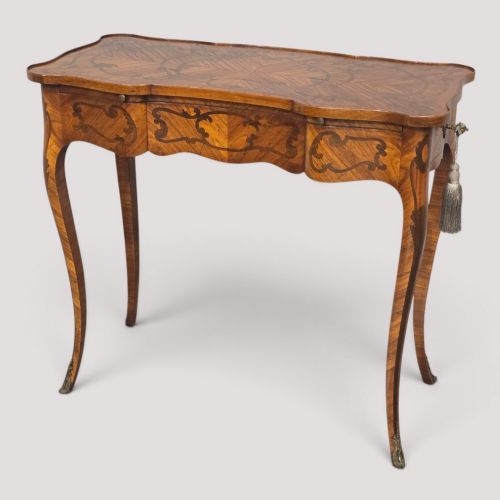
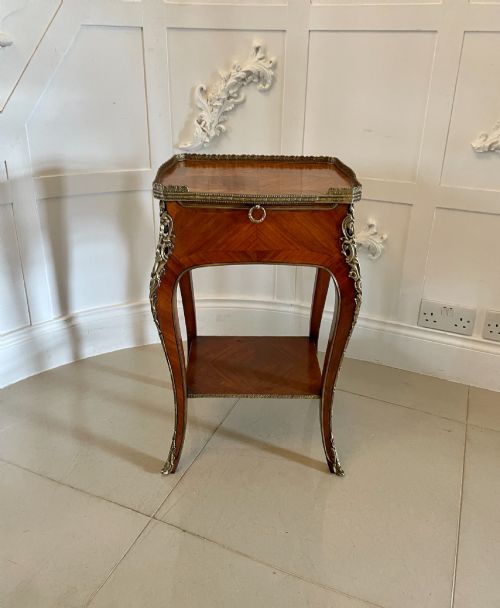
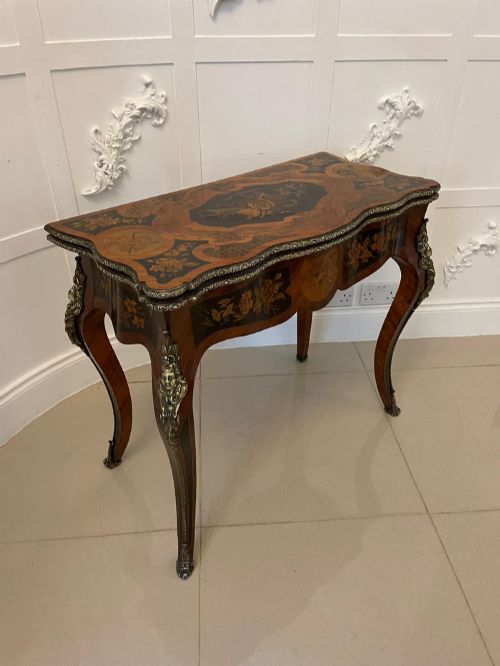
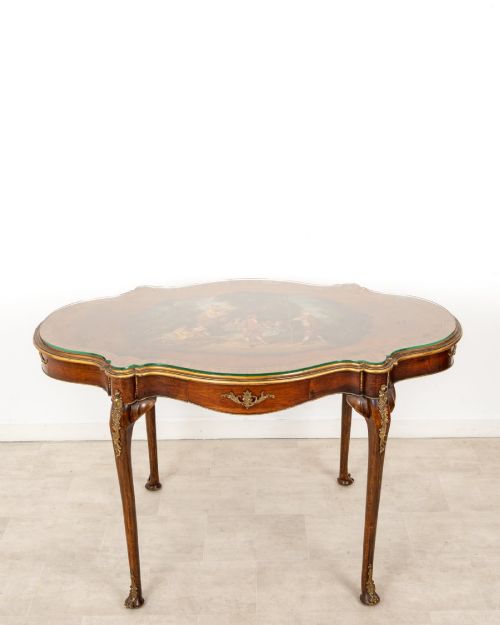
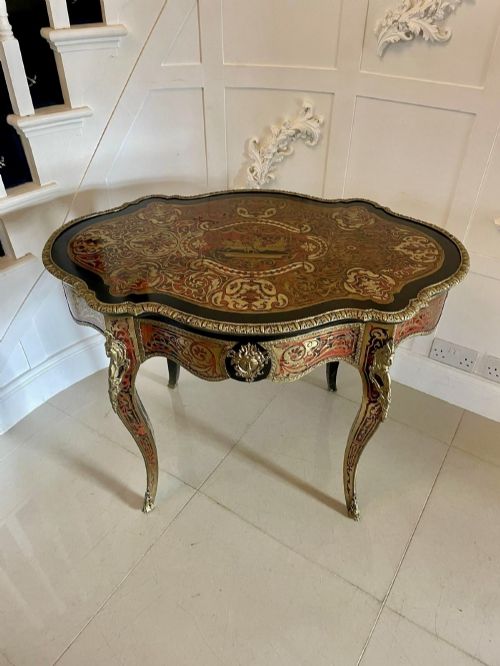
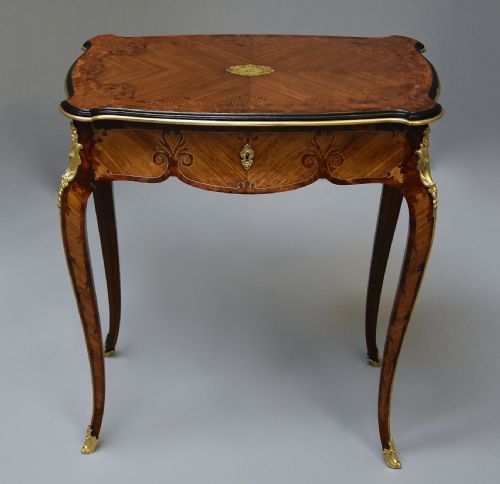
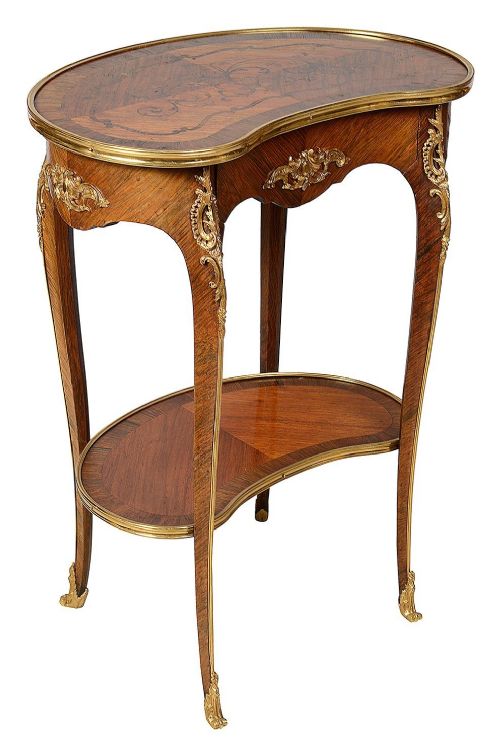
A rococo marquetry side table brings curves, intricate floral inlays and gilt bronze mounts together in a decorative surface for domestic interiors.
Rococo Marquetry Side Table
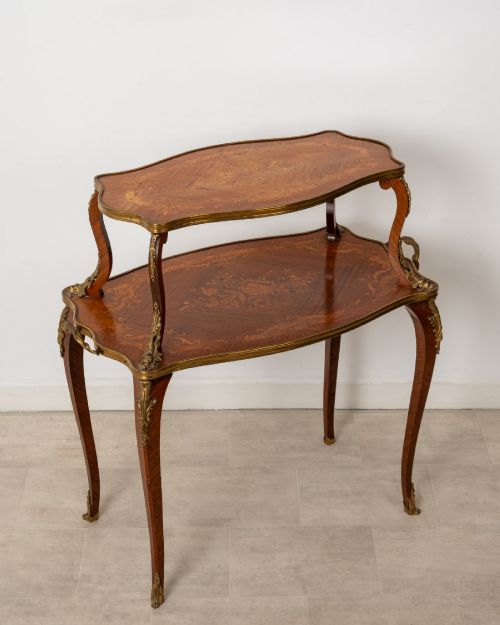
A rococo marquetry side table search encounters furniture primarily associated with nineteenth-century revival movements, alongside eighteenth-century Dutch origins. These tables appear in forms such as occasional pieces, card tables, lamp tables, writing desks and two-tier étagères.
The aesthetic draws heavily on French Louis XV design principles, featuring serpentine outlines, asymmetric floral patterns and gilt metal mounts. Pieces span the eighteenth, nineteenth and early twentieth centuries, reflecting both continental workshops and later British interpretations in the French manner.
How they were made
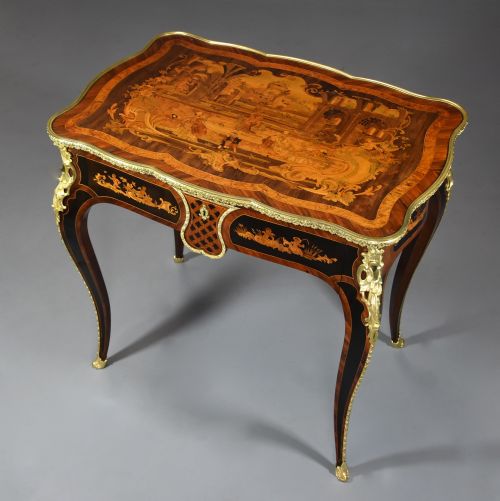
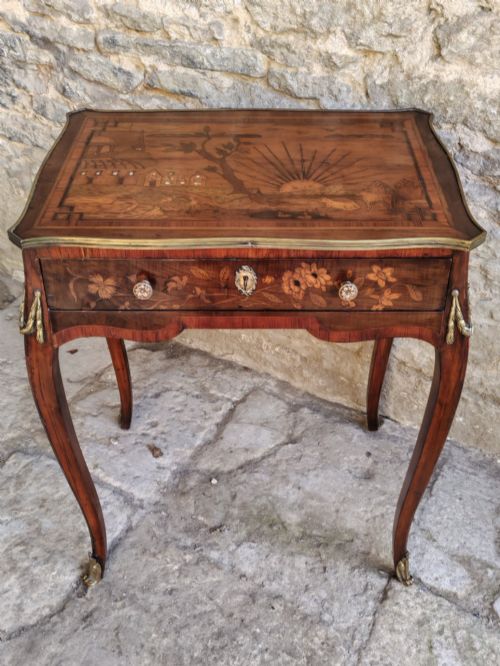
Construction relies on timber carcases veneered in exotic woods such as kingwood, walnut, satinwood and mahogany, enriched with marquetry inlay depicting floral and bird motifs. Ormolu or gilt bronze mounts are cast and chased to accentuate the contours of the legs, aprons and corners.
Makers utilised sophisticated mechanisms for expanding tops, writing surfaces and drop leaves, while employing marble inserts on specific bedside and lamp tables. Surface decoration frequently incorporates vernis martin lacquer techniques alongside precision-cut wood veneers.
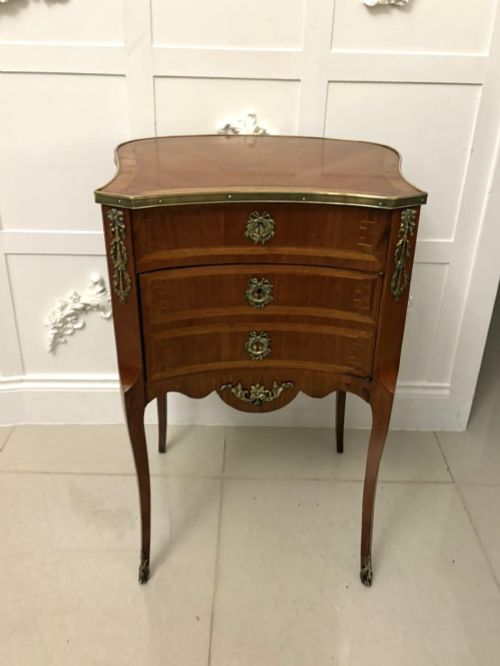
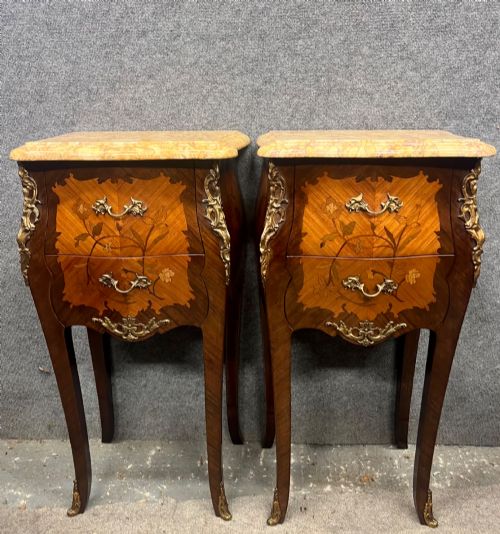
Several bedside chests arrive in matching pairs, ready to settle on opposite sides of a room without arguing over the decor.
What varies in quality
The standard of a rococo marquetry side table depends on the precision of the veneer work and the crispness of the bronze or ormolu mounts. Finer examples display meticulous grain selection in the marquetry and hand-chased metalwork that fits the wooden contours precisely.
Structural complexity also separates pieces, with sophisticated internal mechanisms, integrated marble tops and named workshop attributions elevating the standing of a table within its period.
Joseph-Emmanuel Zwiener·François Linke·Millet·Edwards & Roberts
The Rococo Marquetry Side Table Glossary
- Marquetry inlay
- Decorative patterns formed by fitting contrasting wood veneers into a prepared background. This technique defines the floral and pictorial surfaces seen across these tables.
- Ormolu
- Gilt bronze mounts applied to furniture to highlight structural lines and protect corners. The metal is cast and then finished with mercury gilding.
- Serpentine
- A curved line that undulates inwards and outwards, commonly shaping the top and apron of these tables. It is a hallmark of the revival style.
- Étagère
- An open tiered piece of furniture designed for display. These versions provide multiple surfaces within a compact footprint.
- Vernis Martin
- A simulated Japanese lacquer technique developed in France, used to decorate panels with figures or landscapes. It creates a glossy, translucent finish.
Rococo Marquetry Side Table: Frequently Asked Questions
Where were these tables placed?
These pieces sat in salons, drawing rooms and bedrooms to hold lamps, porcelain or writing materials.
Their decorative surfaces and compact proportions allowed them to function as freestanding centre tables or against perimeter walls.
How do I identify a revival piece?
Nineteenth-century revival items combine eighteenth-century Louis XV design vocabulary with Victorian or Edwardian manufacturing techniques.
Examine the secondary woods, internal framing methods and the execution of the ormolu mounts to establish the true period of manufacture.
What is Dutch marquetry?
Dutch examples from the eighteenth century frequently display elaborate floral and bird marquetry covering the entire top and sides.
These pieces often feature bulbous or cabriole legs rooted in earlier provincial design traditions rather than strict French court aesthetics.
How do I care for the surface?
Protect the veneered surfaces from direct sunlight and sustained moisture to prevent timber movement or lifting in the marquetry.
Apply gentle wax polish sparingly and avoid commercial cleaners that might damage the lacquer or the gilt bronze mounts.