
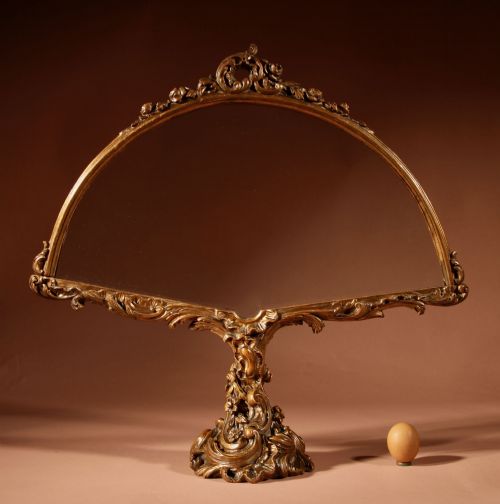


Rococo Glazed Cabinet
A rococo glazed cabinet brings sweeping, asymmetrical curves and delicate glasswork into a room, offering a dramatic stage for precious collections.
Rococo Glazed Cabinet
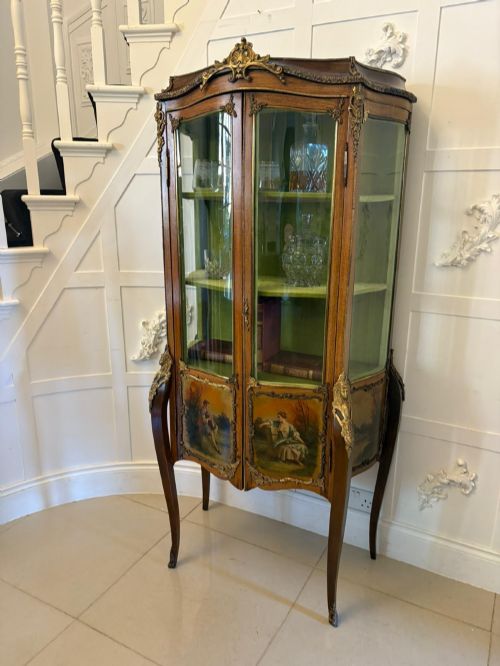
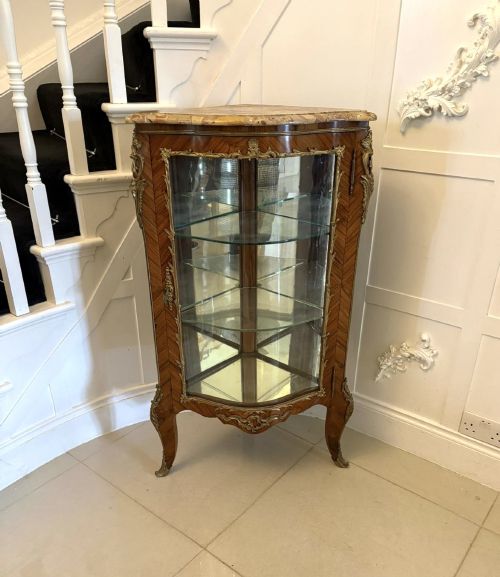
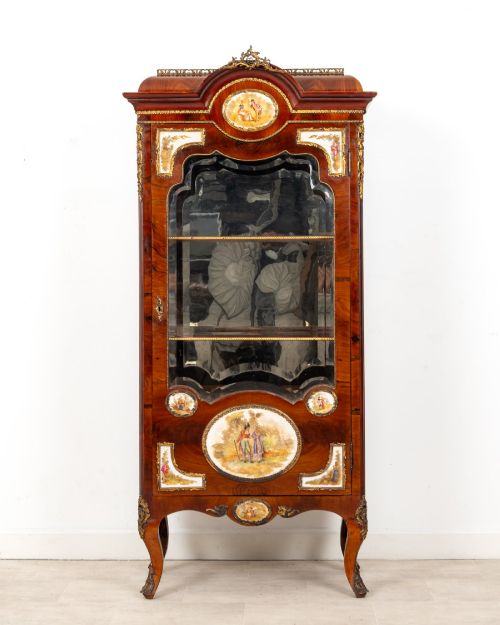
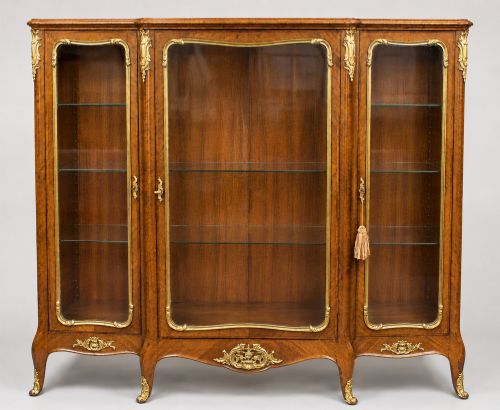
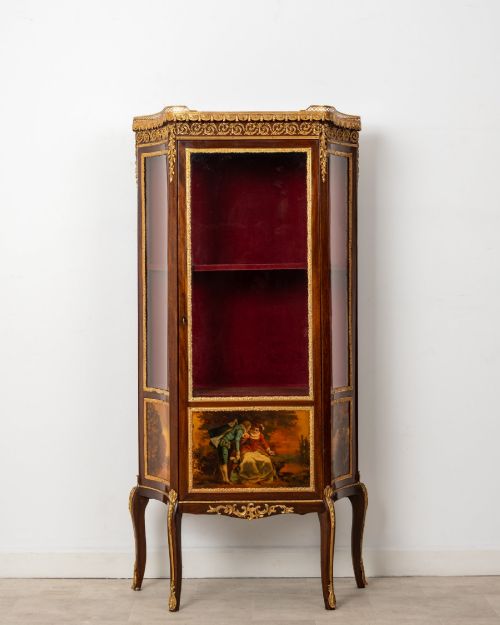
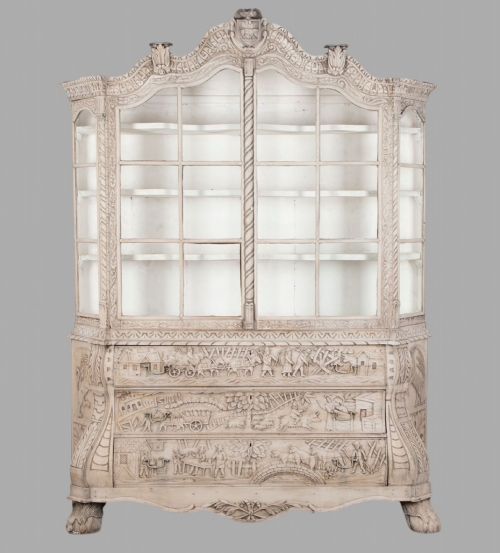
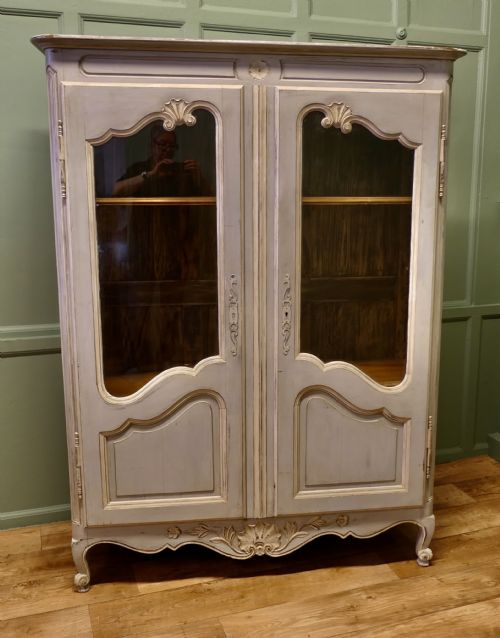
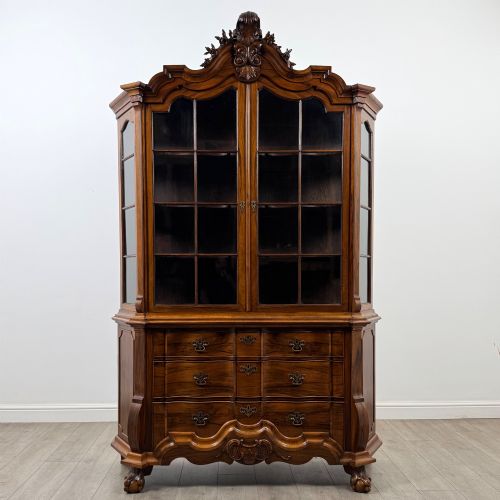
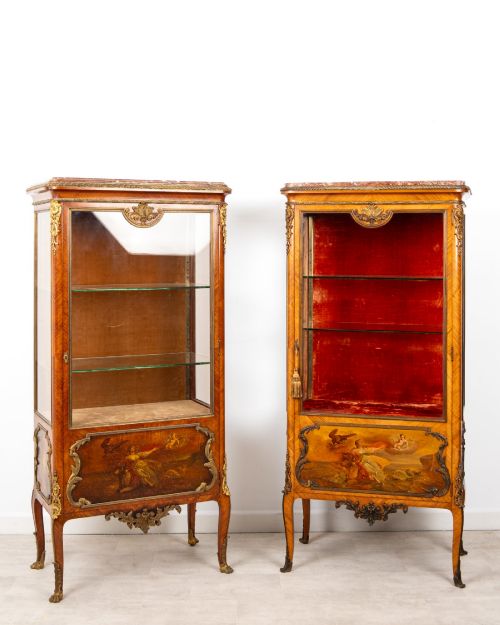
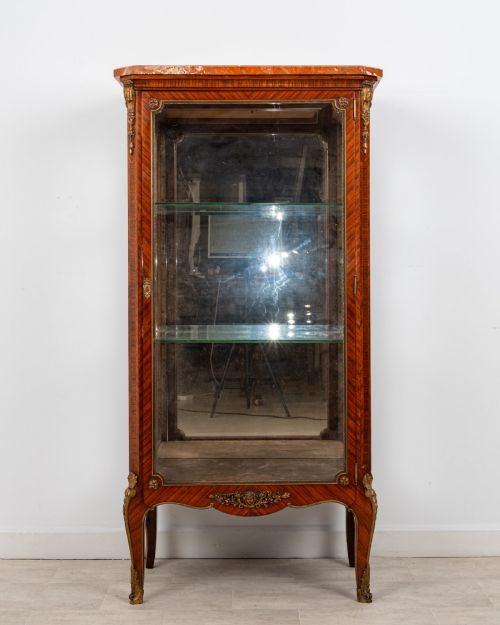
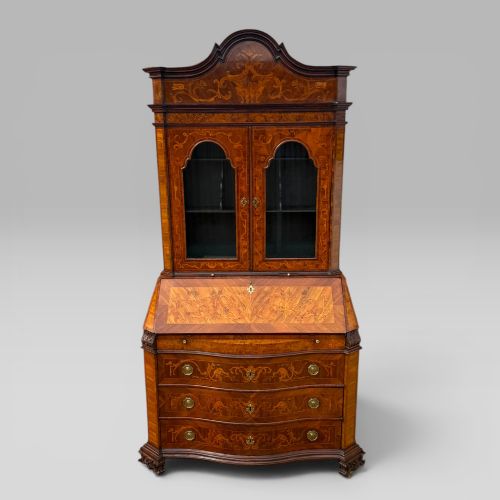
A rococo glazed cabinet spans several periods and forms, most frequently appearing as nineteenth-century French and Dutch revival pieces designed to showcase porcelain and curiosities. The selection ranges from serpentine corner vitrines and bombe display cabinets on chests to bureau bookcases and freestanding display cases.
The styles bridge eighteenth-century continental designs and later nineteenth-century interpretations, drawing heavily on Louis XV revivalism and French chateau aesthetics. Makers utilised exotic timbers and painted finishes to create dramatic silhouettes suited to formal reception rooms.
Materials and construction
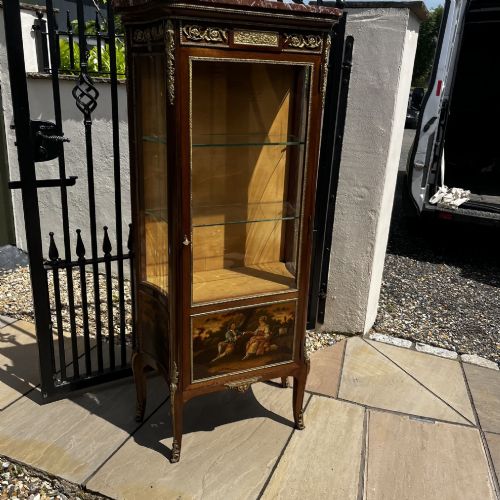
Cabinet makers built carcasses from foundational woods like mahogany, walnut, and oak, then applied decorative veneers including kingwood, tulipwood, and intricate marquetry or parquetry patterns. Many examples feature hand-painted lower panels in the Vernis Martin technique, depicting pastoral or romantic scenes.
Gilt bronze and ormolu mounts accentuate the curved contours, framing glass doors and serpentine marble tops. Cabinet makers cast and chased these brass ornaments by hand to highlight the organic, flowing lines characteristic of the style.
Materials appearing across the inventory include marble, ormolu, glass, fabric, and brass, paired with primary woods such as mahogany, oak, and walnut.
Quality variations
The distinction between standard production and exceptional quality rests on the precision of the cabinet work, particularly the execution of complex serpentine curves and bombé profiles. Finer examples display crisply cast ormolu mounts that integrate seamlessly with the timber rather than sitting heavily upon it.
Subtlety of marquetry inlay, depth of vernis martin painted panels, and the weight of the selected marble tops separate workshop masterworks from simpler commercial outputs. The fluidity of the hand-carved giltwood or walnut elements determines the overall artistic success of the piece.
François Linke·Gouffel
The Rococo Glazed Cabinet Glossary
- Vitrine
- A glass-fronted cabinet designed specifically for displaying porcelain, silver, and small objects of vertu. These pieces feature glazed sides to maximise light penetration.
- Ormolu
- Gilded bronze mounts applied to furniture for decorative accent. The technique involves a mercury-gilding process on cast brass or bronze.
- Vernis Martin
- A decorative imitation of Japanese lacquer developed in France during the eighteenth century. It employs multiple layers of translucent varnish over painted scenes.
- Bombe
- A swelling, outwardly curving furniture profile popular in Dutch and continental pieces. This bulging shape requires skilled carpentry to maintain structural integrity.
- Marquetry
- The art of applying decorative veneer pieces in wood, metal, or shell to form pictorial or geometric patterns on a furniture surface.
Rococo Glazed Cabinet: Frequently Asked Questions
What is a rococo glazed cabinet?
A rococo glazed cabinet is a decorative display piece characterised by asymmetrical curves, glazed panels, and ornate metal mounts. Originating from eighteenth-century continental designs, revival versions emerged strongly during the nineteenth century.
These cabinets served to showcase valued porcelain and curiosities in formal drawing rooms. Their curved glass and reflective surfaces maximised light inside the display space.
How do I date a rococo glazed cabinet?
Dating relies on examining the underlying timbers, the construction methods of the carcass, and the style of the metal mounts. Nineteenth-century revival pieces often employ machine-sawn secondary woods alongside hand-finished veneers.
Comparing the decorative vocabulary against documented nineteenth-century workshop practices helps differentiate period revivals from genuine eighteenth-century exemplars. The quality of the ormolu casting provides further chronological clues.
Where should I place a vitrine?
A vitrine requires a stable environment away from direct sunlight and sudden temperature fluctuations to protect fragile wood veneers and antique glass. Placing the piece against a secure wall prevents tipping, especially for tall or top-heavy models.
Positioning the cabinet near natural light sources enhances the visibility of internal displays without risking heat damage to delicate painted panels.
How do I care for ormolu mounts?
Ormolu mounts require gentle dusting with a soft, dry microfibre cloth to prevent the accumulation of grit in recessed details. Avoid using commercial brass cleaners, as abrasive chemicals strip the original fire-gilding.
Professional conservation cleaning is advisable if tarnish obscures the underlying bronze work. Maintaining stable indoor humidity prevents corrosion on the metal surfaces.