

Rococo Gilt Side Table
A rococo gilt side table brings flamboyant asymmetric curves and opulent metallic radiance to a room, embodying the spirited excess of eighteenth-century design.
Rococo Gilt Side Table
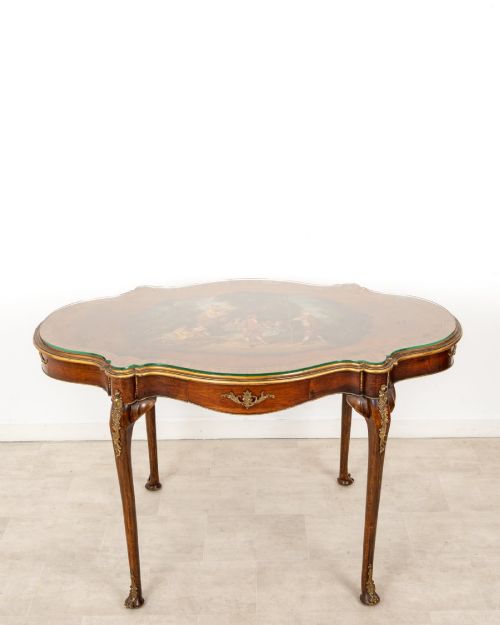
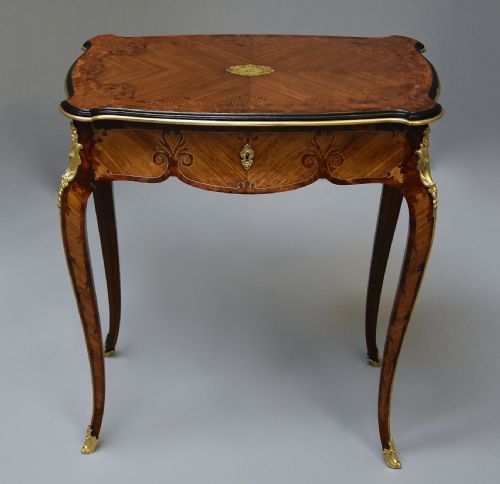
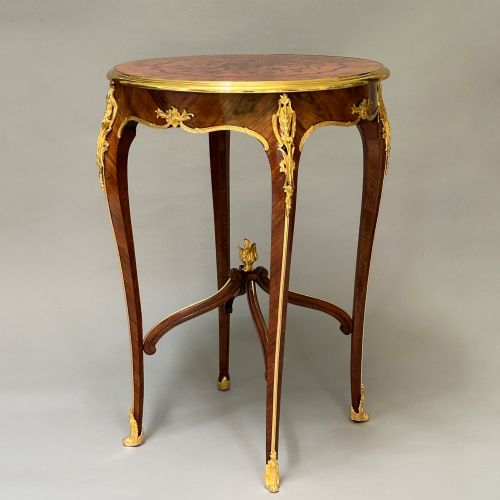
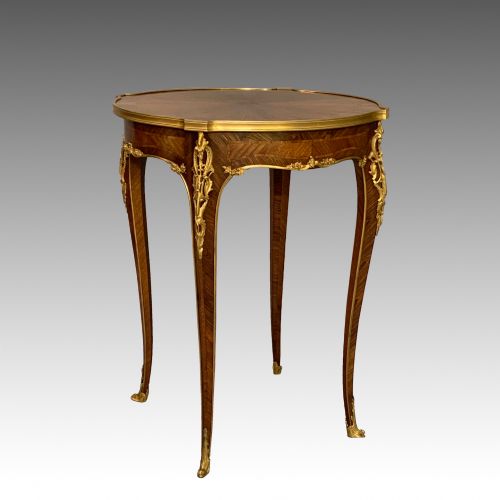
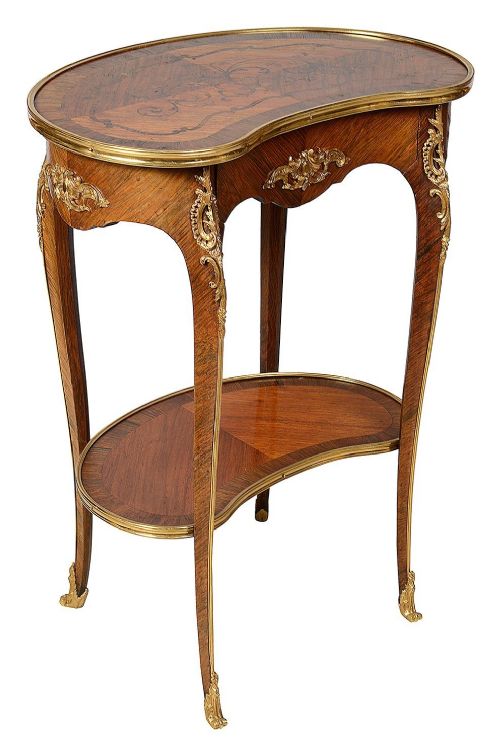
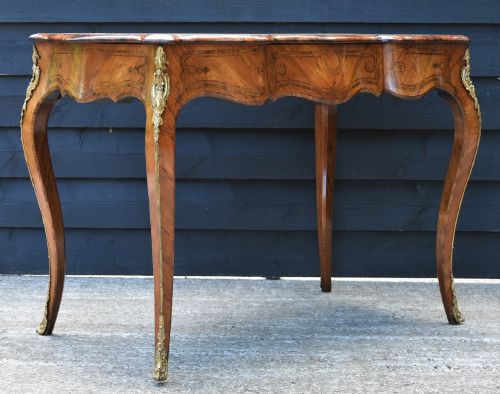
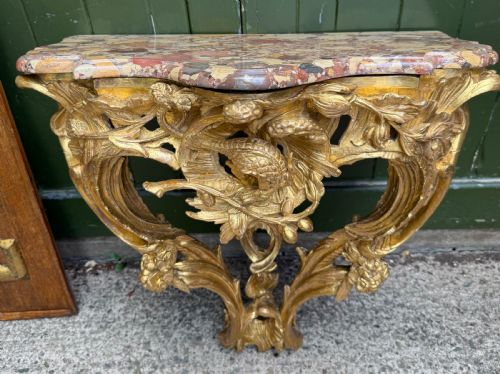
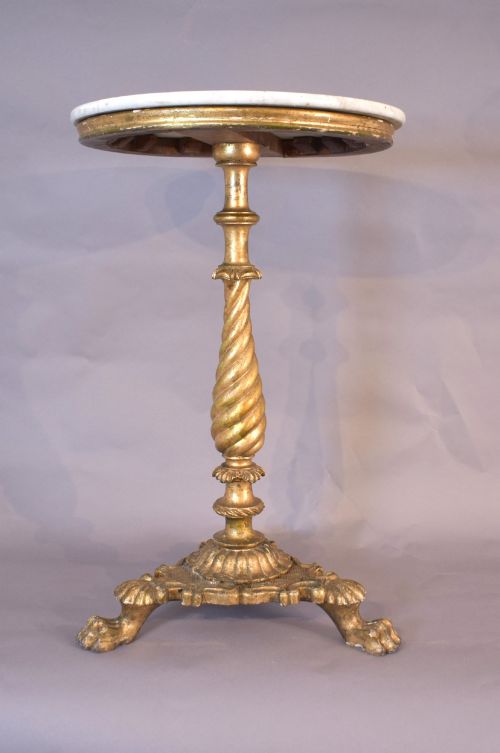
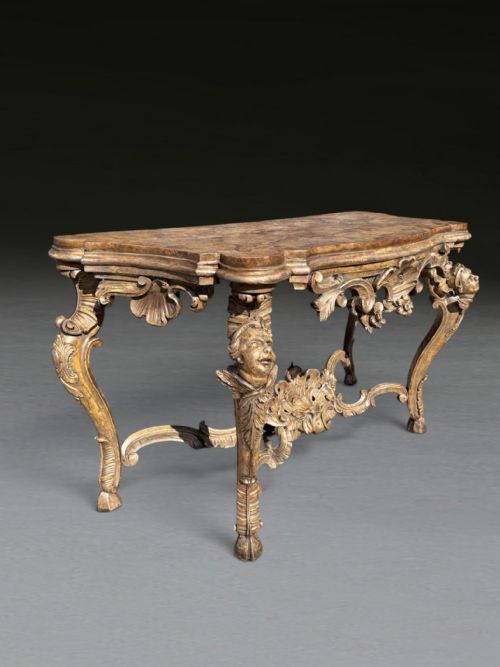
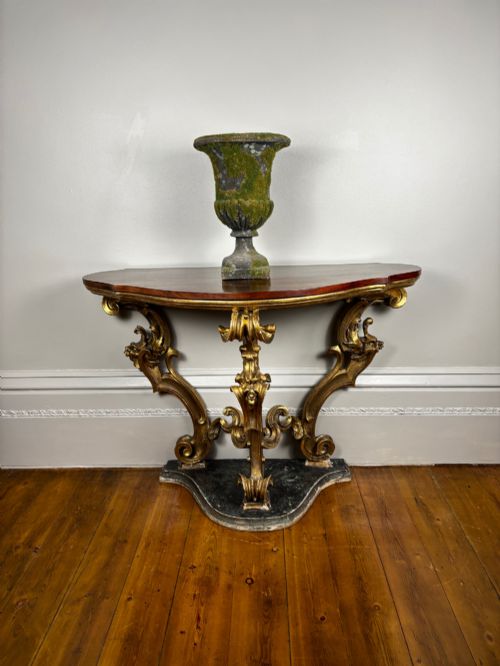
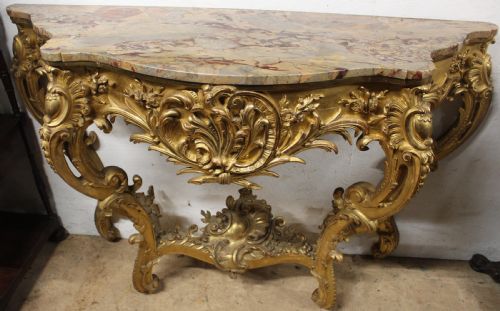
A rococo gilt side table typically presents intricate carving, cabriole legs, and sweeping scrollwork finished in gold leaf or giltwood. These pieces draw heavily on French taste, emerging primarily from nineteenth-century revival periods as well as eighteenth-century originals.
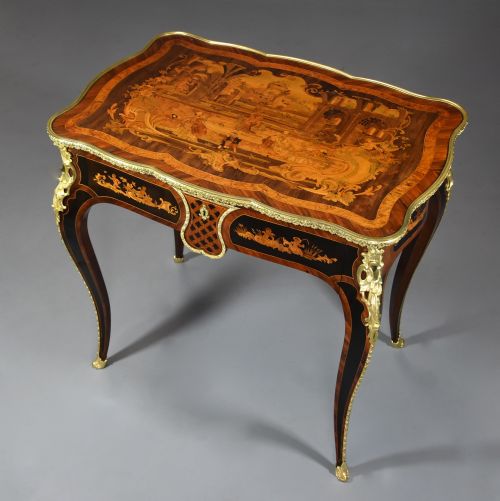
The selections span various forms including console tables designed for wall placement, freestanding centre tables, and tiered étagères. Many incorporate contrasting materials like marble tops or marquetry inlays to complement the gilded frames.
Origins stretch across France, Italy, and Britain, reflecting continental cabinet-making traditions adapted for grand domestic interiors. Buyers encounter both console tables meant to anchor a room and lighter occasional tables.
Materials and construction methods
Craftsmen utilised timbers such as kingwood, walnut, and mahogany as the structural base for marquetry and gilt mounts. Carved wooden frames received applications of gesso before being meticulously gilded with gold leaf or painted.
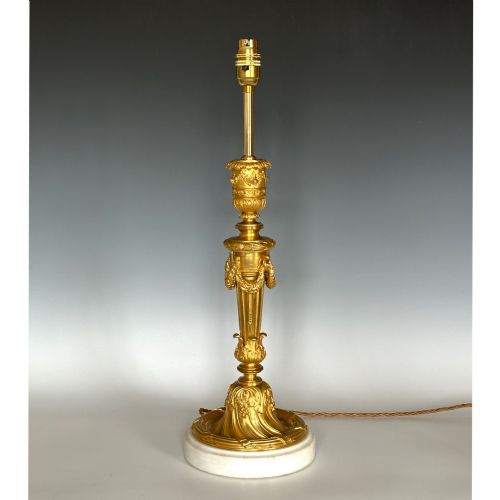
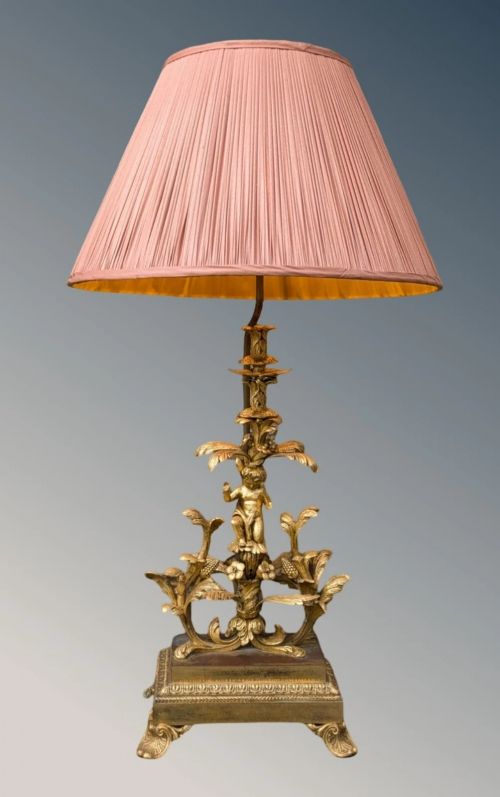
Ormolu and gilt bronze mounts provided decorative highlights, cast and chased with botanical motifs, C-scrolls, and cherubs. Heavy marble tops, including varieties with prominent veining, frequently rested upon the carved wooden bases.
Listings feature items spanning from the eighteenth century through the Edwardian era, predominantly employing kingwood, ormolu, and giltwood.
Distinguishing quality in craftsmanship
Quality depends upon the crispness of the hand-carved ornamentation and the depth of the gilding applied to the wooden frame. Superior examples display fluid, energetic lines in the wood carving rather than stiff or uniform machine-made duplication.
The integration of materials dictates value, seen in the snug fit of cast ormolu mounts and the selection of figured marble or intricate marquetry patterns. Pieces bearing attribution to known makers or workshops demonstrate higher precision in joinery and mechanical function.
Joseph-Emmanuel Zwiener·E. Kahn·François Linke·Millet
The Rococo Gilt Side Table Glossary
- Ormolu
- Gilded bronze cast and finished with fine chasing, frequently mounted onto furniture frames. This technique originated in France and adds metallic brilliance to wooden pieces.
- Giltwood
- Timber carved and subsequently covered with gold leaf or gesso and gold paint. It provides a luminous surface that catches light within period interiors.
- Marquetry
- Inlaid patterns formed using various coloured wood veneers arranged into pictorial or geometric designs. Craftsmen applied these veneers to tabletops and cabinet surfaces.
- Console table
- A table designed to stand against a wall, traditionally supported by two front legs and fixed brackets at the rear. These often feature elaborate carved aprons.
- Cabriole leg
- A furniture leg that curves outward in an S-shape before tapering down to a foot. This design mimics animal limbs and typifies the rococo style.
Rococo Gilt Side Table: Frequently Asked Questions
Where should I place a console table?
Console tables suit entrance hallways, living rooms, or dining spaces where they sit flat against a wall beneath a mirror or artwork. Their shallow depth allows them to occupy narrow circulation areas without obstructing movement.
Pairing a console with a matching mirror creates a cohesive focal point within a room. Placing lamps or decorative objects on top enhances their visual presence.
How do I clean gilded surfaces?
Gilded wood and ormolu mounts require gentle dusting with a soft, dry brush to prevent accumulation of particles. Moisture and chemical cleaning agents can strip or damage fragile gold leaf.
Professional restoration remains necessary if the gilding suffers abrasion or flaking. Regular care involves simply maintaining a stable environment away from direct sunlight.
Are marble tops removable?
Marble slabs on console and side tables generally rest unattached within the wooden frame, held in place by their own considerable weight. This allows the stone to be lifted out separately during transport.
Lifting the marble requires multiple people to avoid chipping the edges or straining the supporting apron. Secure placement ensures the stone sits level without rocking.
How do I distinguish eighteenth-century pieces?
Eighteenth-century examples display hand-cut joinery, oxidized patination on the timber, and subtle irregularities in the hand-carved gesso and gilding. Tool marks left by period chisels offer clues to the date of manufacture.
Revival pieces from the nineteenth century often incorporate mechanical precision and heavier, denser secondary woods. Examining the construction methods inside drawers or beneath tabletops clarifies the age.