
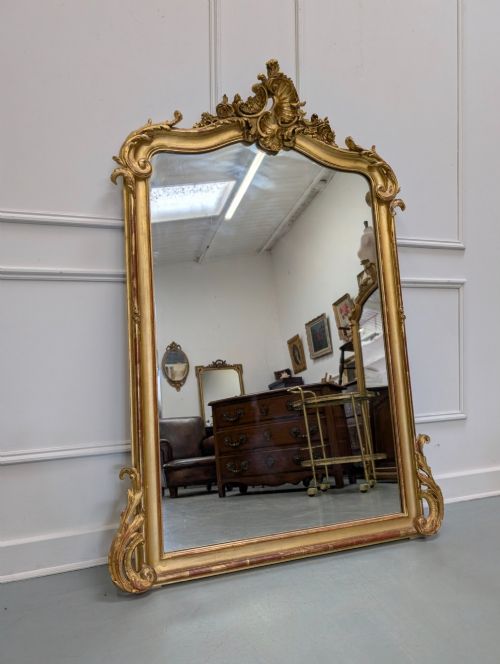
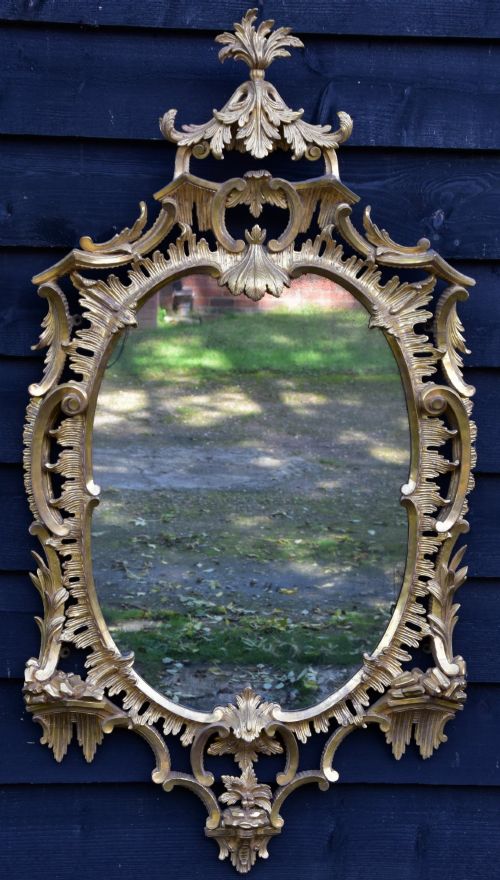
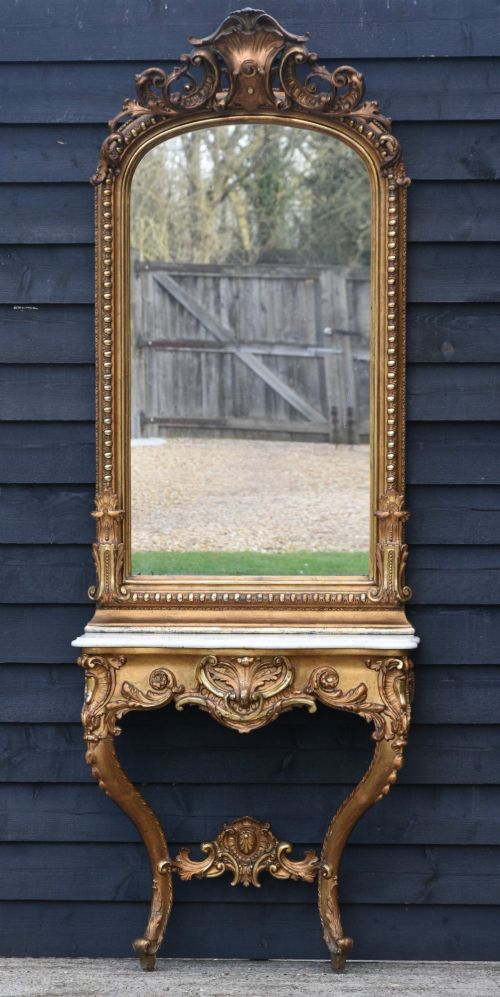
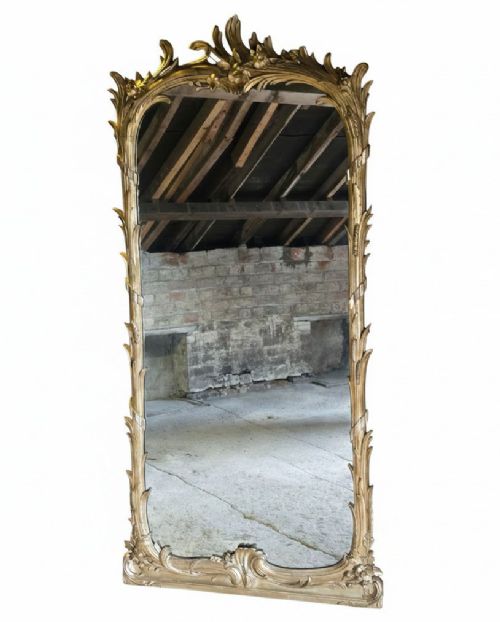

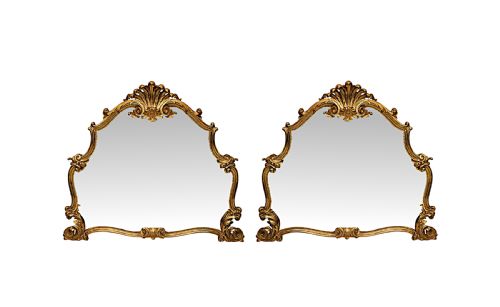
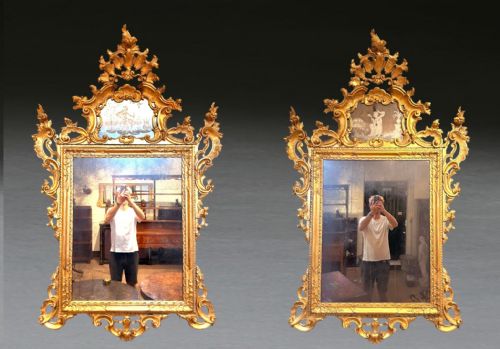
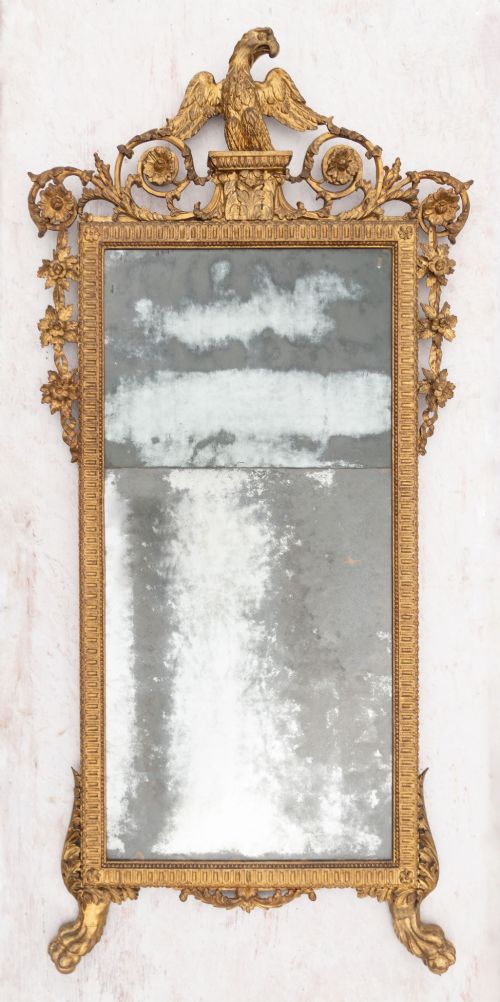
Rococo Gilt Pier Mirror
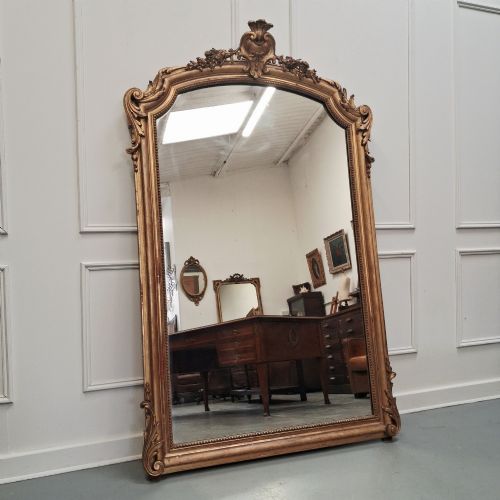
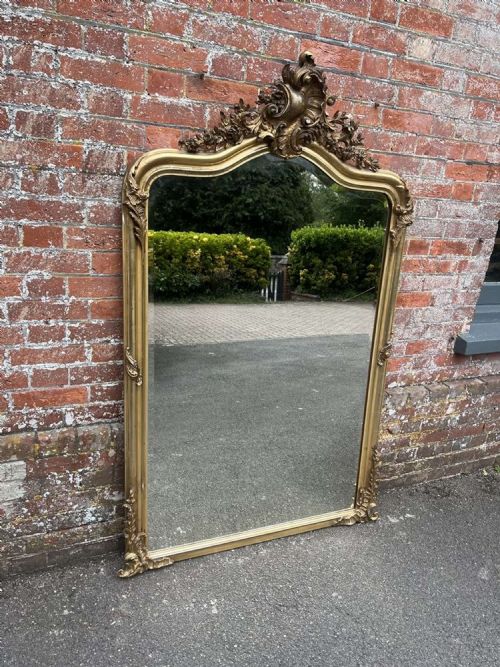
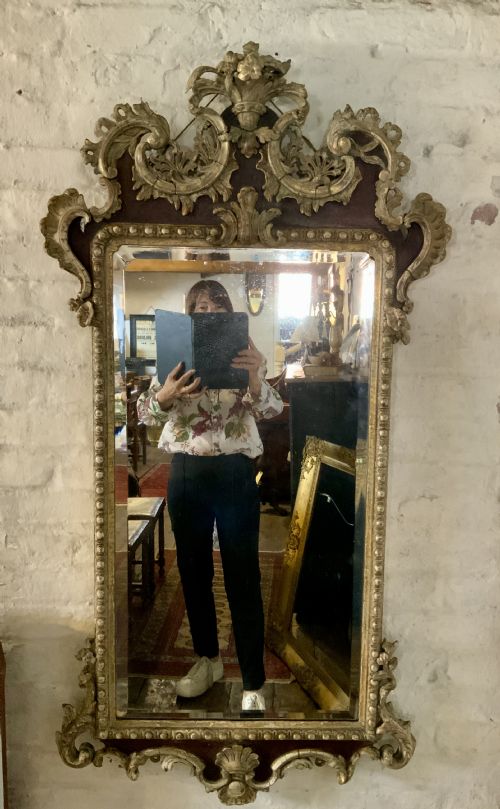
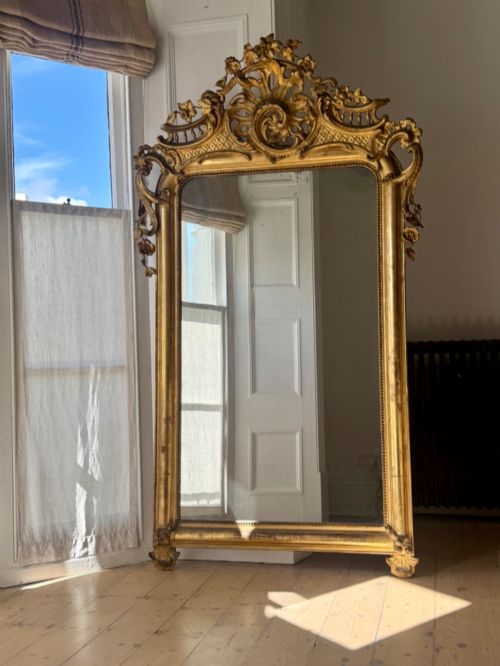
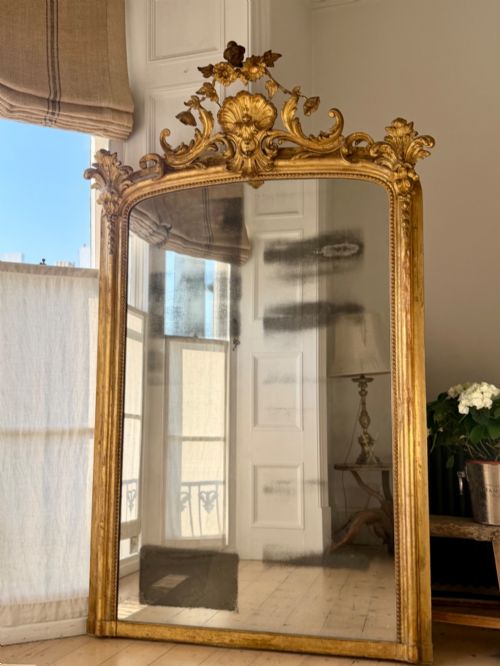
These rococo gilt pier mirrors bring grand architectural presence and reflective light into high-ceilinged rooms.
Rococo Gilt Pier Mirror
A rococo gilt pier mirror is a tall, ornate looking-glass designed specifically for the narrow wall space, or pier, situated between two windows. These pieces frequently appear as part of matched sets with console tables positioned directly underneath them.
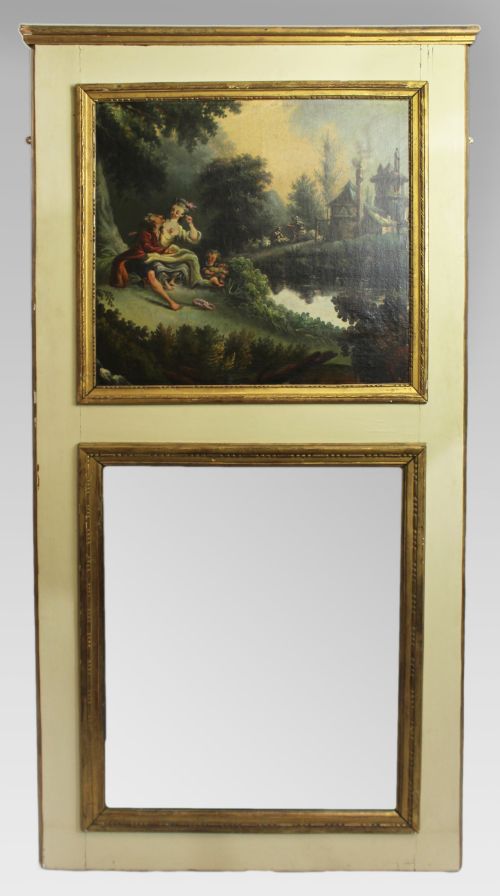
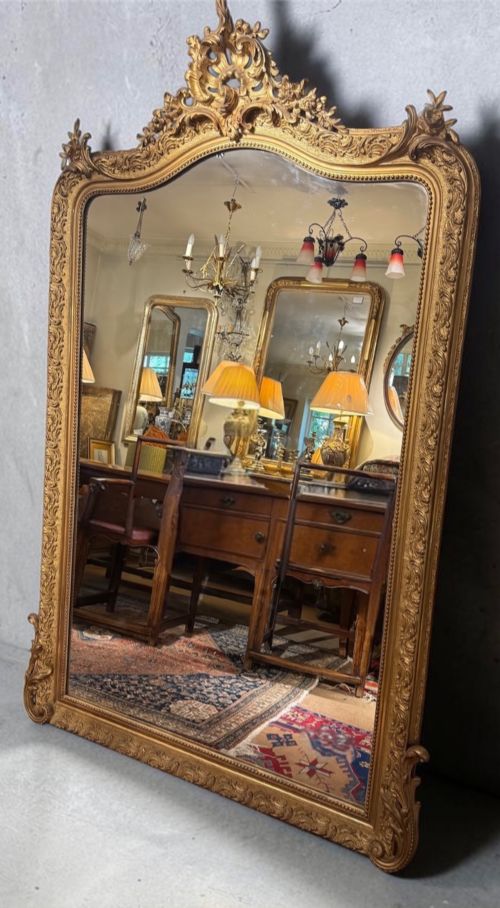
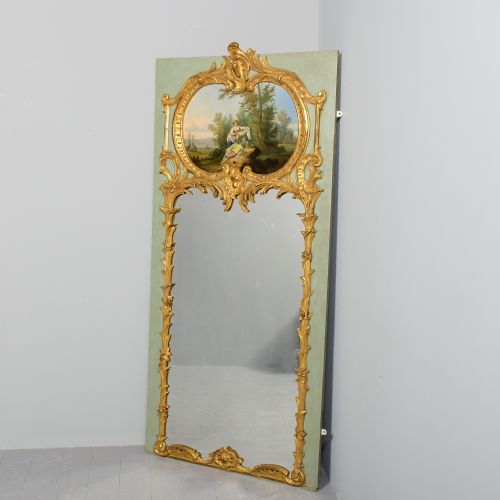
The selection ranges from 18th century walnut and parcel gilt examples to monumental 19th century French and Italian giltwood creations. Buyers also encounter trumeau mirrors incorporating pastoral oil paintings alongside carved frames.
Originating across Georgian England, France, and Italy, these mirrors span the 18th, 19th, and early 20th centuries. Styles draw heavily on French Rococo, Italian Rococo, and Chippendale revival motifs.
How they were made
Craftsmen carved intricate scrollwork, asymmetry, and C-scroll motifs directly into timber frames before applying layers of gesso to build up relief detail. Gold leaf or silver gilding was then meticulously laid over the prepared surfaces.
Early examples frequently incorporate mercury glass plates displaying characteristic foxing and deep reflection. Later 19th century interpretations utilise heavier moulded composition ornaments applied to wooden structures.
Several tall mirrors carry traces of old pastoral oil paintings hidden right above the glass, doubling as fine art.
What varies in quality
Depth of carving and sharpness of detail separate standard production from master craftsmanship. Hand-carved wooden frames exhibit crisper undulations and more fluid asymmetry than moulded composition substitutes.
The integrity of the original gilded surface dictates historical value. Pieces retaining their initial gold leaf layers show a warmer, softer metallic ageing compared to later over-gilding.
The Rococo Gilt Pier Mirror Glossary
- Pier glass
- A tall mirror specifically proportioned to hang on the narrow wall between two windows. It often stands above a matching console table.
- Trumeau mirror
- A decorative wall mirror featuring an upper panel containing an oil painting or decorative carving. They gained popularity in 18th and 19th century interiors.
- Giltwood
- Timber carved and subsequently covered with thin sheets of gold leaf. This technique provides a durable, reflective metallic finish.
- Gesso
- A plaster-like mixture applied to wooden frames as a smooth base for gilding. It allows carvers to achieve sharp, detailed relief work.
- Foxing
- Age-related spots and discoloration appearing within the mirror glass plate. This chemical change occurs as the backing degrades over centuries.
Rococo Gilt Pier Mirror: Frequently Asked Questions
Where should I hang a pier mirror?
Historically, these mirrors were positioned on the narrow wall space between two windows to maximise natural daylight in a reception room. Today, they function effectively in hallways, above mantelpieces, or anchored above console tables.
Because of their substantial height, ensure the wall structure safely supports heavy carved frames before installation.
What is mercury glass?
Traditional mirror plates manufactured by pouring a liquid mercury and tin amalgam behind glass. This historic technique creates a characteristic cloudy depth and uneven reflection.
Modern replacement glass lacks this distinct appearance and historical authenticity.
How do I clean a giltwood frame?
Dust gently using a very soft, dry brush to prevent disturbing fragile gesso and gold leaf layers. Avoid using water, chemical cleaners, or damp cloths entirely.
Moisture quickly softens the underlying gesso and damages the historic gilded surface.
Are these mirrors French or Italian?
The listings include numerous examples originating from both regions, identifiable through distinct regional carving traditions. French pieces often feature refined trumeau panels and pastoral scenes.
Italian works frequently display bolder, deeply undercut Florentine and Venetian scrolling motifs.