

Rococo Fireplace Mirror
When you search for a rococo fireplace mirror, you find large, ornate pieces designed to sit above a mantelpiece.
Rococo Fireplace Mirror
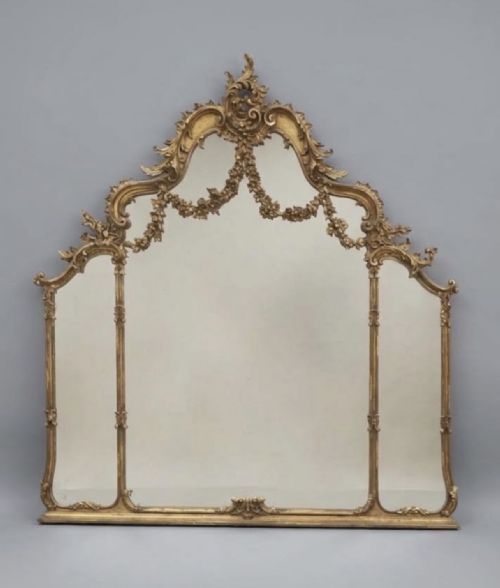
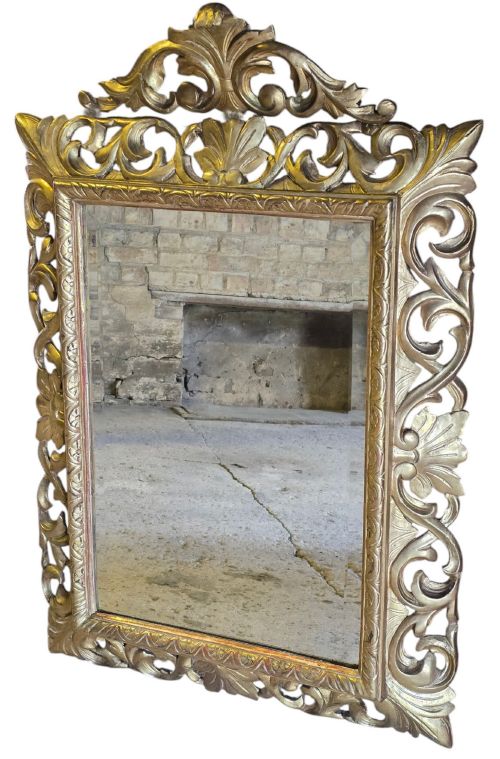
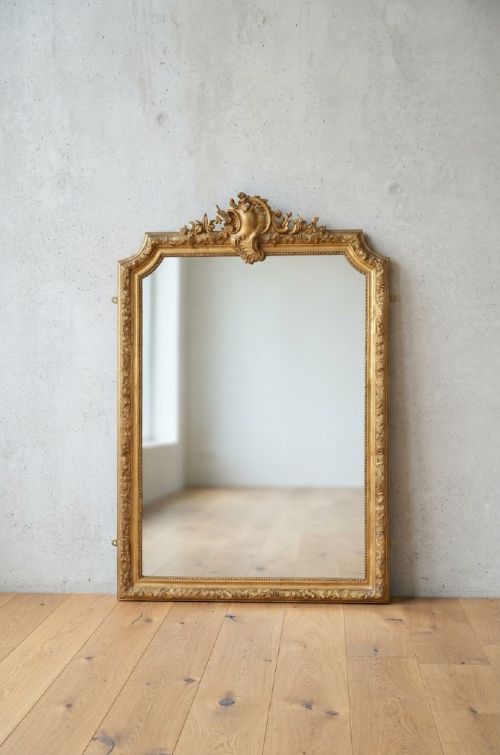
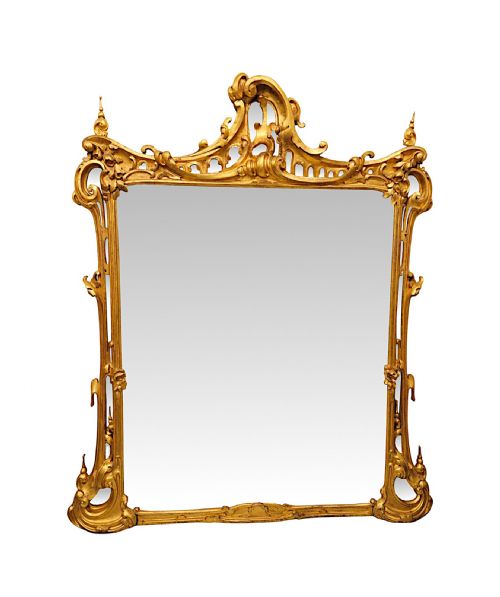
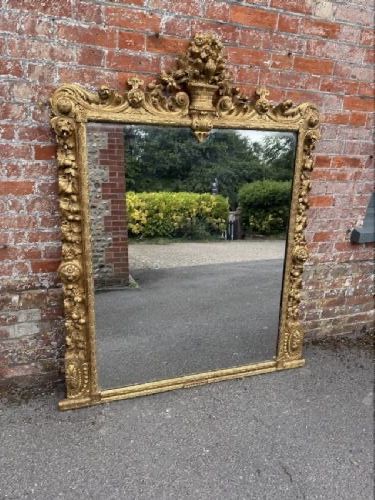
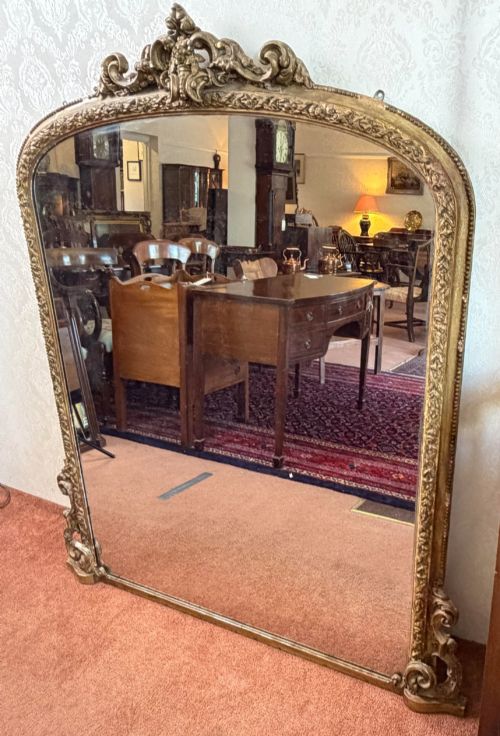
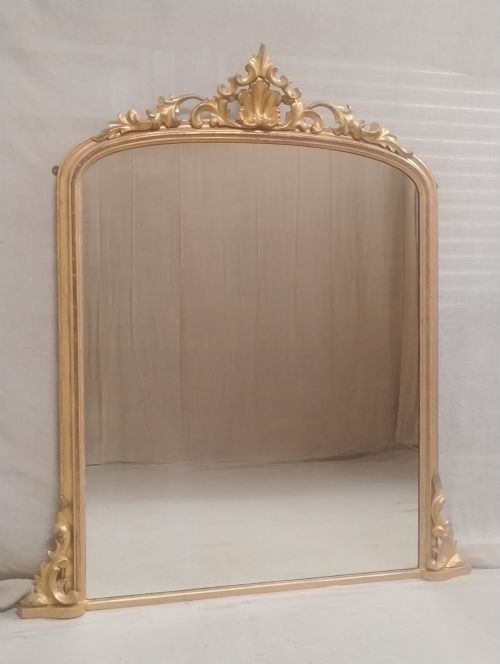
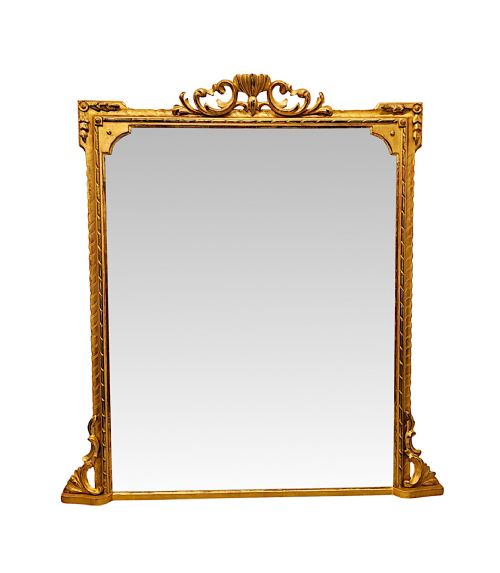
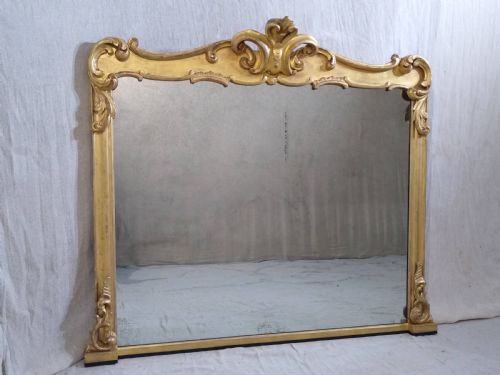
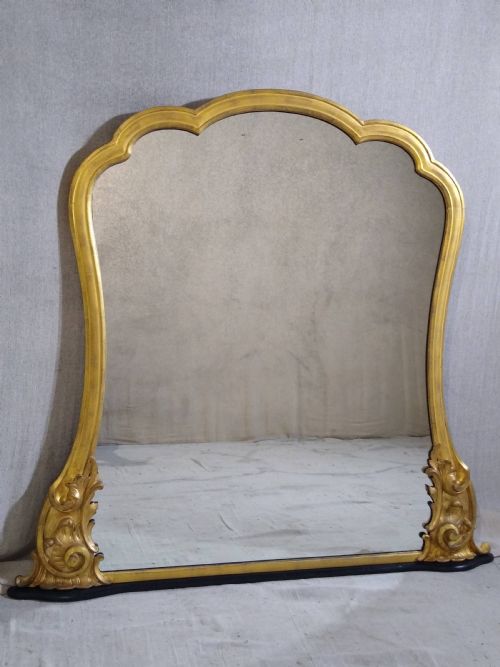
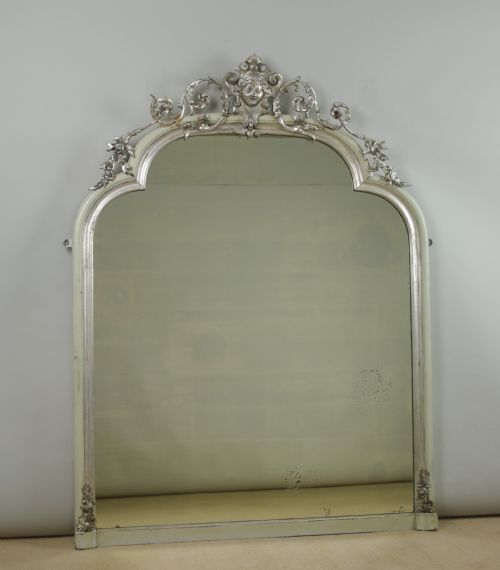
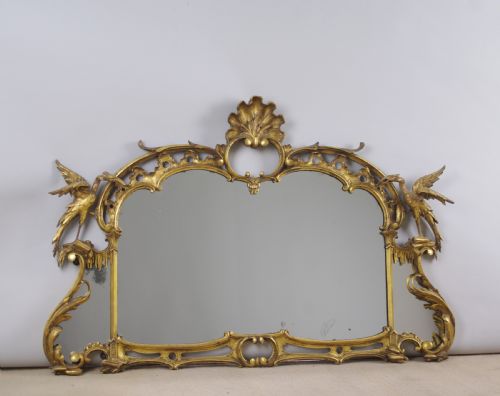
A rococo fireplace mirror combines elaborate asymmetrical scrolls, foliate motifs, and grand proportions tailored for the drawing room. Most examples found on this page date from the nineteenth century, including the Victorian period and various revival styles.
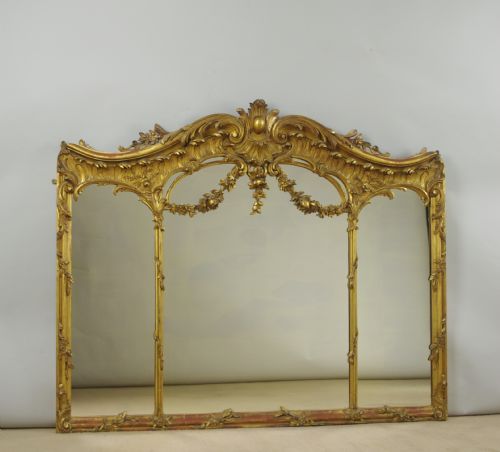
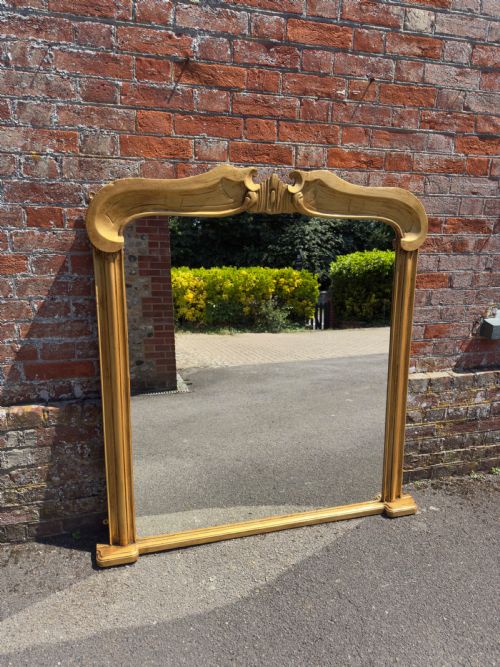
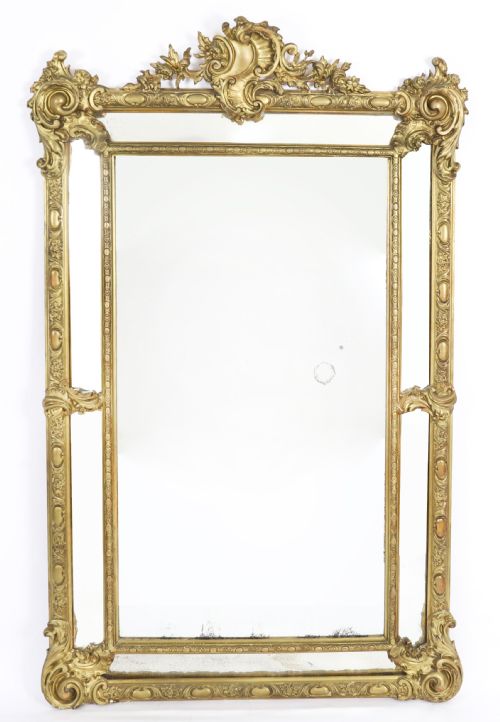
The primary forms recorded in the evidence are overmantel mirrors and wall mirrors, frequently featuring shaped tops, arched frames, or triple plates. These pieces often include distinctive details such as central cartouches, carved pediments, and gilded finishes designed to reflect light across a room.
Materials and construction methods
The construction of these mirrors relies heavily on carved wood and gesso, which provides the base for intricate sculptural decoration. Artisans shaped timber frames before applying layers of gesso to build up high-relief scrolls and floral patterns.
Finishing techniques centre on the application of gold leaf and silver leaf, alongside painted surfaces. Mirror glass is set within these heavy frames, occasionally taking the form of multiple plates or tryptic layouts.
Current listings feature pieces spanning the eighteenth, nineteenth, and early twentieth centuries, constructed from carved wood, gesso, and glass.
Assessing craftsmanship and detail
The depth and crispness of the carved wood and gesso ornamentation dictate the visual impact of the piece. Superior examples display sharply defined scrollwork and delicate motifs rather than soft or shallow moulding.
Proportion and scale also distinguish finer specimens, particularly when large frames maintain structural integrity without sagging or distortion. The quality of the gilding and the preservation of the original glass contribute significantly to the overall presence of the object.
The Rococo Fireplace Mirror Glossary
- Overmantel mirror
- A large mirror specifically designed to hang or stand upon the mantelpiece above a fireplace.
- Gesso
- A plaster-like mixture applied to wood frames to create a smooth surface for carving and gilding.
- Giltwood
- Timber that has been coated with a thin layer of gold leaf.
- Cartouche
- An ornamental frame resembling a rolled-up piece of paper or parchment, often placed centrally on the mirror crest.
- Tryptic
- A mirror composed of three panels placed side by side.
Rococo Fireplace Mirror: Frequently Asked Questions
How do I hang a heavy overmantel mirror?
These substantial frames require secure fixing directly into wall studs or masonry using heavy-duty brackets suited to the weight of carved wood and glass.
Due to their size, professional installation is often recommended to ensure the piece is safely supported above a fireplace.
Are these mirrors suitable for modern interiors?
The grand scale and ornate frames of nineteenth-century revival mirrors work well as focal points in contemporary spaces, contrasting with minimalist walls.
Positioning them above a mantelpiece or on a main living room wall maximises their reflective qualities.
How do I identify a nineteenth-century revival piece?
Nineteenth-century revival mirrors typically exhibit deep gesso mouldings and styles that draw heavily on eighteenth-century French and English designs.
Examination of the backing boards, fixings, and silvering on the glass helps confirm the age of the piece.