



Rococo Dressing Table Mirror
These rococo dressing table mirror pieces combine ornate 19th-century styling with practical vanity use, bringing fluid curves and decorative flourish to a bedroom.
Rococo Dressing Table Mirror
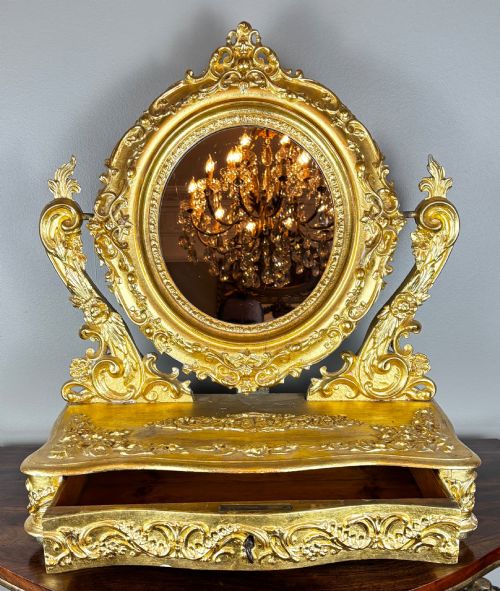
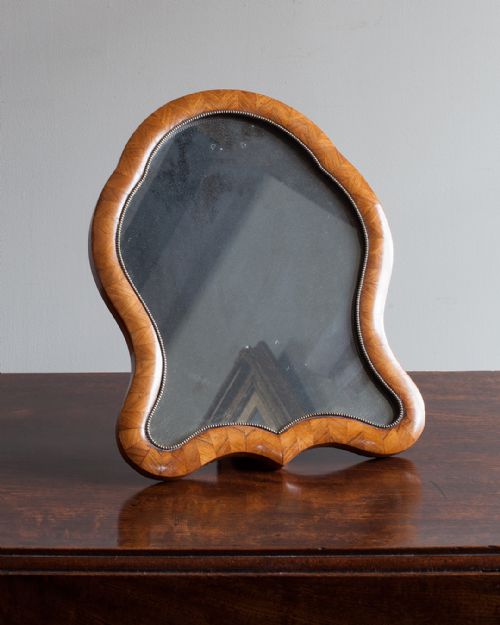
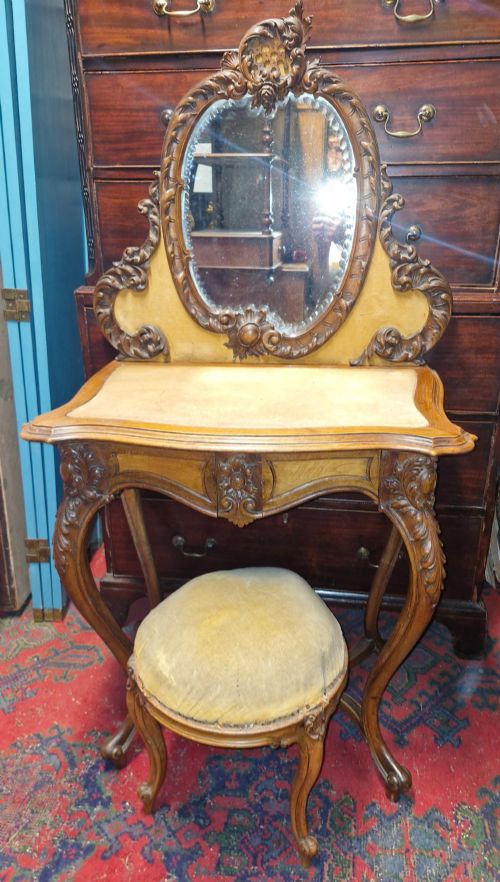
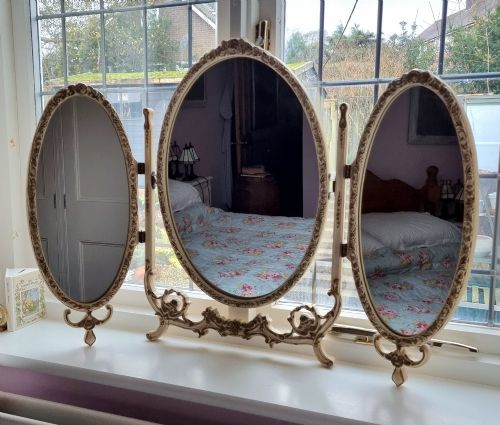
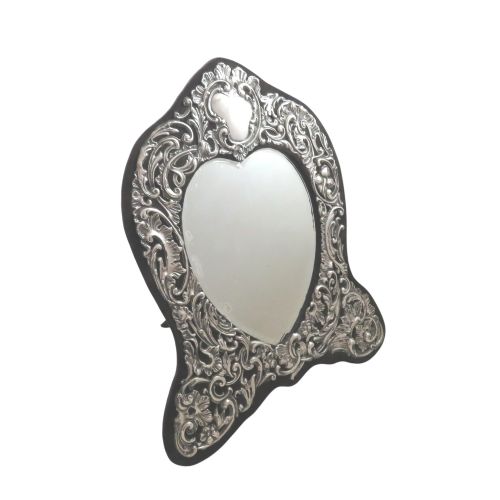
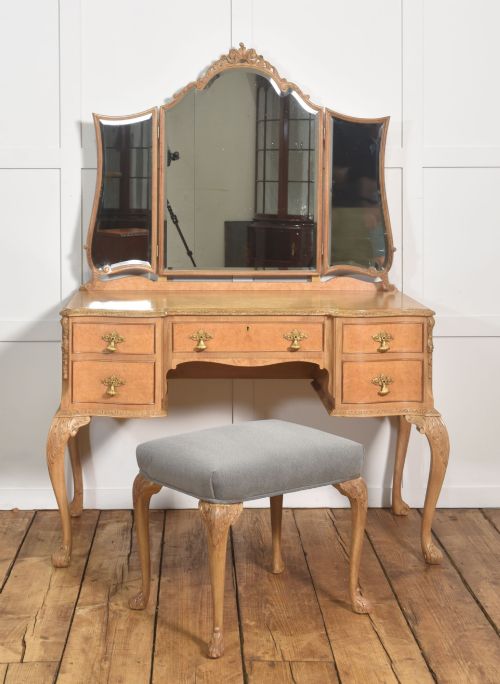
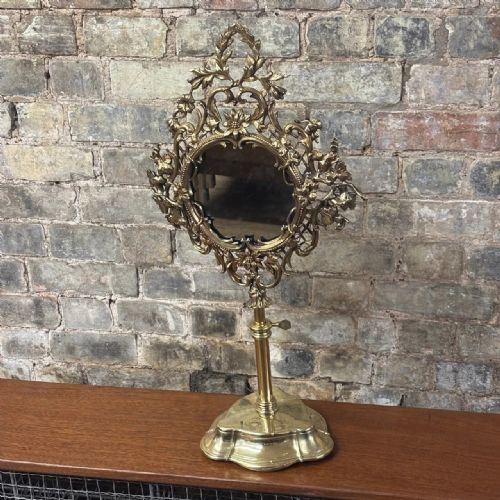
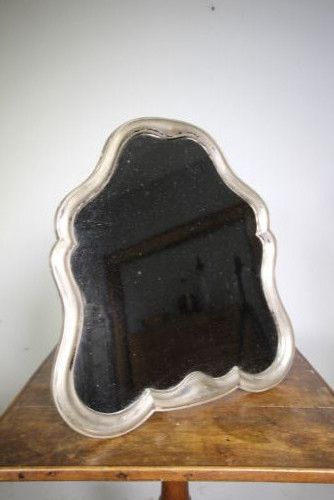
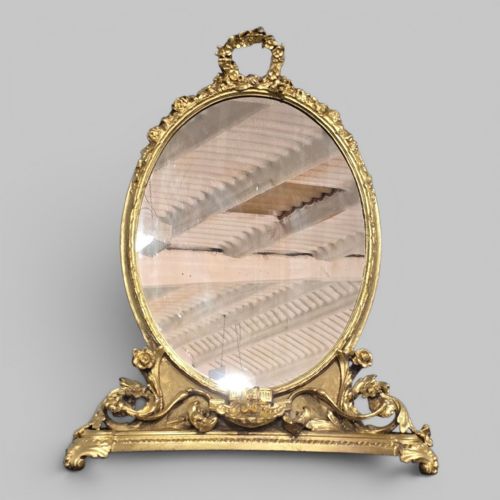
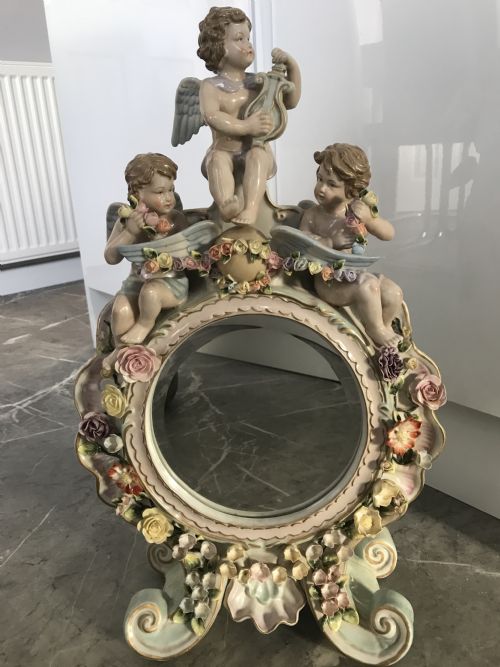
A rococo dressing table mirror sits on a chest or vanity, providing a functional reflective surface framed by asymmetrical scrollwork and ornate organic motifs. These objects appear in various forms, from small brass table models to large porcelain easel pieces.
The pieces on this page span the nineteenth century and the early twentieth century, featuring revival styles that echo earlier French aesthetics. Walnut, mahogany, and carved oak provide the structural foundation for many of these vanity items.
Makers often incorporated folding triple panels or swinging mechanisms to adjust the angle of reflection. Continental factories also produced porcelain frames embellished with floral details and figural elements.
Materials and Construction
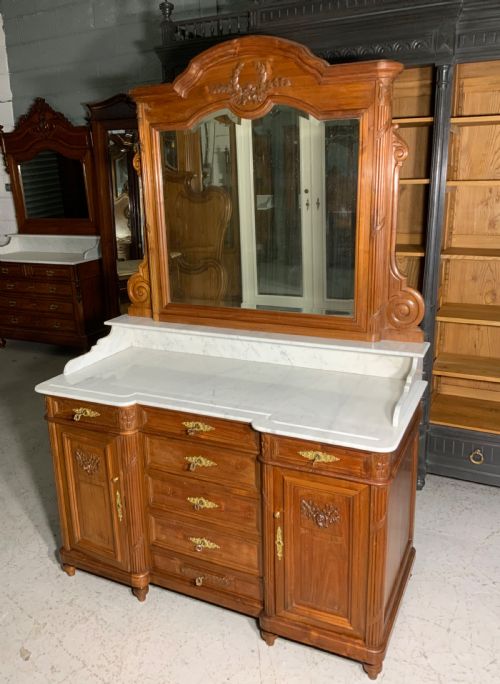
Wood varieties such as walnut, mahogany, and kingwood form the primary structure for carved frames and larger dressing tables. Craftsmen shaped these timbers into sweeping curves characteristic of the revival styles.
Cast metals like brass and ormolu provide detailed scrollwork and structural support for easel backs and table stands. Silver mounts and silver gilt finishes add reflective metallic brilliance to the decorative borders.
Porcelain and gesso elements introduce moulded decoration, often featuring painted flowers or cherubs. Bevelled mirror glass is set securely within these diverse frames to complete the functional reflective surface.
Rococo Dressing Table Mirror Retail Price Guide 2026
Typical asking prices for rococo dressing table mirror among the pieces listed under this phrase on Sellingantiques today, from the lower quarter to the upper quarter. They describe what is for sale here now, not the wider market.
Some porcelain mirrors feature small painted cherubs keeping a silent, permanent watch over your morning routine.
Distinctions in Quality
The finesse of the carving and the depth of the casting separate standard items from superior examples. Hand-carved walnut and finely chased brass display crisp detail in the asymmetric scrollwork rather than soft, mass-produced contours.
The integrity of the materials, from heavy solid brass and sterling silver to thick bevelled mirror glass, determines the enduring weight and balance of the piece. Porcelain mounts with hand-painted details indicate higher craftsmanship than plain or unadorned surrounds.
The mechanical reliability of the swing frame or folding triple hinges influences daily utility. Well-fitted joints and robust easel stands ensure the glass remains stable at any chosen angle.
Jean Gille·Joseph Meissonnier·Sitzendorf
The Rococo Dressing Table Mirror Glossary
- Rococo Revival
- A nineteenth-century style that reinterprets the ornate, curved forms and asymmetrical ornamentation of the eighteenth-century French movement. It favors natural motifs like shells, scrolls, and foliage.
- Ormolu
- Gilded bronze or brass applied to furniture mounts and mirror frames. This technique provides a rich metallic finish that mimics solid gold without the weight.
- Easel Mirror
- A freestanding mirror supported by a hinged prop at the back. This design allows the glass to tilt at a convenient angle on a tabletop.
- Gesso
- A plaster-like material applied to wood surfaces and carved or moulded into decorative reliefs. It frequently serves as a base for gilding.
- Triple Mirror
- A vanity glass composed of a central panel flanked by two smaller hinged wings. These adjustable side sections permit angled reflections.
- Silver Deposit
- A chemical and electrical process used to bond pure silver designs onto ceramic or porcelain surfaces. This creates metallic patterns directly on the glazed body.
Rococo Dressing Table Mirror: Frequently Asked Questions
How do I date a rococo dressing table mirror?
Examine the construction methods, the type of mirror glass, and the materials used in the frame. Nineteenth-century examples often feature heavy brass castings, bevelled glass plates, or hand-carved walnut.
Later revival pieces from the early twentieth century may employ machine-tooled elements or lighter veneers. Hallmarks on silver mounts also provide precise year markers.
Where should I place a table mirror?
These mirrors suit dressing tables, chests of drawers, and console tables in bedrooms or hallways. They require a stable surface with enough depth to support the weight of the frame and easel back.
Position the piece near a natural light source to make the most of the reflective glass during daily use.
Are folding triple mirrors adjustable?
The hinged side panels on a triple mirror pivot outward and inward to change the angle of reflection. This movement lets you view profile angles while seated at a vanity.
Check that the hinges operate smoothly without straining the surrounding wood or metal frame.
What is the difference between porcelain and brass frames?
Porcelain frames feature moulded ceramic bodies, often decorated with floral motifs, cherubs, or painted details from continental factories. They offer a decorative, tactile surface.
Brass frames rely on metal casting to achieve intricate scrollwork and structural rigidity, providing a metallic sheen that complements the glass.