



Rococo Chimney Glass
A rococo chimney glass brings sweeping scrollwork and light to a room, hung low above the hearth where it commands the wall.
Rococo Chimney Glass
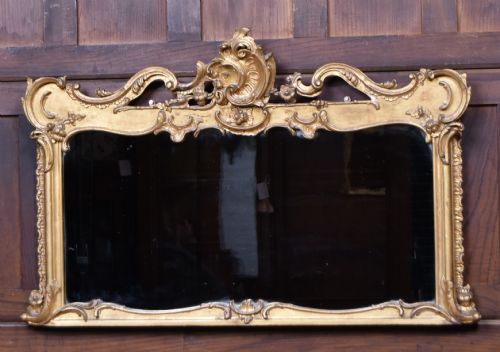
When you search for a rococo chimney glass, you find large overmantel mirrors designed to sit directly above a fireplace mantelpiece. The pieces seen here span the eighteenth century up through the Victorian era and the twentieth century, taking forms such as overmantel mirrors, wall mirrors, and occasionally oil lamps.
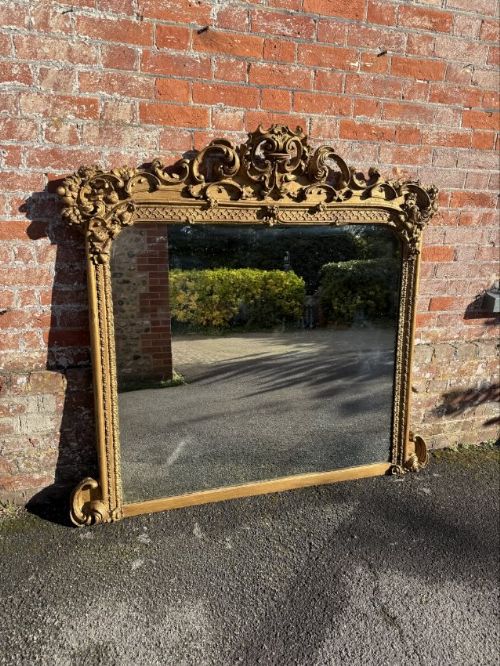
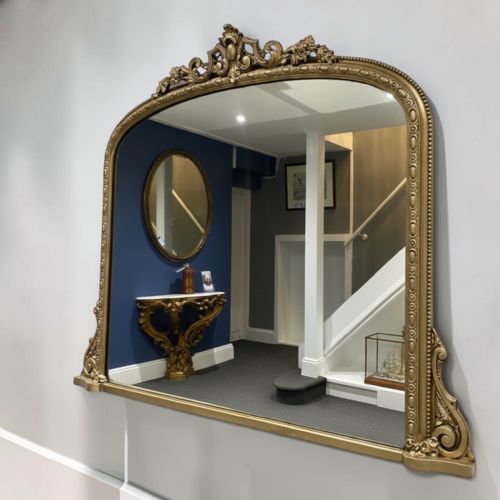
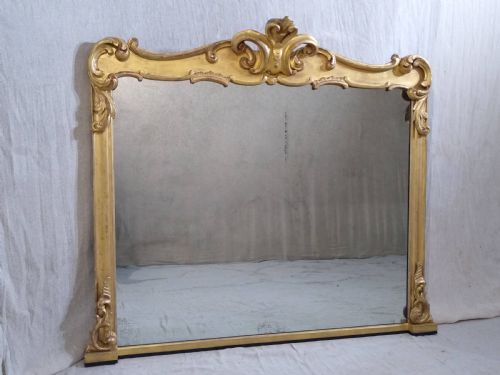
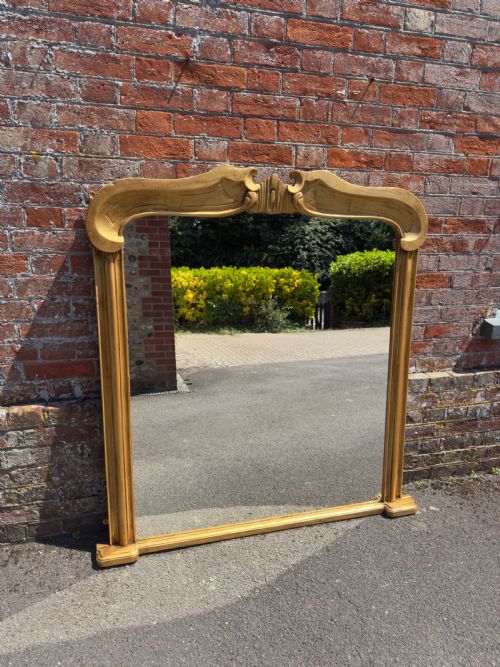
The version you are most likely to meet on this page is a nineteenth century giltwood and gesso overmantel mirror in the rococo revival or French chateau style. These frames often feature shaped tops, waisted outlines, or carved pediments reflecting Chippendale, Irish rococo, and George II influences.
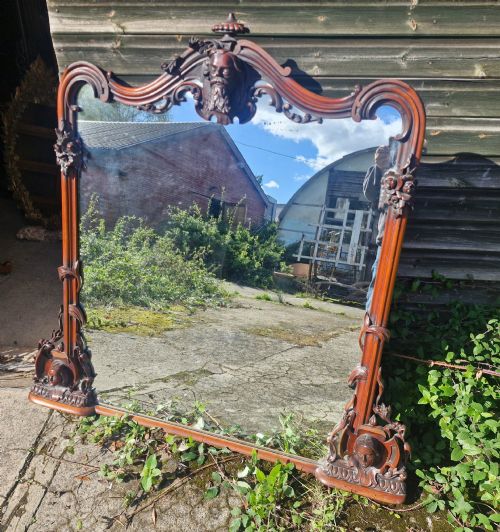
Makers and craftsmen built these large glass plates to reflect flickering firelight and brighten dark Victorian and period rooms. Alongside the grand giltwood statement frames, you will encounter pieces framed in mahogany, painted wood, or light grey and gilt finishes.
How they were made
Carvers shaped solid wood or built up intricate relief decoration using gesso layered over a wooden base before applying gold leaf or paint. This combination allowed artisans to achieve the deep, asymmetrical scrolls, leaves, and whimsical animal details characteristic of the style.
Heavy mirror glass was set into these expansive frames, sometimes divided into multiple plates as seen in tryptic designs. The joinery and framing timber, frequently mahogany or softwoods, had to support substantial weight while maintaining elaborate arched or shaped crests.
Rococo Chimney Glass Retail Price Guide 2026
Typical asking prices for rococo chimney glass among the pieces listed under this phrase on Sellingantiques today, from the lower quarter to the upper quarter. They describe what is for sale here now, not the wider market.
Listings feature periods spanning the eighteenth century, the Victorian era, and the early twentieth century, utilising materials including giltwood, gesso, mahogany, and mirror glass.
What varies in quality
The depth and crispness of the hand-carving separate standard production from superior craftsmanship in these mirrors. Relief work that retains sharp edges and detailed motifs like birds or squirrels demonstrates a higher tier of artisan skill than flat or moulded composition ornaments.
The integrity of the original gilding and gesso surface dictates the visual weight of the piece. Surviving gold leaf with authentic patination holds greater coherence than later overpainting or heavy restoration which obscures the underlying woodwork.
The Rococo Chimney Glass Glossary
- Chimney glass
- A large mirror specifically designed to hang above a chimney piece or fireplace. These glass plates were proportioned to fill the broad wall space of a formal room.
- Gesso
- A plaster-like mixture applied to a wooden frame to create a smooth surface for gilding. Artisans carved intricate relief details directly into this hardened material.
- Giltwood
- Timber covered with a thin layer of gold leaf. This finish provided brilliant reflection for candlelight in period interiors.
- Overmantel mirror
- A large wall mirror hung above a mantelpiece. It acts as the visual focal point of the fireplace wall.
- Tryptic
- A mirror composed of three panels placed side by side. The central glass is typically flanked by two narrower sections, sometimes featuring decorative top ornaments.
Rococo Chimney Glass: Frequently Asked Questions
How do I hang a heavy overmantel mirror safely?
These large frames require secure fixing directly into wall studs or masonry using heavy-duty brackets designed to bear the substantial weight of wood and glass. Professional installation is recommended to ensure the mirror is anchored securely above the fireplace.
Because the pieces are wide and heavy, distributing the load across multiple load-bearing points prevents strain on the frame joints and protects historic plasterwork.
Where should a chimney glass be placed?
Traditionally positioned directly above the fireplace mantelpiece, a chimney glass serves to anchor the room's proportions and reflect natural light from windows. Placing it at this focal height draws the eye upward and balances the fireplace opening below.
While designed for the chimney breast, similar large wall mirrors can function effectively on expansive living room or hallway walls if hung at a comparable eye-level height.
How do I tell a Victorian rococo revival piece from an 18th-century original?
Victorian rococo revival frames often utilise machine-prepared gesso and denser framing timbers, displaying a heavier construction and more standardised casting in the ornament. Eighteenth-century pieces generally show deeper, hand-chiseled wood carving and distinct tool marks on the reverse.
Examining the backing boards, screw types, and the composition of the mirror glass itself provides further clues to the manufacturing period of the frame.