



Antique Grey Mirror
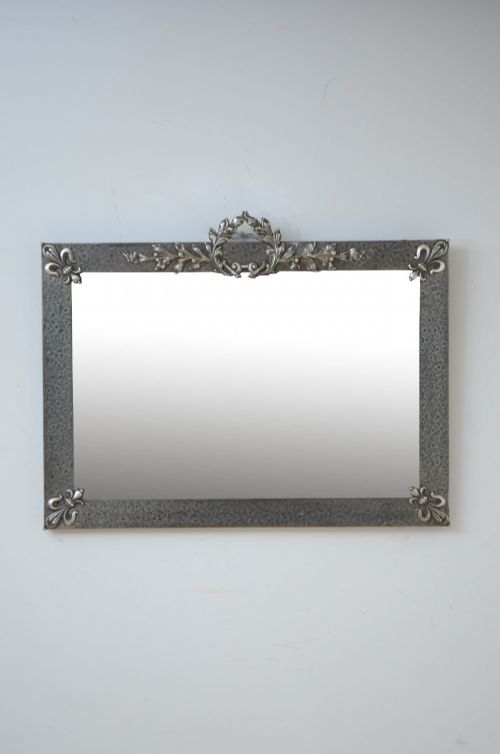
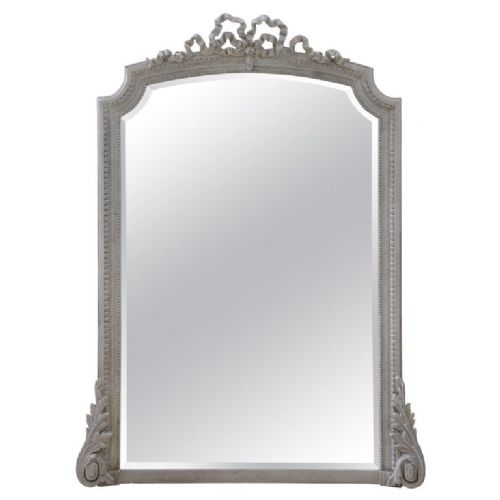
An antique grey mirror brings muted elegance to an interior, combining soft painted wooden frames with the deep reflection of period glass.
Antique Grey Mirror
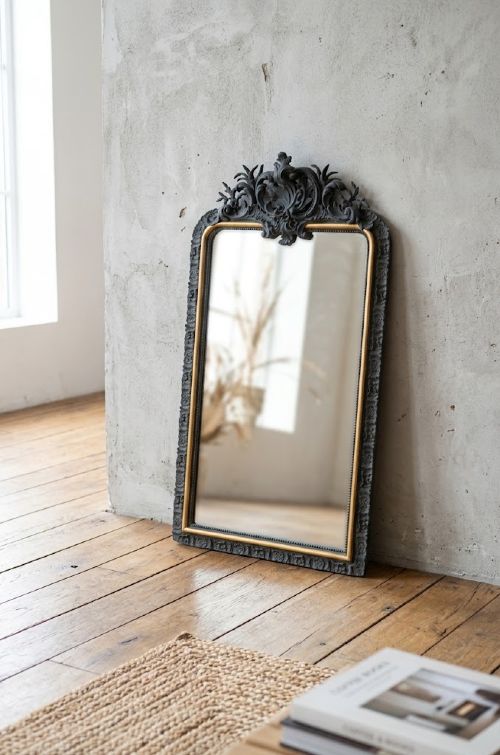
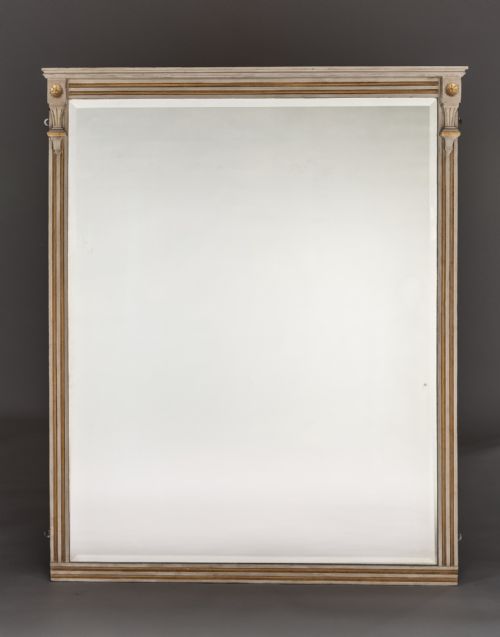
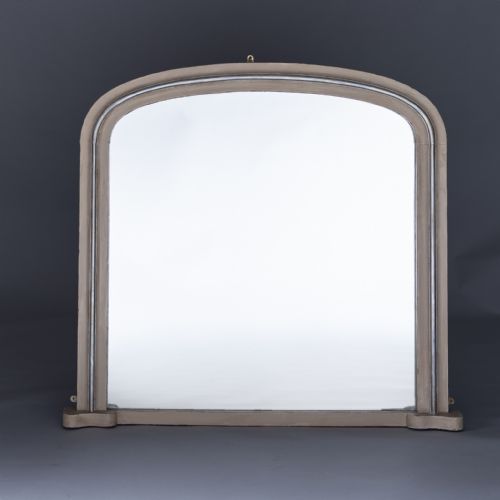
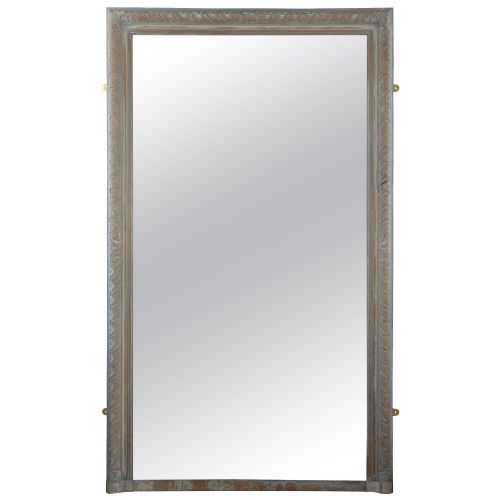
When searching for an antique grey mirror, buyers encounter a variety of substantial wall-hanging and overmantel formats originating primarily from nineteenth-century France and England. These pieces span distinct regional styles, from stately Victorian and Edwardian overmantels to classical French chateau and provincial designs.
The most frequent form on this page is the large painted overmantel or wall mirror, frequently constructed with an arched top and substantial proportions designed to anchor a room. Alongside dedicated wall pieces, related furniture items such as dressing tables, console tables, and armoires occasionally incorporate the same painted aesthetic.
Periods represented stretch from the mid-nineteenth century through the Edwardian era and into the early twentieth century, showing sustained appreciation for grey painted surfaces across multiple decades of domestic interior design.
Materials and Construction
Makers built these frames using carved wood, moulded gesso, and solid timber substrates, applying layers of paint to achieve the characteristic muted surface finish. Carved ornamentation and applied relief details often embellished the wooden structures before painting and partial gilding or silvering were applied.
Glass plates within these frames include both standard mirror glass and mercury glass, set securely behind robust wooden backs. The integration of painted wood and gesso allowed craftsmen to produce elaborate architectural mouldings and shaped frames that retained structural integrity over generations.
Some nineteenth-century mirrors still retain traces of mercury behind the glass, capturing reflections through a gentle haze of time.
Quality and Craftsmanship
The standard of carving and the depth of the gesso relief set finer examples apart from simpler utilitarian frames. Crisp execution in wooden mouldings and balanced proportions indicate higher workshop skill during the manufacturing process.
The integrity of the painted surface and the character of the glass plate influence overall distinction. Original painted finishes that have aged naturally carry more visual depth than later repainting, while authentic period mirror plates show subtle patination unique to older manufacturing methods.
The Antique Grey Mirror Glossary
- Overmantel mirror
- A large wall mirror specifically proportioned to hang above a fireplace mantelpiece. These pieces often feature horizontal emphasis or arched tops designed to fit architectural chimney breasts.
- Trumeau mirror
- A decorative wall mirror incorporating an integrated panel above or beside the glass, frequently found in French interior design. The panel often displays painted scenes, carvings, or classical reliefs.
- Gesso
- A plaster-like mixture applied to wood frames to create a smooth surface for painting or gilding. Skilled artisans carved intricate relief decorations directly into this material.
- Mercury glass
- An early type of silvered glass produced by pouring a liquid mercury amalgam between double-walled blown glass globes before cutting and flattening. It produces a distinctive misty and mottled reflection.
- Pier mirror
- A tall, narrow mirror traditionally hung on the pier wall between two windows. Their vertical proportions helped maximise available light in nineteenth-century rooms.
Antique Grey Mirror: Frequently Asked Questions
Where should I hang a large overmantel mirror?
These large mirrors traditionally sit directly above a fireplace mantelpiece to reflect light and anchor the room's main focal point. They also function effectively on principal living room walls where their scale creates a sense of expanded space.
Ensure the wall construction and fixings can support the substantial weight of carved wood and glass frames. Professional hanging hardware distributed across multiple anchor points is essential for secure installation.
How do I care for antique painted wood frames?
Dust the carved and painted surfaces regularly with a soft, dry cloth to prevent accumulation in the intricate gesso recesses. Avoid chemical cleaners and moisture, which can damage aged paint layers and underlying wood.
Keep these mirrors away from direct sunlight and excessive humidity to protect the timber substrate from warping. Gentle handling preserves the delicate patination developed over decades.
What is the difference between a trumeau mirror and a standard wall mirror?
A trumeau mirror includes a decorative wooden panel integrated above the glass plate, often featuring classical paintings or carved low-relief motifs. Standard wall mirrors focus solely on the reflective glass surface within a decorative frame.
Trumeau designs originated in neoclassical French architecture to fill specific wall panels between doors or windows. Their built-in decorative sections offer a distinct architectural presence compared to conventional mirrors.
How can I identify nineteenth-century French mirrors?
Nineteenth-century French mirrors often display characteristic regional styles such as Louis Philippe, Rococo, or Empire influences in their carved gesso frames. They frequently utilise mercury glass plates that exhibit natural foxing and cloudy patination.
Construction details on the reverse, including aged pine backing boards and traditional joinery, help confirm the period. The specific shade of grey paint on these pieces often reflects traditional French decorative palettes of the era.