
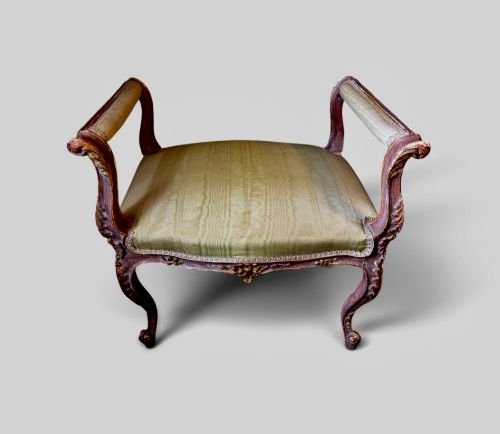
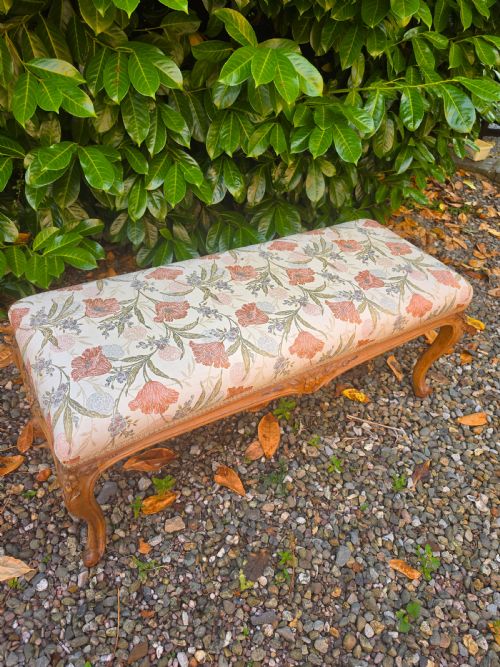


Rococo Carved Window Bench
These rococo carved window bench selections bring French and Italian flair into your room through ornate woodwork and low seating.
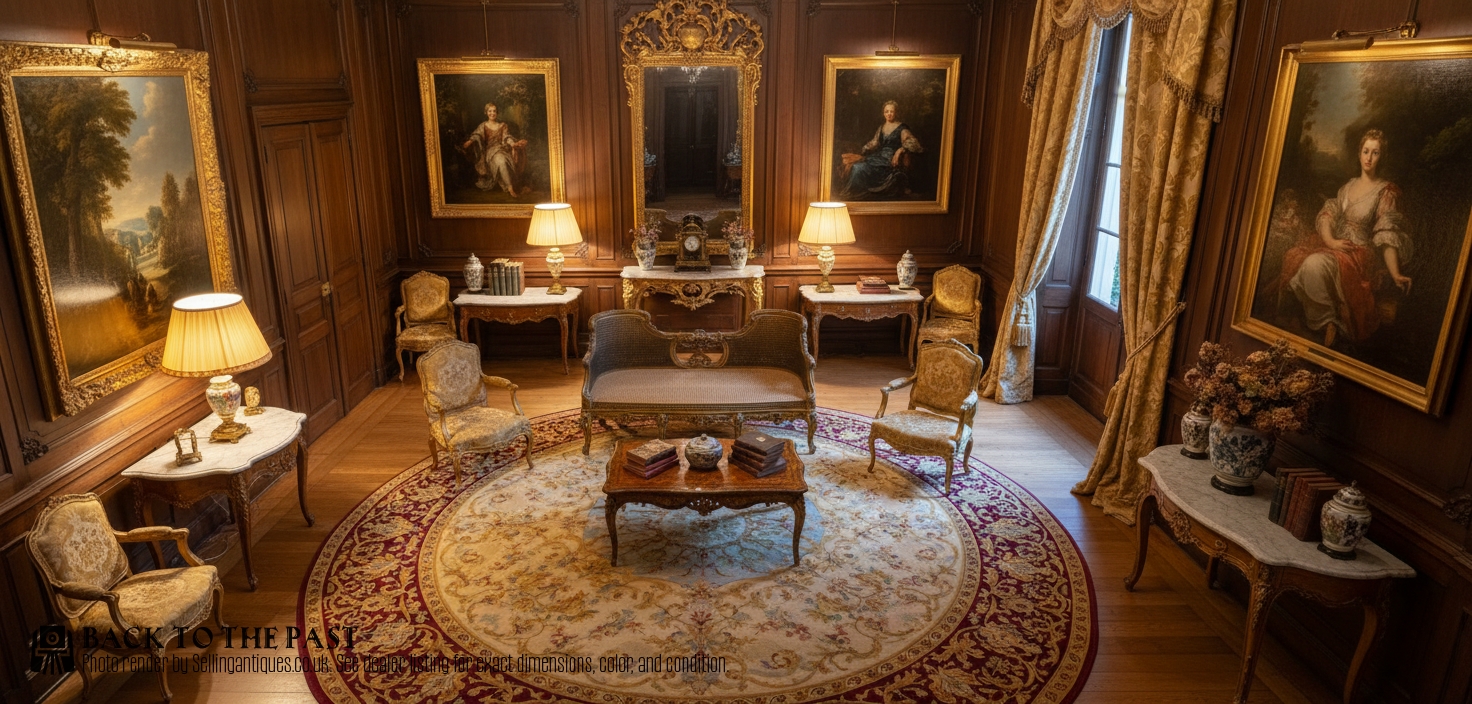
Rococo Carved Window Bench
A rococo carved window bench is typically represented here by low stools, long benches, and window seats originating across the nineteenth and early twentieth centuries. These forms draw on French Regence, Louis XV, and Italian Rococo styles, executed as seating designed to sit beneath window ledges or at the foot of a bed.
You will encounter various interpretations ranging from early nineteenth century giltwood examples to painted French pieces and walnut cabriole leg stools. The grouping also includes Swedish low stools and Italian long stools, each sharing the characteristic low profile and decorative carved frames typical of the revival periods.
How they were made
Makers shaped these frames from solid woods such as walnut, mahogany, and general painted or gilt wood, applying intricate hand carving to create the characteristic curves. Giltwood and gilded finishes involved laying gold leaf over prepared grounds on the timber base.
Upholstery completed the forms, utilising traditional textiles, linen, and occasional cane inserts for seats. Skilled artisans shaped cabriole legs and scrollwork into the structural woodwork to support the upholstered cushions.
Several low stools were built simply so feet could stay warm away from chilly stone floors.
What varies in quality
The sophistication of the hand carving distinguishes finer examples from simpler production, particularly in the depth and sharpness of the floral and scroll motifs. Superior pieces exhibit fluent, organic movement in the wood rather than stiff or repetitive cutting.
The finish also dictates worth, where original or well-applied gilding and carefully distressed painted surfaces hold more visual harmony than later, unsympathetic re-paintings. The integrity of the underlying timber frame and the quality of the chosen textile further separate the standard from the exceptional.
The Rococo Carved Window Bench Glossary
- Giltwood
- Timber coated with gold leaf or gold paint to create a lustrous metallic surface. This finish defines many formal pieces from the period.
- Cabriole leg
- A furniture leg that curves out and then in, resembling the leg of an animal. It typically terminates in a scroll or pad foot.
- Louis XV Style
- A design aesthetic characterised by asymmetrical curves, C-scrolls, and naturalistic plant motifs. It forms the basis of much rococo revival furniture.
- Window seat
- A long, narrow form of seating designed specifically to fit into a window recess. These often feature upholstered tops and decorative carved rails.
Rococo Carved Window Bench: Frequently Asked Questions
Where should I place a window bench?
These low seats suit placement beneath deep window frames, along narrow hallway walls, or positioned at the end of a bedroom. Their compact height keeps sightlines open.
They also function as occasional seating in living spaces or beneath mirrors where larger furniture would overwhelm the room.
How do I identify a revival piece?
Nineteenth and early twentieth-century revival pieces often display machine-assisted precision alongside hand finishing, unlike eighteenth-century originals. Tool marks and timber ageing help reveal the actual era of manufacture.
Style nomenclature in listings often points to these later interpretations rather than authentic period pieces from the primary reigns.
What is giltwood?
Giltwood consists of wood covered with a thin layer of gold leaf applied over a gesso base. It creates a rich, reflective surface that catches natural light.
This material was heavily utilised in formal French and Italian seating to project luxury and opulence.
Can I reupholster these benches?
Most of these pieces accept modern upholstery fabrics while retaining their historic wooden frames. Traditional stuffing materials can be replaced with contemporary equivalents for daily comfort.
Preserving the exposed carved wooden borders ensures the decorative integrity of the piece remains intact during refurbishment.