

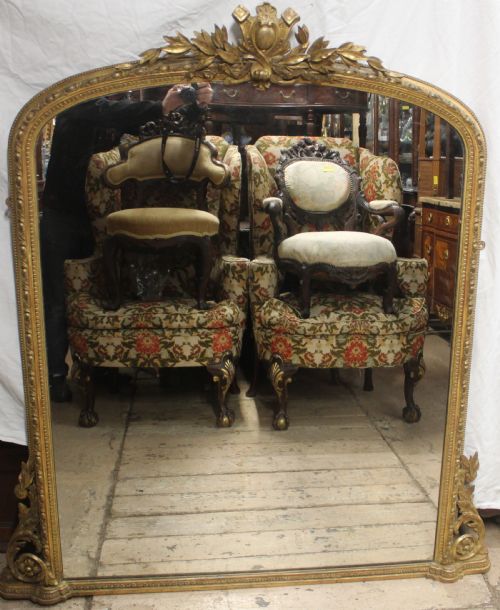
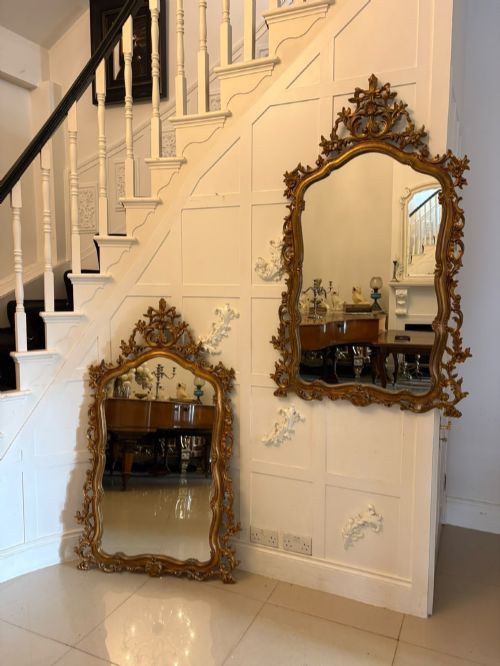
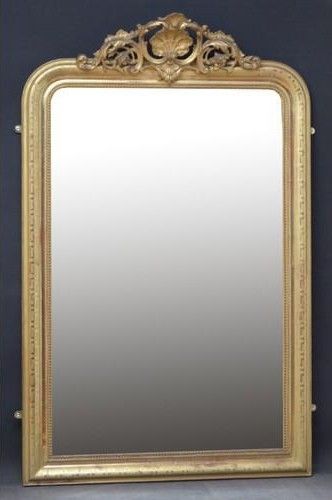
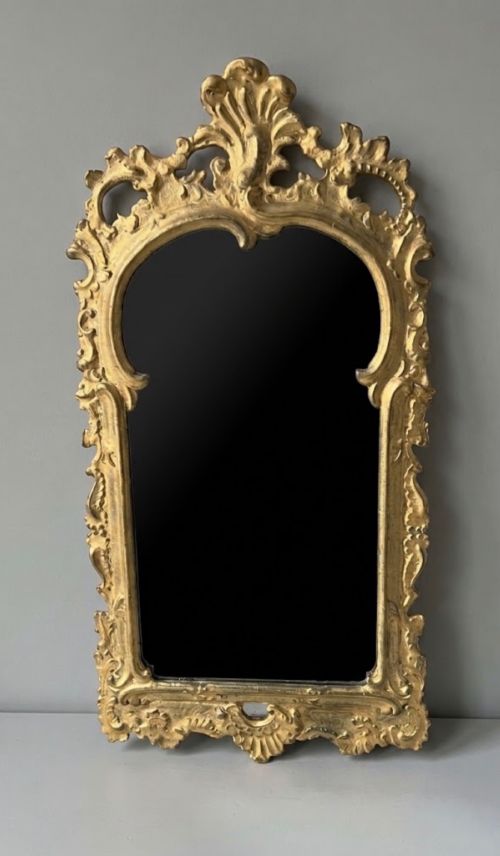
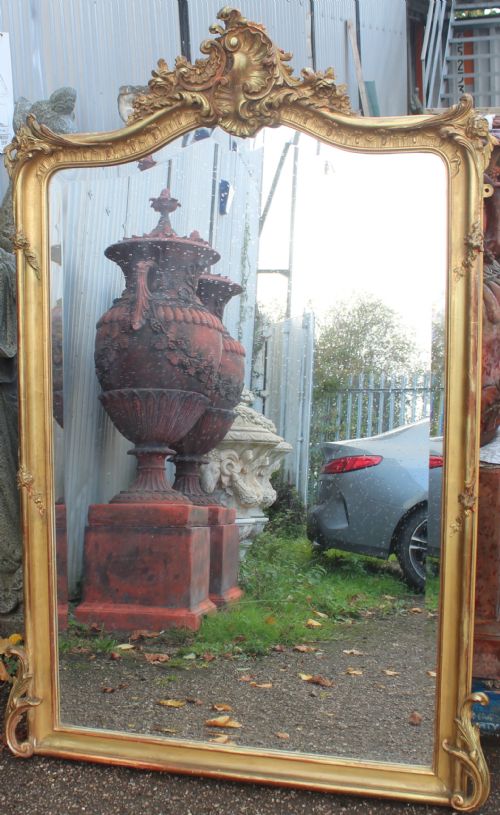
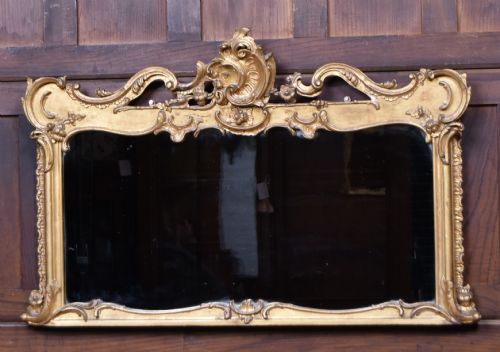


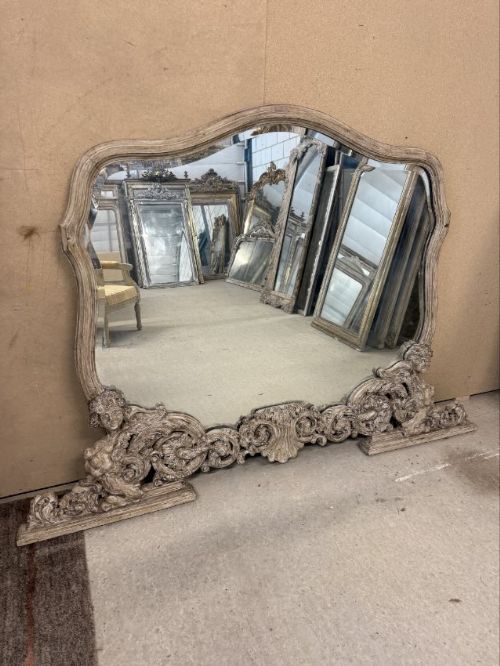
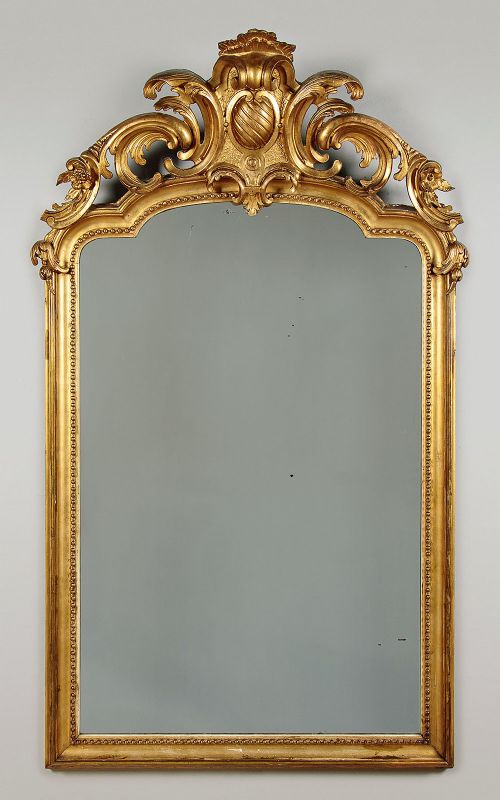

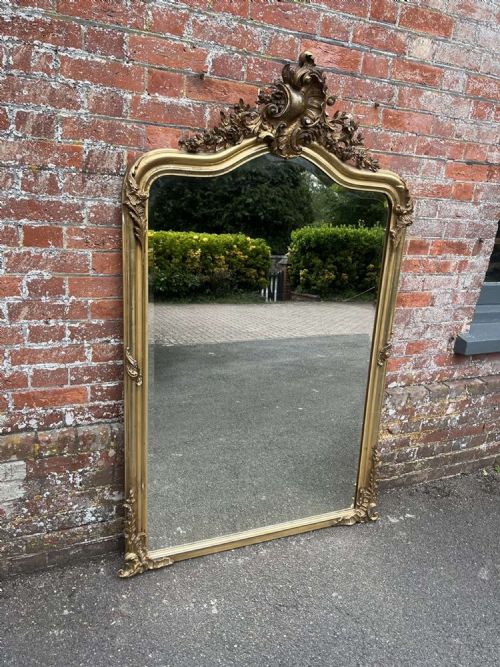
Rococo Carved Mantle Mirror
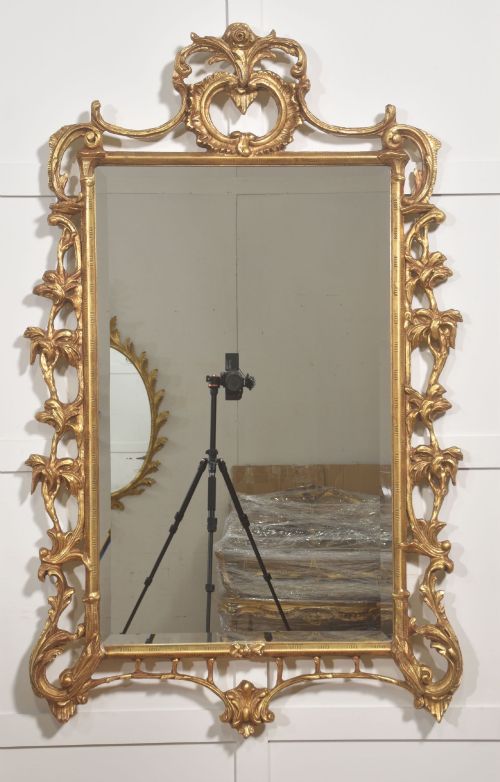
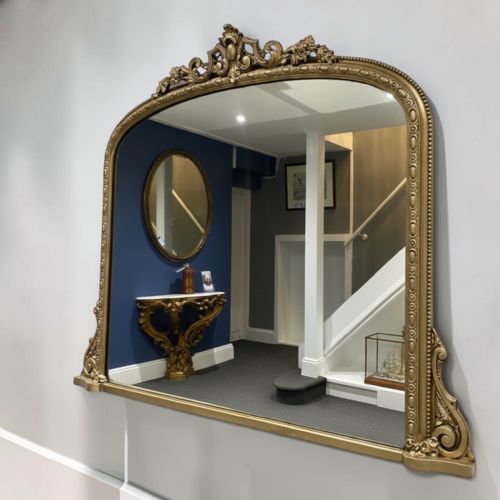
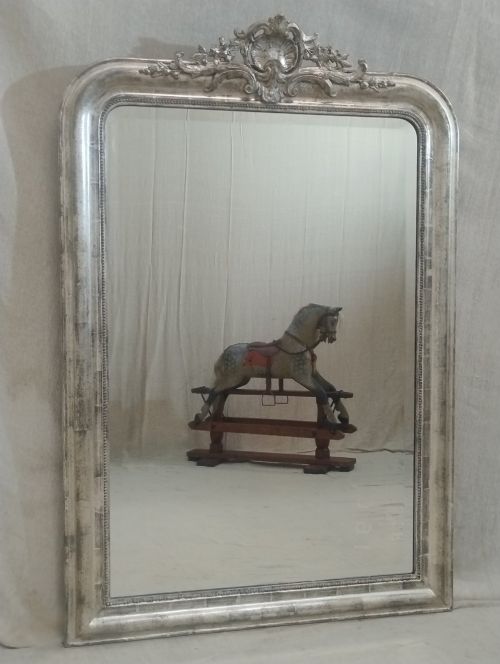
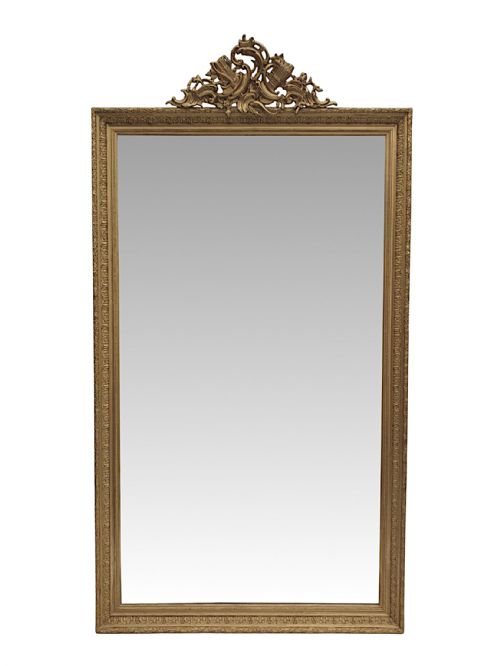
A rococo carved mantle mirror brings heavy nineteenth-century presence and flowing asymmetrical curves to a room.
Rococo Carved Mantle Mirror
A rococo carved mantle mirror is a substantial domestic furnishing designed to sit above a fireplace, reflecting light across the principal rooms of a house. These pieces appear principally as overmantels and wall mirrors originating from the nineteenth century, alongside occasional eighteenth-century examples.
The visual vocabulary relies on revival styles, notably French Rococo Revival and Italian interpretations, bringing ornate framing to domestic spaces. Forms range from shaped and arched tops to rectangular wall formats intended for heavy internal placement.
Makers and workshops across England, France, and Italy produced these furnishings to command attention in large reception rooms. The buyer encounters them chiefly in giltwood, gesso, and painted finishes reflecting nineteenth-century taste.
Materials and construction
Construction relies heavily on timber frameworks of carved wood, oak, or walnut, providing the structural integrity needed for large wall formats. Artisans applied layers of gesso over the wooden base to build up intricate scrollwork and decorative motifs before finishing.
Surfaces received treatments of gold leaf, silver leaf, or paint to achieve the characteristic reflective brilliance of the style. Original mirror glass is frequently housed within these carved frames, showing the manufacturing tolerances of the period.
Rococo Carved Mantle Mirror Retail Price Guide 2026
Typical asking prices for rococo carved mantle mirror among the pieces listed under this phrase on Sellingantiques today, from the lower quarter to the upper quarter. They describe what is for sale here now, not the wider market.
Materials recorded across the inventory include giltwood, carved wood, gesso, silver leaf, and painted wooden frames.
Judging the work
Quality rests in the crispness and depth of the carving across the wooden scrollwork and decorative masks. Deeply undercut carving worked directly into solid wood distinguishes finer productions from simpler moulded compositions.
The integrity of the gilded or silvered surface determines the visual success of the piece. Intact layers of gold or silver leaf over well-prepared gesso preserve the intended brilliance of the design.
The Rococo Carved Mantle Mirror Glossary
- Giltwood
- Timber coated with gold leaf over a prepared ground. This finish provides the characteristic metallic sheen seen on traditional frames.
- Gesso
- A plaster mixture applied to wood frames to create a smooth surface for carving and gilding. It allows for sharp relief work.
- Overmantel
- A large mirror or painting designed specifically to hang above a fireplace mantelpiece. These pieces anchor the visual weight of a hearth.
- Pier glass
- A tall mirror designed to hang on the wall space between windows. They reflect natural light deeper into nineteenth-century rooms.
- Rococo Revival
- A nineteenth-century design movement mimicking the ornate, asymmetrical curves of the eighteenth-century French style. It dominates these mirror frames.
Rococo Carved Mantle Mirror: Frequently Asked Questions
Where should a mantle mirror hang?
These mirrors traditionally anchor the space directly above a fireplace mantelpiece, where their proportions balance the hearth below.
Alternatively, large examples function effectively as leaner mirrors placed directly against a principal wall in a reception room.
How do I clean an antique mirror?
Dust the carved wooden frame gently with a dry, soft brush to protect the delicate gilded or painted surface from moisture.
Clean the glass plate sparingly using a mild solution on a cloth, taking care to keep liquids away from the wooden edges.
Are these mirrors heavy to mount?
Nineteenth-century overmantels possess considerable weight due to their dense timber frames and thick glass plates.
Secure installation requires professional wall fixings attached directly to structural masonry or substantial wall studs.
How do I date an overmantel mirror?
Examine the construction methods of the wooden backing, the composition of the gesso, and the bevel or flatness of the glass.
Stylistic cues such as Louis XV revival motifs help place the manufacture within the nineteenth century.