



Grand Carved Wall Mirror
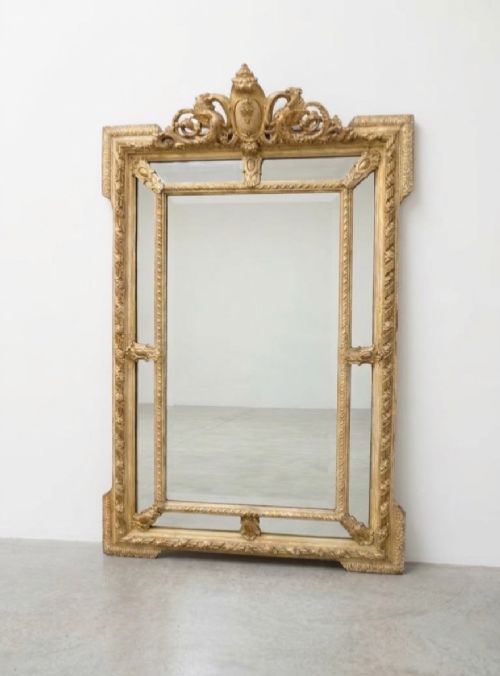
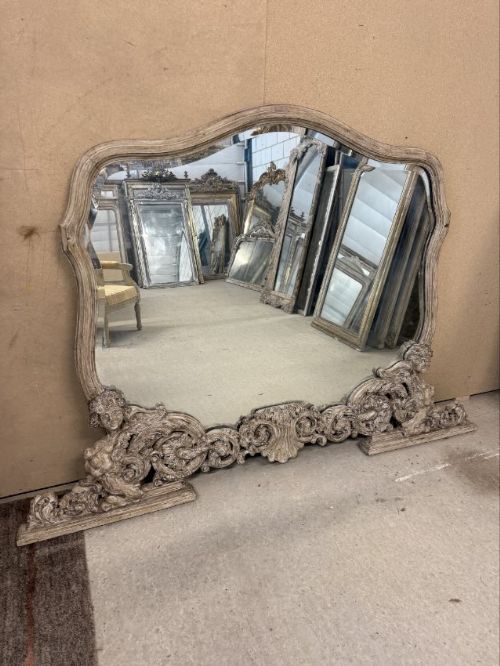
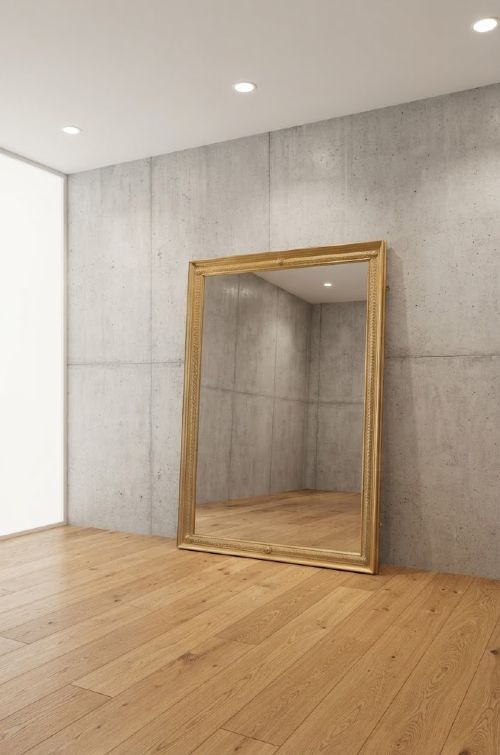
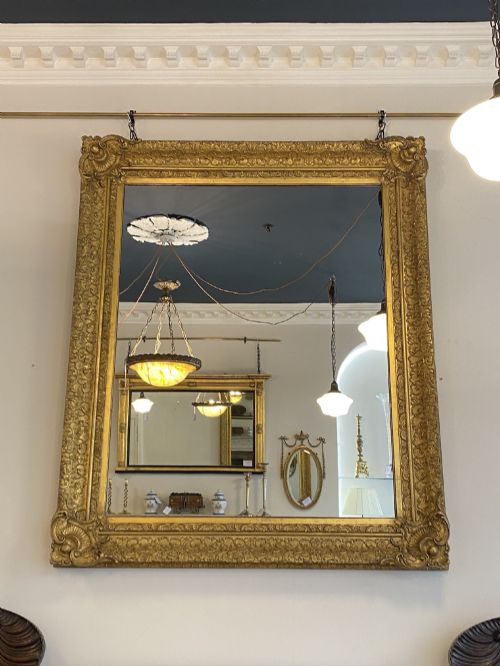
Grand carved wall mirror examples bring scale and presence to a room, offering striking architectural frames shaped by nineteenth-century and earlier hands.
Grand Carved Wall Mirror
A grand carved wall mirror is a commanding decorative object designed to anchor a principal room, drawing the eye with substantial proportions and deep relief work. When you search for a grand carved wall mirror, you encounter pieces intended for prominent spaces like overmantels or hallways.
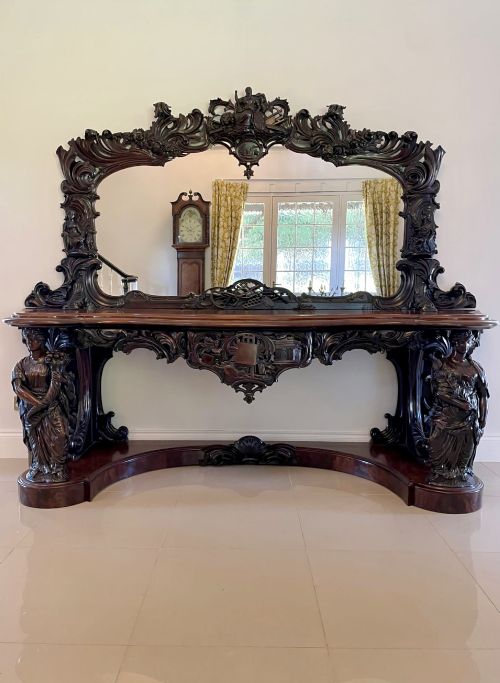
The selections span the eighteenth and nineteenth centuries, taking the form of overmantel mirrors, wall mirrors, and console tables with mirror backs. English and Italian workshops dominate, alongside French Empire interpretations.
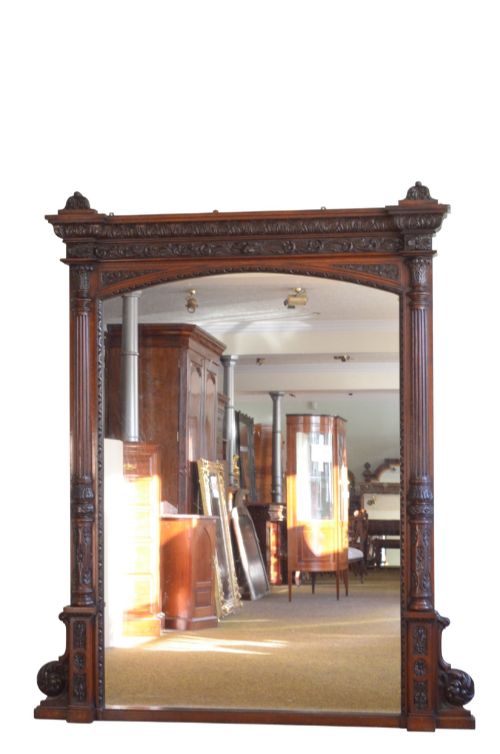
Victorian examples appear frequently, ranging from ornate Rococo Revival frames to imposing Gothic and Neoclassical designs. Oak, mahogany, and giltwood structures predominate across these large formats.
How they were made
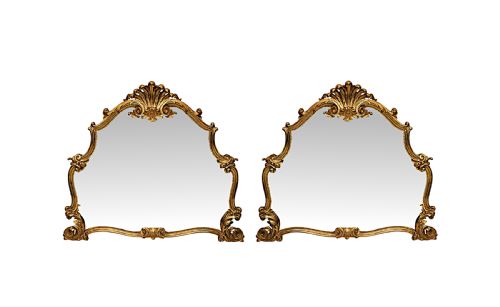
Makers fashioned these large frames from solid timbers such as oak and mahogany, applying gesso to carved wood surfaces to prepare them for intricate detail and gilding or paint. Giltwood finishes required layers of gold leaf laid over red or yellow bole.
Carvers worked by hand to execute deep relief foliage, scrolls, and architectural mouldings, often combining painted elements with gilded highlights. Original mirror glass, frequently showing age spots and distortion, was fitted securely into heavy rebated frames.
Grand Carved Wall Mirror Retail Price Guide 2026
Typical asking prices for grand carved wall mirror among the pieces listed under this phrase on Sellingantiques today, from the lower quarter to the upper quarter. They describe what is for sale here now, not the wider market.
What varies in quality
Quality rests upon the crispness and depth of the woodcarving, distinguishing master carvers from routine production. Sharp undercut details and well-proportioned symmetry elevate a piece above standard workshop output.
The integrity of the surface finish matters deeply, whether original gesso under gilding or early paint schemes. Original mirror plates with authentic foxing contribute significantly to the character and authenticity of the piece.
The Grand Carved Wall Mirror Glossary
- Giltwood
- Wood that has been coated with gold leaf or gold paint over a prepared gesso base. This finish reflects candlelight and daylight effectively in formal interiors.
- Gesso
- A plaster-like mixture applied to wood frames to provide a smooth surface for carving and gilding. It allows for sharp, crisp decorative details.
- Overmantel mirror
- A large mirror specifically designed to hang above a fireplace mantelpiece. These pieces often feature horizontal proportions to match the width of the fireplace surround.
- Trumeau mirror
- A decorative mirror integrated into a wall panel or placed above a mantel, often incorporating painted panels or carved wood ornamentation above the glass plate.
- Pier mirror
- A tall mirror designed to hang on the narrow pier of wall between two windows. They often match console tables positioned directly beneath them.
Grand Carved Wall Mirror: Frequently Asked Questions
Where should I hang a grand carved wall mirror?
These pieces suit principal reception rooms, dining rooms, or above large fireplace mantels where their scale creates a natural focal point.
Ensure the wall structure can support substantial weight, as solid oak, giltwood, and heavy glass plates require robust fixings.
How do I identify a Victorian piece?
Victorian mirrors often display revival styles such as Rococo, Gothic, or Neoclassical motifs executed in heavy oak, mahogany, or giltwood.
Construction details, backboards, and fastener types help confirm the nineteenth-century origin of the frame.
What is an overmantel mirror?
An overmantel mirror is built to sit directly above a fireplace, traditionally reflecting light from the hearth and windows across the room.
These mirrors often feature landscape orientations to span the width of the mantel shelf comfortably.
Are the mirror plates original?
Many older pieces retain their original glass, which can exhibit silver loss, oxidation spots, and subtle distortion known as foxing.
Original plates contribute historical depth, whereas replaced glass offers a clearer, brighter reflection.