

Rococo Accent Chair
These rococo accent chair examples bring sweeping, carved frames and upholstered comfort from the eighteenth and nineteenth centuries into modern rooms.
Rococo Accent Chair
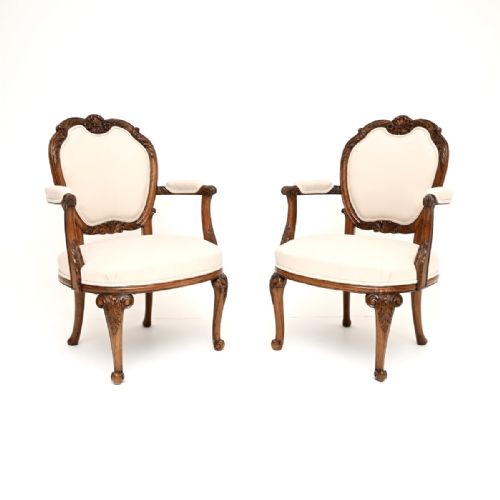
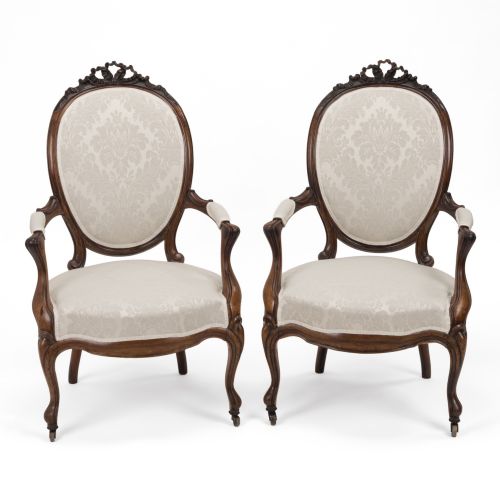
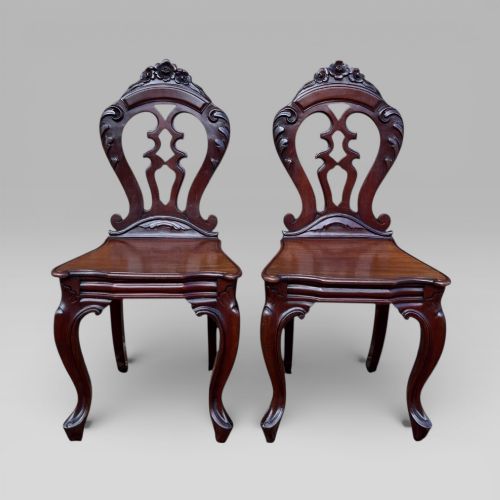
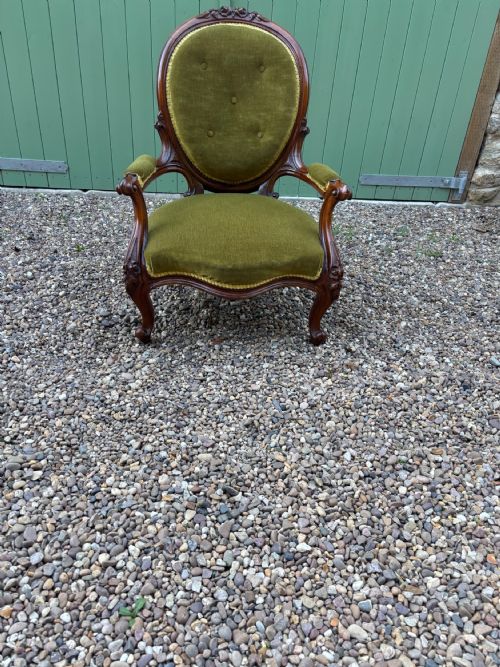
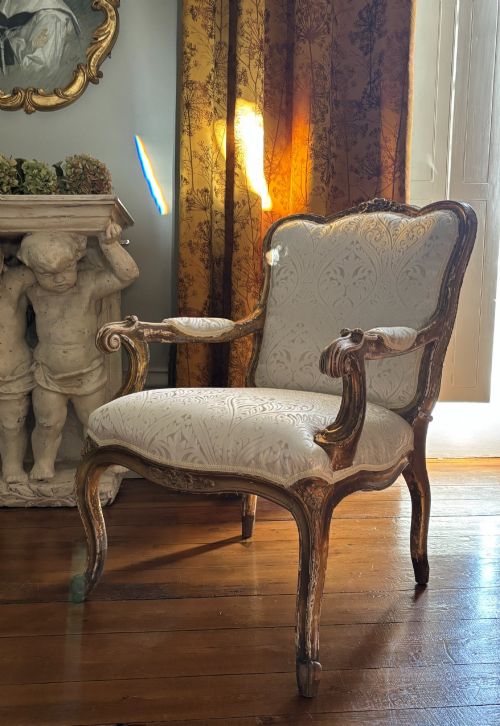
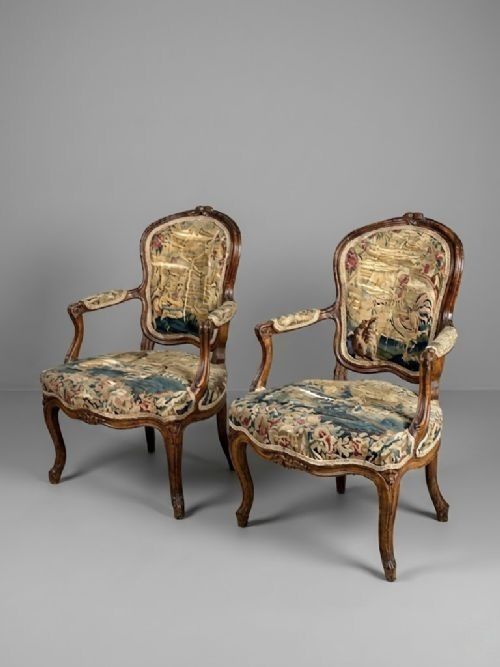
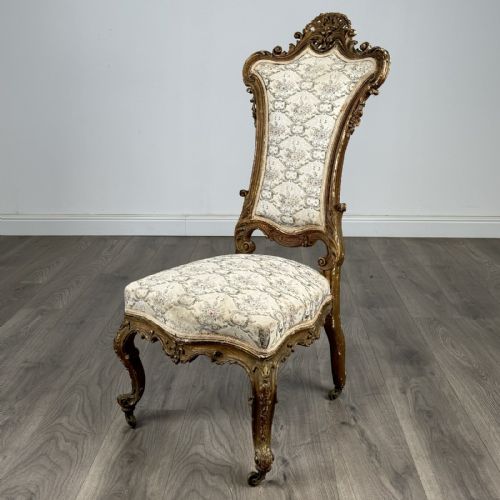
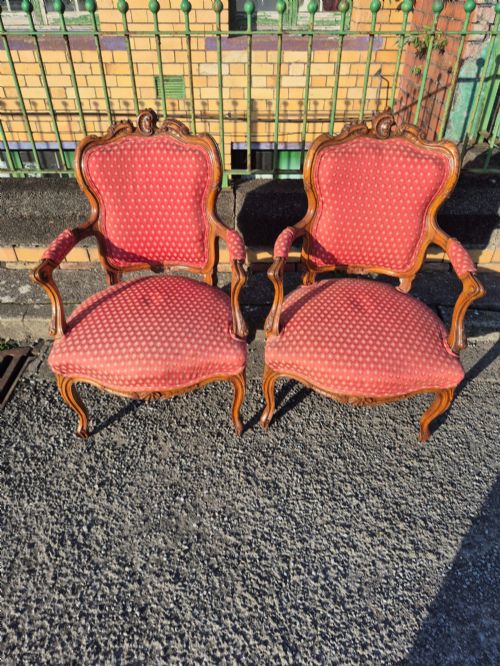
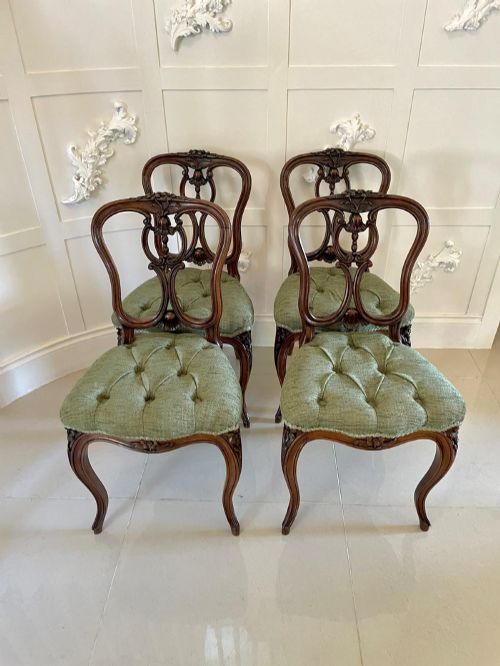
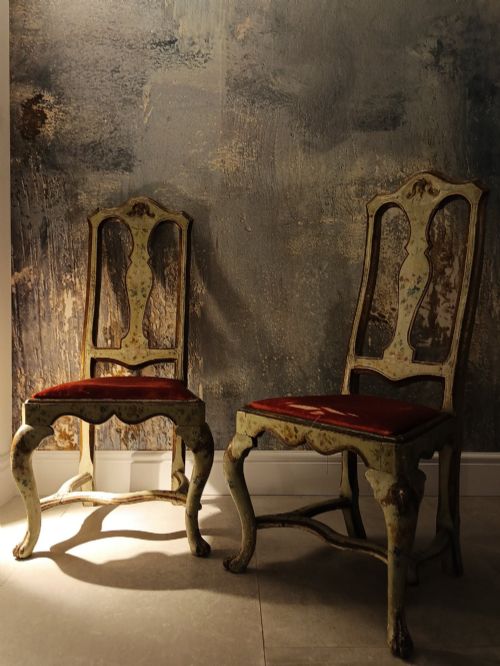
A rococo accent chair draws on eighteenth-century French and Italian designs, appearing primarily as armchairs, side chairs, and salon seating across this selection.
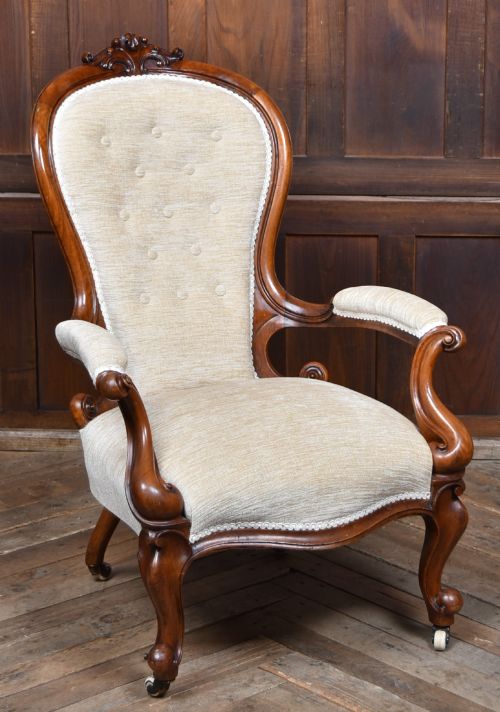
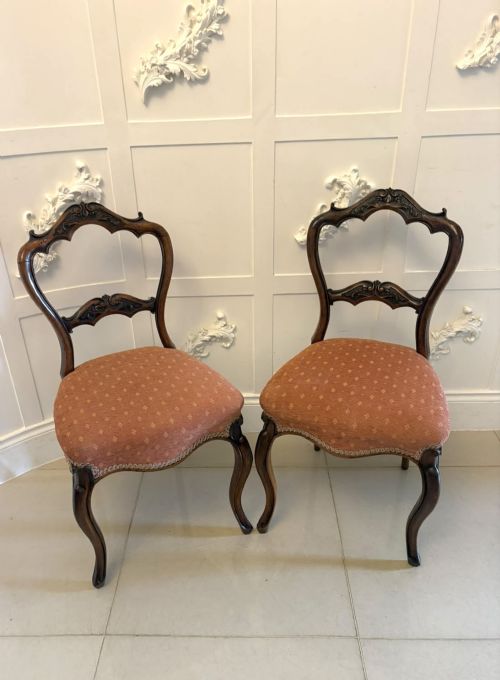
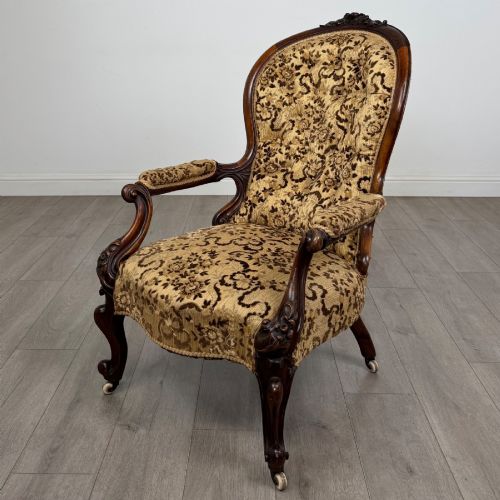
Forms range from open armchairs and spoonback chairs to compact bedroom and occasional chairs resting on characteristic cabriole legs.
How they were made
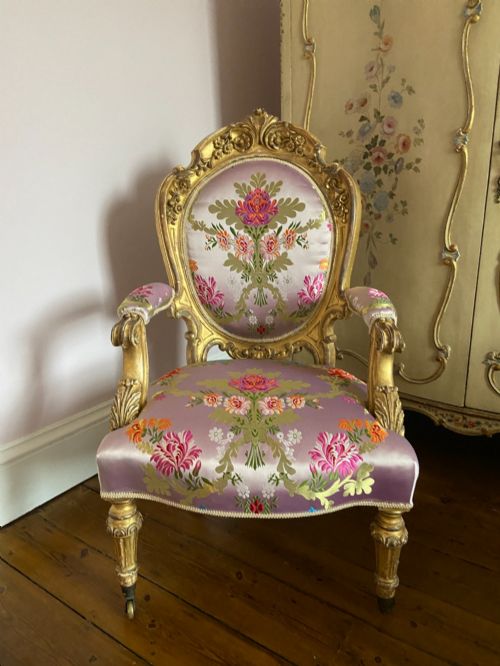
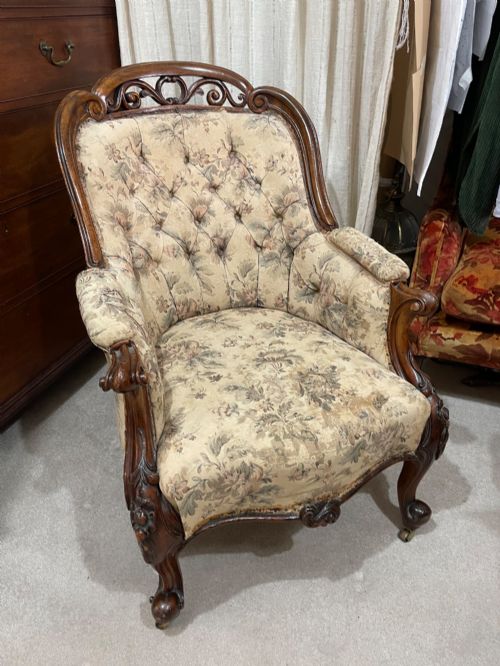
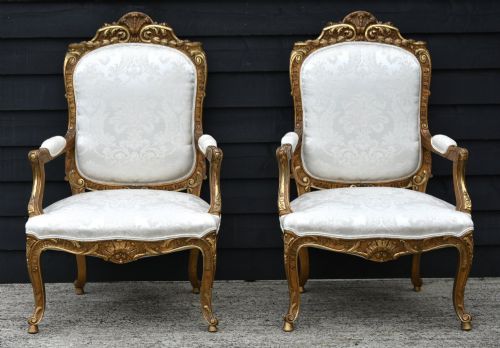
Frames are built from hardwoods such as walnut, mahogany, and rosewood, alongside gilded or painted wood surfaces shaped with hand-carved ornamentation.
Upholstery relies on traditional textiles, silk, velvet, and patterned fabric coverings secured to padded seats and backs.
Rococo Accent Chair Retail Price Guide 2026
Typical asking prices for rococo accent chair among the pieces listed under this phrase on Sellingantiques today, from the lower quarter to the upper quarter. They describe what is for sale here now, not the wider market.
Carved wooden scrolls and cabriole legs give every empty chair the quiet appearance of an aristocratic guest waiting to sit down.
What varies in quality
The crispness and depth of the carved woodwork separate standard production from exceptional pieces, particularly around scrolled head rails and cabriole legs.
The choice and execution of upholstery materials, from silk to Aubusson tapestry, influence the overall character and finish of the seating.
The Rococo Accent Chair Glossary
- Cabriole leg
- A furniture leg that curves outward at the knee and tapers inward toward the foot, mimicking animal limbs. This form appears frequently on eighteenth-century and revival seating.
- Fauteuil
- An open-armed upholstered armchair with exposed wooden sides. These pieces originated in France and often feature carved giltwood frames.
- Giltwood
- Wood coated with a thin layer of gold leaf or powder. It provides a bright decorative surface on ornate frames.
- Spoonback
- A padded chair back shaped in a concave oval resembling the bowl of a spoon. This design supports the sitter and is common on Victorian examples.
- Gainsborough chair
- A wide, upholstered armchair with open padded arms and short legs. These seats date back to the eighteenth century.
Rococo Accent Chair: Frequently Asked Questions
How do I identify a revival piece?
Revival seating borrows eighteenth-century motifs like scrolling foliage and cabriole legs but typically dates from the nineteenth or early twentieth century. Examining the timber maturity, joinery methods, and tool marks helps determine the actual age.
Makers working during the Victorian period and later decades reinterpreted these historical styles with varying degrees of decorative intensity.
What is the difference between an armchair and a side chair?
Armchairs include structural supports for the arms, making them suitable for relaxing in drawing rooms or bedrooms. Side chairs omit arms to save space and slide easily beneath tables or against walls.
Both forms utilise similar carved wooden frames and upholstered seats within these historical styles.
Where should I place a salon chair?
Salon and occasional chairs suit bedrooms, hallways, and living spaces where a decorative seating option is required. Their compact proportions allow them to fit into corners or act as standalone accent pieces.
Pairing matching side chairs or placing an armchair by a fireplace highlights the carved woodwork and upholstery.
What woods were used for these chairs?
Walnut and mahogany form the structural core of many English and continental pieces, providing sturdy timber for intricate carving. Rosewood and giltwood also appear on formal salon and revival models.
Each timber offers a distinct grain and weight that influences the durability and appearance of the frame.