

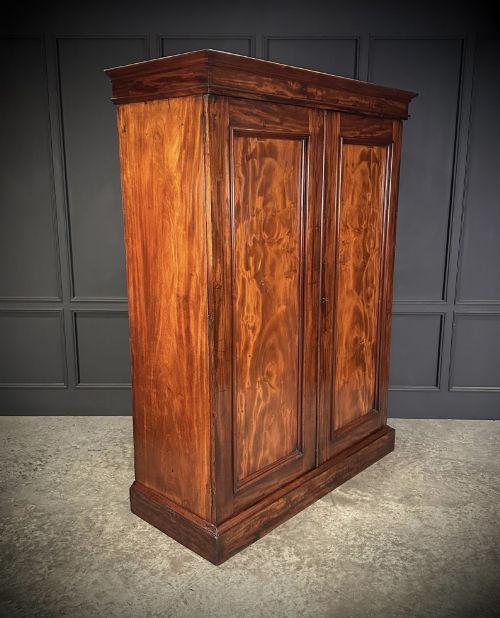
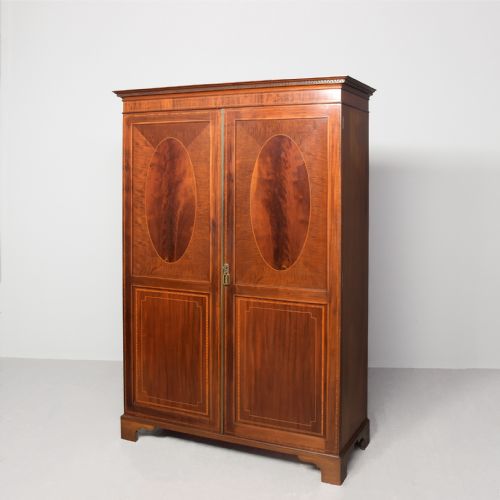

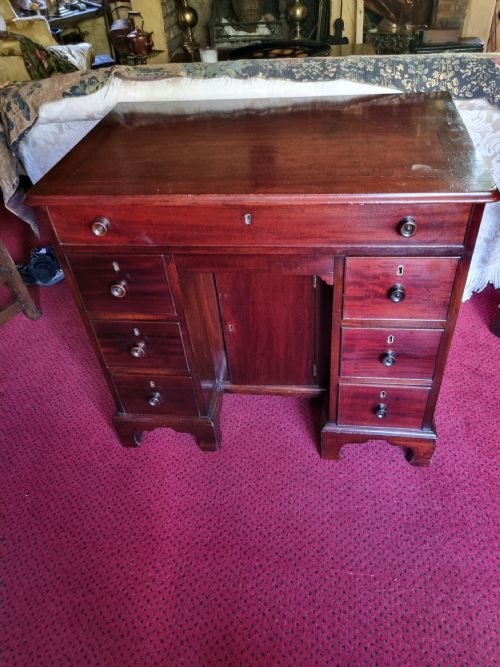


Rich Brown Cupboard
A rich brown cupboard brings warmth and historic utility to a room through dense timber tones and enduring regional craftsmanship.
Rich Brown Cupboard
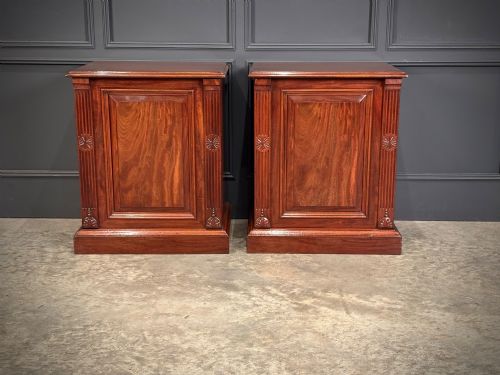
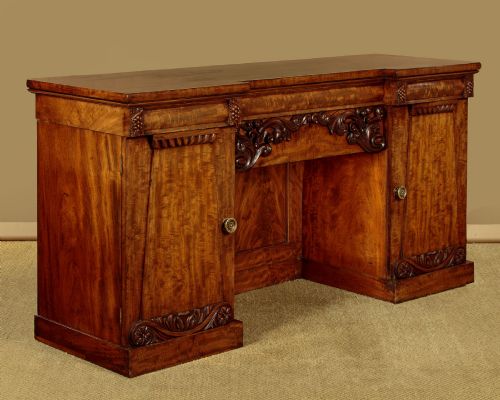
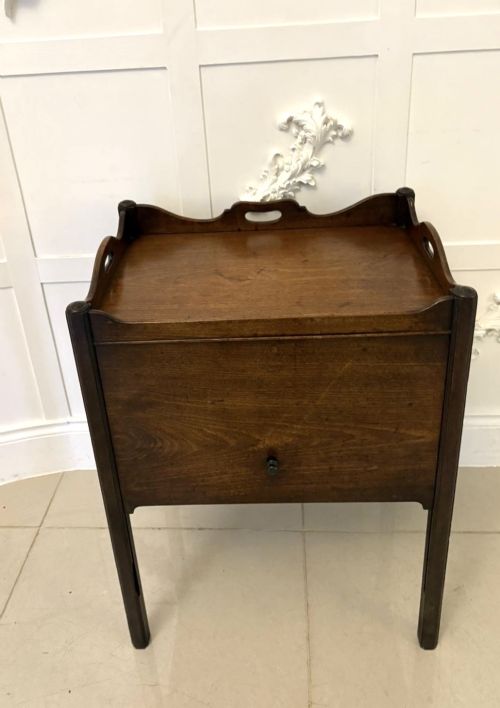
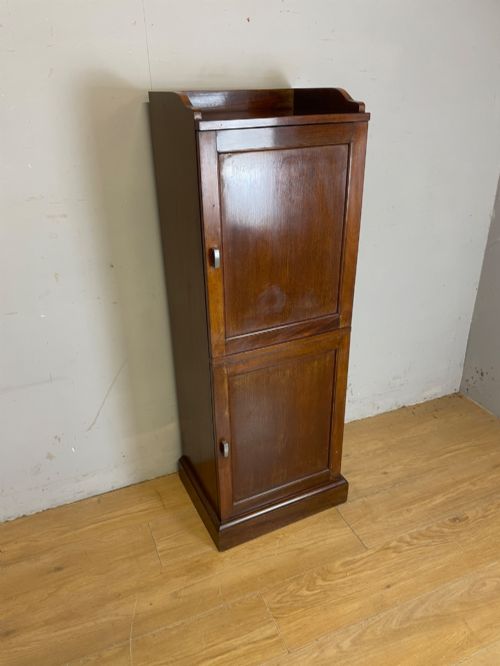
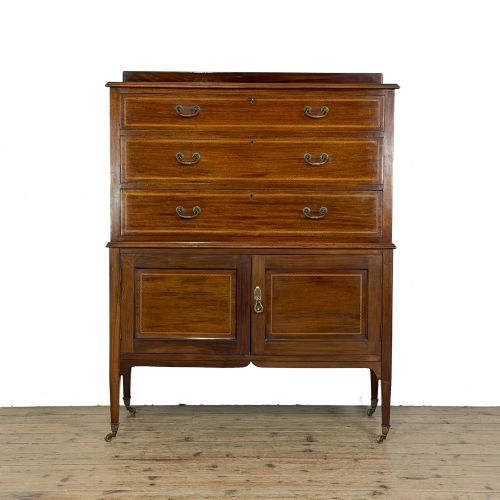
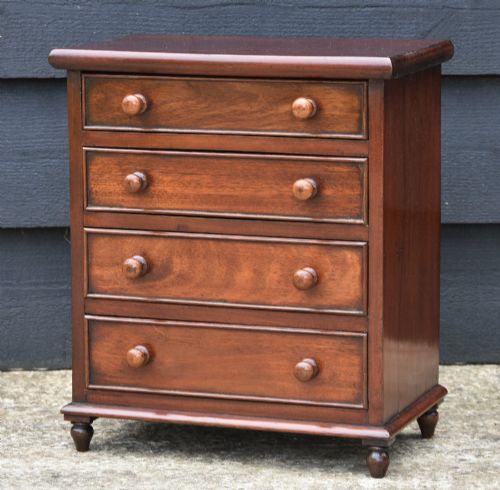
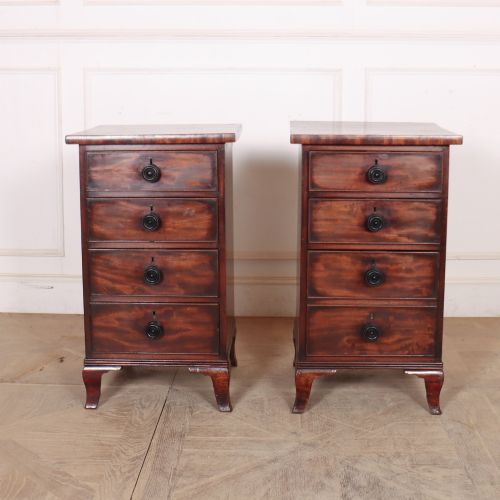
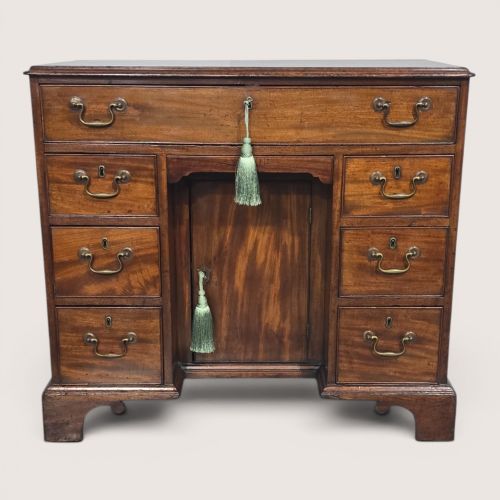
When searching for a rich brown cupboard, buyers encounter an array of storage forms spanning multiple centuries, from 17th-century oak and olive wood pieces to Georgian, Victorian, and Edwardian examples. The selection includes corner cabinets, bedside night tables, pedestal cupboards, and linen presses constructed in rich dark timbers.
The most common versions on this page are mahogany and oak pieces dating from the Georgian and Victorian eras. These range from small wall-hanging corner cabinets and bedside cabinets to large wardrobes and sideboards, reflecting the domestic storage needs of past centuries.
How they were made
Cabinet makers utilised dense hardwoods such as mahogany, oak, walnut, and olive wood, often applying flame mahogany or oyster veneers to achieve deep figuring and rich brown tones. Solid construction techniques of the 18th and 19th centuries relied on sturdy joinery, panelled doors, and precise drawer boxes.
Metal hardware such as brass handles, locks, and hinges provided functional contrast to the dark timber surfaces. Glass doors frequently appeared on display cabinets and corner units, while marquetry inlay added decorative detail to select Edwardian pieces.
Listings feature timbers such as mahogany, oak, walnut, satinwood, thuya wood, and olive wood across Georgian, Victorian, and Edwardian periods.
What varies in quality
Quality in these dark timber pieces is determined by the depth of grain figure, the choice of primary timber such as figured mahogany or olive wood, and the refinement of period details like cockbeaded drawer edges and brass fittings. Finer items display superior cabinet-making restraint and harmonious proportions.
Regional variations and stylistic revival periods show distinct levels of artisan skill, where hand-cut dovetails and well-matched veneers elevate an ordinary bedside table or pedestal cupboard into a superior example of historical furniture.
Edwards & Roberts
The Rich Brown Cupboard Glossary
- Pedestal cupboard
- A single-door storage unit standing on a plinth base, frequently made of mahogany during the Georgian and Victorian periods.
- Oyster veneer
- Circular slices of branch wood arranged in patterns to create an intricate grain effect, seen on 17th-century pieces.
- Night stand
- A small bedside table or cupboard designed to hold chamber lighting and personal items in 18th and 19th-century bedrooms.
- Corner cabinet
- A storage piece shaped to fit into room angles, appearing in oak and mahogany across Georgian and Victorian listings.
- Linen press
- A large storage cupboard with internal sliding trays or shelves, often built in mahogany with architectural cornices.
Rich Brown Cupboard: Frequently Asked Questions
What is a rich brown cupboard?
A rich brown cupboard encompasses historic storage furniture made from dark hardwoods like mahogany, oak, and walnut. These pieces date from the 17th century through the Edwardian era.
The category includes bedside cabinets, corner units, pedestal cupboards, and linen presses that display deep timber tones and traditional joinery.
How were these cupboards used?
These cabinets served practical domestic storage functions in bedrooms, parlours, and hallways. They held personal possessions, lighting, and textiles.
Specialised forms like night tables and corner cupboards maximised space in period interiors while keeping items enclosed behind wooden or glass doors.
How do I live with a brown cupboard?
Integrate these dark wood pieces into modern or traditional rooms by pairing them with lighter walls to highlight the rich timber grain. Their compact forms make them versatile for bedside use or corner placement.
Regular polishing with appropriate wax maintains the lustre of mahogany, walnut, and oak surfaces without harming historic finishes.
How do I tell periods apart?
Distinguish periods by examining timber choice, construction methods, and stylistic details. 17th and 18th-century pieces often feature solid oak or intricate oyster veneers.
Later Victorian and Edwardian examples utilise mahogany and walnut with machine-finished precision, reflecting changing manufacturing standards.