

Revolving Tier Table
A revolving tier table brings rotational convenience to your living space, offering multiple tiers of storage or display in a compact footprint.
Revolving Tier Table
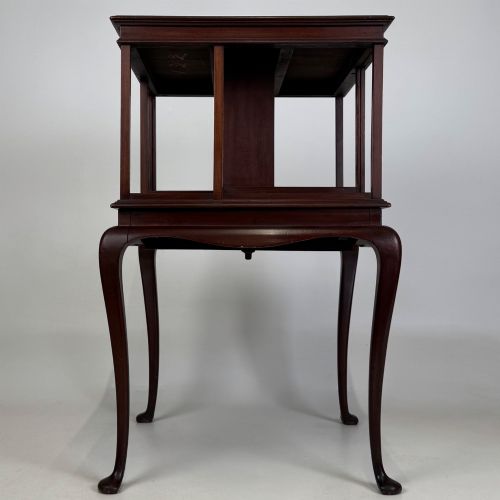
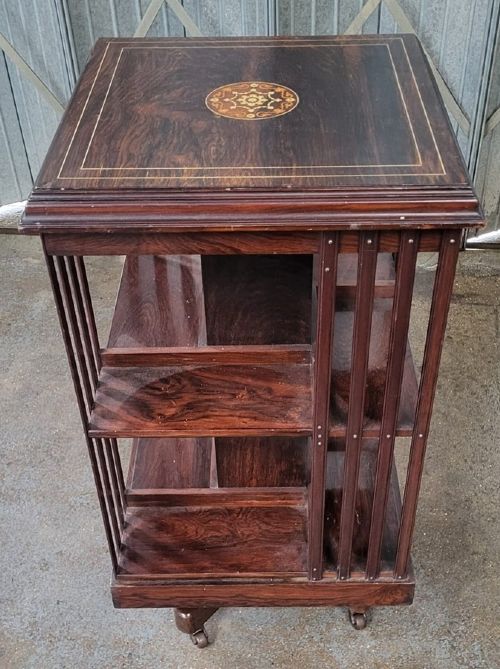
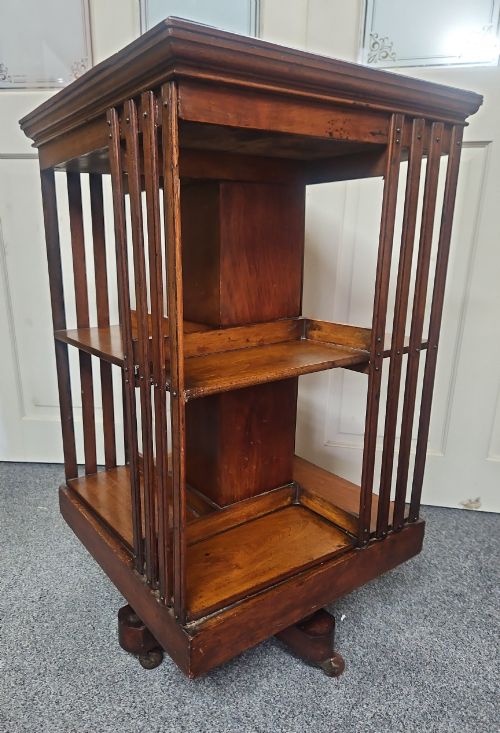
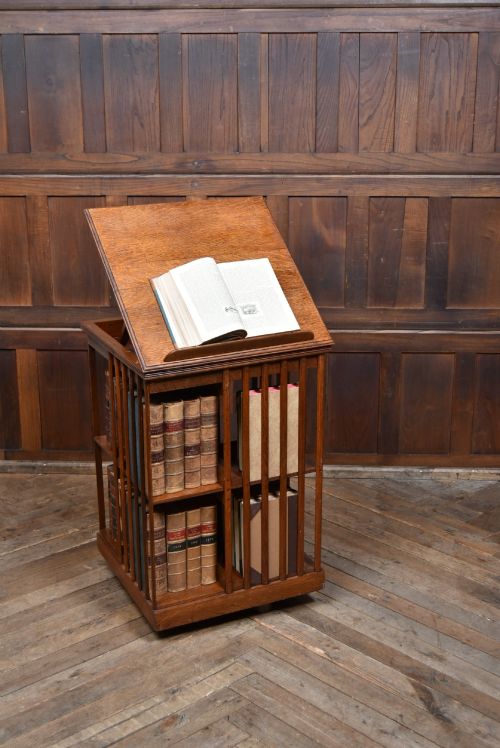
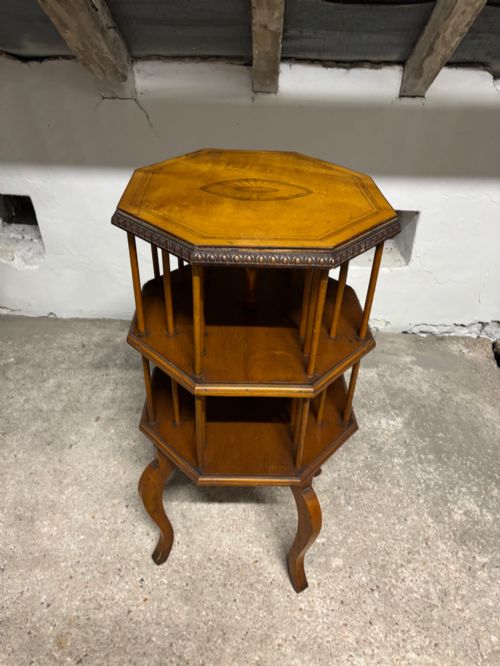
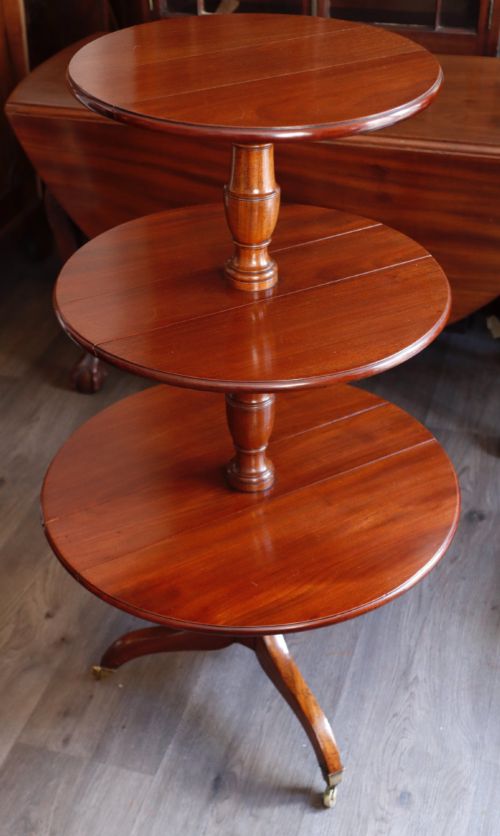
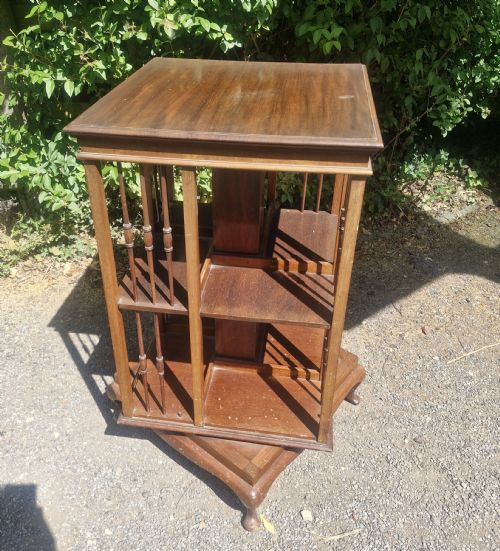
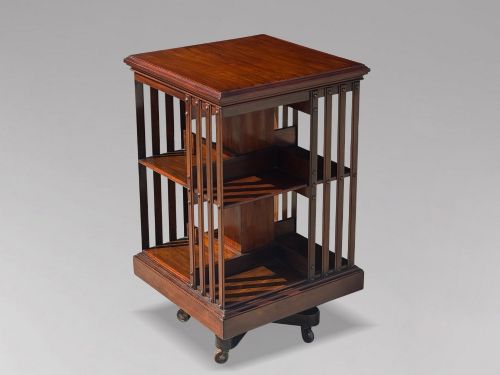
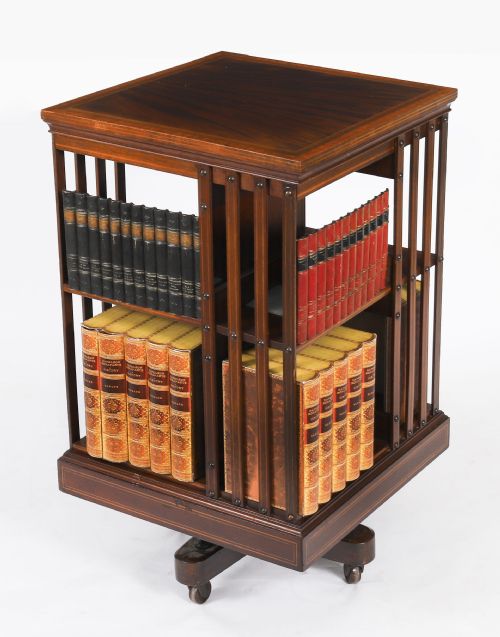
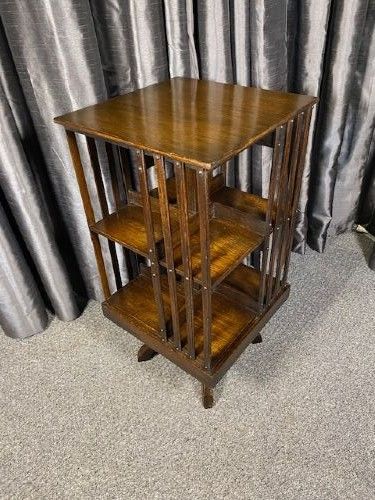
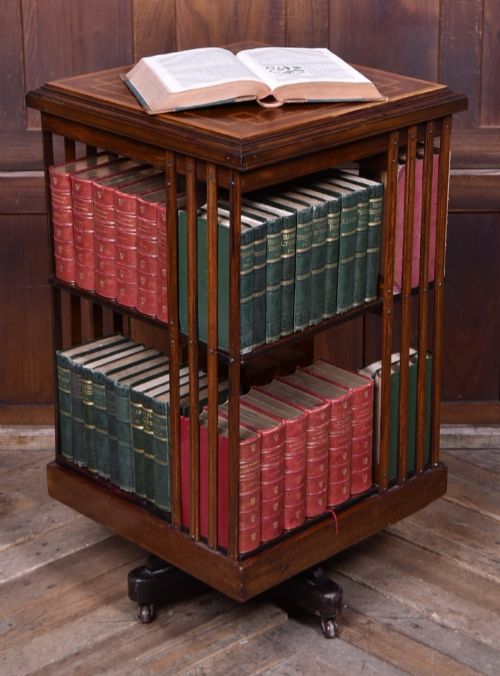
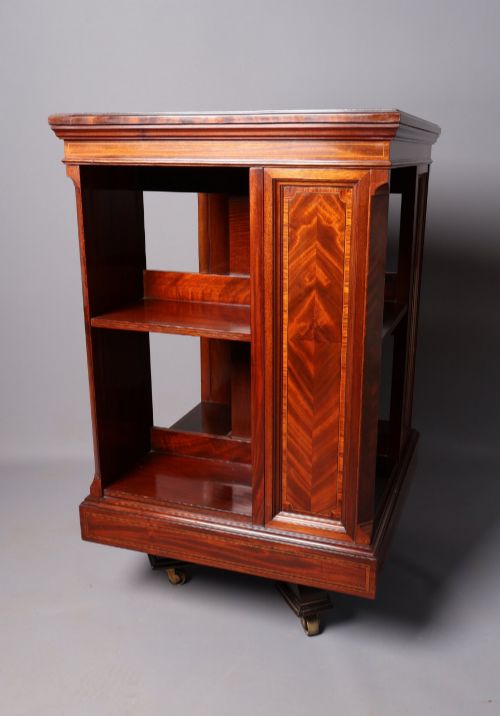
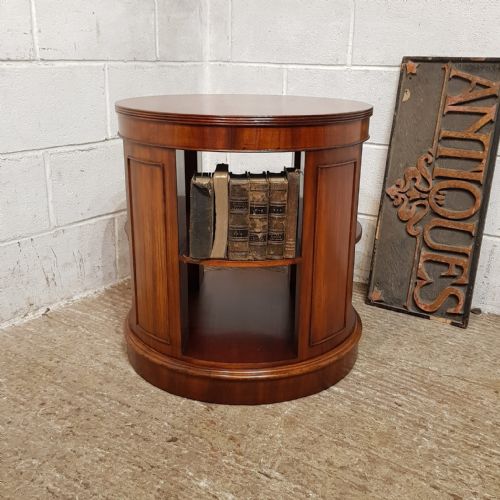
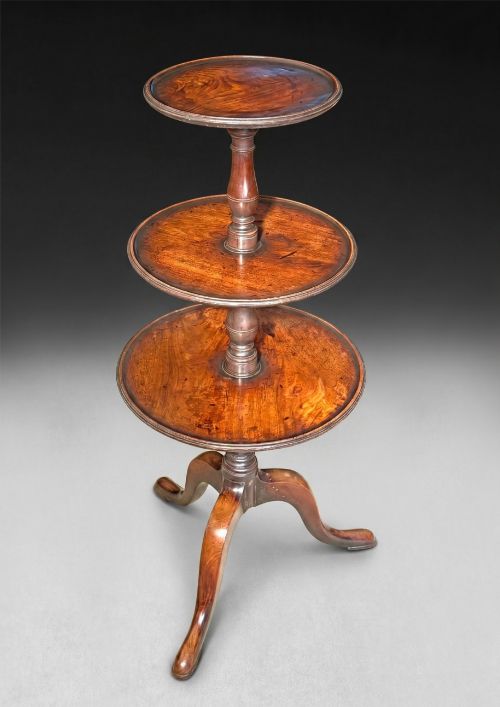
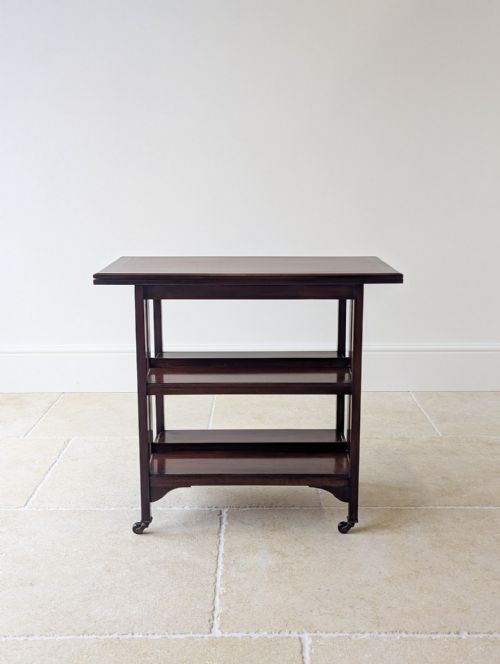
A revolving tier table unites tiered surfaces with a turning mechanism, appearing primarily as revolving bookcases, dumb waiters, and book tables across this selection.
Edwardian and Georgian pieces dominate the available forms, spanning compact bookcases to multi-tiered dumb waiters designed for serving or reading.
Makers utilised mahogany most frequently, alongside walnut, satinwood, and rosewood, shaping round tops, tripod bases, and tiered structures.
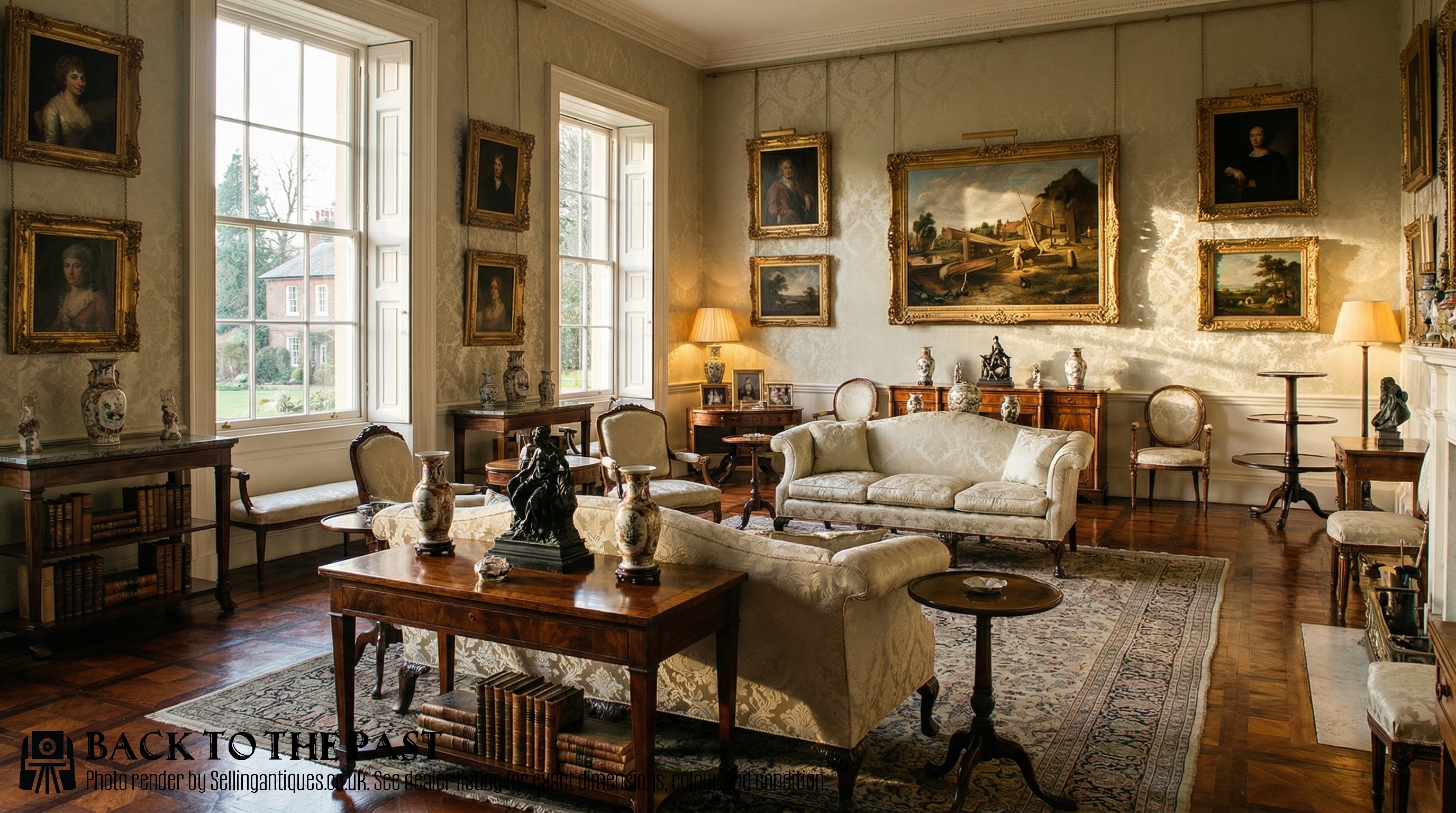
How they were made
Carpenters constructed these tables predominantly in solid mahogany and walnut, often applying flame veneers, satinwood inlays, or brass fittings to enhance the surface.
Turning mechanisms allowed the tiers to rotate smoothly above sturdy tripod or four-legged bases, sometimes incorporating brass castors or marble tops.
Revolving Tier Table Retail Price Guide 2026
Typical asking prices for revolving tier table among the pieces listed under this phrase on Sellingantiques today, from the lower quarter to the upper quarter. They describe what is for sale here now, not the wider market.
A revolving egg cup stand proves that Victorians applied rotational engineering to breakfast time as well.
What varies in quality
The precision of the internal pivoting mechanism dictates the rotational ease and stability of the tiers, separating standard items from finer examples.
Selection of timber grain, such as figured mahogany or burr walnut, alongside crisp inlay work and solid brass mounts, marks the difference in craftsmanship.
Maple & Co·Galle
The Revolving Tier Table Glossary
- Dumb waiter
- A multi-tiered serving table designed to hold food or books without domestic assistance. These usually feature graduated circular tiers on a central column.
- Revolving bookcase
- A freestanding tiered bookcase engineered to rotate on a central pivot for easy book retrieval. They often sit on low castor bases.
- Tripod base
- A three-legged support structure commonly found beneath circular tables and dumb waiters for stability. It distributes weight evenly across the floor.
- Inlay
- A decorative technique where contrasting woods or metals are fitted into the primary timber surface. Satinwood and brass frequently appear in this manner.
Revolving Tier Table: Frequently Asked Questions
What is a revolving tier table?
A revolving tier table is a multi-level piece of furniture engineered to turn on a central axis, allowing users to access books or serving items from a stationary position.
These versatile designs include revolving bookcases, dumb waiters, and book tables originating from the Georgian and Edwardian eras.
How were dumb waiters used?
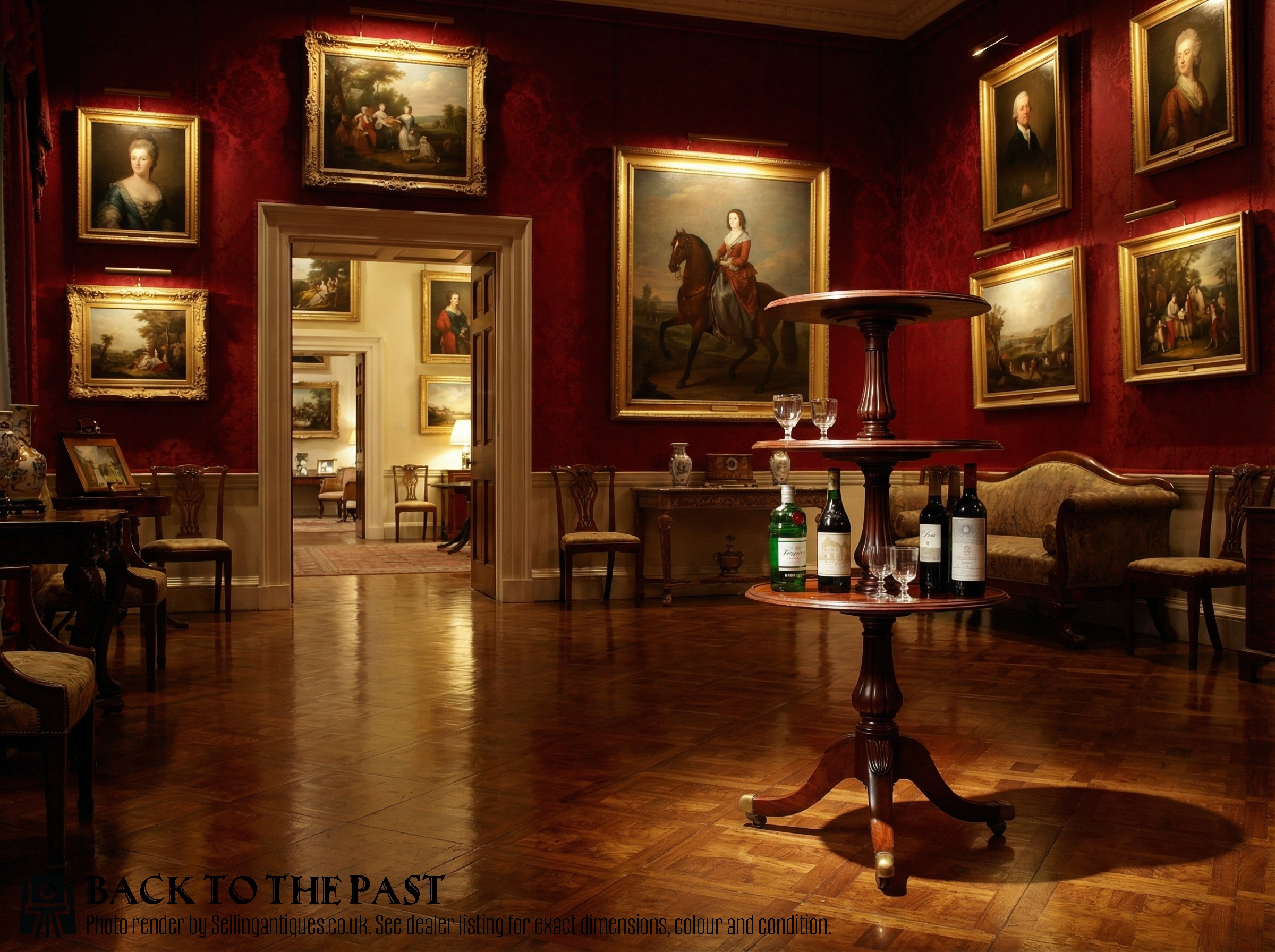
Dumb waiters served dining rooms by holding dishes, bottles, or tea service items on multiple rotating shelves, reducing the need for servants during meals.
Over time, similar tiered designs transitioned into libraries and sitting rooms for holding reference volumes and reading materials.
How do I identify an Edwardian piece?
Edwardian revolving tables often feature lighter mahogany or satinwood timbers, delicate string inlay, and compact proportions suited to smaller drawing rooms.
They frequently manifest as square or round revolving bookcases dating from around nineteen hundred.
How do I care for mahogany surfaces?
Mahogany furniture benefits from occasional waxing with traditional beeswax to nourish the timber and maintain a natural sheen.
Keep these tables away from direct sunlight and strong heat sources to prevent the wood from drying out or splitting.