
Revolving Tier Stand
A revolving tier stand is a clever turning design for books or dining service, prized for bringing heavy volumes or dishes within easy reach.
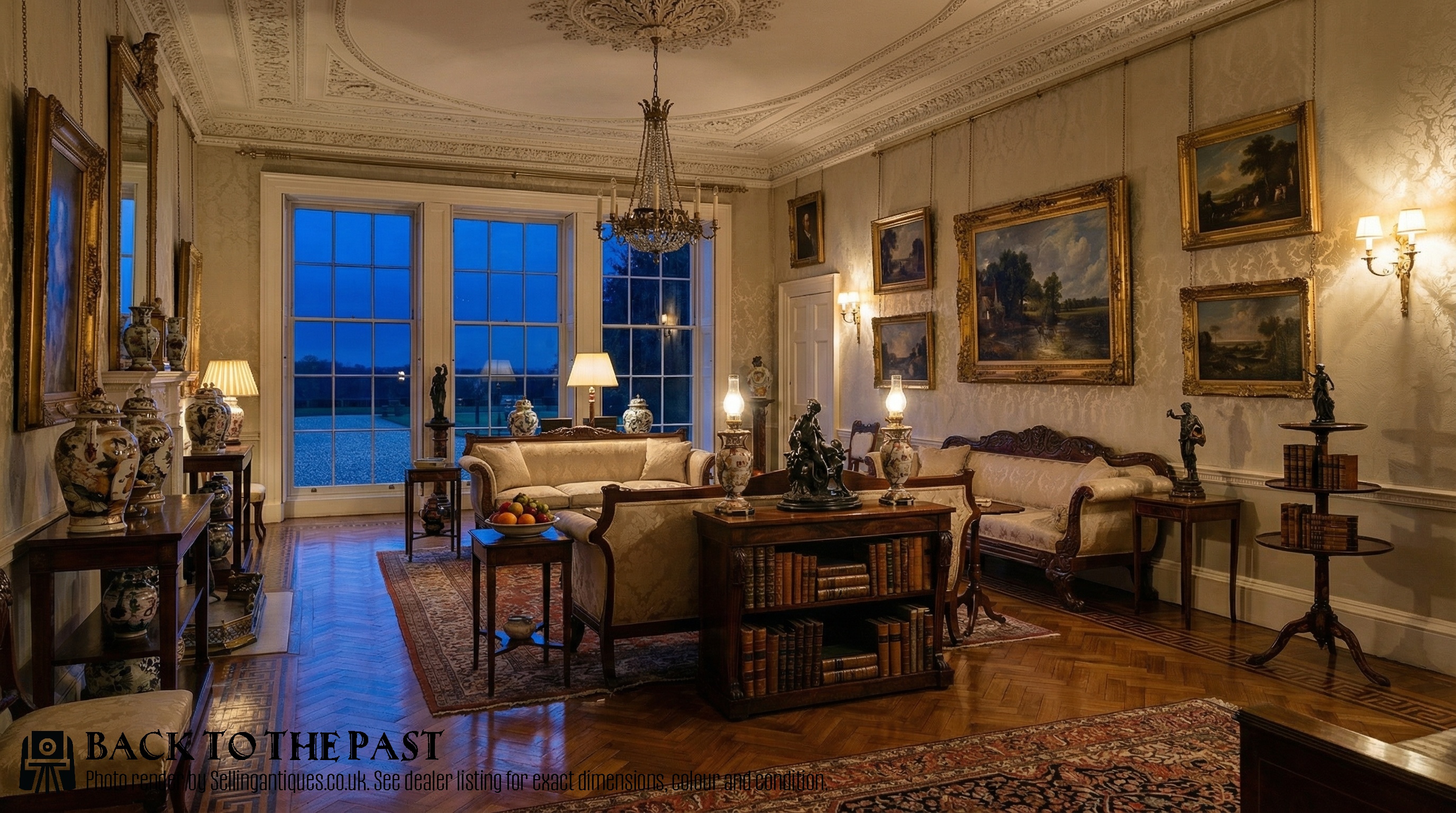
Revolving Tier Stand
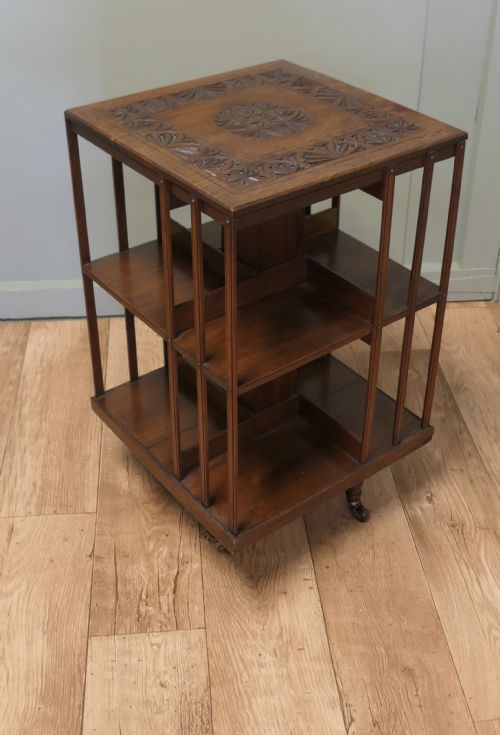
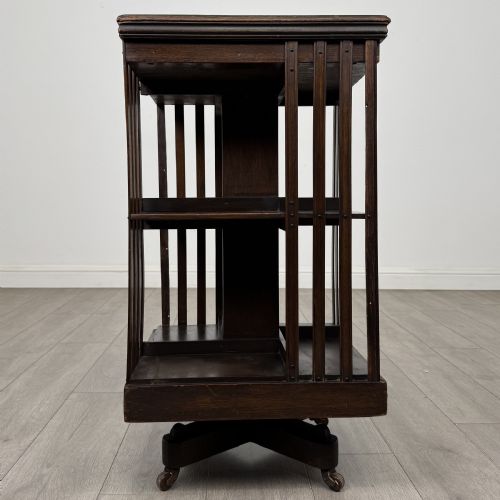
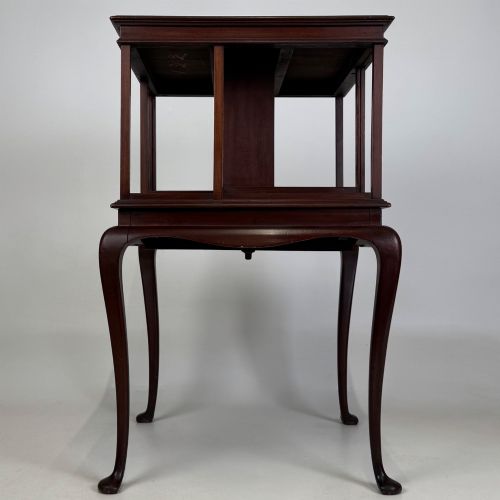
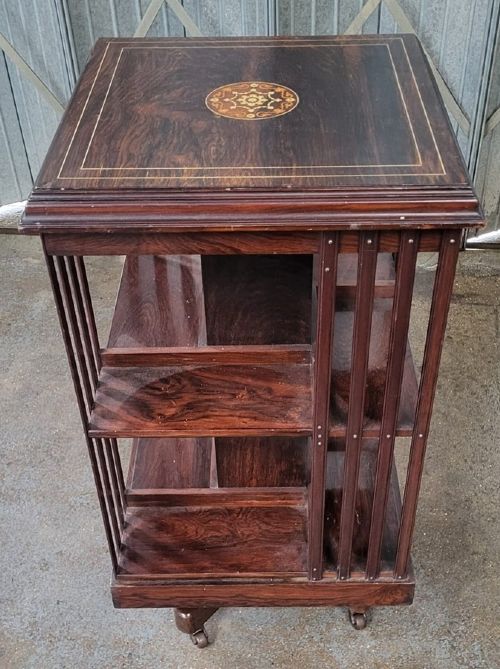
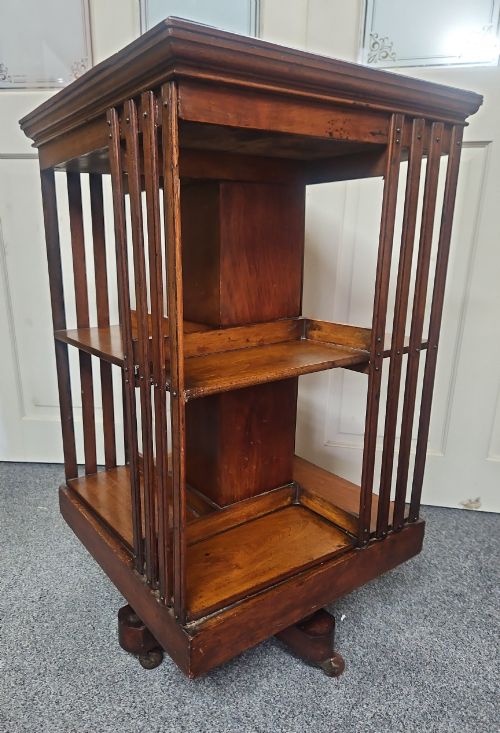
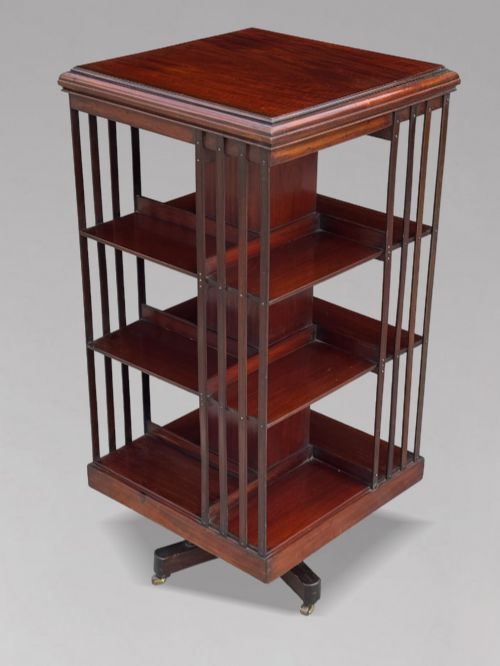
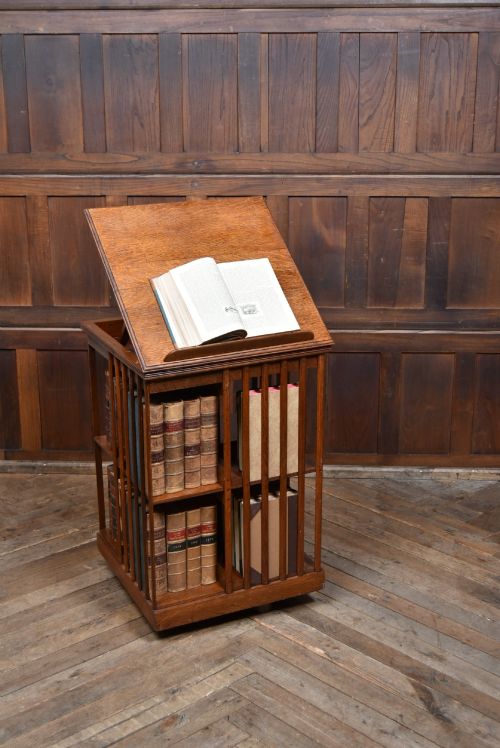
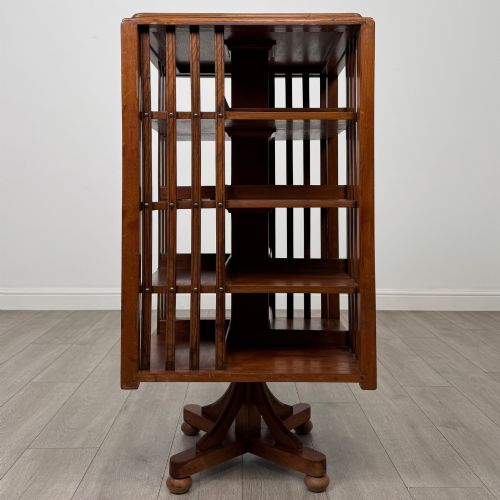
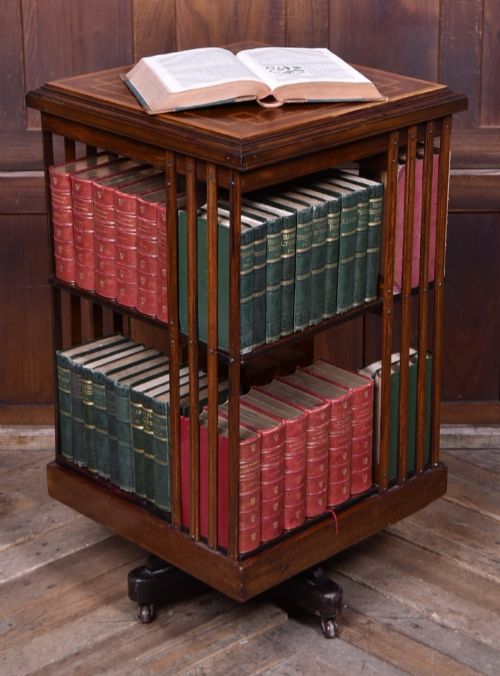
When searching for a revolving tier stand, a buyer encounters rotating bookcases and tiered dining furniture designed to turn on a central spindle. These pieces originate from periods spanning the eighteenth, nineteenth and twentieth centuries.
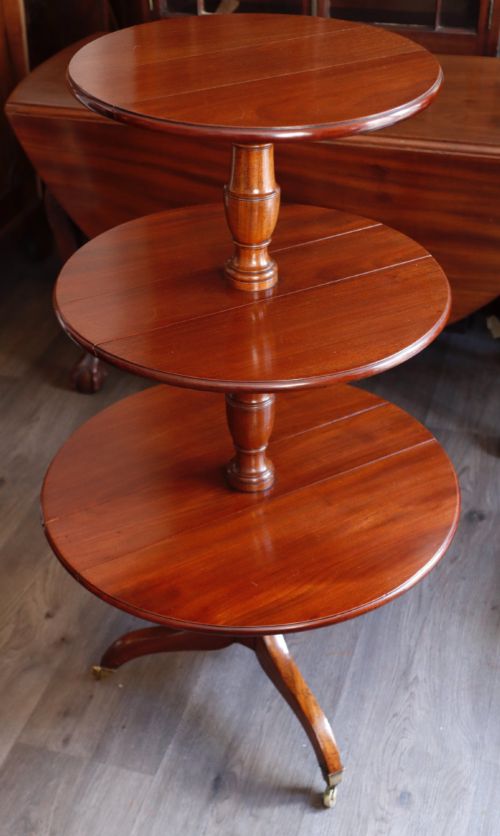
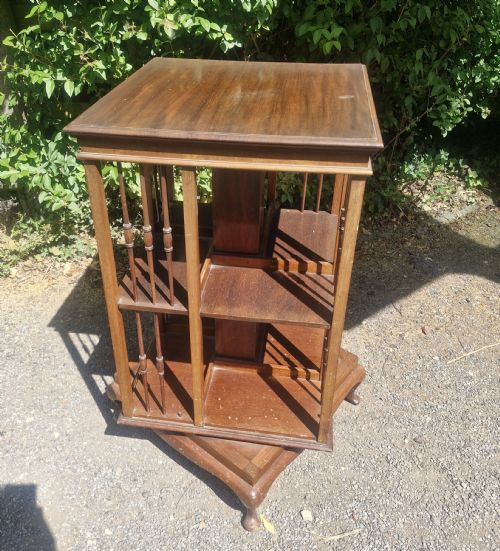
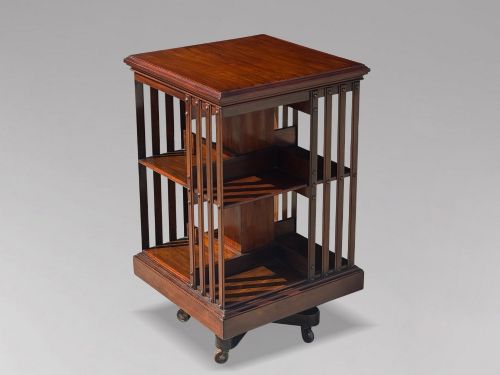
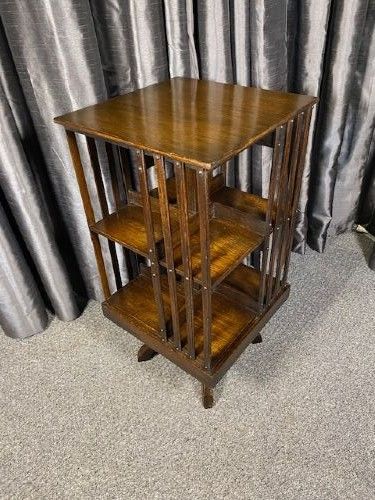
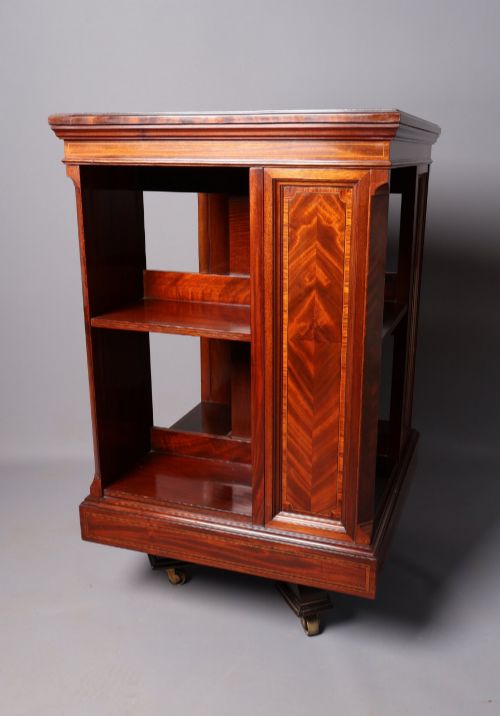
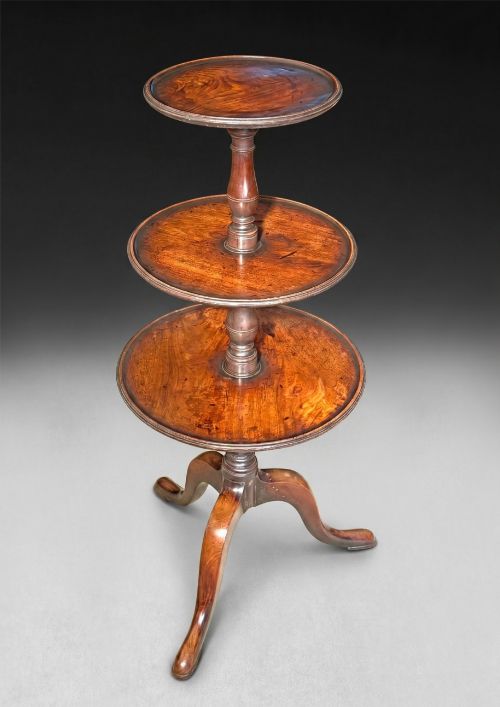
The version most commonly met on this page is the Edwardian mahogany revolving bookcase, alongside Georgian and Regency dumb waiters. Forms range from compact table models to tall multi-tiered stands in oak, walnut and mahogany.
Materials and construction
Cabinetmakers constructed these stands predominantly from timber such as mahogany, oak and walnut, frequently incorporating satinwood inlay, brass fittings and cast iron mechanisms. The turning action relies on internal pivot systems that allow smooth rotation under load.
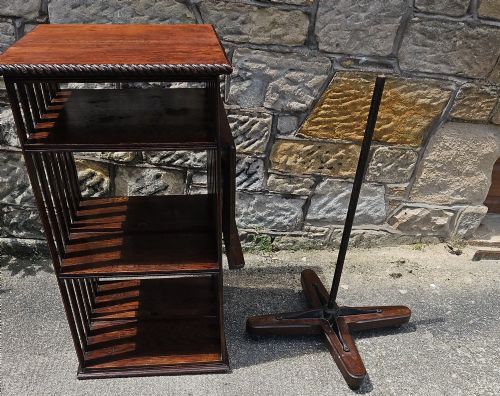
Makers shaped solid and veneered woods into tiers and book slats, joining uprights securely to stable tripod or cruciform bases to bear the weight of heavy volumes or serving dishes.
One exceptional offering includes a treen ware revolving egg cup stand from a private presidential collection.
Assessing quality and craftsmanship
The distinction between tiers rests upon timber selection and the precision of the turning mechanism. Superior examples utilise dense flame mahogany or quarter-sawn oak with crisp inlay and smooth, silent rotation.
Lesser pieces show stiffness in the pivot or heavier secondary timbers, whereas finer ones exhibit careful jointing and well-balanced proportions that prevent listing when fully loaded.
Maple And Co
The Revolving Tier Stand Glossary
- Dumb waiter
- A tiered serving stand designed to hold dishes or wine bottles near a dining table without requiring servant attendance. These typically feature graduated circular shelves on a central column.
- Revolving bookcase
- A rotating shelving unit built to hold books upright on multiple sides, enabling a reader to access volumes easily from a stationary seat.
- Tripod base
- A support structure comprising three legs radiating from a central pillar, providing stability on uneven floors for heavy tiered stands.
- Inlay
- The technique of embedding contrasting woods or shell into the primary surface to create decorative patterns and borders.
Revolving Tier Stand: Frequently Asked Questions
What is a revolving tier stand?
A revolving tier stand is a rotating piece of furniture featuring multiple levels for holding books or serving items. These designs allow users to access stored items from every side without moving the unit.
The category encompasses both revolving bookcases and tiered dining room dumb waiters. Each style uses a central pivot or spindle mechanism to achieve smooth rotation.
How do I date a mahogany revolving bookcase?
Dating relies on observing timber characteristics, construction methods and decorative styles. Edwardian pieces often feature simple crossbanding and lighter mahogany tones, whereas Victorian versions display deeper colouring and heavier construction.
Earlier eighteenth-century and Regency examples show hand-cut joinery and specific bracket or tripod formations. Examining the turning mechanism underneath also helps determine the period.
Where should I place a revolving bookcase?
These bookcases work best beside a desk, armchair or in the corner of a study where floor space permits free rotation. Their ability to turn means books remain accessible from any seated position nearby.
Ensure there is enough clearance around the entire circumference for the shelves to spin freely. Keeping them away from direct heat sources protects the polished timber and internal pivot.