



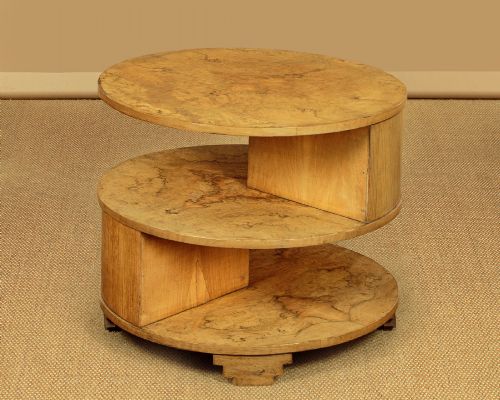
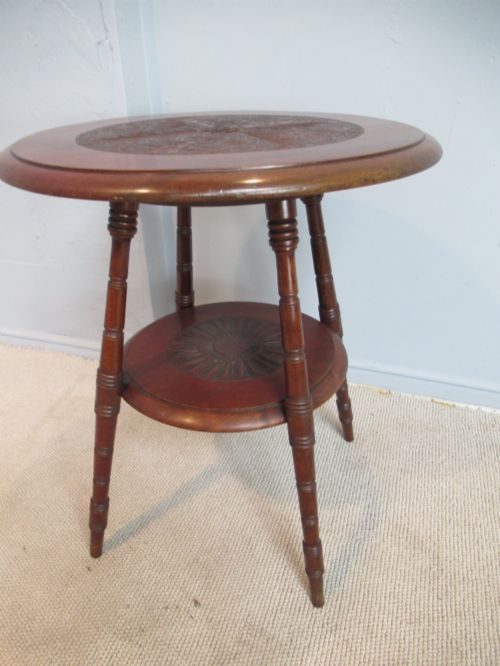
Circular Tiered Table
A circular tiered table brings functional levels and varied surfaces into a room, spanning periods from Georgian dumb waiters to Art Deco coffee tables.
Circular Tiered Table
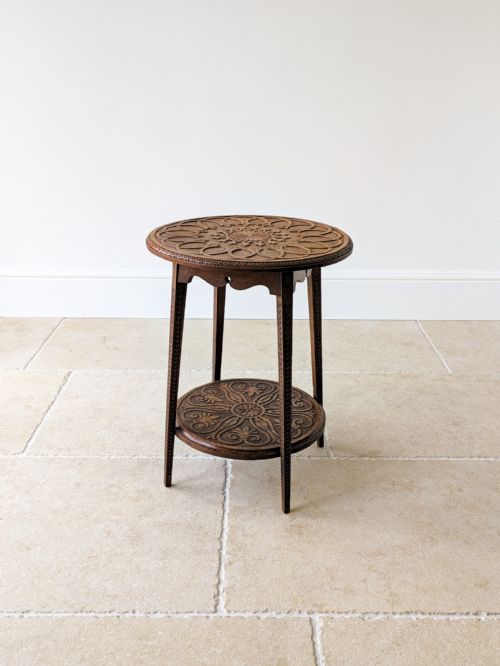
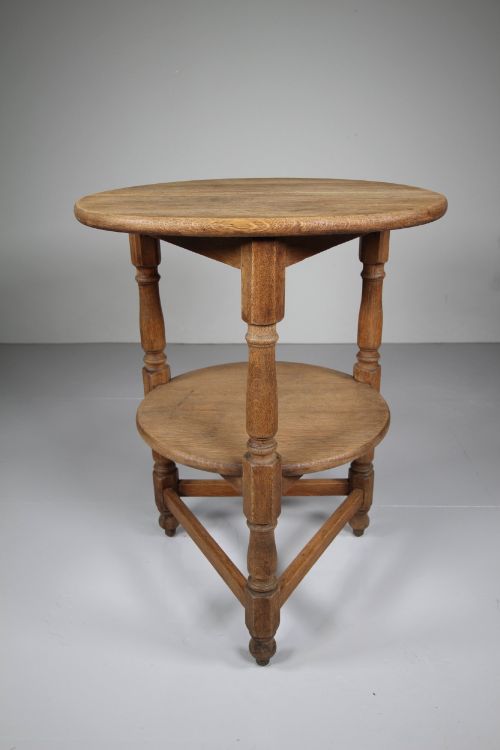
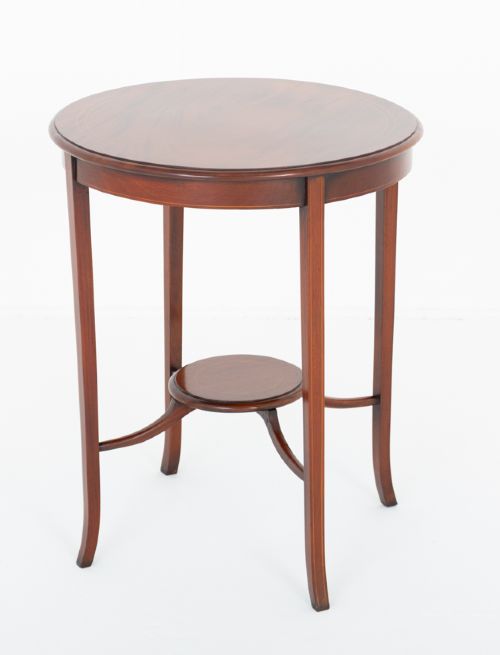
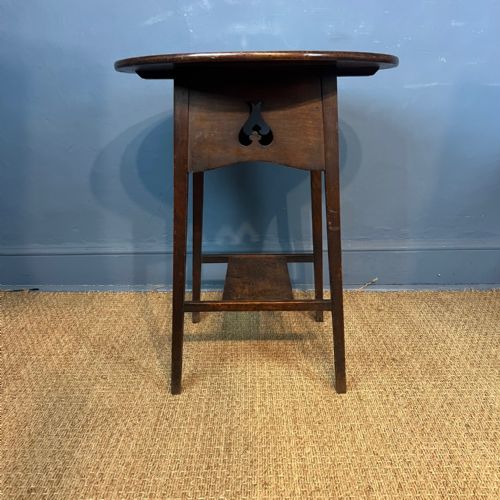
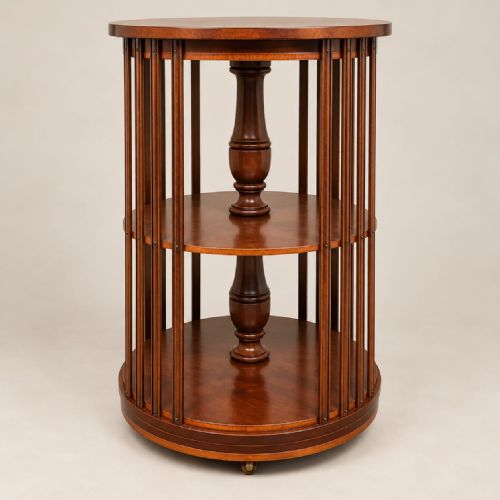
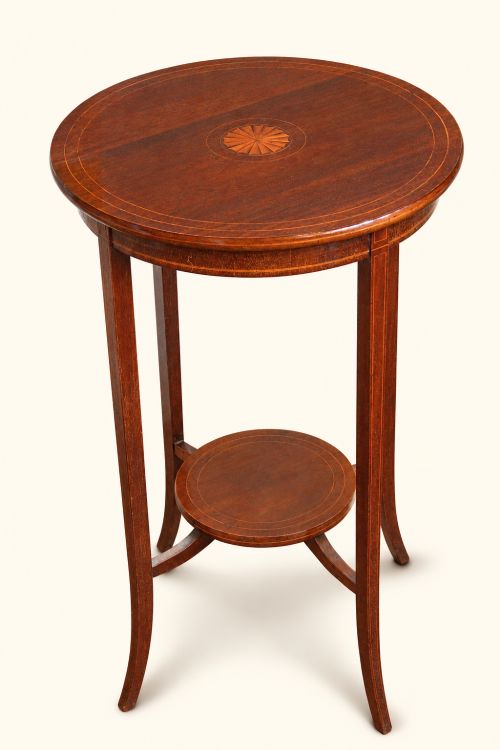
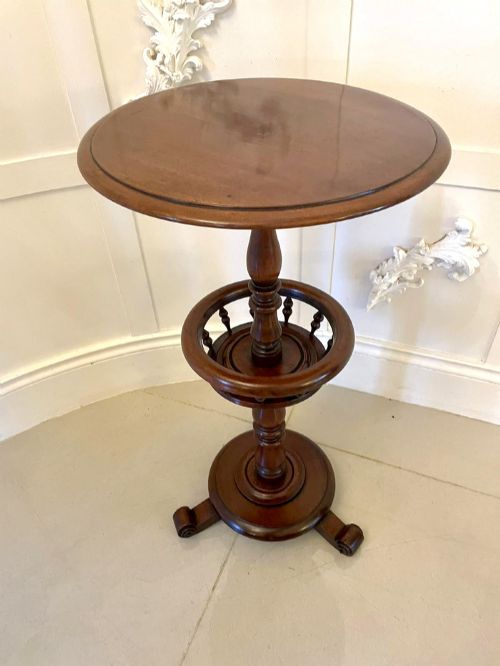
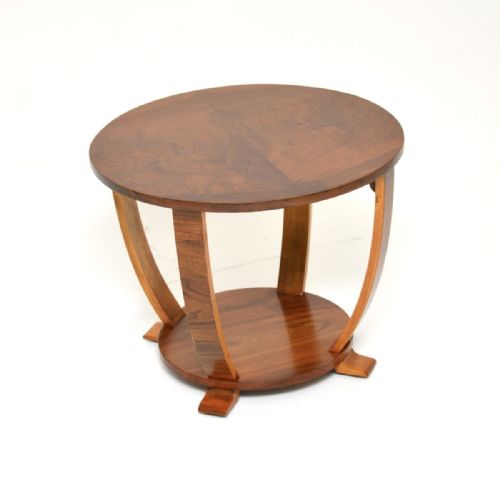
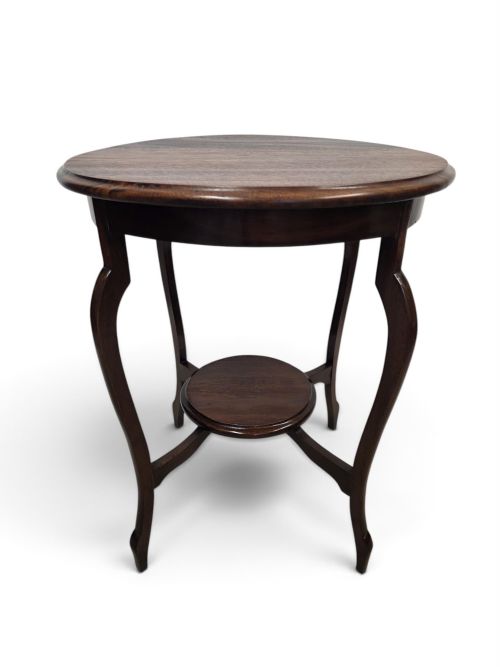
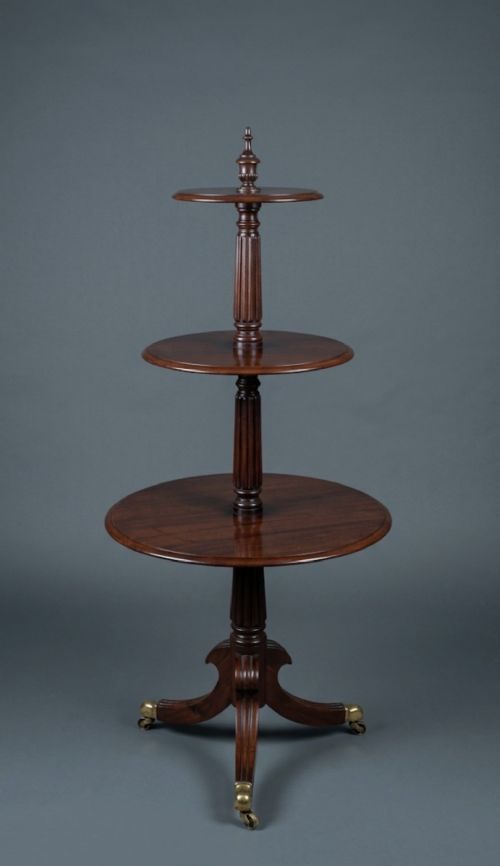
A circular tiered table provides multiple round surfaces arranged vertically on a central support or tripod base. When you search for a circular tiered table, you encounter forms ranging from multi-level dumb waiters and revolving book tables to tiered coffee tables and occasional stands.
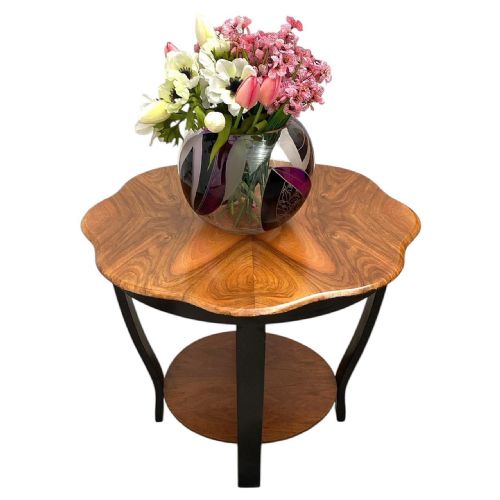
The pieces on this page draw from periods spanning the Georgian era, the Victorian period, and the Edwardian years through to Art Deco designs of the 1930s. Mahogany, walnut, and oak dominate the constructions, alongside occasional examples in rosewood, copper, and marble.
Makers and designers of these multi-level surfaces employed revolving mechanisms, folding tiers, and nested formats to maximise utility. You find examples functioning as side tables, tea tables, plant stands, and serving stands across various historical styles.
Materials and Construction Techniques
Makers utilised solid timbers and veneers, turning to mahogany, figured walnut, burr walnut, and oak for structural stability and rich grain patterns. Surfaces frequently incorporate brass inlays, marble inserts, or hand-painted details.
Joinery techniques involve central pillar supports, tripod legs, and tiered discs secured with central spindles or pivoting revolving hardware. Art Deco pieces additionally integrate chrome and maple, while Arts and Crafts examples feature beaten copper trays.
Circular Tiered Table Retail Price Guide 2026
Typical asking prices for circular tiered table among the pieces listed under this phrase on Sellingantiques today, from the lower quarter to the upper quarter. They describe what is for sale here now, not the wider market.
Distinctions in Quality
Quality reveals itself in the selection of timber figures, such as burr walnut or birds eye maple, and the precision of the turning on pedestals and legs. Superior pieces maintain structural stability across multiple tiers without wobble.
Hardware execution dictates much of the standard, visible in smoothly operating revolving mechanisms, fitted brass components, and solid joinery between the central column and the graduated shelves.
Gillows
The Circular Tiered Table Glossary
- Dumb Waiter
- A multi-tiered freestanding piece with graduating circular shelves used for serving food or holding books. These tables typically feature a central column supported by tripod legs.
- Tripod Pedestal
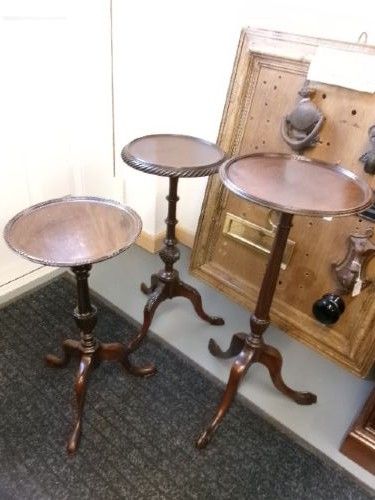
- A central vertical support resting on three feet, commonly utilised to hold lightweight circular tables and multi-tiered stands.
- Occasional Table
- A small, movable table designed for intermittent use in a room, appearing in forms such as wine tables, lamp tables, and coffee tables.
- Tiered
- Having successive levels or shelves arranged one above the other to increase surface area without expanding the footprint of the furniture.
- Inlay
- A decorative technique where contrasting materials such as brass or lighter woods are embedded into the surface of the primary timber.
Circular Tiered Table: Frequently Asked Questions
What is a circular tiered table used for?
These tables provide multiple stacked surfaces within a compact footprint, suiting rooms that require extra display or storage space.
Historically, larger tiered tables functioned as dumb waiters for serving food or holding books, while smaller variants served as occasional side tables or plant stands.
How do I identify the period of my table?
Dating relies on observing the timber species, decorative motifs, and construction methods characteristic of different eras. Georgian and Regency examples typically employ solid mahogany with tripod bases, while 1930s Art Deco pieces favour figured walnut, maple, and chrome.
Stylistic markers such as brass inlay, hand-painted decoration, or revolving bookcase mechanisms help assign pieces to Victorian, Edwardian, or Arts and Crafts periods.
Are all circular tiered tables antique?
The selection includes pieces from the eighteenth century, the nineteenth century, and early twentieth-century movements including Art Deco and Arts and Crafts.
Each era brings distinct materials and aesthetic priorities to the basic form of the round multi-level table.
How do I care for wood tiered tables?
Maintenance involves keeping wooden surfaces away from direct heat sources and excessive moisture to protect veneers and polished finishes.
Regular dusting with a dry cloth preserves the grain of timbers like mahogany, walnut, and rosewood.