



Chrome Accent Table
A chrome accent table brings the polished geometry of the 1920s, 1930s, and 1940s directly into a modern room.
Chrome Accent Table
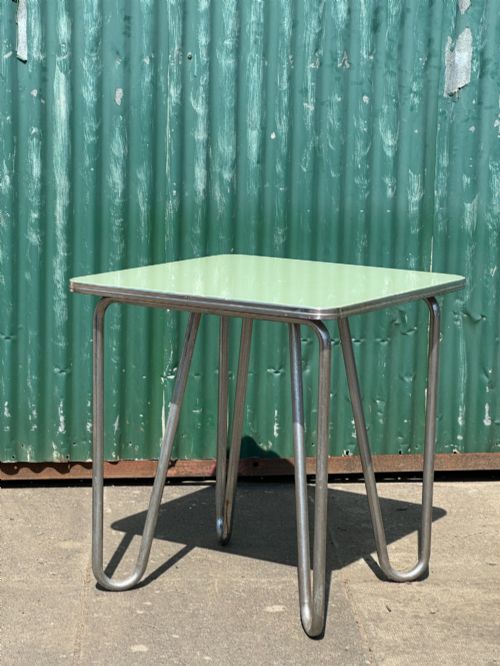
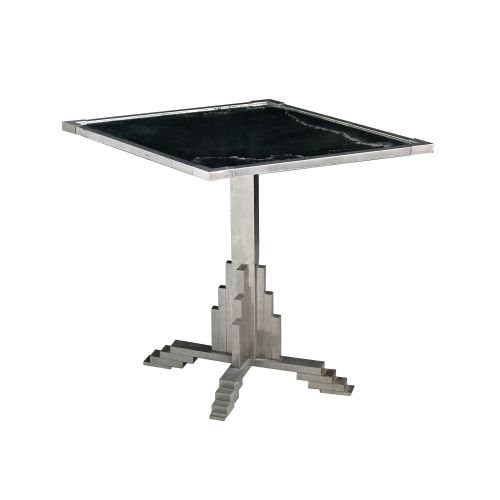
A chrome accent table represents the modernist domestic furniture of the interwar period, combining bright metal frames with glass or wood tops. These pieces typically take the form of side tables, occasional tables, or two-tier designs intended for display and everyday utility.
The examples found here centre heavily on the Art Deco and American Art Deco styles of the 1920s and 1930s. Buyers will encounter side tables and occasional tables that showcase the clean lines and reflective surfaces characteristic of early twentieth-century design.
What varies in quality
The distinction between standard production and high-end execution lies in the precision of the metal plating and the integrity of the joints. Superior examples maintain a deep, uniform polish on the tubular steel and chrome, with securely seated glass or walnut tiers.
Design attribution and regional origin also influence the standing of a piece, with documented works by specific designers or manufacturers demonstrating more sophisticated structural composition.
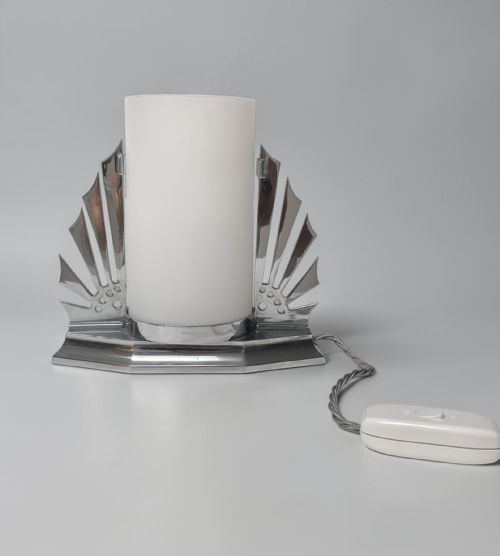
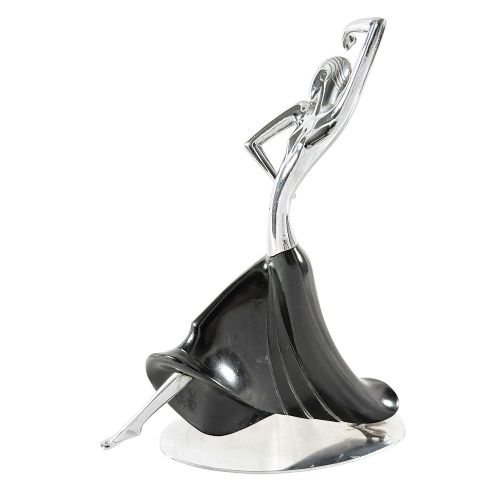
Several lamps on this page feature figures dancing or balancing on balls, proving the 1930s took illumination very seriously indeed.
Oliver Percy Bernard·Michel Dufet
The Chrome Accent Table Glossary
- Chrome plated metal
- A base metal coated with a thin layer of chromium to provide a corrosion-resistant and highly reflective finish. This treatment defined much of the modernist furniture produced in the 1930s.
- Tubular steel
- Hollow steel piping bent into smooth curves and structural frames. It enabled lightweight yet durable furniture designs during the Art Deco period.
- Occasional table
- A small, movable table designed for specific, intermittent use rather than central seating arrangements. These pieces function as side or display surfaces in living spaces.
- Mirrored glass
- Glass coated with a reflective substance on the reverse side to create a mirror surface. It frequently serves as the tabletop material on Art Deco side tables.
Chrome Accent Table: Frequently Asked Questions
What is a chrome accent table?
A chrome accent table is a small piece of furniture featuring a metal frame and a glass or wood surface, dating mainly from the 1920s to the 1940s.
These tables were designed to provide functional display space while introducing bright, reflective industrial materials into domestic interiors.
Where were these tables used?
Original owners placed these tables in sitting rooms, halls, and studies as convenient surfaces for lamps, smoking accessories, or decorative objects.
Their compact size allowed them to fit easily beside armchairs or against walls without dominating the room.
How do I live with a chrome table?
Integrating one of these tables into a room works best when paired with contrasting textures like upholstered fabrics or rich timber furniture.
Regular cleaning with a soft cloth keeps the plated metal and glass surfaces bright without damaging the historic finish.
How do I date an Art Deco table?
Dating relies on observing the combination of materials, such as tubular steel, walnut, and mirrored glass, alongside structural forms like two-tier designs.
Pieces from this era typically reflect the streamlined aesthetic of the interwar decades, from the early 1920s through the late 1930s.